
Bosconian


Buy
Part of collection:
Bosconian
As in many other vertical scrolling shooters (including Namco's own Xevious), the player controls a ship, facing the top of the screen, that can move freely while the background scrolls down, bringing enemies in to view; the player may destroy enemies for points. The game uses two buttons - one is used to make the ship fire circular lasers, while the other is used to cycle through its four firing patterns. The red pattern is two lasers in a spiral pattern, while the blue one is one laser straight ahead and one behind, the yellow one is one laser straight ahead, one left, and one right and the green one is two lasers diagonally forward (one to the left and one to the right), and one straight behind; by holding down the button, the ship fires more powerful, spherical lasers. Even though the game is the sequel to Bosconian (which used a synthesized, DAC-generated voice saying "Blast off!" at the beginning of every round), Blast Off had more in common gameplay-wise with Namco's own Dragon Spirit than with Bosconian; this is especially noticeable in the third area of every world, where the player's ship undergoes an increase in size, and must destroy a boss. Despite several gameplay differences, the connection with Bosconian was emphasized in the marketing of the game, with the hexagonal space stations from Bosconian appearing in Namco's press literature, and on the game's title screen, and also making appearances in the game itself - and the game is also worth noting for its usages of various Engrish phrases, such as "To push start only 1 player button" (on title screen), "Go next" (at end of world), "Congraturations" (at end of game) and "Entry your name" (on high score table). There are a total of six worlds in this game, and each one has three areas (so there are a total of eighteen "stages" to play through).
Bosconian '87 is a port of the arcade game Bosconian.
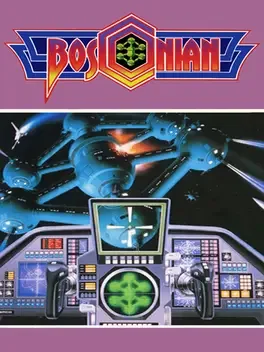
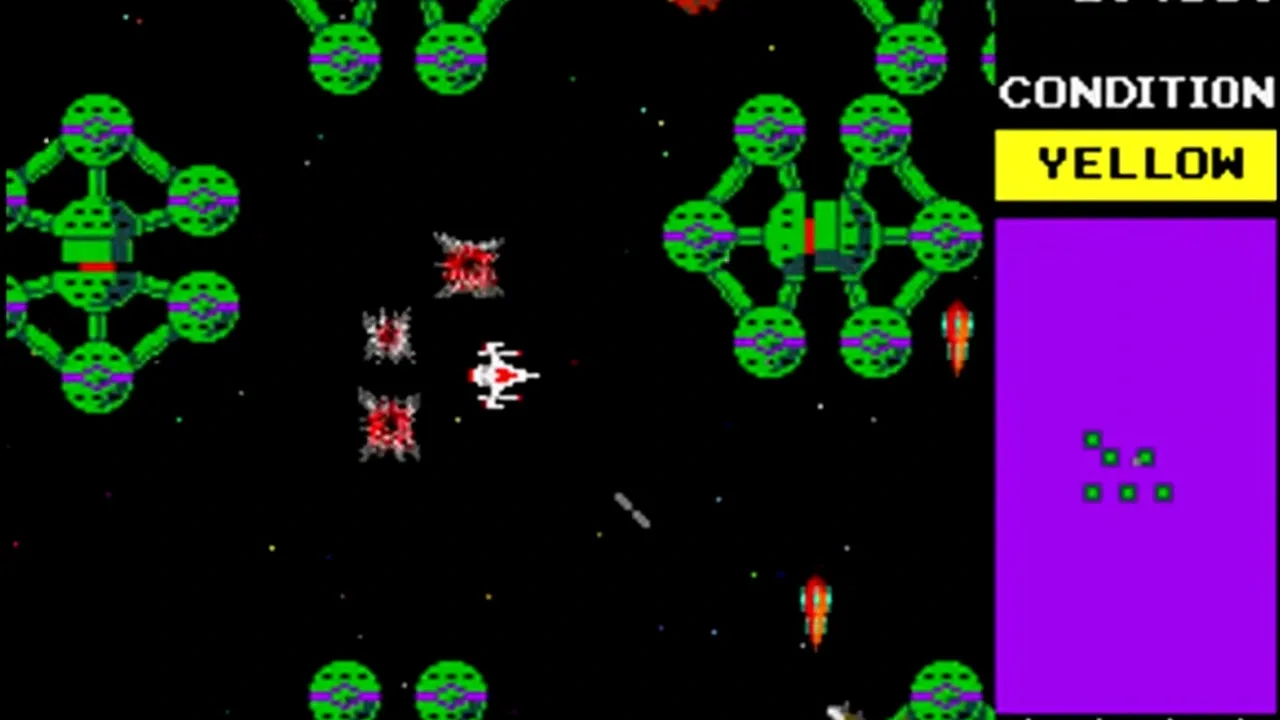
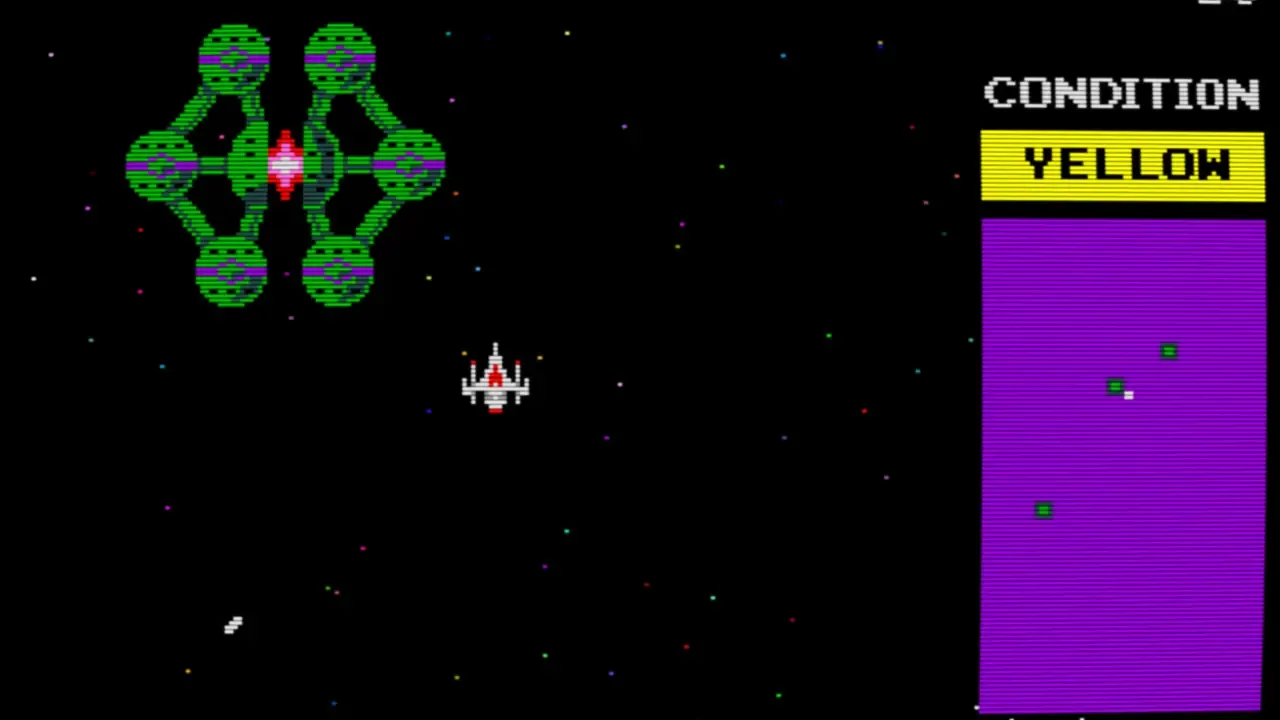
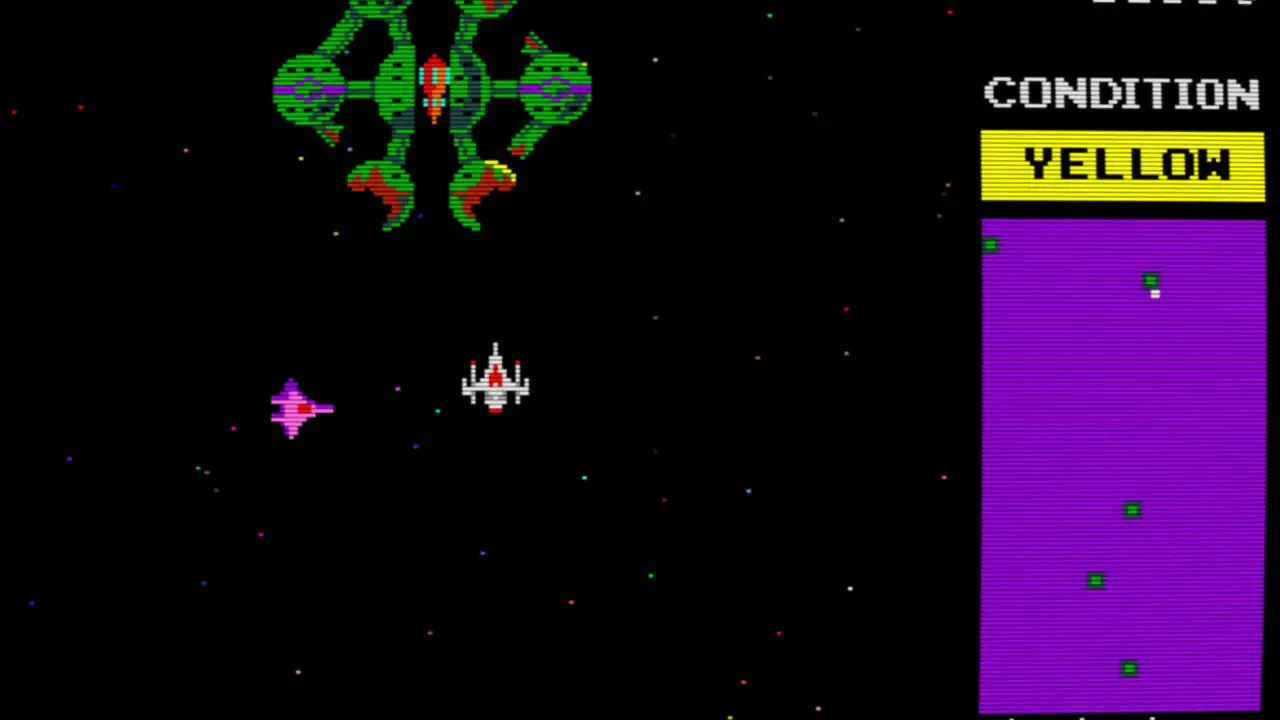
The object of Bosconian is to score as many points as possible by destroying enemy bases and ships. The player controls a small fighter ship that can move in eight directions and can fire both forward and backward. Each level consists of a number of green space stations that must all be destroyed to advance to the next level (a semi-transparent mini-map helps identify their location). Each station consists of six cannons arranged in a hexagon, surrounding a central core. The player must either destroy all six cannons or shoot the core to destroy a station, and in later levels the core is capable of defending itself. Additionally, the player must avoid or destroy asteroids, mines, and a variety of enemy missiles and ships that attempt to collide with the player's ship. Enemies occasionally launch formation attacks — destroying the leader causes all remaining enemies to disperse, but destroying all enemies in a formation scores extra bonus points. A spy ship (worth a random bonus value) also appears occasionally, which must be destroyed or the enemies will go berserk.
Could be interesting
Zaxxon is a 1982 isometric shooter arcade game developed and released by Sega. The game gives the player the experience of flying a fighter craft through a fortress while shooting at enemy entities (missiles, enemy gunfire, etc.) The object of the game is to hit as many targets as possible without being shot down or running out of fuel, which can be replenished paradoxically, by blowing up fuel drums.
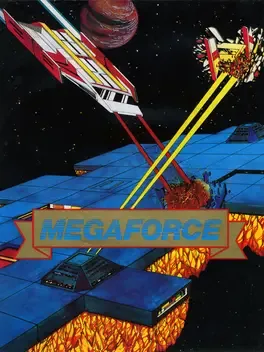
In the game, the player pilots a starship called the Final Star, while shooting various enemies and destroying enemy structures for points. Unlike later vertical scrolling shooters, like Toaplan's Twin Cobra, the Final Star had only two levels of weapon power, and no secondary weapons like missiles and/or bombs. Each stage in the game was named after a letter of the Greek alphabet. In certain versions of the game, there is an additional level called "Infinity" (represented by the infinity symbol) which occurs after Omega, after which the game repeats indefinitely.

There are many scrolling shooters but none of them is like "Sky Force". This stunning shoot ‘em up game combines the classic arcade elements with the new possibilities offered by current technology. The new installment in the series just came out in a spectacular style. "Sky Force 2014" was a huge success, acclaimed by gamers and critics. "Reloaded" gives players more of what they loved in the previous "Sky Force". Get ready for your device getting hot and your finger getting sore. Prepare yourself for exciting new missions, more powerful enemies and breathtaking boss battles! "Sky Force Reloaded" offers gorgeous 3D graphics, intense gameplay and a lot of new features. The options to boost up your planes are incredible. Yes, that’s right, PLANES! There’s a satisfying number of planes to choose from. Each with different strengths and weaknesses. Cater to your inner collector by hunting in-game buff cards and unlocking a number of achievements.
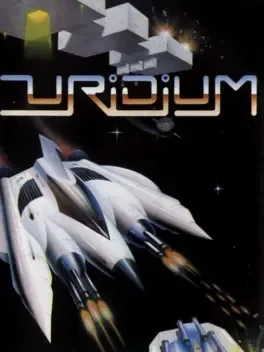
Uridium (released on the NES as The Last Starfighter) is a science fiction side-scrolling shoot 'em up originally designed by Andrew Braybrook for the Commodore 64, and later ported to other 8-bit machines. It consists of fifteen levels, each named after a metal element, with the last level being called Uridium (a fictional metallic element, not to be confused with the real metallic element iridium). The manual quotes Robert Orchard, who invented the name as saying "I really thought it existed".
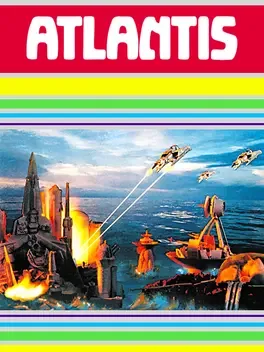
The lost city of Atlantis is under attack! Wave after wave of Gorgon vessels are approaching, each armed with weapons capable of destroying a part of the city. You are in charge of the command posts at the edges of the city and need to defend it from the invaders. The various gorgon craft will keep flying by on the screen in varying numbers and in different flight patterns. At first they fly high in the sky but then progressively lower. If an enemy makes it low enough before you destroy it, it will use it's weapons and destroy one of the buildings in Atlantis. As you progress in the game, the enemy craft will keep increasing in speed. The game ends when all remaining buildings in the city have been destroyed.
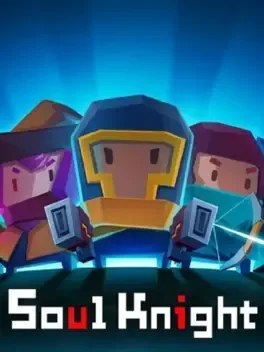
“In a time of gun and sword, the magical stone that maintains the balance of the world is stolen by high-tech aliens. The world is hanging on a thin thread. It all depends on you retrieving the magical stone…” We honestly can’t keep making it all up. Let’s just shoot some alien minions! This is the game you have always wanted in your subconscious. Explore the dungeon, collect crazy weapons, dodge bullets and shoot‘em all up! Extremely easy and intuitive control; super smooth and enjoyable gameplay, mixed with rogue-like elements. Best shooter game you will find on the mobile store so far. Features: * Unique heroes, with unique ability. * 120+ weapons waiting for you to explore. * Randomly generated dungeon world, new experience every time. * NPCs that actually matter! They will fight by your side! * Auto-aim mechanism for super intuitive control. * Many more features that you will find out in game.
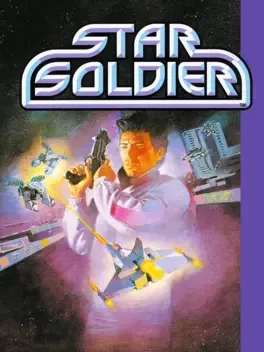
Star Soldier is a 1986 vertically scrolling shooter video game developed and published by Hudson Soft for the Nintendo Entertainment System and MSX. It is the first game in the Star Soldier series. The player pilots the starship "Caesar", traveling through space stations occupied by powerful supercomputers known as "Starbrains" who threaten the galactic empire. Star Soldier greatly resembles the earlier arcade game Star Force. The MSX version of the game was brought to the SG-1000 in Taiwan.
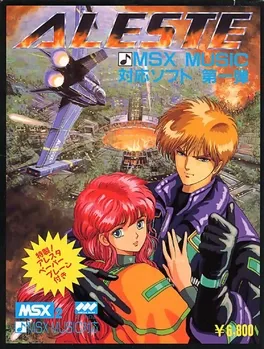
Your planet has been overrun by the meanest mutant vegetation ever created in a genetics laboratory. It's taken over buildings, labs, fighter craft... even people! And it's getting bigger... and meaner... with each passing second. But it hasn't taken over you. Now, you're going in on a mission to deliver a POWER STRIKE! You have a special attack ship with the ability to use weapons you free from the ground. The action is hot and heavy. The enemy is coming faster than you could ever believe! So fight hard and fast. If you don't turn the mutated vegetation into a giant tossed salad, they'll turn you into toast!
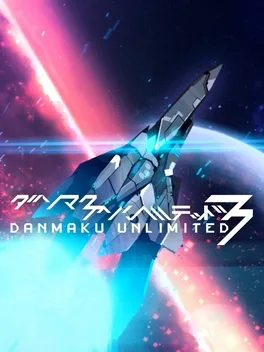
Take to the skies once again as the last defender of humanity against overwhelming odds! Lovingly built to be enjoyed by newcomers and genre veterans alike, Danmaku Unlimited 3 is a perfect medley of the best aspects of classic bullet hell shooters wrapped up in a modern and approachable package.
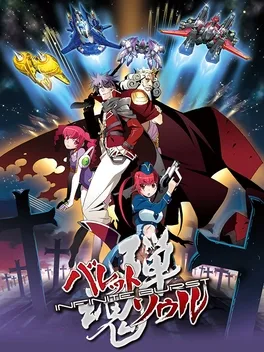
Bullet Soul Infinite Burst is a vertically scrolling shooting game crossing old-school gameplay with a bullet hell twist. It adds numerous gameplay enhancements over its predecessor, Bullet Soul, not least of which is Burst Mode. The same aggressive, bullet-cancelling gameplay, now with more destruction, more coins and more tunes. Shooting fans, it's time to welcome back the true Japanese shooting experience!