
Breath of Fire 6




Buy
Part of collection:
Breath of Fire
(last 3 games)
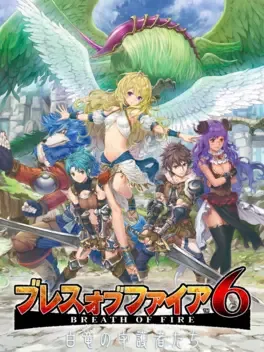
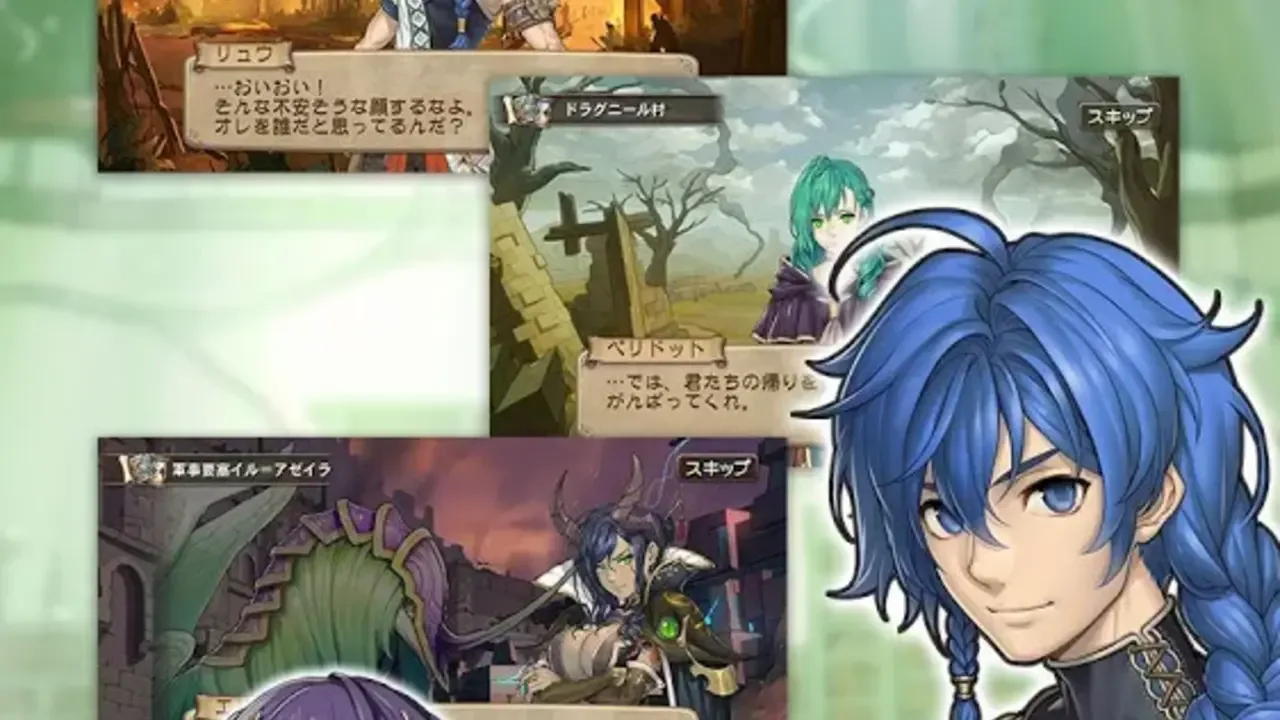
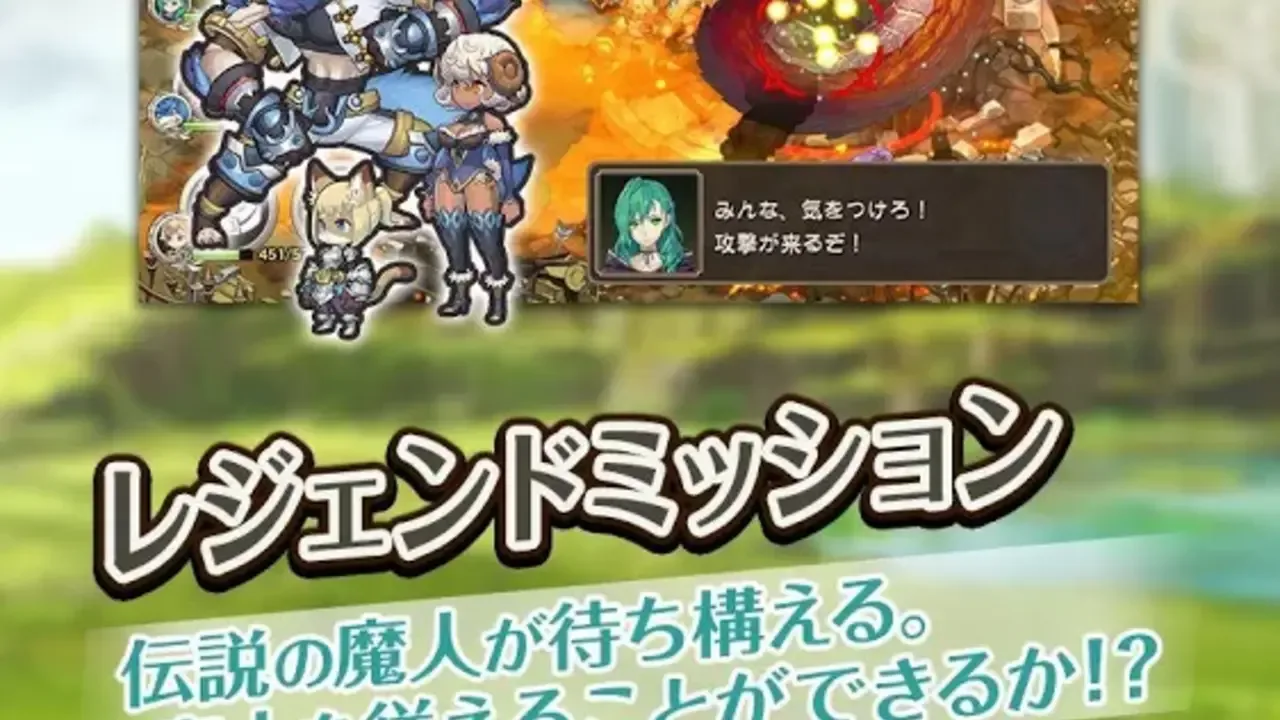
Breath of Fire 6: Hakuryū no Shugosha-tachi was a free-to-play online, web-based role-playing video game with microtransactions developed and published by Capcom as the sixth main installment of its Breath of Fire series. The game was released in Japan on February 24, 2016 for Microsoft Windows computers and Android devices, with an iOS release following on July 12, 2016. On September 27, 2017, all services for Breath of Fire 6 officially closed, after only six of the game's eight planned episodes were released.
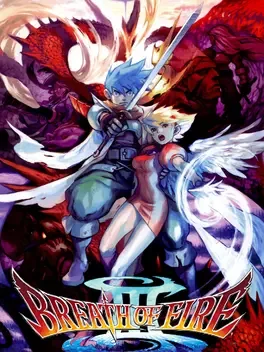
Capcom's third installment of its epic RPG. Breath of Fire III is the first installment of the Breath of Fire Series to appear on the PlayStation (And later ported to the PSP). Set free by the the workers of Dauna Mine, Ryu of the Brood learns to both understand his power, and to understand the history of his extinct kind. By both utilizing Ryu's unique power and the abilities of those whom assist him, players will uncover the history of the Brood, learn more about the characters, and the very reason why the Brood were wiped out. Players control Ryu and his allies on their journey, each of Ryu's friends have abilities only they can use, and they will have to work together to make their way through the obstacles and enemies that they encounter; creativity is key to your success in this game!
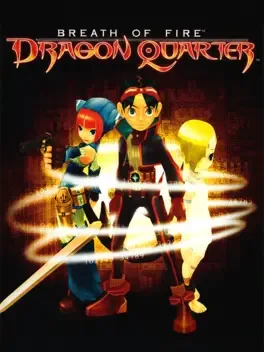
Breath of Fire: Dragon Quarter is a radical departure from the previous titles of the Breath of Fire series, and in some ways from standard Japanese-style role-playing games in general. The game is built like a huge dungeon crawler, with no overworld map. The combat is tactical: each character has action points (AP), which can be used to move around the screen during an enemy encounter, and perform a variety of combo attacks. There is no magic in the game, and many of the items found in dungeons are random. All the enemies are visible on screen. Depending on who first initiated a physical contact, the party or the enemies get an extra turn in battles. The game allows (and even encourages) the player to restart it from the beginning, keeping the items and the party experience. The game also features a special counter - Ryu can use his traditional dragon transformation abilities, but the counter raises with each such transformation, and when the counter reaches 100, the game is over. Raising the D-ratio allows characters to access new areas every time the game is replayed.
Could be interesting
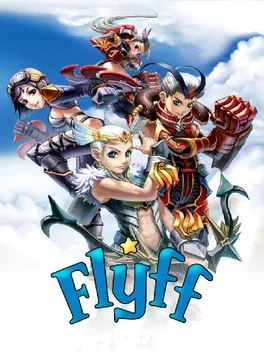
Flyff (short for Fly for Fun) is a fantasy MMORPG by Korean development company Gala Lab (formerly Aeonsoft & nFlavor). Flyff is a fairly typical party-oriented grinding game where no character can do everything; efficient play requires working in groups to level up by killing monsters, or Masquerpets. Its main distinctiveness lies in its flying system: flying is the normal method of transportation for characters above level 20. Flyff is hosted in 13 countries and 10 languages and is played by over 30 million people. GAMEPLAY: Players control an avatar that spends most of its active time fighting and most of its inactive time running a shop. Character classes are chosen at level 15 and sub-classes at levels 60 and 130, referred to as the first, second, and third job changes. The job changes are obligatory—when a character reaches the requisite level, experience gain stops until the completion of one of the job quests. At level 120, the character can become a Master, returning to level 60 with enhanced powers and able to work its way back up to level 121 and become a Hero. As of version 17, Heroes may select a third job class at level 130 and level up to the current cap of 150. Levels are gained based on experience, which can be acquired by killing Masquerpets and by performing quests. Quests generally involve killing specific Masquerpets and collecting the different quest objects they drop; a typical early quest is that of "Party of Is," with the requirement of collecting 7 Chupims through killing Pukepukes. At each level, the character receives skill points that can be invested in skills available to its job(s). There are two types of skills: those used for attacking and those used for protection and/or enhancement. Skills may have cool-down times and may cause status effects, with confusion, stun, and bleed among the most common effect. It is not possible to acquire maximum levels in all available skills until becoming a level 60 Master. Characters can be improved by acquiring objects such as improved equipment. Masquerpets drop equipment, the in-game currency penya, consumable items such as food and potions, and quest objects, or players can purchase equipment from other players note this is usually extremely expensive because of the high quality gear that can be acquired this way. These can all be traded between players; Flyff gameplay involves large amounts of buying and selling in order to collect desired equipment. Most equipment items have minimum levels at which they can be used. Combat Flyff features melee, ranged and magic combat, with different skills available to different classes. Health points, fight points, and magic power bars are able to be replenished through food, vital drinks and mana refreshers; some classes depend on assists to heal them with magic. PvP Player versus player (PvP) combat is allowed on all servers without penalty in the form of dueling. Both players must be over level 15, and within 30 levels of each other, then they must confirm the duel first unless they are within the PvP Arena, a free-for-all environment found on all servers. Player killing is allowed only on the Yetti server and carries a high penalty. SOCIAL SYSTEMS: Lord System Introduced in version 12, the Lord system allows eligible players to be voted as the Lord of their server for 2 weeks. Players must have obtained Hero or Master status to qualify as a Lord candidate. While a Lord, a player may introduce a number of events on the server. Lords are taxed between 0 to 20% on all NPC purchases and returns and are given a portion of all player taxes. 10% of eligible voters must participate in the Lord vote for a Lord to be chosen. To vote for a candidate, a player must be at least level 60 and must have logged in to the game within the last 30 days. Each player may only vote for one candidate per election. Party System Players who join a party gain increased experience and loot. A lone player does not benefit from or harm a party. A party starts as a Regular Party, in which experience is distributed evenly among party members in the same location. At level 10, the party becomes Advanced, at which point experience can be distributed to players based on their amount of damage done. An Advanced Party may have up to 8 players; having this many players in a party increases player experience with each monster killed during training. Guild System Guilds allow players to socialize; players within a guild can chat with each other and many in-game activities are guild-based. Guilds have a hierarchical chain of command, consisting of the Master/Leader, Kingpins, Captains, Supporters, and Rookies. The guild master may change the permissions for guild members, allowing members to withdraw items or money from the guild bank, rank-up or de-rank other members, and be paid daily. Guilds are able to choose an emblem and cloak to represent themselves and have the use of a warehouse. When a guild reaches the appropriate guild level, increased by supporting the guild through quest items and Penya, the guild master may create guild cloaks at a cost that sport the guild's symbol. A large amount of Flyff end-game content is guild-related. Guild Siege This event, held on Saturday in channel 1 of each server, allows guilds to compete in a free-for-all environment. A total of 8 Guilds may enter, and each Guild may have 10 players. To compete, the Guild leader must place a bid; the 8 highest bidders compete. Clockworks War The Clockworks War is a guild dungeon that guilds of any level may enter a single time. If the guild fails against the dungeon boss, its players may reattempt to win as many times as necessary for a time period of one hour. Only one guild is permitted inside the Clockworks Arena at a time. Couple System The couple system, implemented in Version 13, allows a marriage-style connection between two characters. Characters who become a couple are granted special buffs and skills and receive gifts with new couple level gained. Mentor/Pupil System The Mentor/Pupil system, implemented in Version 15, allows any player level 91 or above to take on any character who has not completed their second Job Change as a pupil after completing the mentor qualification quest. This Mentor/Pupil bond provides a special bonus to experience gained by both mentor and pupil while both characters are logged on to the same server. Additionally, upon the pupil reaching certain level marks, the mentor gains 'Mentor Points'; as the mentor gains more of these points, additional pupils may be taken on, to a maximum of 3 pupils when over 100 Mentor Points are gained. These additional pupils grant increases to the experience bonus of the mentor; the other pupils' experience bonus' remain unchanged. While no action apart from the initial bonding is necessary within the Mentor/Pupil relationship, mentors are encouraged to help their pupils with advice, quests, and/or occasional gifts. If at any time either pupil or mentor becomes dissatisfied, the player may cancel the bond. The Mentor Points of a mentor who loses all pupils returns to 0 and must be regained through new Mentor/Pupil bonds. OTHER GAME SYSTEMS: Events Events involving rare drops and extra experience are held almost every week by the gamemaster team. Maintenance is held every Tuesday evening (gPotato) and Thursday noon (FlyFF PH). Collector System Re-Introduced in version 11, the Collector System allows players to collect rare and unique game items through the use of a Collectors. Private Shops Players can open private shops, in which held items can be sold at any price. Other players can enter these shops and purchase the items within, with the purchase money transferred to the shop owner's inventory. Raising Pets Players may keep seven types of Raised Pets, which start out as eggs that may be dropped by any Masquerpet level 20 and above. An egg can be hatched by the Pet Tamer NPC after feeding the egg 50,000 pet feed. To evolve a pet, players must complete quests given by the Pet Tamer. Pets must also be fed to keep them alive. Each Raised Pet has five levels and three appearances. A player accompanied by a pet receives additional stat points based on the type of pet. Elements Monsters are generally associated with a particular in-game elements, of which there are five. Each element is vulnerable to one element and resistant to another. Weapons and armor can be "elemented", conferring advantages against monsters of some types and disadvantages against others; many aggressive spells are also elemented. Cash Shop Flyff uses a micropayment system through which users can obtain 'Game Cash'. Game Cash can be exchanged for premium items not otherwise available in the game, including clothing, potions, different kinds of scrolls and pick-up pets. DEVELOPMENT: In December 2002, Aeonsoft developed the first provisional prototype of the game, called Clockworks Ltd. In September 2003, the company changed the game's name to Flyff, and began its first closed beta in Korea. In July 2004, it won the Game of the Month award from the Korean Ministry of Culture, Sports and Tourism. Over the next year, it was launched in three more countries: China, Taiwan, and Thailand. In October 2005, the US received the closed beta, which ran for a month before Flyff was commercially launched in December. TECHNICAL DEVELOPMENT: Game mechanics Aeonsoft employs its own in-house core technology. The world object engine uses load balancing middle-ware, multi-thread and parallel game logic processing. The 3D flying engine uses faster process with vector and collide mesh and 3D space divided by Octree System. Its network sync engine utilities packet optimization by object move estimation, client-side sync calculation, and object move calibration processes.
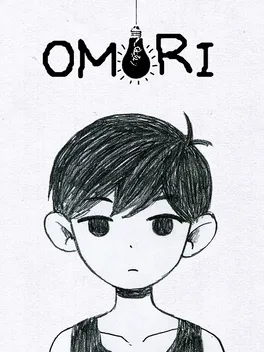
A turn-based surreal horror RPG in which a child traverses various mundane, quirky, humourous, mysterious and horrific lands with his friends in search of a missing person while confronting his past and his fears. Explore a strange world full of colorful friends and foes. When the time comes, the path you’ve chosen will determine your fate... and perhaps the fate of others as well.
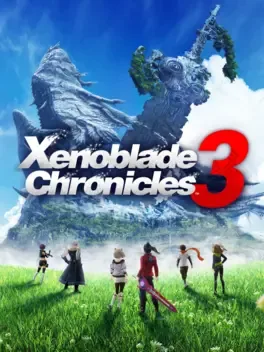
A vast world awaits in Xenoblade Chronicles 3, the next game in the acclaimed RPG series from developer Monolithsoft. Players will step into the roles of protagonists Noah and Mio amid turmoil between the hostile nations of Keves and Agnus. Six characters hailing from those nations will take part in a grand tale with “life” as its central theme. Explore a new world that will connect the futures of both Xenoblade Chronicles and Xenoblade Chronicles 2.
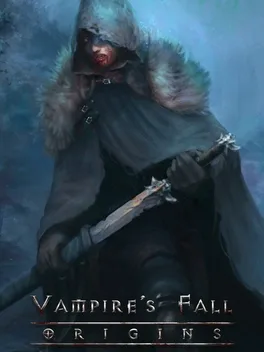
A tribute to classic RPGs. Made with passion, by old-school gamers. Vampire's Fall: Origins is a 2D open-world RPG with tactical combat. Create your character, choose your bloodline and venture out into the world. Will you wreck havoc in the land, or be the hero people are longing for?
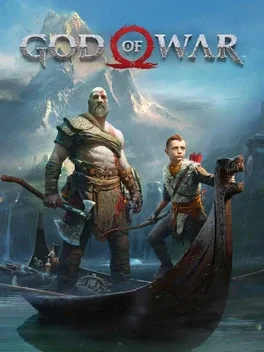
God of War is the sequel to God of War III as well as a continuation of the canon God of War chronology. Unlike previous installments, this game focuses on Norse mythology and follows an older and more seasoned Kratos and his son Atreus in the years since the third game. It is in this harsh, unforgiving world that he must fight to survive… and teach his son to do the same.

The powerful collaboration between the nationally beloved robot anime "Mobile Suit Gundam" and the popular smartphone game "Kingdom Conquest," which has achieved over 5 million downloads (※), has finally come to fruition! This is an online-only game where you can play with tens of thousands of players! Players can play both the simulation part, where you develop colonies and wage war, and the action part, where up to four players can cooperate. Strengthen your forces and aim for victory! The mobile versions were delisted after mid 2017. The versions' service was ended on October 29, 2018. There is a PS Vita port.
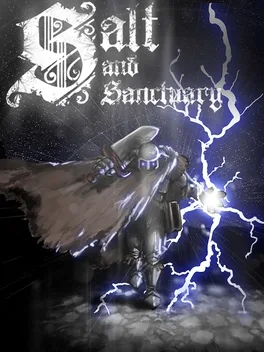
Salt and Sanctuary is a 2D action role-playing game developed by Ska Studios and released in 2016. It combines side-scrolling combat with mechanics inspired by action RPGs, including stamina management and character builds. Players explore a dark, interconnected world filled with hostile enemies and challenging bosses. Progression is based on skill trees, equipment upgrades, and exploration-driven discovery.
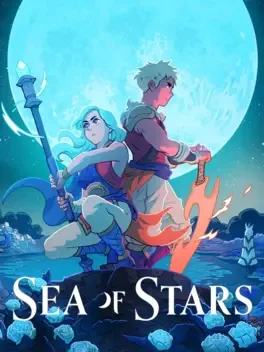
Sea of Stars is a turn-based RPG inspired by the classics. Promising the Sabotage touch in every system, Sea of Stars aims to modernize the classic RPG in terms of turn-based combat, storytelling, exploration and interactions with the environment, while still offering a hearty slice of nostalgia and good old, simple fun.
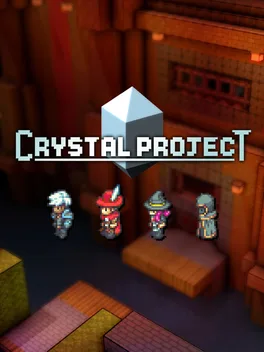
Crystal Project is a non-linear JRPG where you are the maker of your own adventure. Explore the world while you find Crystals, unlock classes, learn abilities, and create a strategy capable of taking down the world's toughest bosses. Or just stick to exploring; it's up to you.
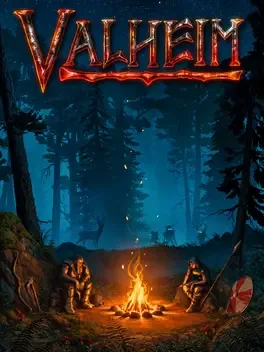
Valheim is an open-world survival and exploration game set in a procedurally generated world inspired by Norse mythology. Playing alone or with up to nine other players, you explore dangerous biomes, gather resources, craft weapons and armour, build Viking settlements and longships, and battle powerful creatures and bosses in order to prove yourself worthy of Odin. Progression is tied to exploration and defeating the Forsaken, with each biome introducing new enemies, resources, crafting possibilities and challenges. From the peaceful Meadows to the frozen Deep North, players can build, farm, sail, fight and explore the tenth world at their own pace.