
Chrono Trigger


Expanded games
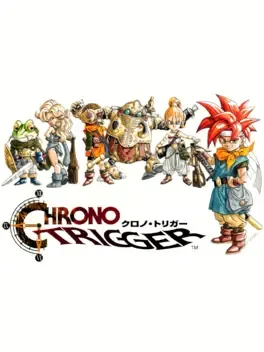
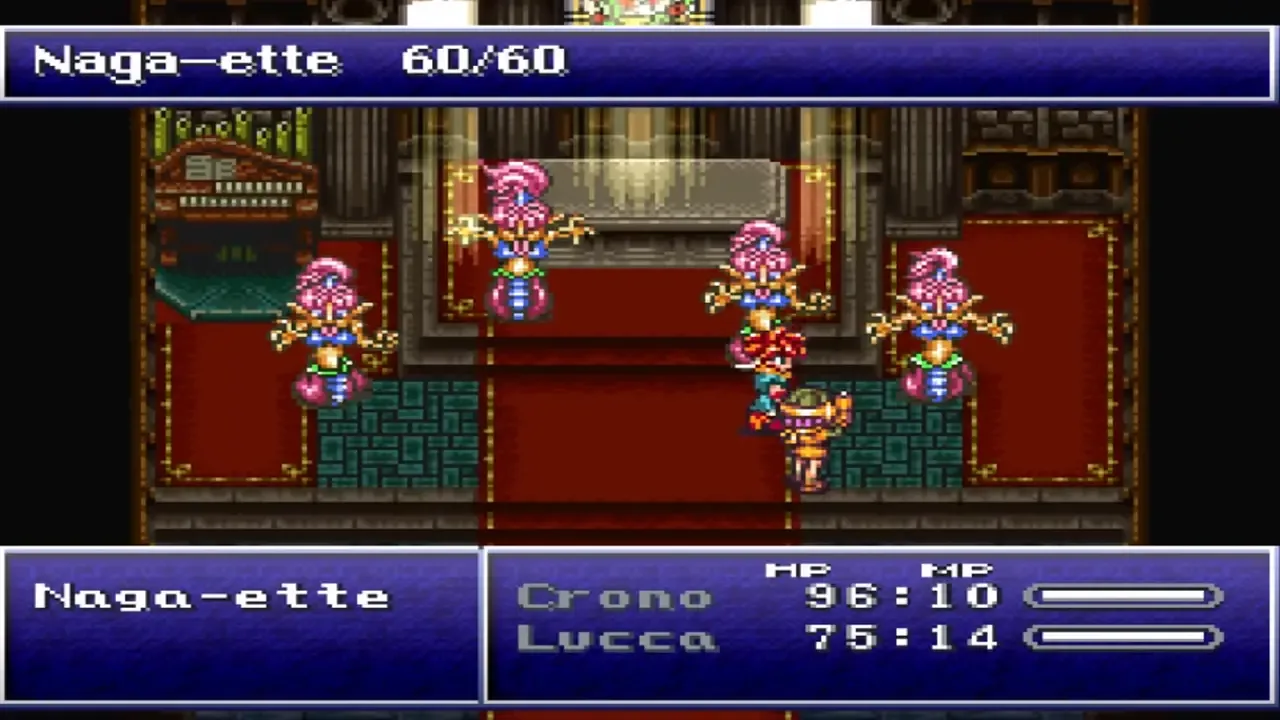
An enhanced port of Chrono Trigger that adds anime cutscenes and an exclusive Extras Mode. It is also known for having significantly longer load times in comparison to the original SNES version. Extras Mode is an option in the main menu that let players view cutscenes and artwork, listen to music, and view information about techs, enemies, bosses, endings, and item locations. It was first released for PlayStation in Japan before it came to North America as part of the Final Fantasy Chronicles compilation.
Part of collection:
Chrono
(last 3 games)
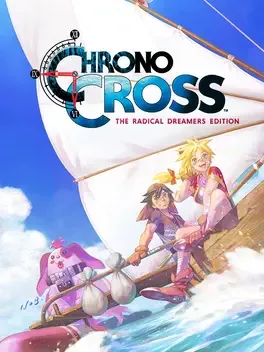
Chrono Cross: The Radical Dreamers Edition is a remaster of Chrono Cross bundled with Radical Dreamers, which was previously only released for the Satellaview in Japan.
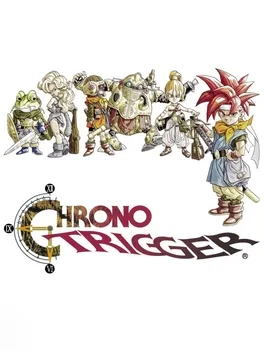
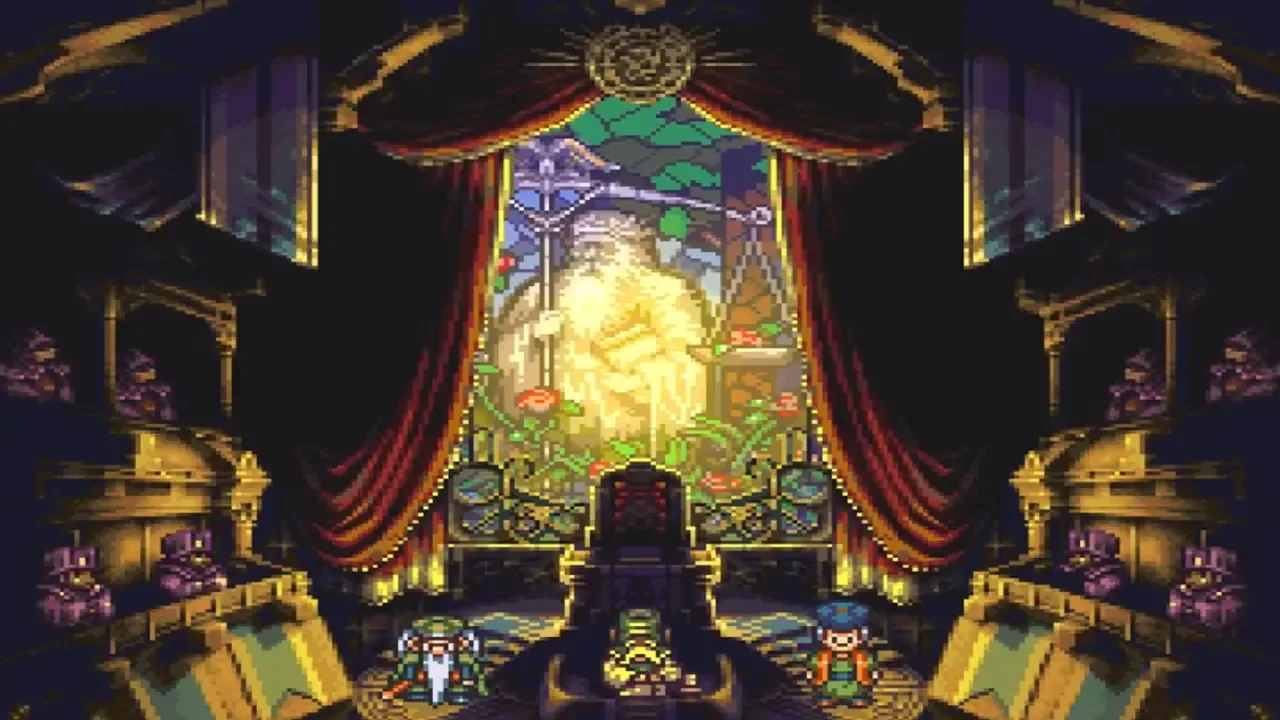
As the definitive version of Chrono Trigger, not only have the controls been updated, the graphics and sound have also been revamped to make your adventure even more fun and enjoyable to play. To complete your journey, also included is the mysterious ‘Dimensional Vortex’ dungeon and the forgotten ‘Lost Sanctum’ dungeon. Meet the challenges presented to you and long-lost secrets may be revealed...
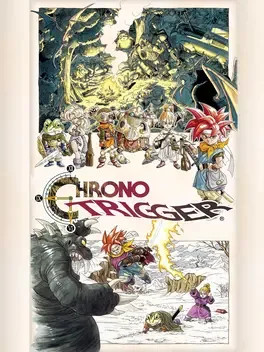
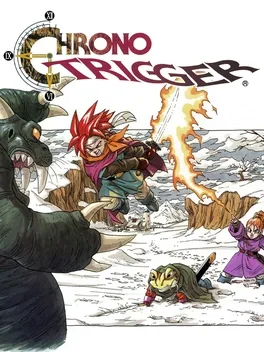
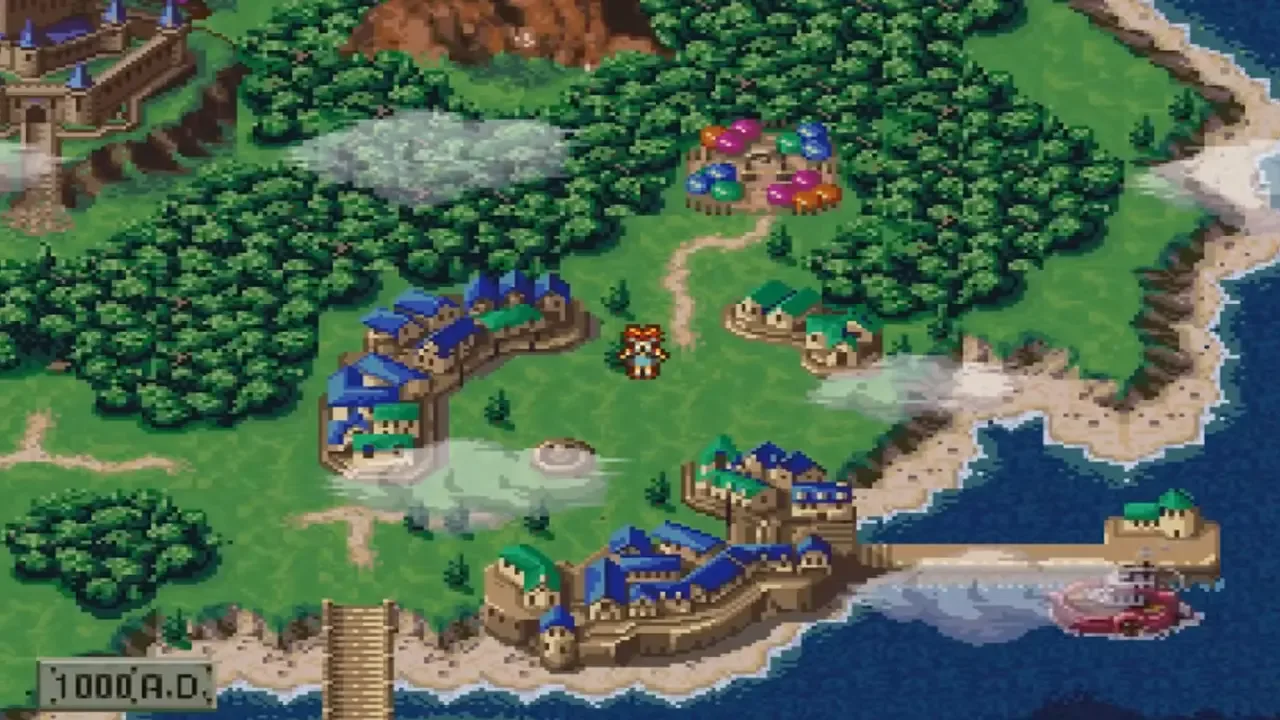
Chrono Trigger is a remaster of the timeless, classic role-playing game of the same name. Controls been updated, and the graphics and sound have also been revamped to make your adventure even more fun and enjoyable to play. To complete your journey, also included is the mysterious 'Dimensional Vortex' dungeon and the forgotten 'Lost Sanctum' dungeon. Meet the challenges presented to you and long-lost secrets may be revealed...
Part of franchise:
Chrono
(last 3 games)
Chrono Cross: The Radical Dreamers Edition is a remaster of Chrono Cross bundled with Radical Dreamers, which was previously only released for the Satellaview in Japan.
As the definitive version of Chrono Trigger, not only have the controls been updated, the graphics and sound have also been revamped to make your adventure even more fun and enjoyable to play. To complete your journey, also included is the mysterious ‘Dimensional Vortex’ dungeon and the forgotten ‘Lost Sanctum’ dungeon. Meet the challenges presented to you and long-lost secrets may be revealed...
Chrono Trigger is a remaster of the timeless, classic role-playing game of the same name. Controls been updated, and the graphics and sound have also been revamped to make your adventure even more fun and enjoyable to play. To complete your journey, also included is the mysterious 'Dimensional Vortex' dungeon and the forgotten 'Lost Sanctum' dungeon. Meet the challenges presented to you and long-lost secrets may be revealed...
Could be interesting
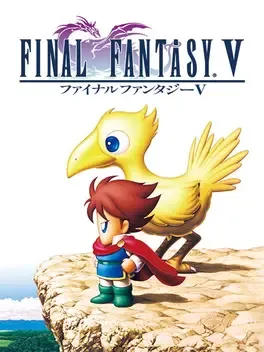
Final Fantasy V is a fantasy role-playing video game developed and published by Square in 1992 as a part of the Final Fantasy series. The game first appeared only in Japan on Nintendo's Super Famicom (known internationally as the Super Nintendo Entertainment System). It has been ported with minor differences to Sony's PlayStation and Nintendo's Game Boy Advance. An original video animation produced in 1994 called FINAL FANTASY: Legend of the Crystals serves as a sequel to the events depicted in the game. It was released for the PlayStation Network on April 6, 2011, in Japan. An enhanced port of the game, with new high-resolution graphics and a touch-based interface, was released for iPhone and iPad on March 28, 2013, and for Android on September 25, 2013. FINAL FANTASY V has been praised for the freedom of customization that the player has over the characters, achieved through the greatly expanded Job System. Despite being released only in Japan, the Super Famicom version sold more than two million copies. The PlayStation version has earned "Greatest Hits" status, selling more than 350,000 copies.
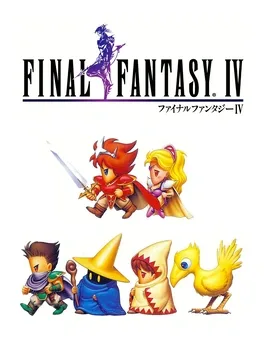
FINAL FANTASY IV is the fourth main installment in the FINAL FANTASY series, developed and published by Squaresoft. It was released in July 1991 for the Super Nintendo Entertainment System in Japan, and released as FINAL FANTASY II in North America in October 1991 with alterations made due to Nintendo of America's guidelines at the time.
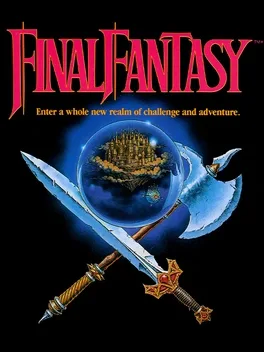
Final Fantasy, also known as FFI in re-releases, is the first role-playing game title in Square's flagship Final Fantasy series. The game puts players in control of four characters known as the Warriors of Light, and begins by asking the player to select the classes and names of each. The Warriors of Light can traverse the maps of dungeons and towns, which are connected by a world map, and will run into random encounters with enemies or fight bosses.
Journey into the dark side of an ancient civilization. Radiating an ominous light in its path, the Chaos Comet threatens the existence of the planet. Battles erupt and a tentative peace is returned to the lands. Danger lurks as the Chaos Comet orbits and dreadful beasts lie awaiting. In the Age of Exploration a boy named Will is born. Tragedy strikes during an expedition to the Tower of Babel separating Will from his father. Telekinetic forces awaken as Will returns to South Cape. Armed with his transformation abilities of two great warriors, Will must save the planet. Gaia, Will's guiding spirit bestows magical powers and advice along his journey. With the help of his friends Will must battle relentless enemies and solve the puzzles of the ancient ruins. Patience and knowledge are essential to reunite this father and son.
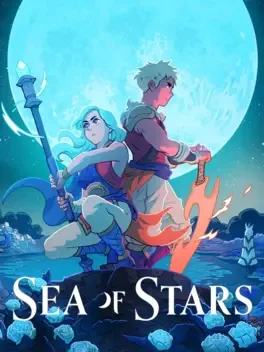
Sea of Stars is a turn-based RPG inspired by the classics. Promising the Sabotage touch in every system, Sea of Stars aims to modernize the classic RPG in terms of turn-based combat, storytelling, exploration and interactions with the environment, while still offering a hearty slice of nostalgia and good old, simple fun.
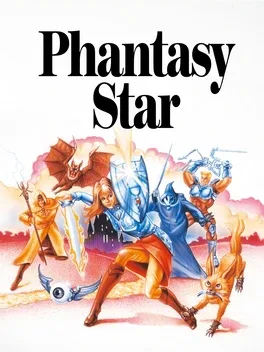
The time: Space Century 3240. The place: The Algol Star System. It began when King Lassic turned evil and let hordes of hideous, magical creatures run amok on the three planets. When her brother was killed, Alis vowed to avenge his death and put an end to Lassic forever. Join her in a journey across time and space to worlds where creatures speak...where magic and science combine to take you on the ultimate video quest. Phantasy Star is total adventure role playing with towns full of people and shops...16 level dungeons full of traps and treasure...three companions who will help you if you find them and some of the most awesome graphics ever put in a video game.
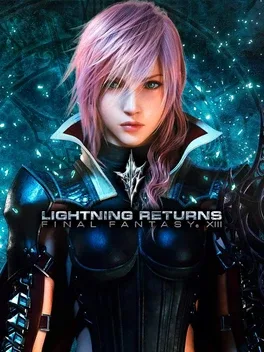
As Lightning, it is your mission to save souls so they may be brought to a new world. However, with only thirteen days remaining, not everyone can be saved. Armed with all-new weapons, player customization and battle abilities, you are in a race against time to fully understand your destiny. It all ends here.
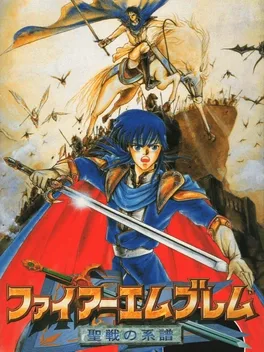
Fire Emblem: Genealogy of the Holy War is a Japanese Super Famicom tactical role-playing game developed by Intelligent Systems and published by Nintendo. It was released on May 14, 1996 in Japan. It is the fourth title in the Fire Emblem series, the second Fire Emblem title for the Super Famicom, and the last game produced by the late Gunpei Yokoi. It was released on the Japanese Virtual Console service on January 30, 2007. The game was originally to be titled as Fire Emblem: Light Inheritors.
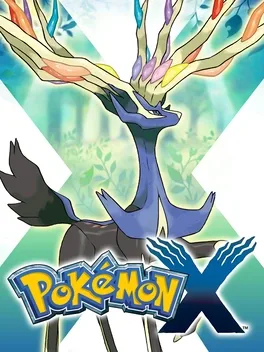
An all-new 3D Pokemon adventure packed with never-before-seen Pokemon will launch worldwide in October 2013. Pokemon X and Pokemon Y will present a new generation of Pokemon, and introduce players to an exciting new adventure in a breathtaking 3D world.
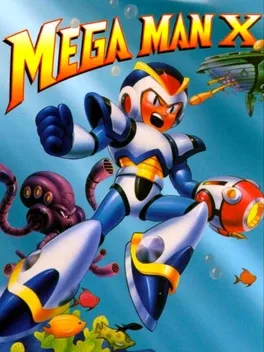
Mega Man X, known as Rockman X in Japan, is the first game of the Mega Man X series. It was the first spin-off of the classic Mega Man series and made its debut on the Super Famicom/SNES, initially released in 1993. It was ported to the PC in 1995, and to Android and iOS devices in 2011. It was re-released as part of Mega Man X Collection in January 2006, then later re-released in Mega Man X Legacy Collection in July 2018. The game takes place in the year 21XX (early 22nd century), a century after the conclusion of the classic Mega Man series, and stars a new main character named X.