
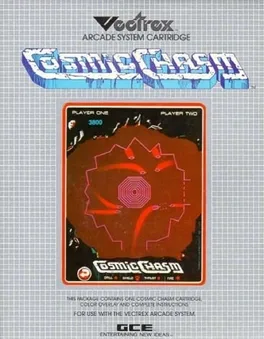
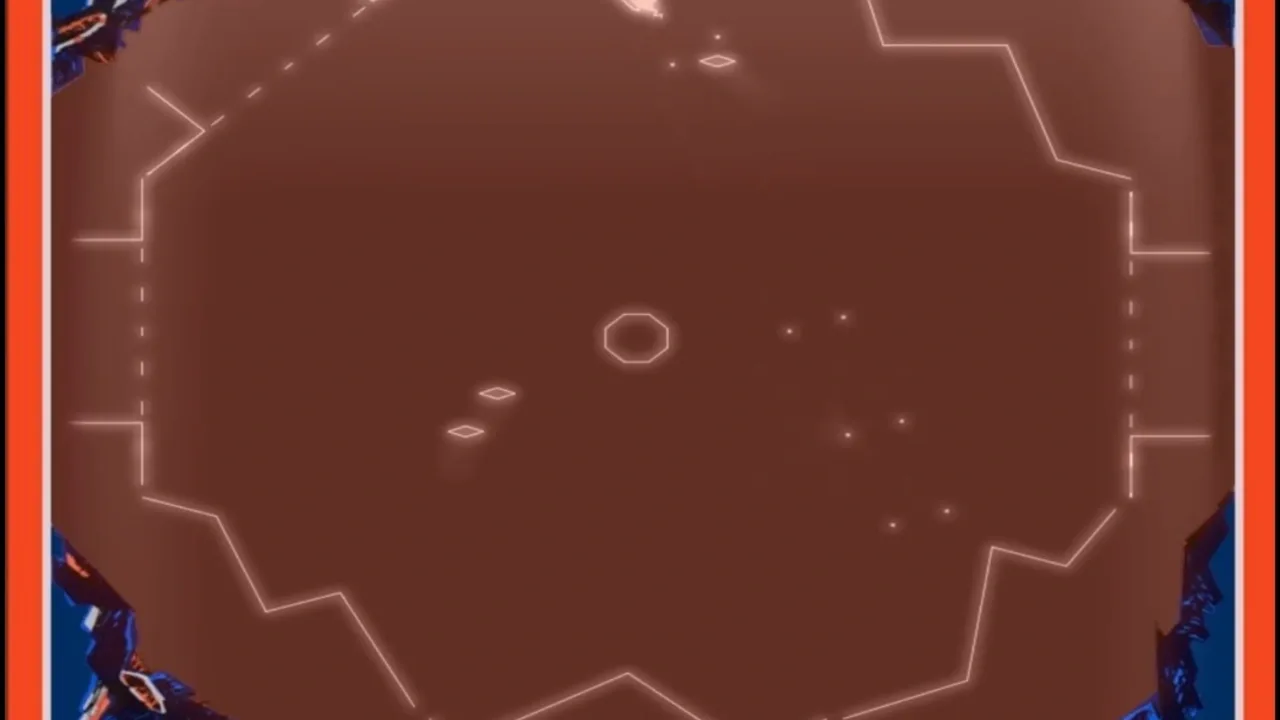
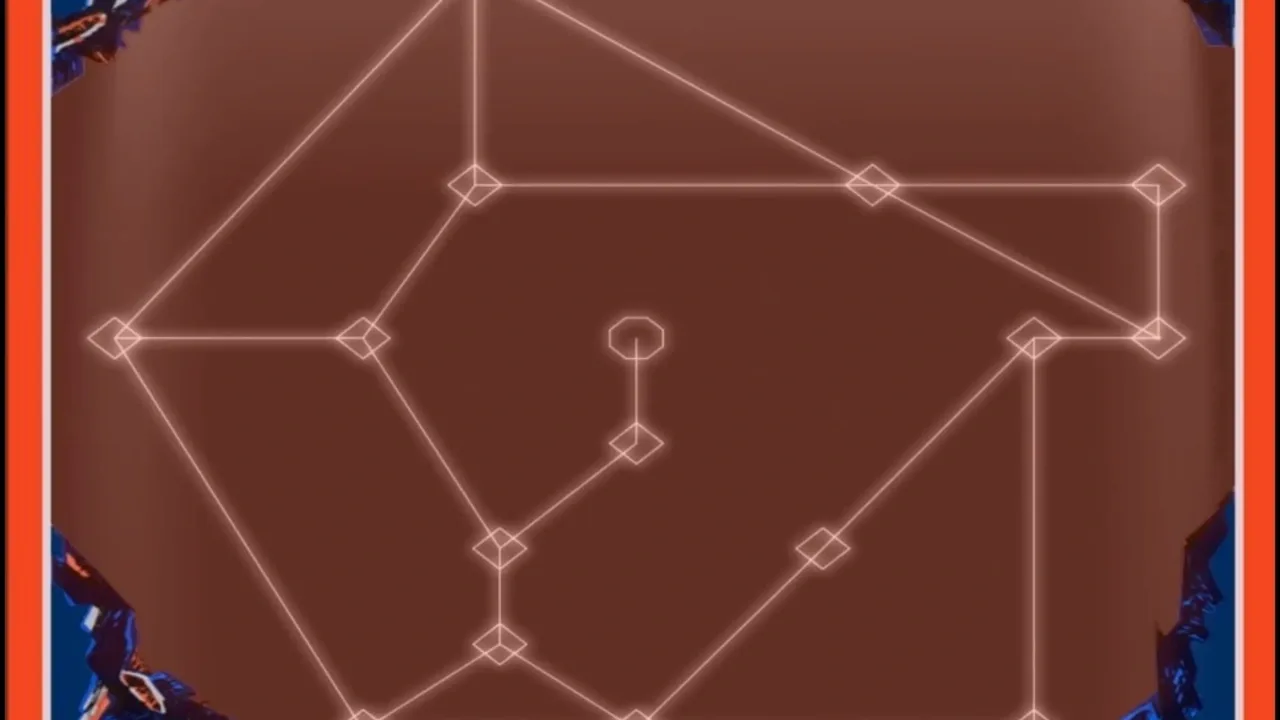
Cosmic Chasm


Buy
Could be interesting
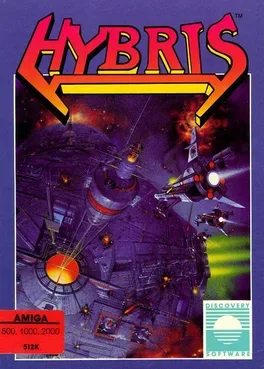
Hybris is a vertically scrolling sci-fi shoot 'em up for the Amiga.
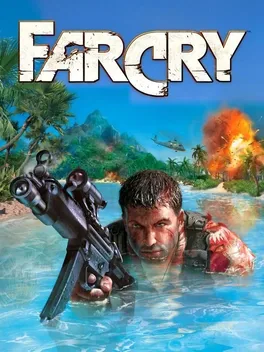
A tropical paradise seethes with hidden evil in Far Cry, a cunningly detailed action shooter that pushed the boundaries of combat to shocking new levels.Freelance mariner Jack Carver is cursing the day he ever came to this island. A week ago, a brash female reporter named Valerie had offered him an incredible sum of cash to take her to this unspoiled paradise. Shortly after docking, however, Jack's boat was greeted by artillery fire from a mysterious militia group swarming about the island. With his boat destroyed, his money gone, and the gorgeous Valerie suddenly missing, Jack now finds himself facing an army of mercenaries amidst the wilds of the island, with nothing but a gun and his wits to survive. But the further he pushes into the lush jungle canopy, the stranger things become. Jack encounters an insider within the militia group who reveals the horrific details of the mercenaries' true intentions. He presents Jack with an unsettling choice: battle the deadliest mercenaries, or condemn the human race to a maniac's insidious agenda.
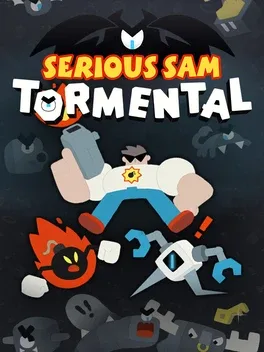
Serious Sam: Tormental is a 3D rogue-lite top-down shooter where you blast your way through the tormented mind of demigod of destruction Mental, as he imagines worlds and monsters that stand on your path towards his inner ego. Let the showdown begin!
Two pet pilots enter, one succeeds! Duel in spaceships using rockets to try and knock out the opponent.
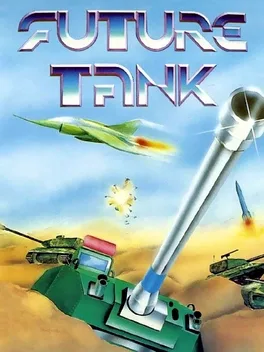
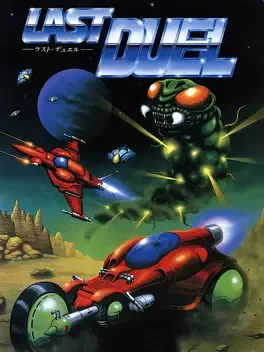
Taking place in the year 2012 of an alternate galaxy, Last Duel involves the struggle between two planets Mu and Bacula. On planet Bacula, a strong warrior tribe known as the Galden rose to immense military power and literally conquered all of the societies on the planet. Unsatisfied with conquering just one planet, the Galden decided to conquer a neighboring terrestrial planet, Mu. Using advanced bioships, star fighters and motor vehicles, the Galden invaded Mu, destroying many of its cities and taking the planet's ruler Queen Sheeta hostage. The remaining royal guards of Mu are deployed in space fighters that can transform into cars to rescue the queen and crush the Galden forces.
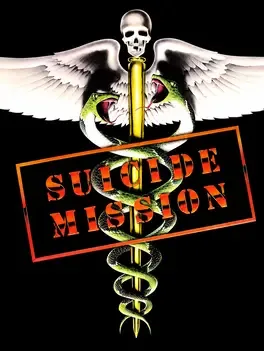
Suicide Mission is an arcade action game similar to Asteroids. You control a microscopic submarine navigating the bloodstream of someone who has been infected by a virus. Your goal is to destroy the virus! Each time you shoot a cell infected with the virus, it will split up into smaller pieces. Eventually the pieces will be small enough that they can be destroyed. When everything has been destroyed, you can move on to the next, more difficult level. The game features three levels of difficulty, and you can choose one of two shooting styles for your submarine (single torpedoes, or rapid fire).
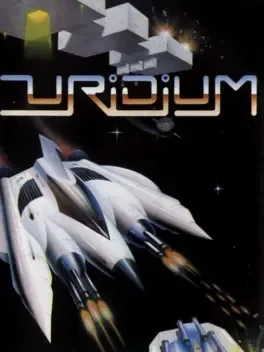
Uridium (released on the NES as The Last Starfighter) is a science fiction side-scrolling shoot 'em up originally designed by Andrew Braybrook for the Commodore 64, and later ported to other 8-bit machines. It consists of fifteen levels, each named after a metal element, with the last level being called Uridium (a fictional metallic element, not to be confused with the real metallic element iridium). The manual quotes Robert Orchard, who invented the name as saying "I really thought it existed".
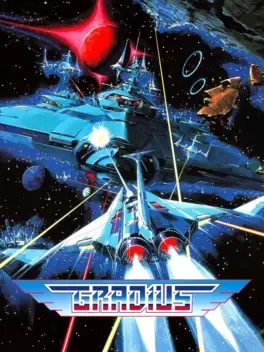
One of the defining characteristics of the Gradius series is the use of a "power meter." The power meter is powered by a power-up item, whose purpose, when collected, is to move a highlight to the next power-up on the power meter. When a power-up that the player wants becomes highlighted, he or she may activate it, also causing the highlight to reset.
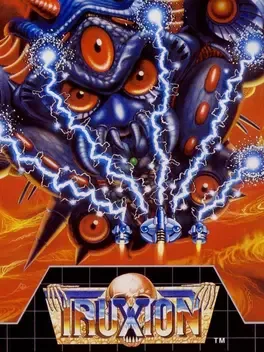
Truxton is a 1988 vertically scrolling, shoot 'em up arcade game developed by Toaplan, later ported to the Mega Drive (worldwide) and the PC Engine (Japan-only). Like many other scrolling shooters, the game is set in outer space, where the player takes control of a small spaceship across several planets. The game is played with an eight-way joystick and two buttons (a shot and a bomb button) through five large levels and their bosses (which then loop forever, at higher difficulties).