
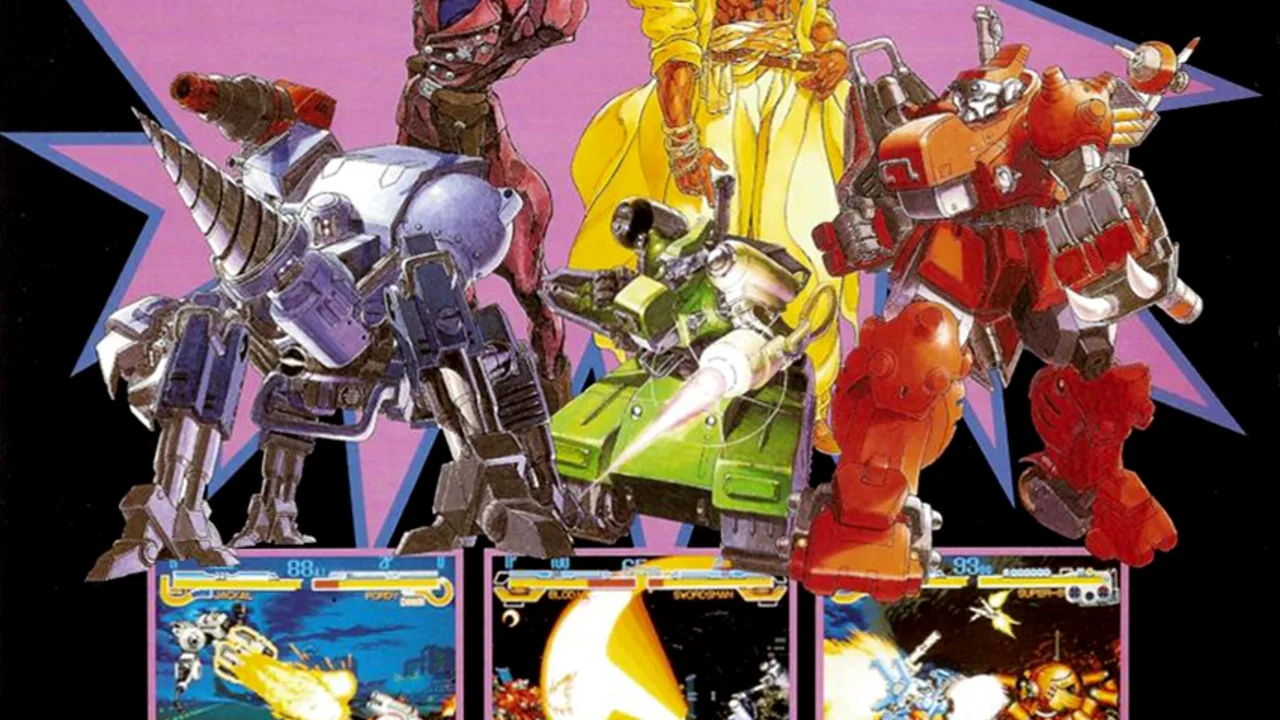
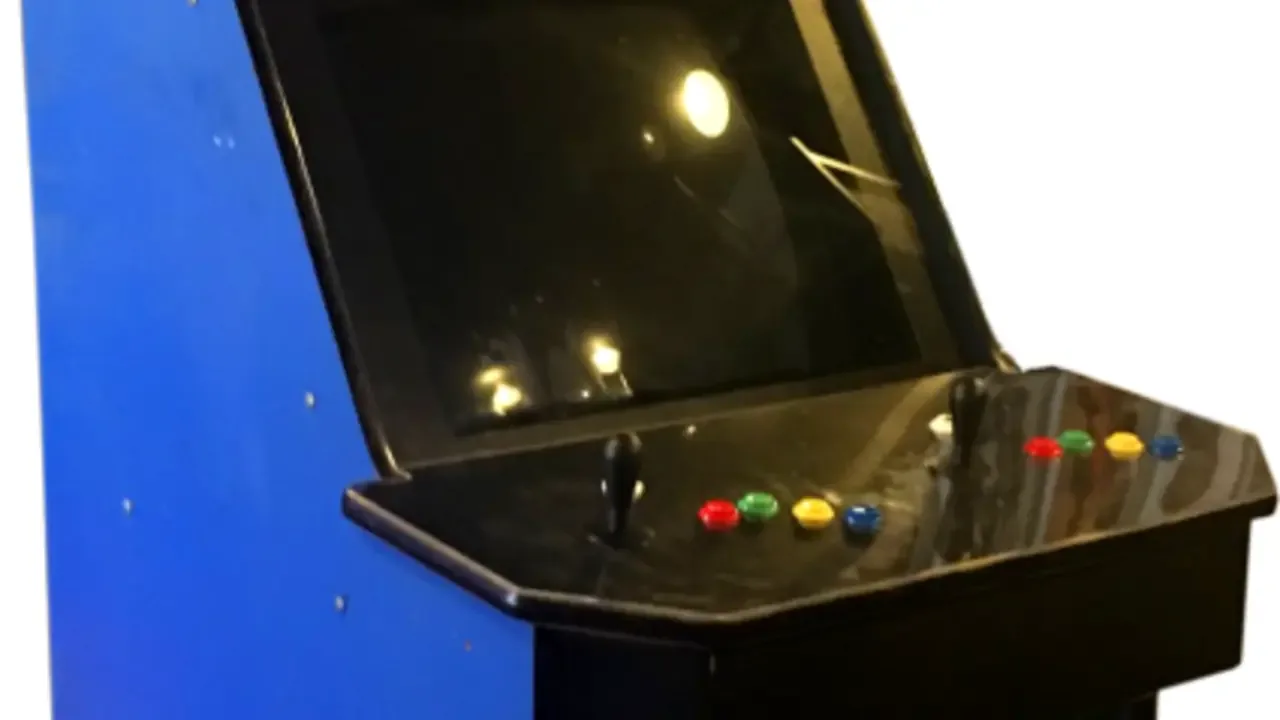
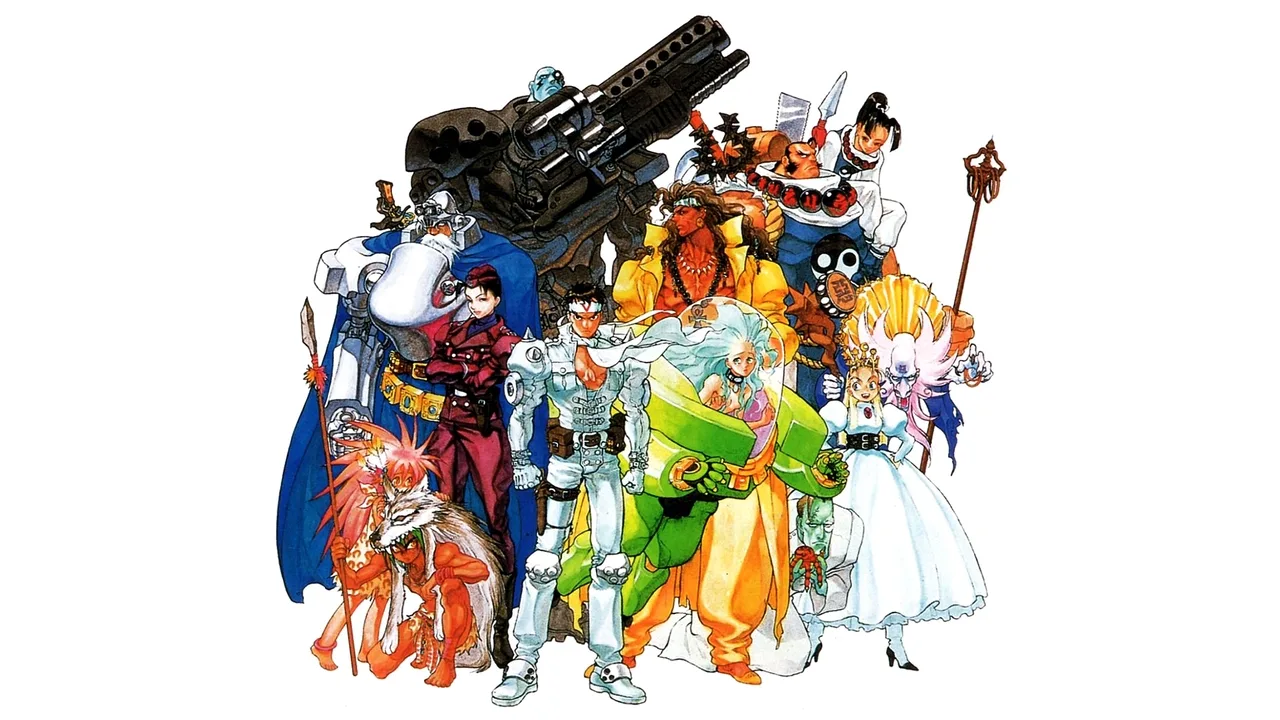
Cyberbots: Fullmetal Madness


Buy
Could be interesting
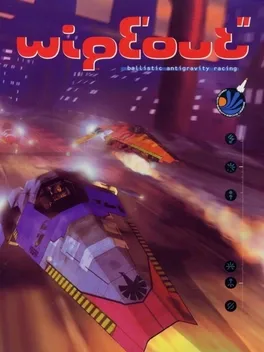
Wipeout is a racing game that is set in 2052, where players compete in the F3600 anti-gravity racing league. The game allows the player to pilot one of a selection of craft in races on several different tracks. There are four racing teams to choose from, and two ships for each team. Each ship has its distinct characteristics of acceleration, top speed, mass, and turning radius. By piloting their craft over power-up pads found on the tracks, the player can pick up various weapons and power-ups such as shields, turbo boosts, mines, shock waves, rockets, or missiles. The power-ups allow the player to either protect their craft or disrupt the competitors' craft.
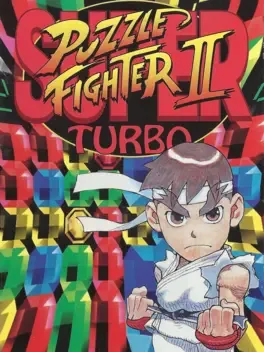
The game's title is a parody of Super Street Fighter II Turbo (or Super Street Fighter II X in Japan), as there are no other Puzzle Fighter games, and the game includes music and interface elements spoofing the Street Fighter Alpha and Darkstalkers games. It was a response to SEGA's popular Puyo Puyo 2 that has been sweeping Japanese arcade. A HD-remake version titled Super Puzzle Fighter II Turbo HD Remix, is available for purchase on Microsoft's Xbox Live Arcade and Sony's PlayStation Network.
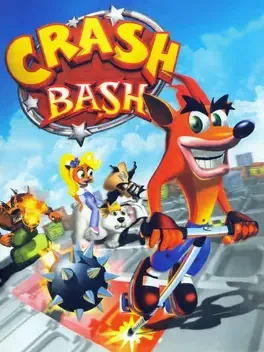
Crash Bash is a party game in which four people can play several mini-games as characters from the Crash Bandicoot series. The gameplay consists of 28 different mini-games and three distinct modes of play: Adventure, Battle, and Tournament. Crash Bash includes multiplayer compatibility for up to four human players with the use of the PlayStation Multitap. The games are organized from a central hub world from which spokes lead to different levels.
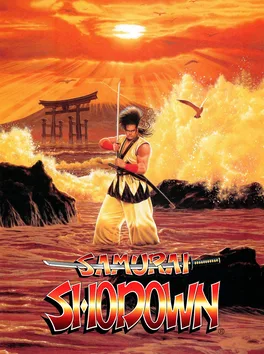
In early Japan, a man named Shiro Tokisada Amakusa preaches a heretic religion. Little does anyone know that Amakusa is really a servant of the evil Ambrosia, who took over Amakusa's body. Ambrosia wishes to shroud the world in darkness. Now, choose between 12 warriors (and 3 bonus characters) to fight for the honor of destroying Amakusa, and fulfilling a mission.
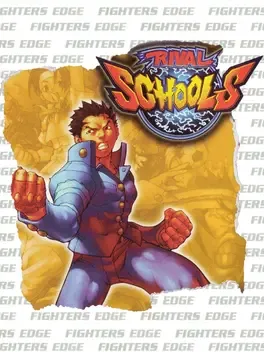
The main fighting game is best described as a polygonal Marvel vs. Capcom game, with some notable differences. Control wise, the game varies from other Capcom fighting games by only having four buttons (two punches and two kicks, which is closer to the SNK game format) rather than the standard six. A player chooses a team of two characters, and fights against another two character team. The actual fights, however, are one-on-one fights, with the partner only participating by being called in when a player has enough 'vigor' for a Team Up attack, done by pressing a punch and kick button of the same pressure. The Team Ups would be some kind of double team attack by the character and partner, or (for most female characters' Team Ups) would heal the main character or give them more vigor. After the end of a round, a player (win or lose) has a choice to fight the next round with the partner from the previous round, or to keep their main character in play. The 'vigor' meter (essentially a super meter) could go up to 9 levels, with Team Ups costing two levels and super moves from a single person all costing one level of vigor. Much like the Marvel vs. Capcom games, launchers can be done that allow air combos to be performed, with all characters having universal low and high launchers. The game also had a few defensive techniques. Tardy Counters acted much like Alpha Counters from Street Fighter Alpha, allowing a player to immediately counter-attack from a blocking position. However, the restrictions on Tardy Counters are very lax; any hard normal, special or super attack can be used to Tardy counter (Alpha counters are only limited to certain special moves for each character), and Tardy Counters do not cost any extra vigor to perform (Alpha Counters required at least a level of Super Combo gauge to do). Attack Cancels allowed a player to cancel an incoming hit simply by timing their own hit with the attack, which would cancel out both attacks (though it does not nullify the remaining hits of a multi-hit move). Also, one additional level of vigor is awarded.
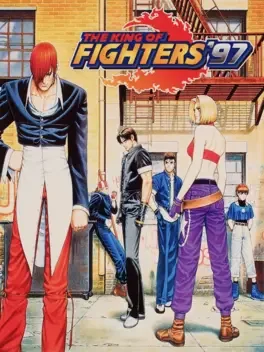
The King of Fighters '97 is a 1997 fighting game produced by SNK for the Neo Geo arcade and home console. It is the fourth game in The King of Fighters series. It was ported to the Neo-Geo CD, as well as the PlayStation and the Sega Saturn in Japan only.
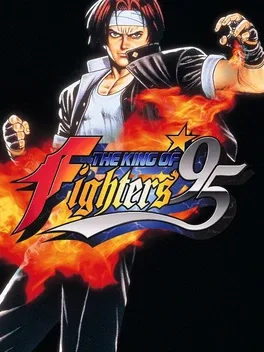
The King of Fighters '95 is a 1995 fighting game produced by SNK for the Neo Geo arcade and home console. It is the sequel to The King of Fighters '94 and the second game in The King of Fighters series. It is also the first game in the series to be ported to other home consoles besides the Neo Geo AES and Neo-Geo CD, with versions released for the PlayStation, Sega Saturn and Game Boy. It was also rereleased in The King of Fighters Collection: The Orochi Saga in 2008 for the PlayStation 2, PlayStation Portable and Wii. The King of Fighters '95 introduces Kyo Kusanagi's rival Iori Yagami, and firmly places Kyo as the main character for the rest of the series. The gameplay of The King of Fighters '95 is essentially unchanged from the previous title, though it does introduce the "team edit" concept which would remain as a standard feature of the series. Using the "team edit" feature, it is possible to create a totally customized team using any of the available fighters, or use one of the default teams if you wish.
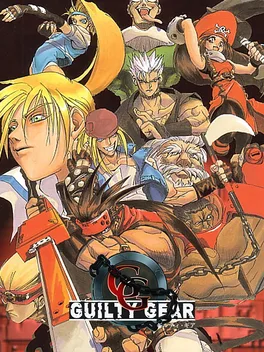
Guilty Gear is a 2D fighting game, in which you can play as one of 10 very different kind of characters. There is a selection of fighters from Holy Order knights, Armed Air Force soldiers, Mafia members and mad scientists. Each character has his/her own storyline that will be fully revealed during the final showdown. In battles, you can charge up for special attacks, as well as perform Deathblow moves, which would kill the opponent instantly. You can either choose to finish the Arcade mode, challenge your friends to a Versus battle, or either train your skills out in the Training mode.
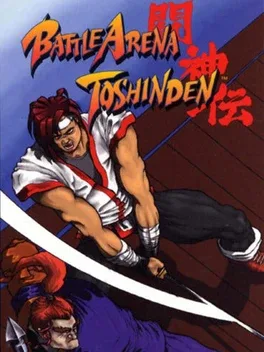
Get Ready To Rumble! The Toshin Daibukai tournament has arrived. Ten of the toughest fighters in the world are taking part in the most grueling slugfest known to man. To win, each combatant must be completely focused. One slip and their fate is sealed. Who will be crowned the champion? That is up to you. So get off your duff and get ready for the fight of your life with Battle Arena Toshinden!
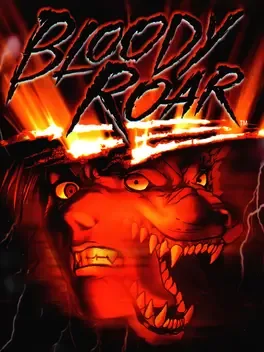
Bloody Roar, known as Bloody Roar: Hyper Beast Duel in Europe and Japan, is a fighting video game originally developed by Raizing (now Eighting) as an arcade game. It was later adapted for the PlayStation by Hudson Soft and published by Sony Computer Entertainment for the PlayStation. The arcade version was released on July 7, 1997 and was titled Beastorizer in North America. The PlayStation version was released in Japan on November 6, 1997, in North America (under the title Bloody Roar) on October 31, 1997 and in Europe on March 1998. Bloody Roar is the first game in the Bloody Roar video game series and was followed by four sequels on multiple platforms. The game's story centers on a group of warriors known as "zoanthropes", who have the power to transform into half-human half-animal "Beasts", and the Tylon Corporation, and underground organization that seeks to use zoanthropes as mind-controlled weapons. The game received generally positive reviews from critics for its originality and graphics, while the audio received mixed opinions. The game's success resulted in its re-release for The Best range on October 14, 1999. The game was re-released on the PlayStation Network in North America on August 20, 2009.