
Defender


Parent game
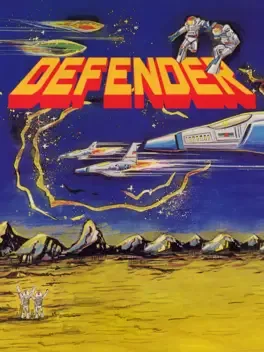
Defender is an arcade video game developed released by Williams Electronics in 1980. A shooting game featuring two-dimensional (2D) graphics, the game is set on a fictional planet where the player must defeat waves of invading aliens while protecting astronauts. Development was led by Eugene Jarvis, a pinball programmer at Williams; Defender was Jarvis's first video game project, and drew inspiration from Space Invaders and Asteroids. Williams planned to display the game at the Amusement & Music Operators Association (AMOA) trade show, though development delays resulted in the team working on the game up until the show started. Defender was commercially successful, selling over 55,000 units to become the company's best selling arcade game. Praise among critics focused on the game's audio-visuals and gameplay. It is frequently listed as one of Jarvis's best contributions to the video game industry, as well as one of the most difficult video games. Defender was ported to numerous platforms, inspired the development of other games, and was followed by sequels and many imitations.
Part of collection:
Defender
(last 3 games)
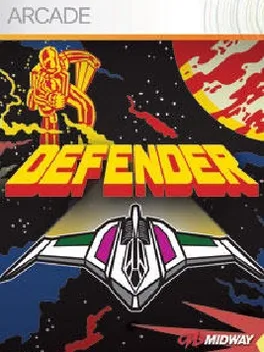
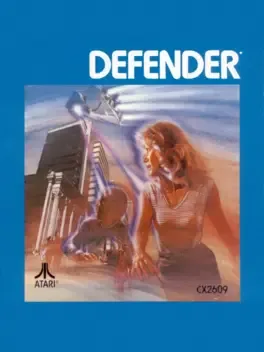
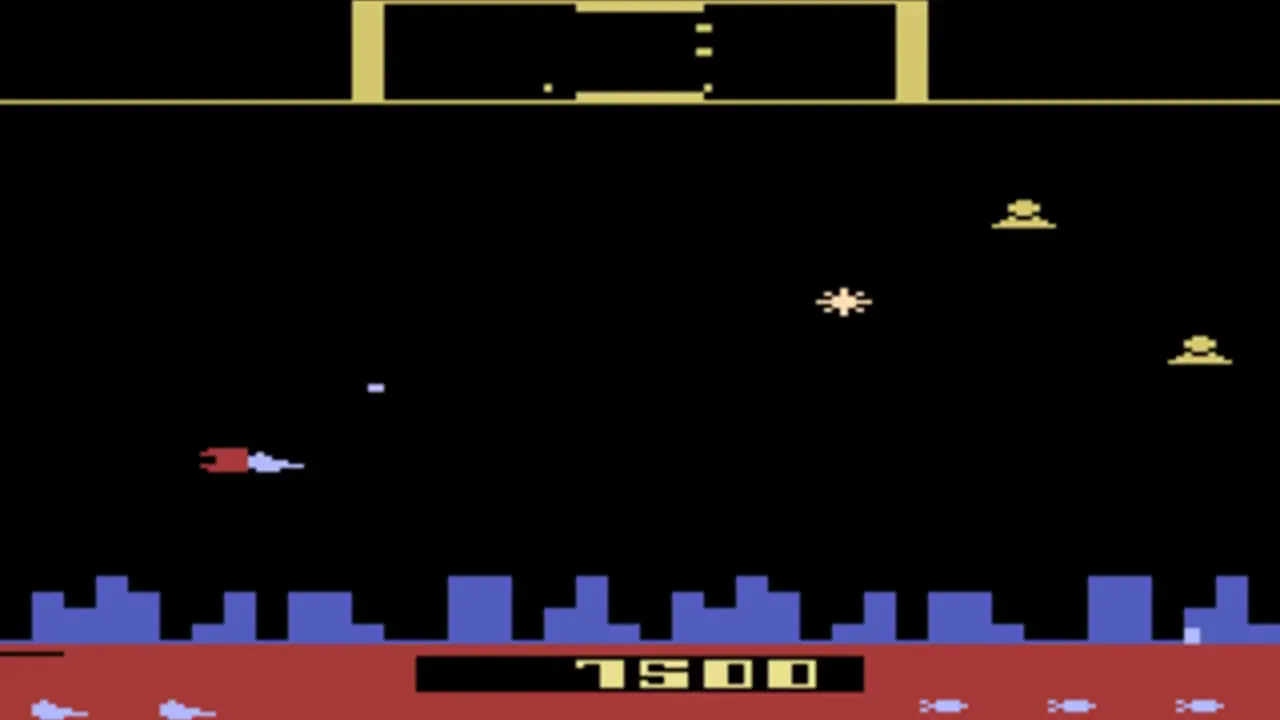
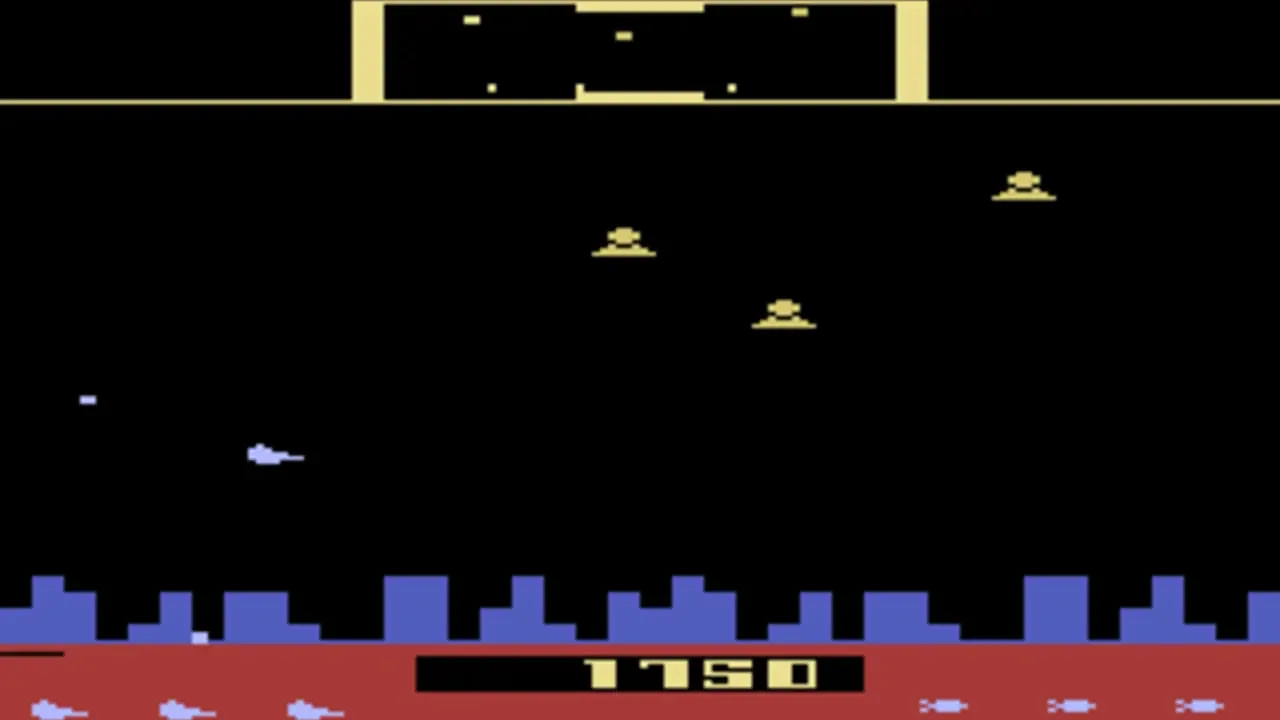
Defender put players in charge of a ship sent to protect mankind from wave after wave of attacking alien forces. Armed with smart bombs and the ability to use hyperspace to move quickly around the planet, the player ship must fight against Bombers, Pods, Swarmers, Baiters, and Landers - that can capture the humanoids and transform them into deadly and relentless Mutants. Fail to save the humanoids from freefall or Mutant transformation, and the planet is destroyed. Defender is a port with modern enhancements of the original 1981 arcade title released on Xbox Live Arcade on November 15th, 2006. On February 17th, 2010 Larry “Major Nelson” Hryb announced on Twitter that nine Midway Games had been removed from Xbox Live “due to publisher evolving rights and permissions”.

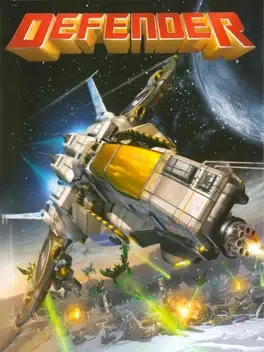
Released in conjunction with a 3D update of the classic arcade game on consoles, the Game Boy Advance version is also an update of the original, but retains its side-scrolling gameplay. The cartridge includes several variants of the game. The main mode is called "XGP". Its basics are the same as in the original: The player's spaceship flies left or right over a scrolling landscape that wraps around after a few screens. The goal is to destroy all invading aliens before they can capture the humans sitting on the ground. Besides updated graphics with various backgrounds and sprites for the enemies and humans, there are other differences as well: players can select from different ships, all with slightly different weapons and ratings for shields and speed. The XGP mode offers six different levels to complete. It can also be played by two players over the System Link. The cartridge also includes "Classic" mode, which is a port of the original arcade game. Finally, "XG" mode is the same gameplay-wise as Classic, but has been updated with graphics similar to the XGP mode.
Could be interesting

Star Trek: The Next Generation – Klingon Honor Guard is a first-person shooter set in the universe of Star Trek during the time of The Next Generation. The game was developed by MicroProse in 1998, using the Unreal game engine.

In the year 2010, a malicious virus has infected a virtual reality machine, the FireStarter. The intruding program has caused the computer to malfunction. The rules of the simulation have been altered in a potentially deadly manner, with the player's consciousness trapped inside. There is only one possible way to escape, by completing the game with a period of 48 virtual hours. The penalty for failing to do so is the ultimate one – real death.
"Hybrid is a multiplayer third person shooter in which two factions fight for world domination on a persistent world map. Take control of a soldier fighting for the Paladins or the Variants as they race to control the world's most powerful resource; Dark Matter. Your victories on the battlefield directly affect the course of the war!"

Join Section 9 in a first person shooter experience. Become a member of an elite force of cybernetically enhanced combat operatives dedicated to the defense of society, and use your advanced firepower, Tachikoma Tanks and unique cyber skills to bring down cyber terrorists in a connected world.
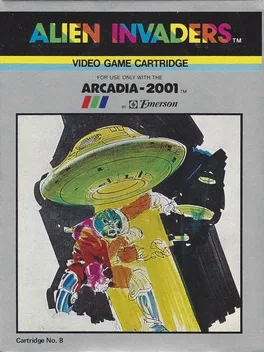
Alien Invaders is a variant of Space Invaders . A 14x5 rectangular formation of enemy spacecraft appears from the top of the screen, and slowly gets closer to the surface of the Earth. You control a mobile missile launcher that can shoot up at the invaders, while the aliens try to bomb you. As in Space Invaders, there are fortifications which can give you some shelter from the bombs, and these are slowly worn away as they are bombarded. There is also an enemy mother-ship that appears overhead, which gives you bonus points. But unlike Space Invaders, there is only one wave. Once the main enemy formation is defeated, you can only gain more points by aiming at the mother-ships until the five minute timer runs out.
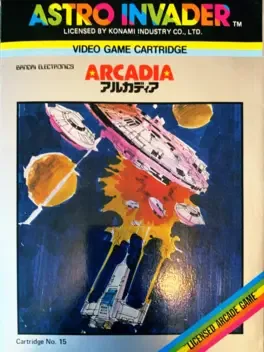
Astro Invader is a fixed screen shoot 'em up. The player moves their laser base across the bottom of the screen and has to shoot down the aliens that appear above. What sets Astro Invader apart from other early shoot 'em ups is that the aliens, after being dropped from their mothership, position themselves in columns. Once a column is full the lowest alien drops down and suicide dives towards the player. As they hit the ground they explode and the player must make sure they are not within the blast radius. In addition to the standard aliens there are also UFOs that appear in the middle and to the sides of the screen. These must be shot down as they will kill the player when landing, no matter where the player is positioned. The game is over when all three lives are lost.
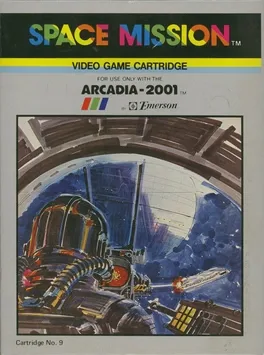
In this timed game, you have two minutes to build a space station from four pieces that are floating around in space.