
Densha de GO! 2


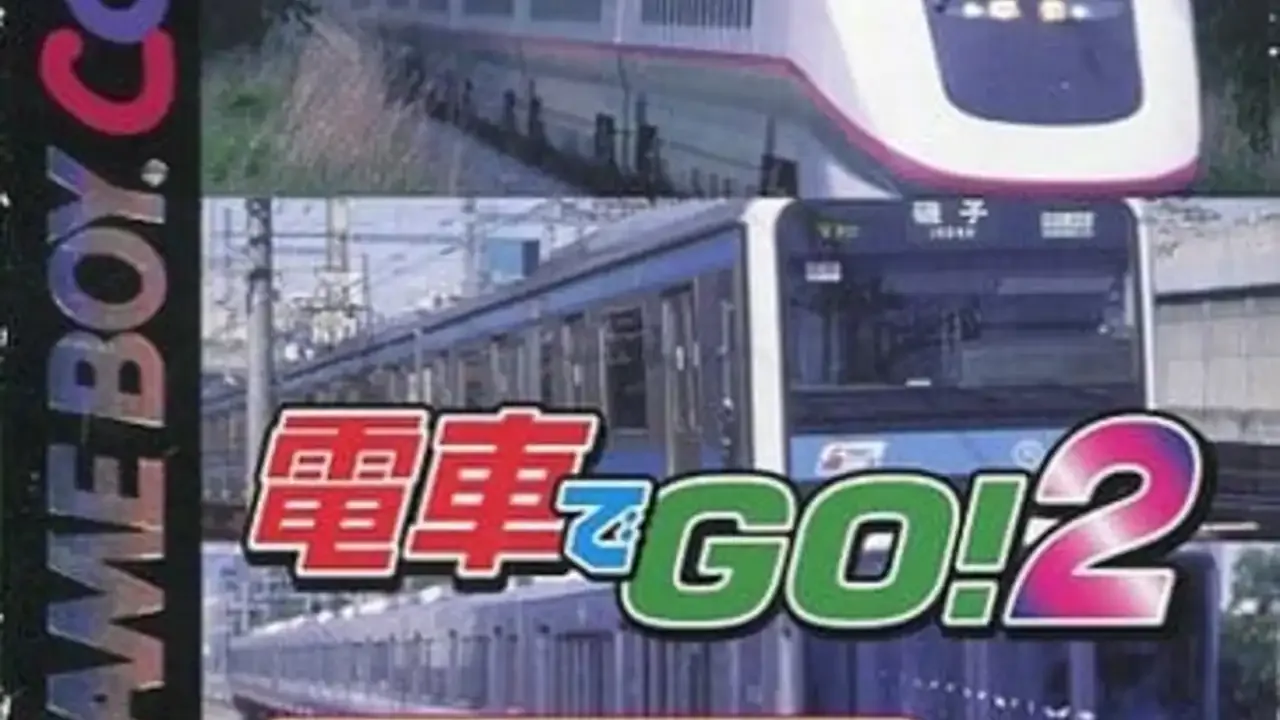
Parent game
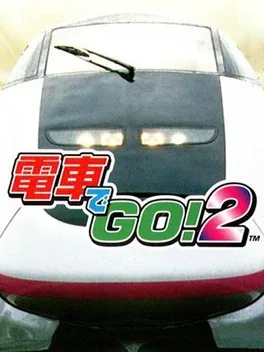
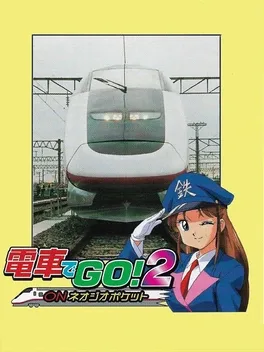
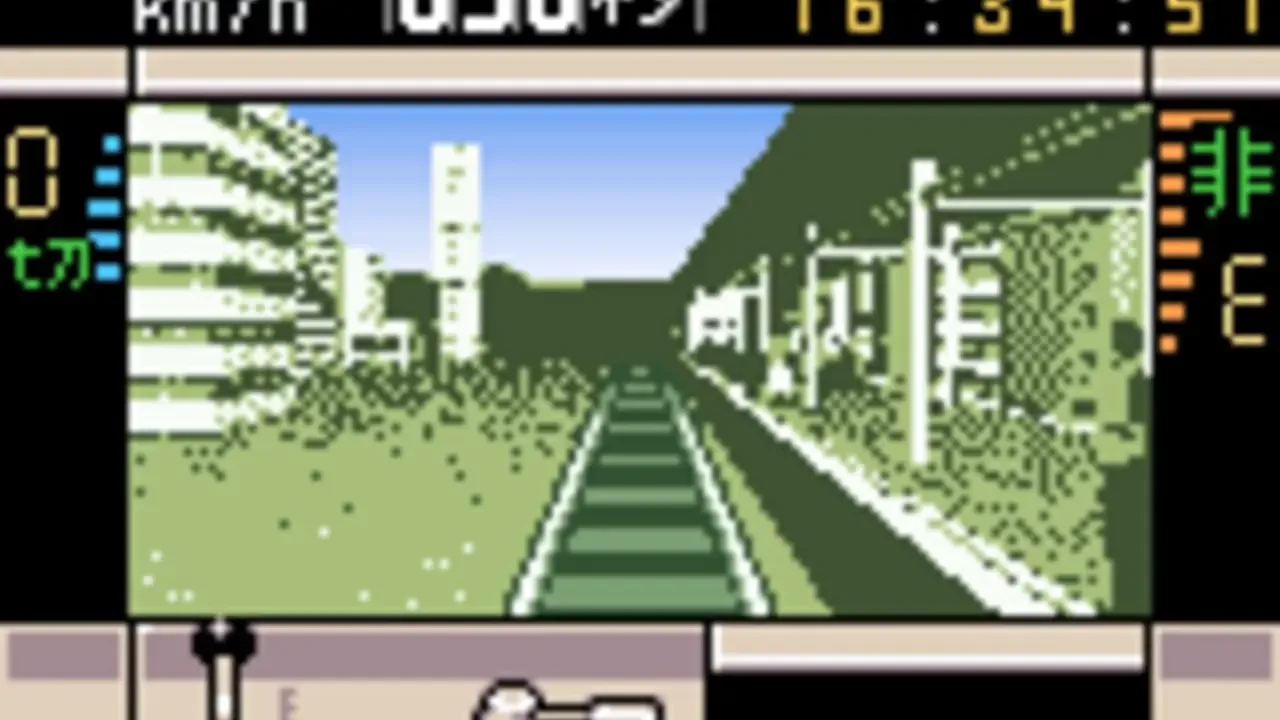
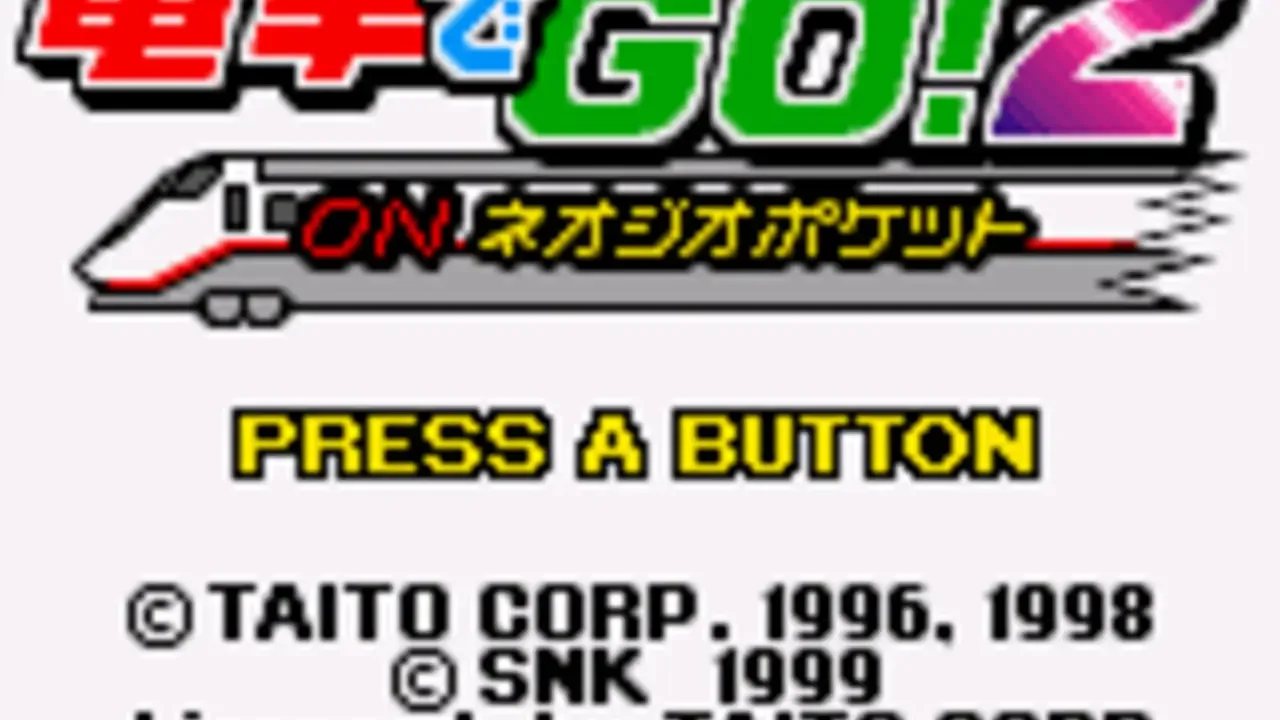
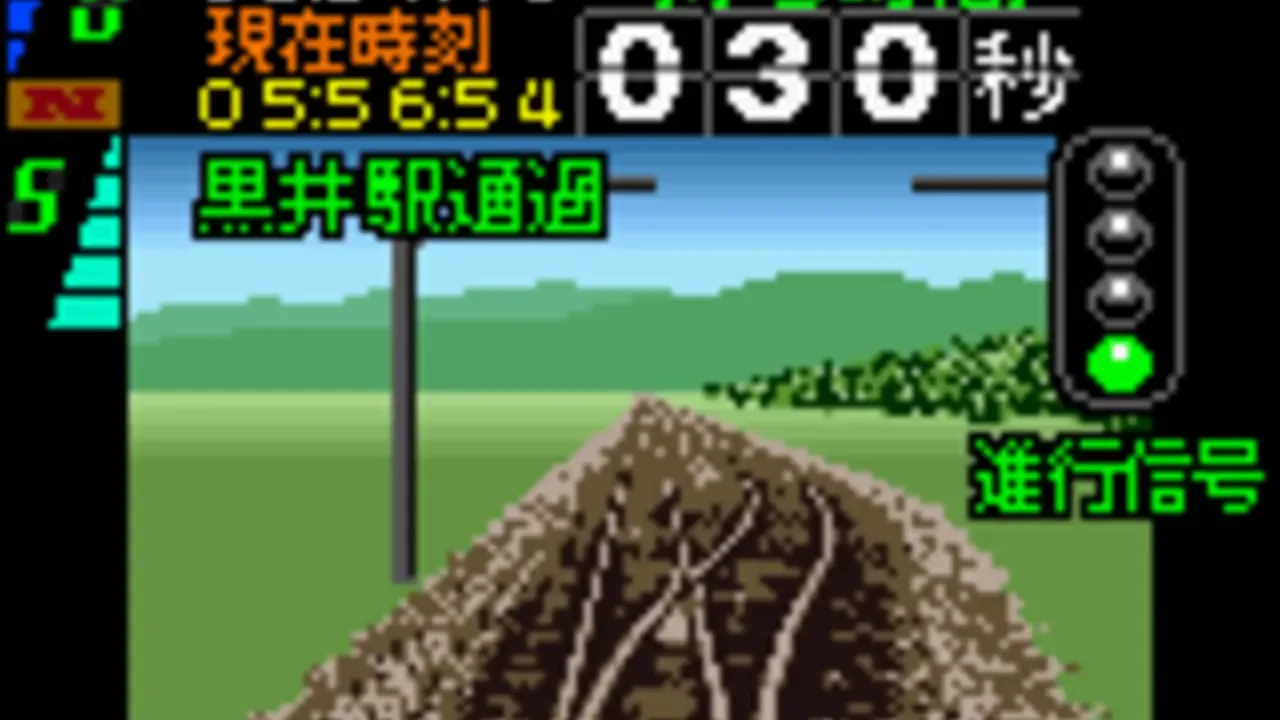
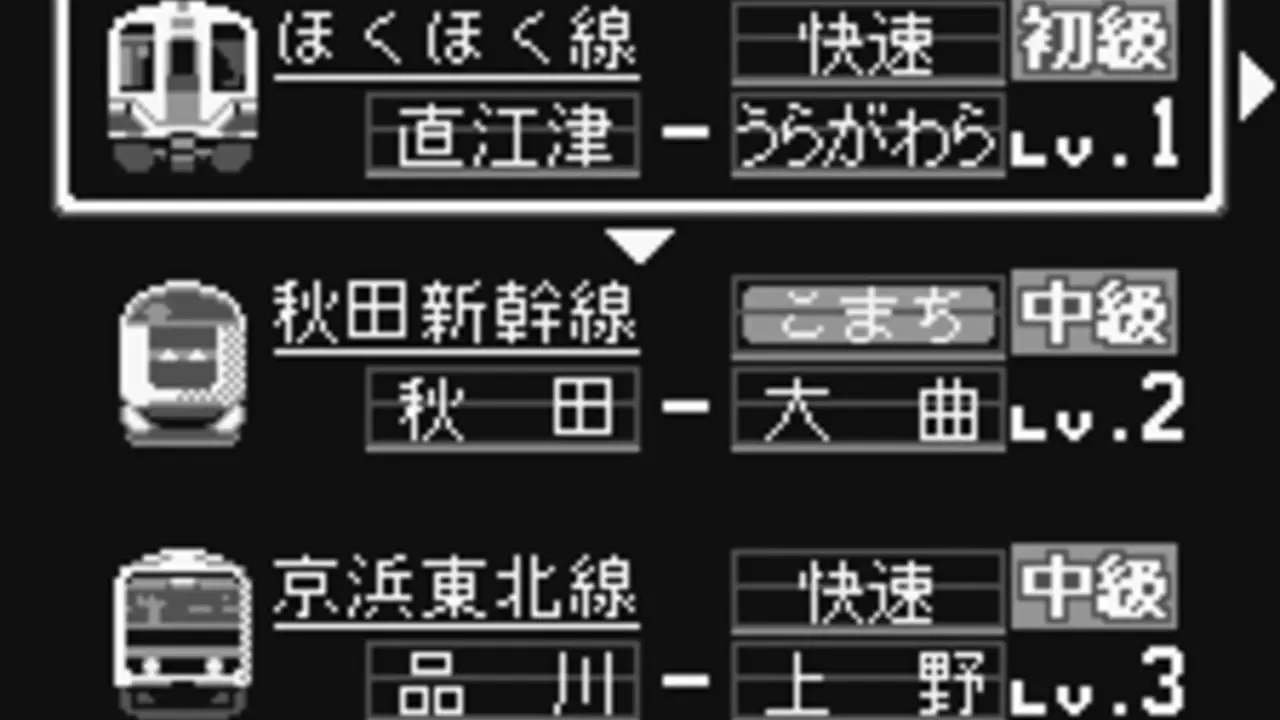
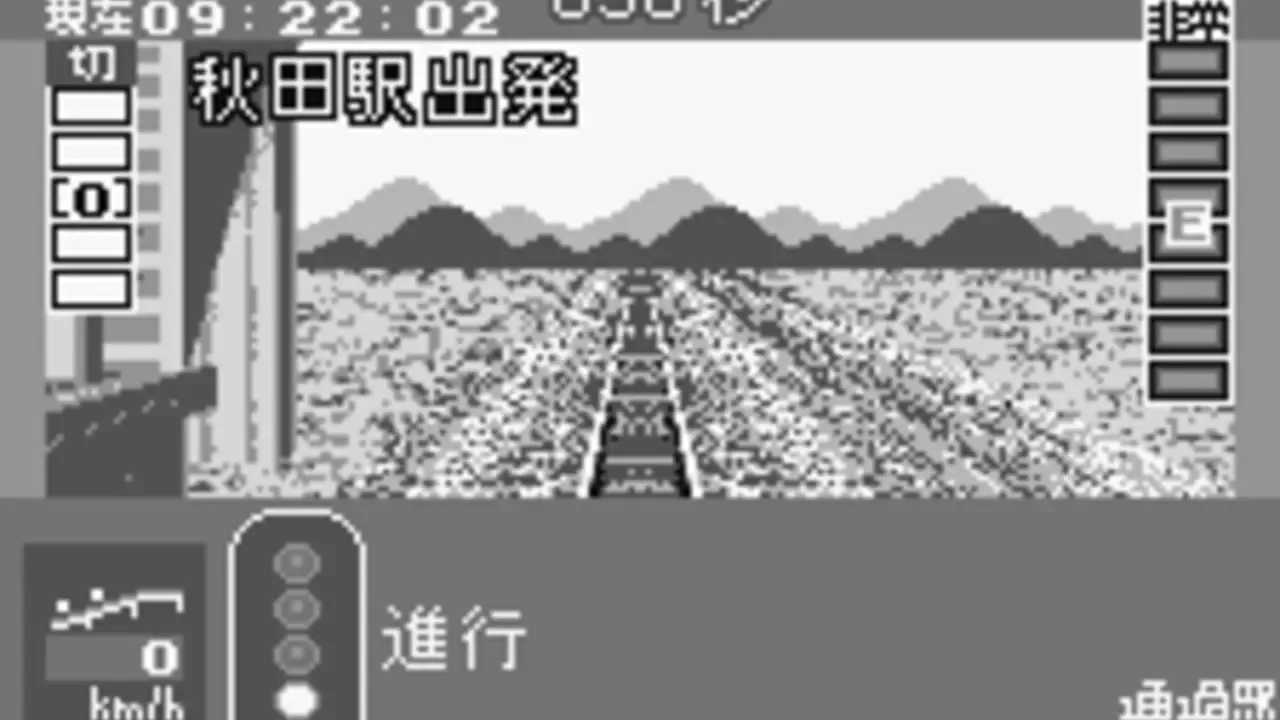
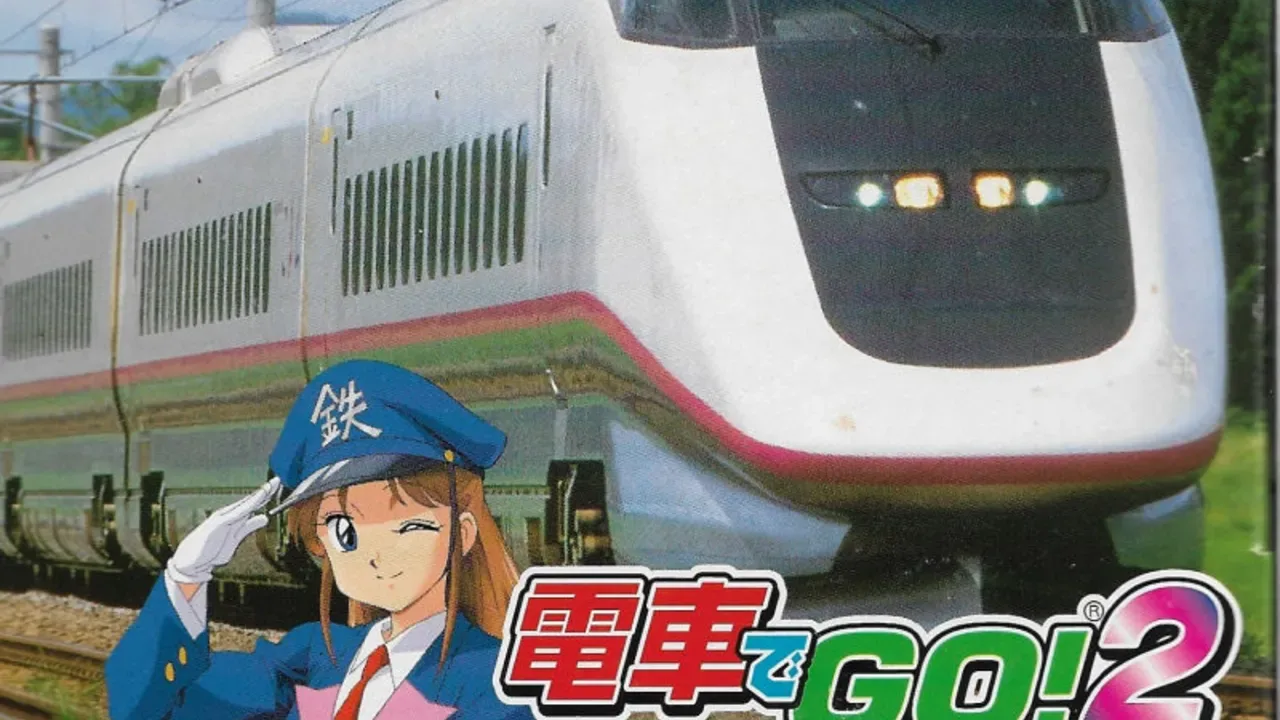
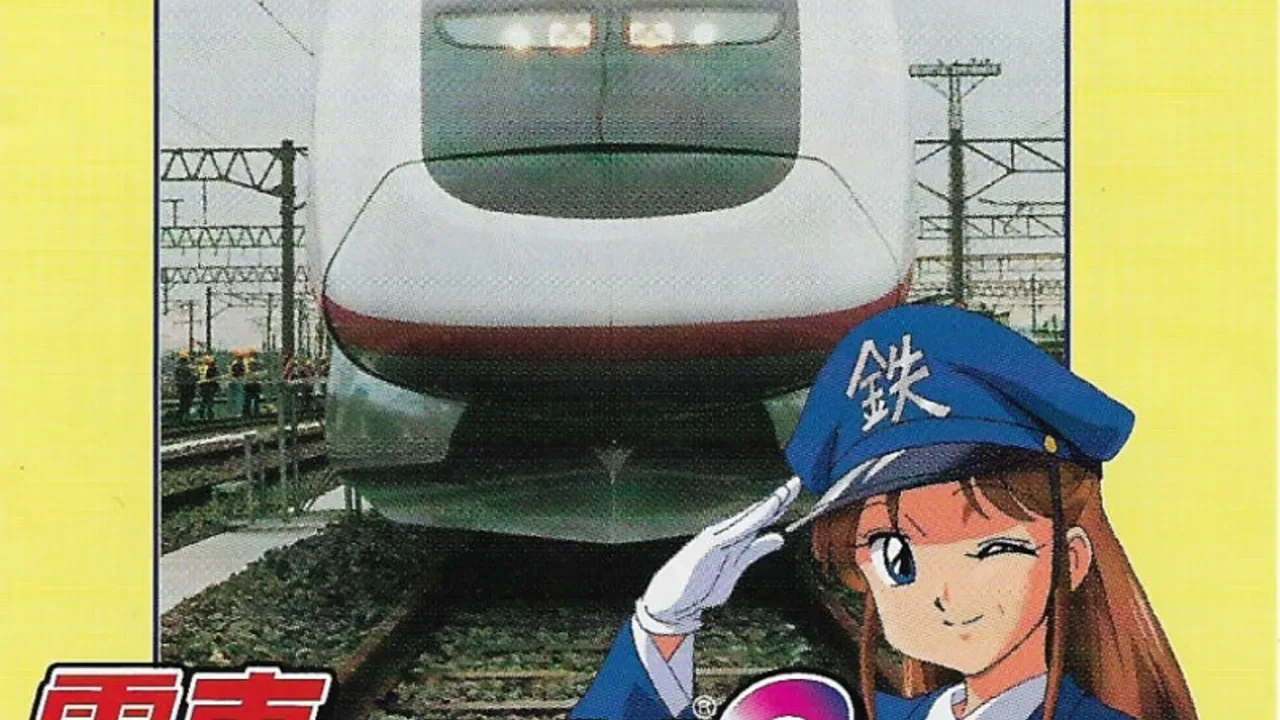
Densha de Go! 2 Kousoku-hen is a train driving simulation game. It was released in the arcades in Japan in 1998. It was ported to PlayStation, Nintendo 64, WonderSwan, Neo Geo Pocket Color, Windows, Dreamcast, and Game Boy Color. The Nintendo 64 version was titled Densha de Go! 64.
Part of collection:
Densha de Go!
(last 3 games)
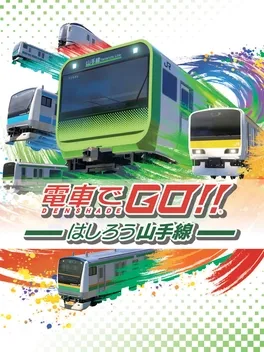
Densha de GO!! finally appears on consoles! Become a train conductor and go around the ever-popular Yamanote Line, now with the addition of the new Takanawa Gateway Station. Enjoy the best at-home train conductor experience while maintaining the the detail of the arcade version. Densha de Go!! Hashirō Yamanote-sen (loosely translated to "Go by Train!! Let's Run the Yamanote Line") is an electric train simulation game developed by Taito and released by Square Enix for the PlayStation 4 exclusively in Japan on December 3, 2020. It will be released on the Nintendo Switch on March 18, 2021. Based on the 2017 arcade game Densha de Go!!, Hashirō Yamanote-sen features the full Yamanote Line (as the original arcade version only included the southern part of it) as well as additional routes that run parallel with it (the Keihin-Tohoku Line, the Saikyo Line, the Ueno-Tokyo Line, and the Narita Express) and the part of the Chuo-Sobu Line from the arcade version. Additionally, this version includes a new objective-based campaign mode and PlayStation VR support.
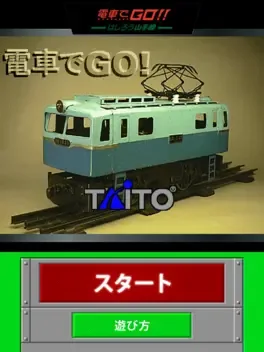
To celebrate the launch of Densha de GO!! Hashirou Yamanote-sen on consoles in 2020, Square Enix published a free mobile version of the original Densha de GO! on their official website in Japan. When viewing the website on a mobile device, the page automatically launched the 1997 game.
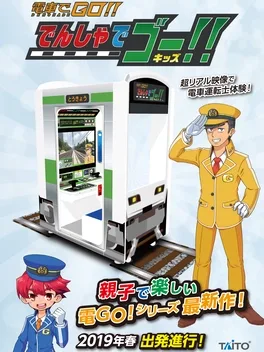
Densha de Go!! Kids (loosely translated to "Go by Train!! Kids") is an electric train simulation game developed by Taito and released by Square Enix for arcades (using PC-based Taito Type X4 hardware) in Japan on March 1, 2019. A spin-off of the 2017 game Densha de Go!!, Kids featured a simplistic single-screen arcade cabinet with a more child-friendly user interface and unique game rules (such as cleaning cartoon-ish obstacles from the window).
Part of franchise:
Densha de go
(last 3 games)
Densha de GO!! finally appears on consoles! Become a train conductor and go around the ever-popular Yamanote Line, now with the addition of the new Takanawa Gateway Station. Enjoy the best at-home train conductor experience while maintaining the the detail of the arcade version. Densha de Go!! Hashirō Yamanote-sen (loosely translated to "Go by Train!! Let's Run the Yamanote Line") is an electric train simulation game developed by Taito and released by Square Enix for the PlayStation 4 exclusively in Japan on December 3, 2020. It will be released on the Nintendo Switch on March 18, 2021. Based on the 2017 arcade game Densha de Go!!, Hashirō Yamanote-sen features the full Yamanote Line (as the original arcade version only included the southern part of it) as well as additional routes that run parallel with it (the Keihin-Tohoku Line, the Saikyo Line, the Ueno-Tokyo Line, and the Narita Express) and the part of the Chuo-Sobu Line from the arcade version. Additionally, this version includes a new objective-based campaign mode and PlayStation VR support.
To celebrate the launch of Densha de GO!! Hashirou Yamanote-sen on consoles in 2020, Square Enix published a free mobile version of the original Densha de GO! on their official website in Japan. When viewing the website on a mobile device, the page automatically launched the 1997 game.
Densha de Go!! Kids (loosely translated to "Go by Train!! Kids") is an electric train simulation game developed by Taito and released by Square Enix for arcades (using PC-based Taito Type X4 hardware) in Japan on March 1, 2019. A spin-off of the 2017 game Densha de Go!!, Kids featured a simplistic single-screen arcade cabinet with a more child-friendly user interface and unique game rules (such as cleaning cartoon-ish obstacles from the window).
Could be interesting
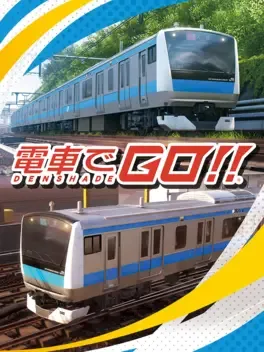
Densha de Go!! (loosely translated to "Go by Train!!") is an electric train simulation game developed by Taito and released by Square Enix for arcades (using PC-based Taito Type X4 hardware) in Japan on November 7, 2017. The first mainline arcade release of the Densha de Go! series in 14 years (after Densha de Go! Ryojou-hen), Densha de Go!! features a deluxe multi-monitor cockpit housing (with four screens, three large ones to form a panoramic view and one touchscreen to display ) resembling E231-500 series trains, and modern high-definition graphics built on Unreal Engine 4. While the game only included parts of the Yamanote Line and the Chuo-Sobu Line from the start, it received additional routes (with new vehicles) in regular bi-yearly updates (including parts of the Osaka Loop Line, the Hanshin Main Line, the Chuo West Line, and the Meitetsu Nagoya Main Line, as well as an extension of the Yamanote Line). In 2019, the game received an alternate "compact" cabinet resembling those used in the original arcade game. It also received two bonus "Fukkoku-ban" game modes, providing a faithful recreation of two of the original arcade games: one for Densha de Go! (on June 26, 2019) and one for Densha de Go! 2: Kousoku-hen 3000-bandai (on September 25, 2019). The game also received a child-friendly spin-off known as Densha de Go!! Kids, which uses a more simplistic cabinet. It later received a revamped console version for the PlayStation 4 and Nintendo Switch in 2020-2021 as Densha de Go!! Hashirou Yamanote-sen. This version is notable for having the full Yamanote Line, as well as routes parallel with it. On March 10th, 2021, the Keihein Tohoku Line was added.
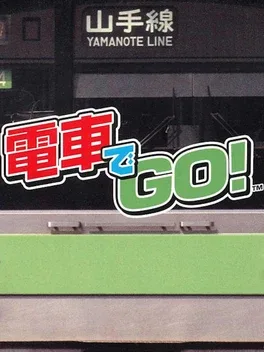
Densha de GO! is a 1997 train simulator arcade game developed and published by Taito in Japan. Players are tasked with driving a train, adhering to the schedule and obeying signals and speed restrictions. It features real-world train lines from Japan, including the Yamanote Line and Keihin-Tohoku Line. The game was ported to the PC, Sega Saturn, and PlayStation. The concept for Densha de Go! was inspired by designer Akira Saito's personal fascination with Japanese train lines and railroads. He wanted to create a game that allowed players to familiarize themselves with driving a train. The controls were his primary focus as he wanted them to be accurate and responsive, and to mimic the controls of a real train—his father worked for the Kyoto City Transportation Bureau Facilities Division, which made this easier to accomplish. Saito included real-world railroads and trains to appeal towards other railroad enthusiasts, thinking that it could also attract more "ordinary" players for its realistic, familiar theme. As arcades at the time were dominated primarily by racing and fighting games, he believed its unique concept could make it stand out. Densha de Go! is among Taito's most successful games, preceded only by Space Invaders. The PlayStation version sold over one million copies. The game was well-received by critics for its controls, attention to detail, and unique concept. Some felt that its home releases lacked enough content and had poor visuals. It was followed by a long series of sequels, spin-offs, and reimaginings, beginning with Densha de Go! 2 in 1999.
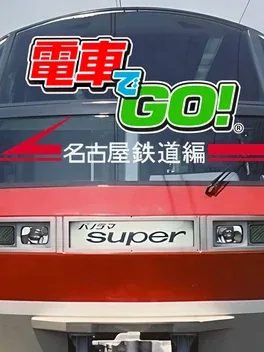
A release not seen in arcades, this Densha de Go! entry focuses on Meitetsu's railroad lines in Nagoya, including the series' only monorail. You play as a train engineer which serve the Meitetsu Nagoya line in Japan. There are many kinds of trains that you can drive, from express trains to monorails. Some trains are locked until you finish a mission, for example you can only drive monorails until you've finished the commuter and express train missions. All of the game parts, except the menu and station names, are in Japanese. In addition or the Meitetsu Nagoya Line, coverage includes Meitetsu Inuyama Line, Meitetsu Minomachi Line and Meitetsu Monkey Park Monorail Line. This was the first version to feature a monorail, and also featured a Meitetsu hybrid light rail route which ran both on regular train lines and as a sort of urban tram on special lanes in city streets. Part of the gameplay of this required the user to stop for regular traffic signals and avoid car traffic. This was the Densha de Go player's first opportunity to drive a vehicle much lighter (and thus shorter stopping distance) than standard trains. In this version, the driver must sound the horn before beginning to accelerate out of a station. This is unique to this title. The gameplay, physics, and strictness of this version were all somewhat relaxed compared to previous versions. The game was published by Taito for the Sony PlayStation in Japan on January 27, 2000. It was later ported to the PC by Unbalance on December 1, 2000. The PS1 version later received a re-release as part of D3Publisher's Simple 1500 series of budget games, as Simple 1500 Series Vol. 102: The Densha Untenshi - Densha de Go! Nagoya Tetsudou-hen, on August 29, 2002.
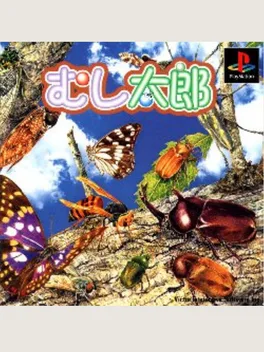
Mushi Taro is a great game for all kind of players that loves insects and nature. In the game the player controls a young boy that try to catch all the species of insects that he knows that are around his house. The game use a third person perspective for moving around the game map with the character, once the character find a place with insects the game changes to a first person perspective and features different kinds of species to catch and ways to catch them; Using a net, an insect, the boy hands, etc. Once the boy finishing catching all the species in a place he takes them to his collection and there the player can view all the insects that he catched and see their characteristics.

Sock and Awe is a minimal 2008 Flash game created by British entrepreneur Alex Tew, recreating the Bush shoeing incident and putting the player in the shoes of journalist Muntadar al-Zaidi who flinged a shoe at George W. Bush during a news conference.
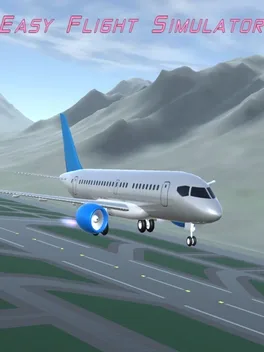
Have you ever dreamed to take commands of fantastic planes like jet, super jumbo, cargo or stunt plane? This game is a real flight simulator with commands designed to be easily taken over at all age. Fly from checkpoints to checkpoints showing your pilot skills in different weather and time of the day conditions and complete all levels. If you always wanted to fly but thought it was over complicated, this game will prove you can do it!
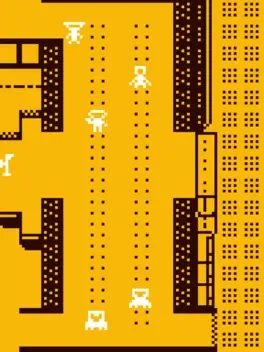
A game about meeting a friend online.
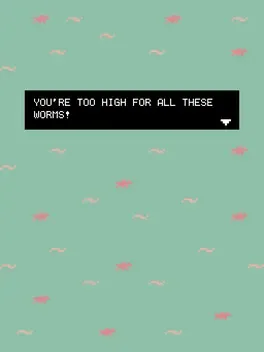
So basically it rained and then all the worms came out to hang out on the sidewalk but you were gunna take a walk but then you decided to just go ahead and take the walk but now you have to maneuver around all these worms and you're JUST TOO HIGH and may not be wearing shoes?!?!
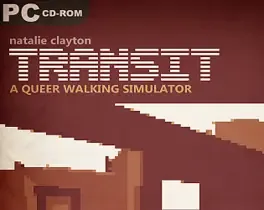
TRANSIT is a game about trains. TRANSIT is a game about hormones. TRANSIT is a short game about a Scottish trans woman who makes games about how much it kinda sucks trying to get on HRT.
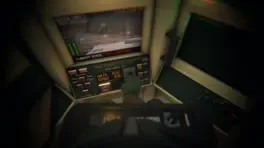
Rovonaut Comrade is a small experimental rover simulator made in 5 days for the 'Weekly Game Jam 129' The theme was 'Lost In Space'