
Drakengard


Buy
Part of collection:
Drakengard
(last 3 games)
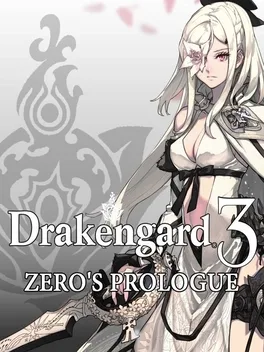
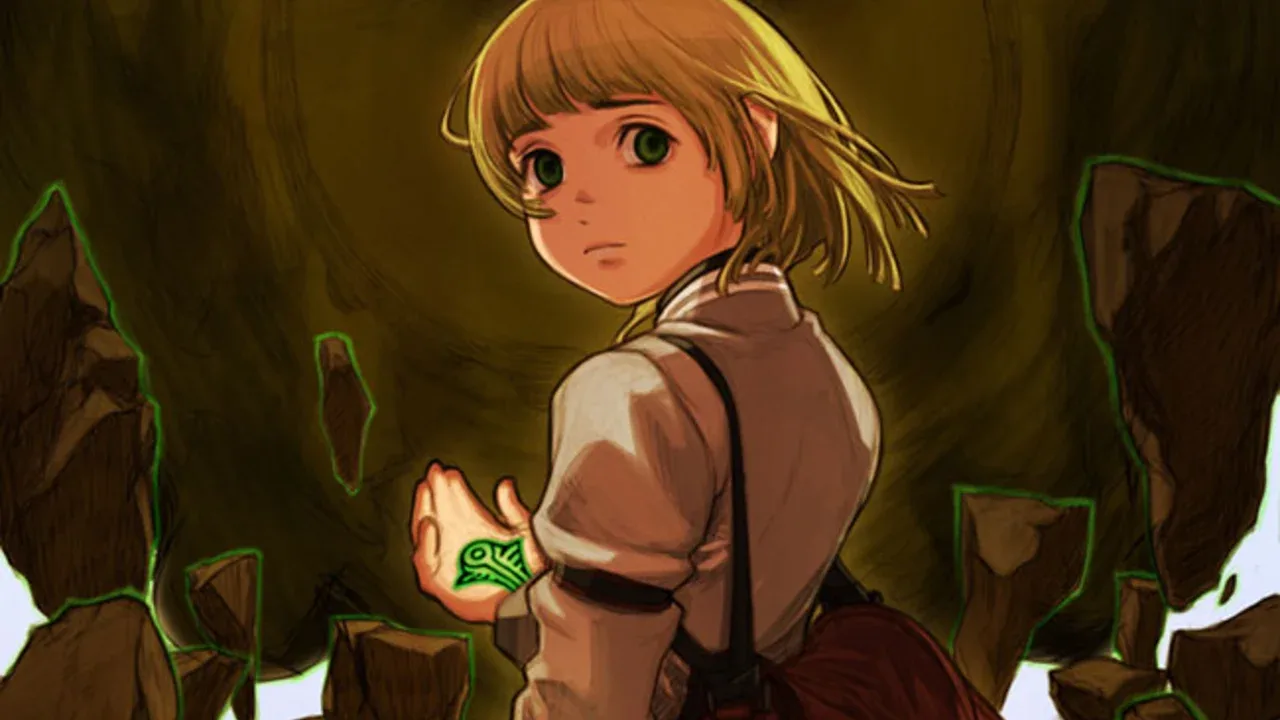
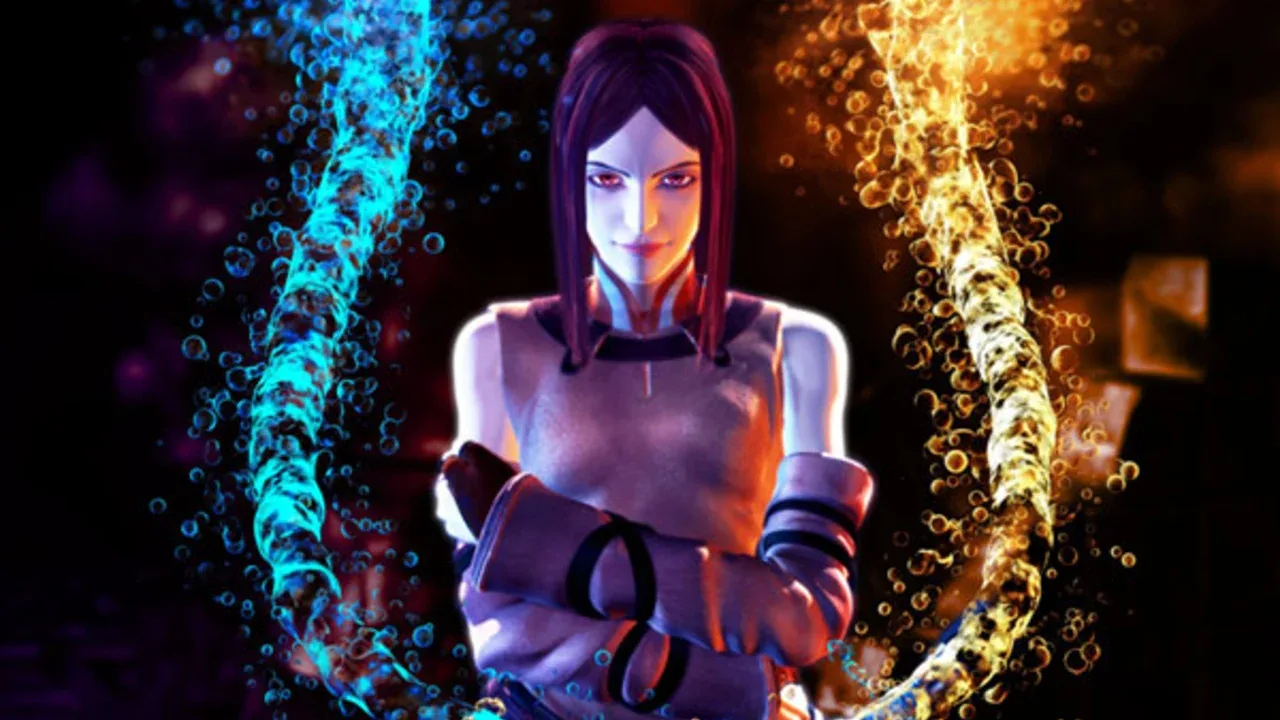
A prequel to the main chapters of the game about the story of Zero. It is an episode about how Zero met Michael. (Acquire Ending A to access this DLC).
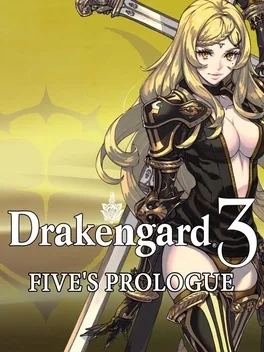
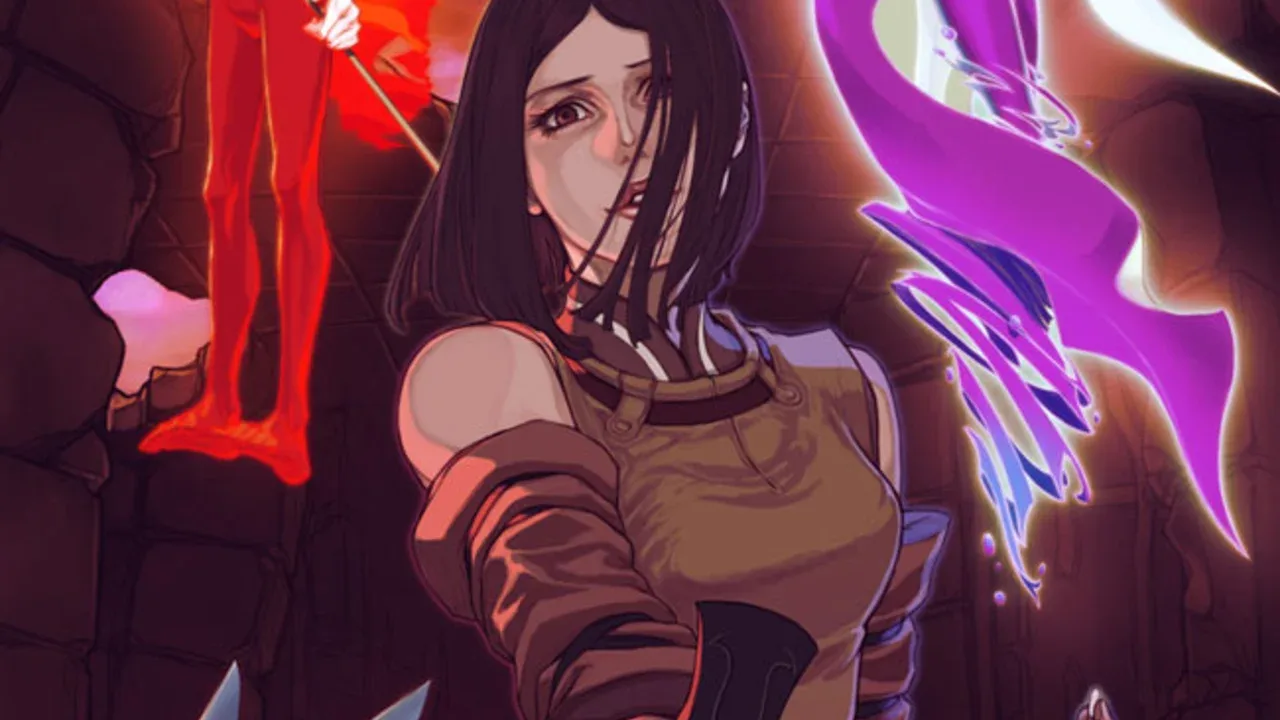
Play as Zero's Sister Five, in this additional level. A prequel to the main chapters of the game about the story of Five. Control Five and find out about her past episodes. (Acquire Ending A to access this DLC).
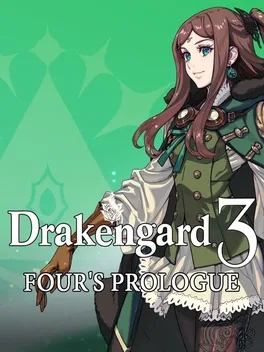
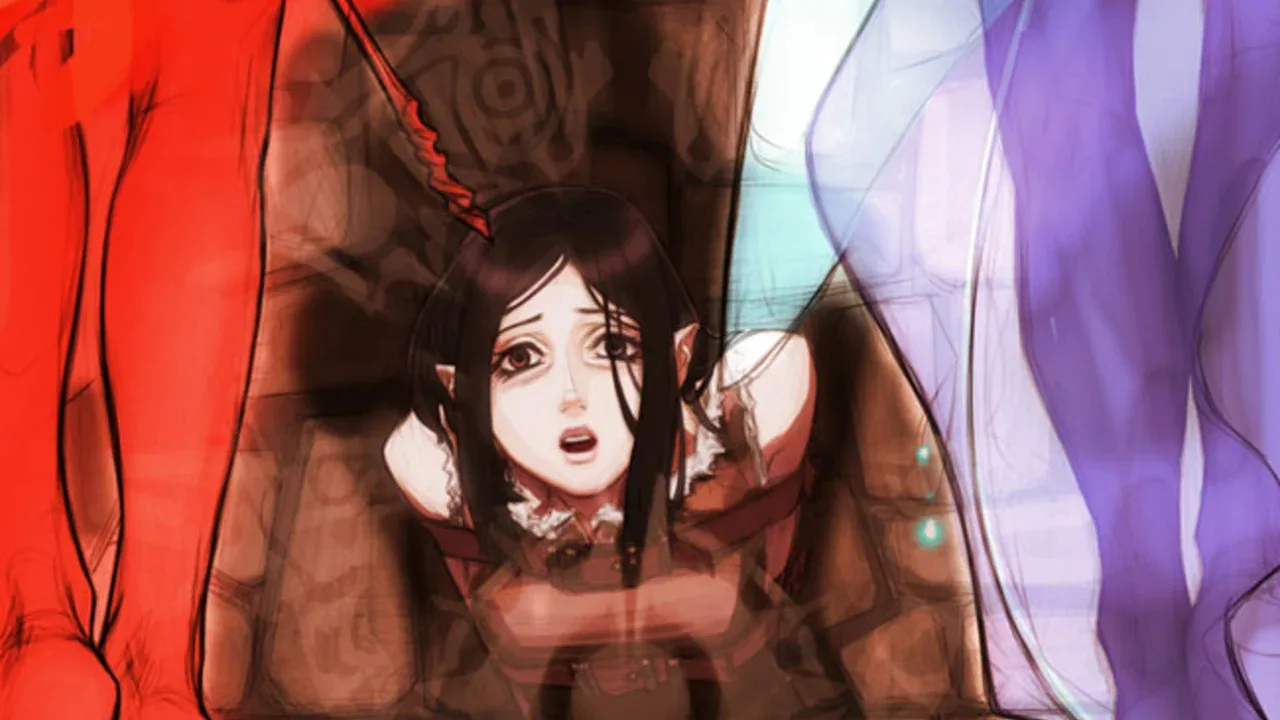
Play as Zero's Sister Four, in this additional level. A prequel to the main chapters of the game about the story of Four. Control Four and find out about her past episodes. (Acquire Ending A to access this DLC).
Part of franchise:
Drakengard
(last 3 games)
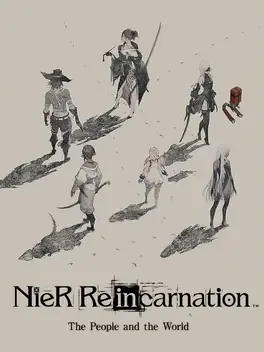
The People and the World is the third and final story arc of NieR Re[in]carnation, revolving around previously encountered memory characters within The Cage.
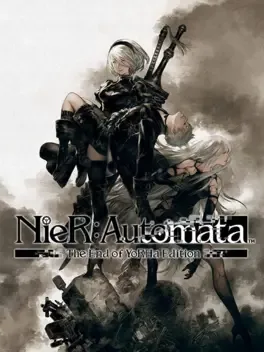
NieR: Automata tells the story of androids 2B, 9S and A2 and their battle to reclaim the machine-driven dystopia overrun by powerful machines. The NieR: Automata - The End of YoRHa Edition includes the game itself and comes packed with DLC and bonus content for the full experience of the award-winning post-apocalyptic action RPG.
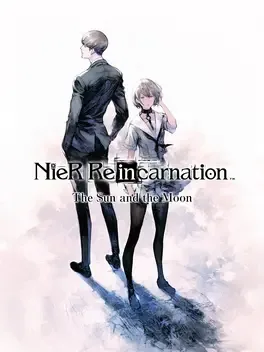
Also known as Season 2 from NieR Re[in]carnation, The Sun and the Moon is the second story arc of this game revolving around high school students Hina Akagi and Yuzuki Kurezome traversing The Cage. This arc differs from the first in that the player chooses which character to play at the start through a series of questions, and the selected character's stories are explored at the end of each chapter. With this update, new characters, areas, and events joined the world of NieR Re[in]carnation.
Could be interesting
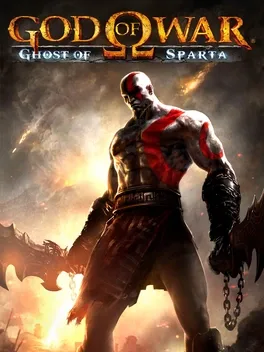
"Marking Kratos' second foray into portable gaming, God of War: Ghost of Sparta stands as a spin-off nestled between the events of God of War and God of War II. Despite ascending to the title of the god of war, Kratos remains haunted by nightmarish visions. One such vision compels him to embark on a new journey when he witnesses his mother, Callisto, imprisoned in Atlantis under the dominion of the sea god Poseidon. Against Athena's counsel to ignore the vision, Kratos sets forth to unravel his past and, in the process, rescue his long-lost brother, Deimos, from the clutches of the god of death, Thanatos. This second instalment for the PlayStation Portable (PSP) maintains a gameplay style akin to its predecessor, introducing a handful of new mechanics. Kratos wields his trusty Blades of Athena in this quest, now augmented with a new magic known as Thera's Bane, amplifying the potency of his attacks. The game also introduces several new magical items and a fresh secondary weapon. In addition to the captivating story mode, Ghost of Sparta offers the "Temple of Zeus," a location where players can spend orbs acquired in the Battle Arena to acquire various art and other bonuses."
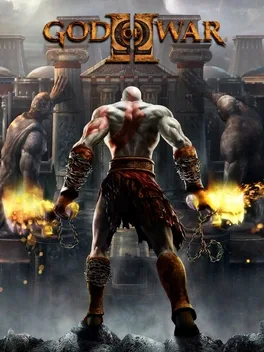
God of War II, an action-adventure hack-and-slash video game, was developed by Santa Monica Studio and published by Sony Computer Entertainment (SCE). Initially launched for the PlayStation 2, it serves as the second installment in the God of War series, the sixth in chronological order, and a sequel to 2005's God of War. The game is rooted in Greek mythology and unfolds in ancient Greece, revolving around the theme of vengeance. The protagonist, Kratos, is the new God of War, having defeated the former, Ares. However, Kratos is betrayed by Zeus, the King of the Olympian gods, who not only strips him of his godhood but also kills him. Dragged slowly to the Underworld, Kratos is rescued by the Titan Gaia, who guides him to seek out the Sisters of Fate. These entities have the power to enable time travel, allowing Kratos to prevent his betrayal, and ultimately seek revenge on Zeus.

A third-person action RPG with cooperative and competitive multiplayer elements in which the player enters the kingdom of Boletaria as it is being ravaged by a fog that spawns murderous demons. The player has to hunt down the arch demons situated in five disparate areas within the kingdom and partake in punishing combat to reach the Old One, the vengeful being that brought the fog to Boletaria.
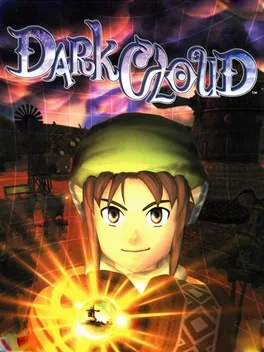
One of the PS2's first RPGs, Dark Cloud is a title that challenges players to not only strategise, battle and solve puzzles, but also to create geographical landscapes using the new Georama system. Gamers assume the role of a young boy named Toran on an unforgettable journey of rebirth, revival and hope. Unfortunately an evil demon spirit has been released and has left destruction in its wake and Toran must harness the spirit of those destroyed to rebuild the lands in time for an epic confrontation. True to life graphics should mesmerise gamers as they create villages complete with houses, hills, churches, volcanoes, and streams; they'll even be able to control the weather!
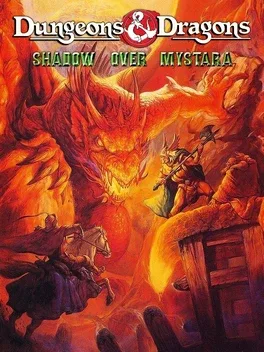
Shadow over Mystara is a side-scrolling beat-'em-up with role-play elements that make it stand out from other similar games released at the time. In addition to the original four heroes found in its predecessor, Dungeons & Dragons: Tower of Doom (Cleric, Dwarf, Elf and Fighter), Shadow of Mystara adds a Thief and a Magic-User to the selection. Furthermore, with the inclusion of two separate versions of each character's sprite set, the game allows up to two players to select the same character (in Tower of Doom each of the characters could only be selected once), effectively giving the game 12 "different" characters to choose from. The two Clerics and two Magic Users also have subtle differences within their spell books. The controls are using four buttons: Attack, Jump, Select (brings up a small inventory ring around the character allowing the player to choose what item is set in the Use slot) and Use. The Cleric, Elf and Magic-User also have two extra rings for their spells, with the Jump button used to switch from ring to ring. While the game uses the same kick harness as the previous game, the Select and Use buttons are reversed. Shadow over Mystara also introduced a selection of special moves which are executed by moving the joystick and tapping the buttons in certain combinations, in a way similar to the Street Fighter series. The characters (except for the Magic-User) have a Dashing Attack as well as a Rising Attack which can be used to combo monsters or even juggle them in the air. Most characters (again, with the exception of the Magic-User and also Cleric) also have a Megacrush, a move common to nearly all of Capcom side-scrollers, which damages all enemies standing close enough to the character but in turn also damaging the player themselves.
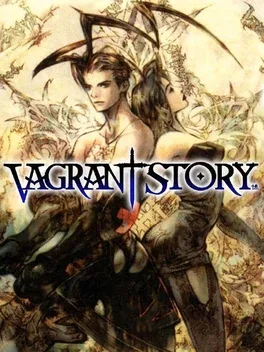
Adventure into a world of unparalleled depth and danger with SquareSoft's Vagrant Story. In this sweeping dungeon-crawling epic you play as Ashley Riot, a young assassin and spy for the organization known as Riskbreakers. Your goal is to unravel a deep and twisted plot and come to terms with the recent death of your wife and child. If this sounds a bit too cerebral never fear. Your path to recapturing your sense of humanity hinges on the destruction of countless vicious monsters and the exploration of dark and dangerous dungeons. Vagrant Story is awash in gorgeous scenery and features designs from Yasumi Matsuno and Akihiko Yoshida, the acclaimed artists and creators behind Final Fantasy Tactics.
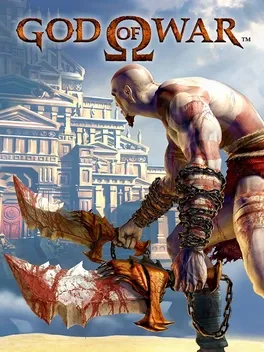
God of War is an action-adventure hack-and-slash video game developed by Santa Monica Studio and published by Sony Computer Entertainment (SCE). Initially launched for the PlayStation 2, the game stands as the first instalment in the God of War series and the third in chronological order. Loosely inspired by Greek mythology, it unfolds in ancient Greece with vengeance as its central theme. The player takes on the role of Kratos, the protagonist, a Spartan warrior devoted to the Olympian gods. Tasked by the goddess Athena, Kratos is assigned to eliminate Ares, the God of War and Kratos' former mentor. Ares had deceitfully manipulated Kratos into killing his wife and daughter. As Ares attacks Athens fueled by hatred for Athena, Kratos embarks on a quest to locate Pandora's Box, the sole object capable of permanently stopping the vengeful god.
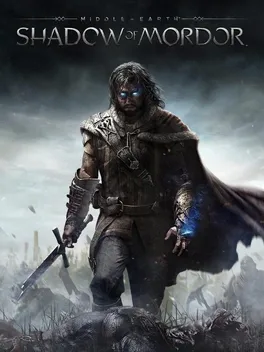
Middle-earth: Shadow of Mordor is a open world third-person action role-playing video game developed by Monolith Productions and published by Warner Bros. Interactive Entertainment, which takes place in the world of J.R.R. Tolkien's Legendarium. The game takes place in the 60-year gap between the events of Tolkien's The Hobbit and The Lord of The Rings. It is a story of revenge, slaughter, and mystery set entirely in Mordor, the Land of Shadows. At its center is Talion, an ordinary man who loses everything, including his mortal life. The game is set in a fully open world, and features various role-playing game elements such as experience points and skills. There are various ways the player can complete their main objective. Aside from the main storyline, there are various side quests and random events the player can complete within Mordor. The melee system is inspired by that of the Batman Arkham series. Getting into a good fighting rhythm, using both regular attacks and counter-attacks will improve the player's combo multiplier. A unique feature of Middle-earth: Shadow of Mordor is the Nemesis system. Every enemy in the game has their own name, rank, and memory. These enemies will continue to do their own jobs and tasks even when they're off screen. If the player does not kill an enemy in an encounter, this enemy will remember the player and change their tactics and conversations based on the encounter.
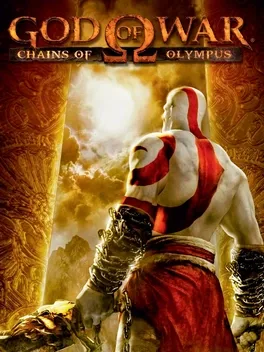
Kratos makes his inaugural appearance on a portable gaming platform in the third instalment of the God of War series. Chains of Olympus serves as a prequel, unfolding its narrative a decade before the events in the original God of War. While retaining the familiar gameplay dynamics of its predecessors, subtle modifications enhance the overall experience. Kratos embarks on a journey through various levels, engaging in relentless combat against foes and formidable bosses, deciphering puzzles based on manipulating boxes, and participating in quick-time events. Throughout his odyssey, he amasses red orbs to fortify his weapons and abilities, secures Gorgon eyeballs to augment his health, and acquires Phoenix feathers to amplify his magical prowess. The game's controls underwent refinement to harmonize with the reduced button configuration of the PSP. Dodging, for instance, now necessitates the utilization of both shoulder buttons and the analogue stick. The iconic Blades of Chaos, synonymous with the God of War series, make a return, accompanied by an array of new weapons and magical spells such as the Sun Shield, Efreet spell, and Light of Dawn. The narrative unfolds as the Gods dispatch Kratos to the city of Attica, charging him with the defence against an encroaching Persian army. However, as Morpheus unleashes chaos, Kratos finds himself compelled to harness his formidable powers to once again rescue the world from impending doom.
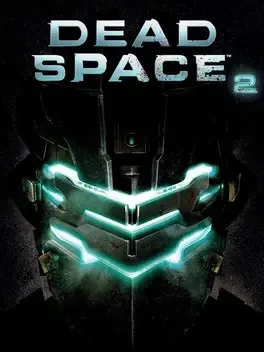
Three years after the Necromorph infestation aboard the USS Ishimura, Isaac Clarke awakens from a coma, confused, disoriented, and on a space station called The Sprawl. Just as his health begins to improve, The Sprawl is overrun with even more advanced forms of the alien-zombie hybrids.