
Esper Dream 2: Aratanaru Tatakai


Buy
Part of collection:
Esper Dream
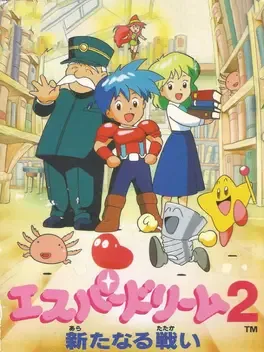
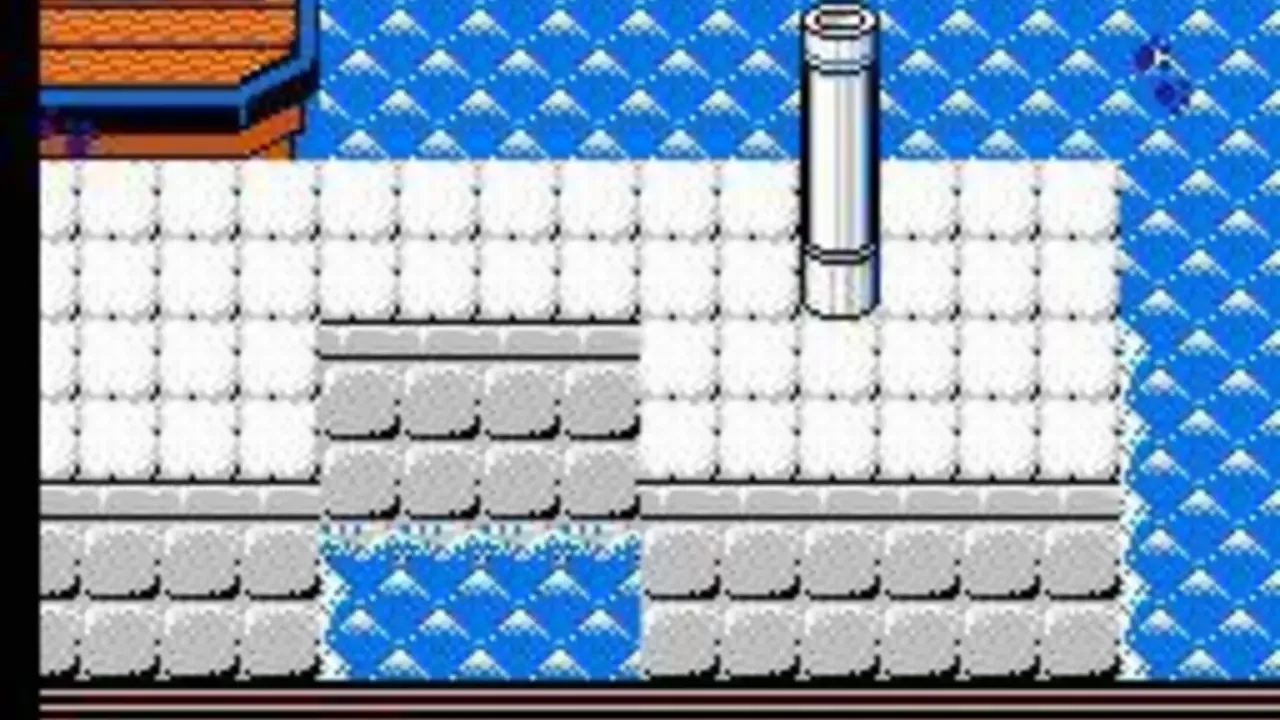
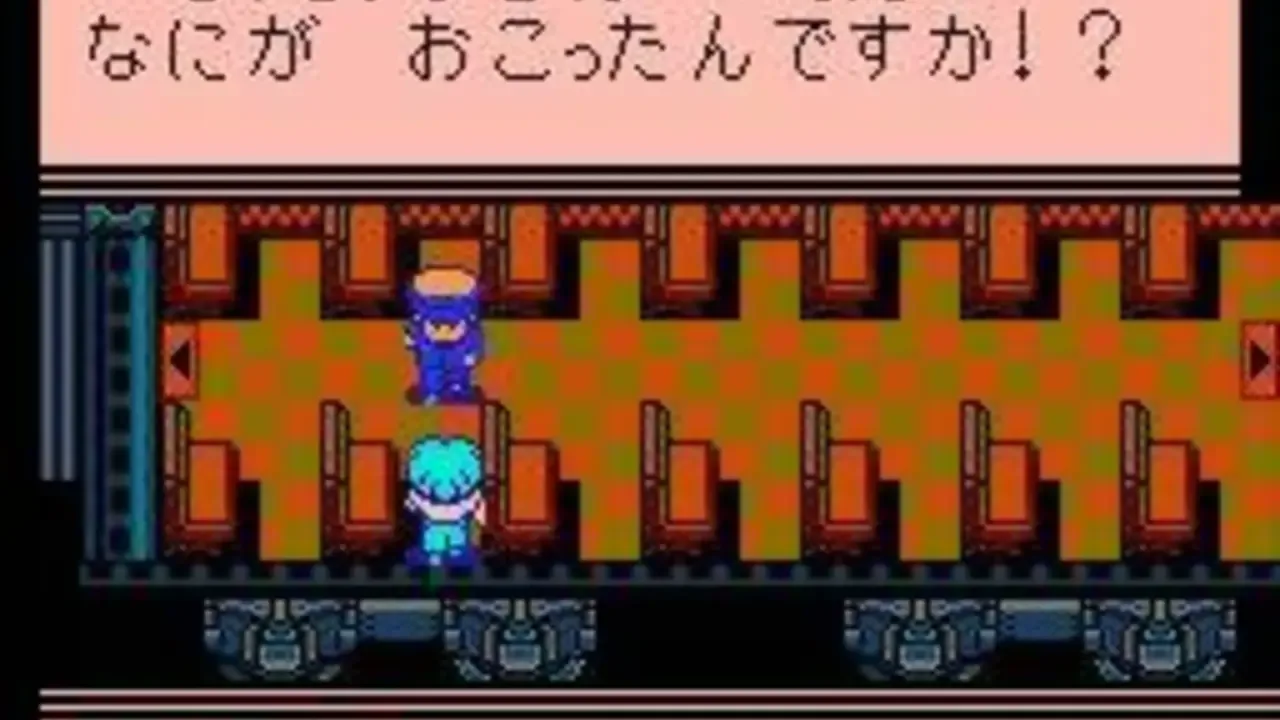
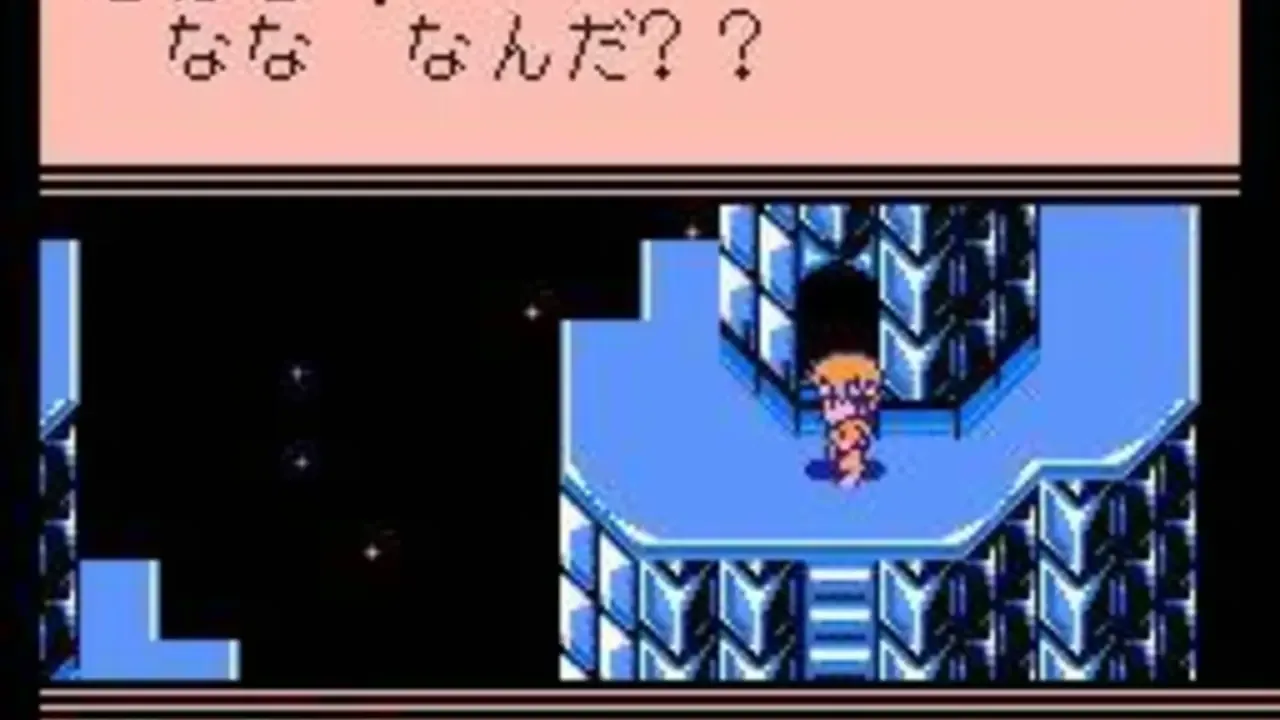
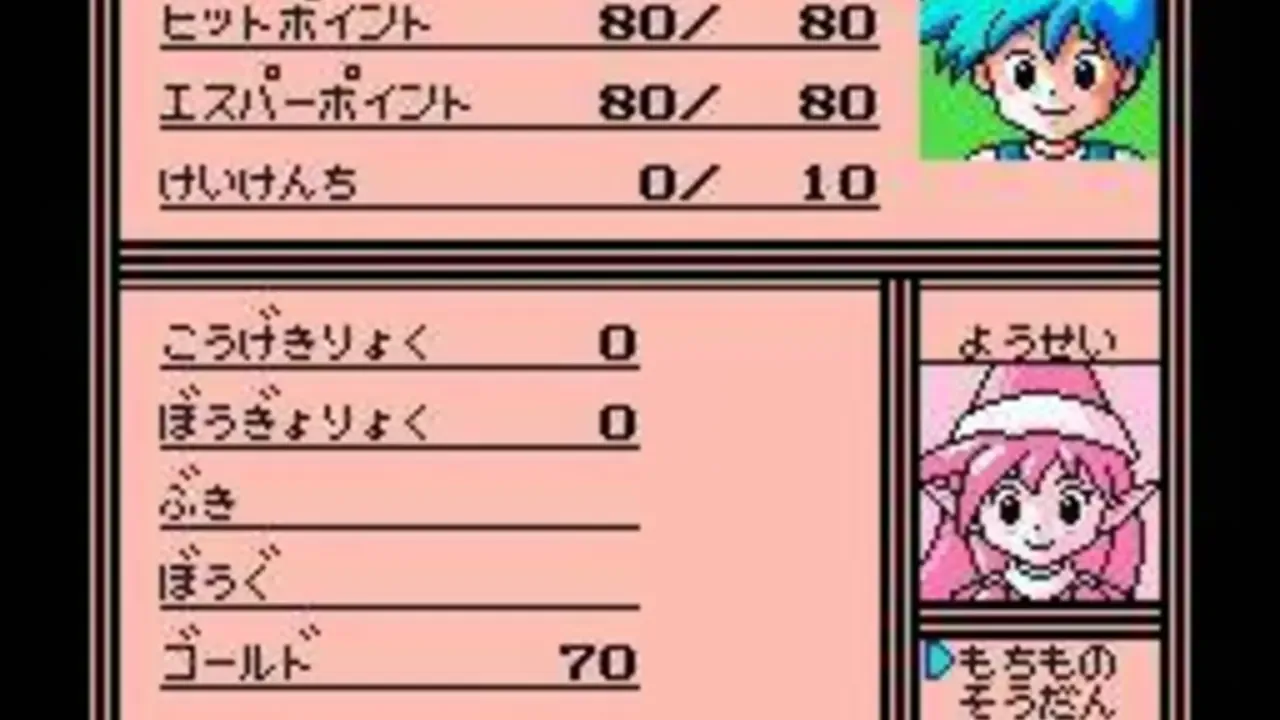
Brick Town, a town within a storybook, is in peril! Evil forces have descended upon the land and kidnapped the mayor's daughter. And it just so happens that you have ESP. Thus it descends upon you - and your gun - to save Brick Town. Unlike most other RPGs of the time, Esper Dream isn't based on medieval times, but rather on a fairy tale storybook of five chapters, each with a setting that is distinct from each other (they also contain sub-dungeons). Battles are started when the player runs into various pairs of moving footprints on the ground. This takes the player to a separate enclosed battlefield. There the player can use their weapons (or ESP powers) to defeat their enemies. Winning battles will increase the player's character's experience points, eventually leveling them up when they reach certain experience point totals. Leveling up increases their Hit Points {HP} and ESP Points {EP}. The player can also buy weapons by using the Gold Pieces that defeated enemies leave behind. The game is over when the player's HP reaches zero - or when the player has successfully saved Brick Town from the evil scourge. Up to three save slots are available. They allow players the opportunity to save their progress and return to their adventure at a later date.
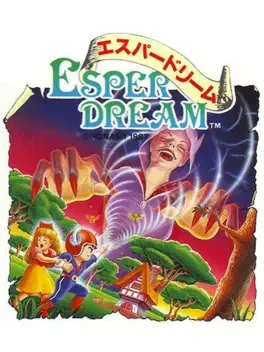
Esper Dream 2: Aratanaru Tatakai is a Role-Playing game, developed and published by Konami, which was released in Japan in 1992.
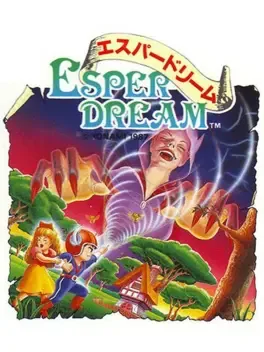
Brick Town, a town within a storybook, is in peril! Evil forces have descended upon the land and kidnapped the mayor's daughter. And it just so happens that you have ESP. Thus it descends upon you - and your gun - to save Brick Town. Unlike most other RPGs of the time, Esper Dream isn't based on medieval times, but rather on a fairy tale storybook of five chapters, each with a setting that is distinct from each other (they also contain sub-dungeons). Battles are started when the player runs into various pairs of moving footprints on the ground. This takes the player to a separate enclosed battlefield. There the player can use their weapons (or ESP powers) to defeat their enemies. Winning battles will increase the player's character's experience points, eventually leveling them up when they reach certain experience point totals. Leveling up increases their Hit Points {HP} and ESP Points {EP}. The player can also buy weapons by using the Gold Pieces that defeated enemies leave behind. The game is over when the player's HP reaches zero - or when the player has successfully saved Brick Town from the evil scourge. Up to three save slots are available. They allow players the opportunity to save their progress and return to their adventure at a later date.
Could be interesting
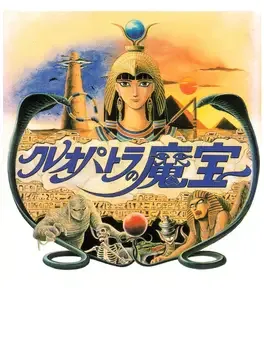
Daisuke Kusano is the son of an archaeologist who disappeared while searching for the Tears of Isis, artifacts once owned by Cleopatra. During the man's excavation for the Tears, demons appeared and abducted him. The boy soon learns that he must find the Tears in order to save his father.
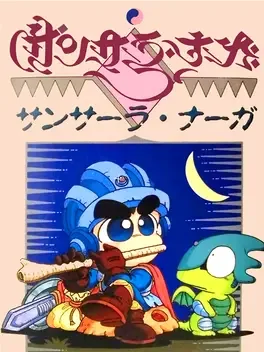
Sansara Naga is a role-playing video game that was published by Victor Music Entertainment exclusively to Japan for the Family Computer on the 23rd of March, 1990. A fan-translation was finished and released in 2013 on the 28th of December for Sansara Naga by the hacking and translation group Stardust Crusaders. Sansara Naga is set in the fantasy-filled lands of India during the Vedic age and also mixes elements of Japanese folklore such as the legend of Brahman Umibouzu ("sea bonze"). Many of the NPCs in game will tell you that Cows are sacred animals and a few will mention the Tower of Ṛta Satya. There is a set of armor in the game called Dharma Armor, which will prevent the player from dealing or being dealt damage. The story revolves around a Boy/Girl that steals a treasured Ostrich egg from the village of Orissa and decides to reflect upon one's actions; aspiring to become a Dragoon to restore their lost honor. The protagonist will set out on an adventure saving lives, performing good deeds, and raising a newly hatched dragon. There are bosses and many NPC street vendors will attempt to scam you with defective items or attempt to mug you. While the main protagonist does not level and their base stats are fixed at 40 STR, 40 DEF—The dragon that you raise does level. More unique game mechanics to this game include the ability to feed dead bodies to your dragon to raise his level, enchanted armors, field map events, hidden landmarks, a few side quests, and mini-games. Sansara Naga's gameplay and gameplay mechanics are similar to those of Dragon Quest I, Pokémon and Earthbound. The Silver Mountains are also referred to as Heaven.
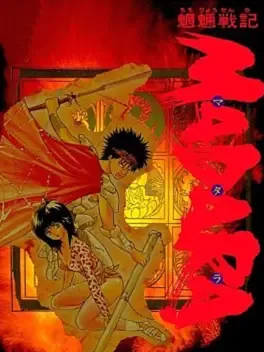
Mouryou Senki Madara is a Role-Playing game, developed and published by Konami, which was released in Japan in 1990.
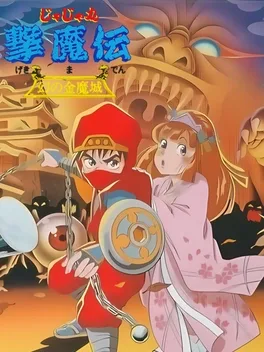
JaJaMaru Gekimaden is an action role-playing game, with gameplay similar to The Legend of the Zelda. Players control the protagonist character through towns, dungeons, and a world map. Each different type of map features top-down exploration. When moving through a dungeon, the protagonist will gradually recover health. The protagonist can equip different types of weapons and items that he can buy or find and use them during combat. Dungeons are made up of several rooms with enemies inside. Occasionally, an enemy will drop money when defeated, which can be used to buy items or heal health points at an inn.
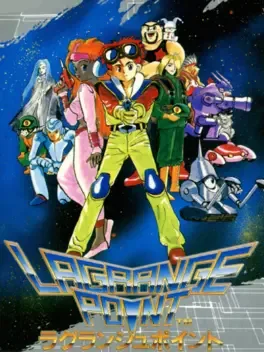
In the 22nd century, mankind has begun to emigrate into outer space. Constructed at a lagrange point were three huge space colonies: the Isis Cluster (two artificial biospheres, named Land-1 and Land-2, and a satellite). In the year Isis 0024 (55 years after the cluster was constructed), however, a biohazard outbreak occurred on Land-2. All attempts at contact were met with nothing but static. Now a research team led by pilot Jin approaches Land-1
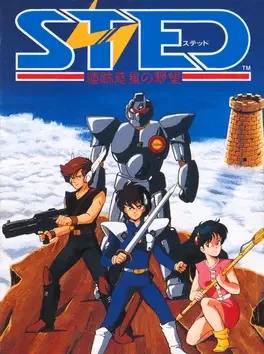
STED: Iseki Wakusei no Yabou ("STED: Starfield of Memorable Relics") is a science-fiction roleplaying game developed for the Nintendo Entertainment System by Alpha Denshi and published by K. Amusement Leasing on July 27th, 1990 in Japan. The game takes place during "Star date 0991" and has the player take control of a group of heroes as they track down a distress signal sent from a distant planet just as a significant rise in "monster activity" has been detected.
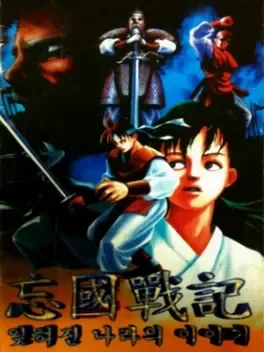
Romance of the Forgotten Kingdom is a role-playing game set during the Joseon period of Korea. It was developed by Mirinae Software in 1995 for DOS computers.
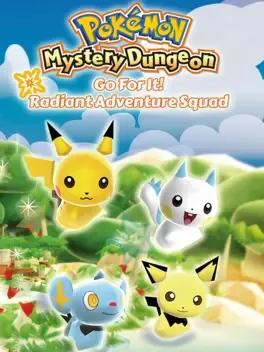
Pokémon Mystery Dungeon: Go For It! Radiant Adventure Squad is a Role-Playing game, developed by ChunSoft and published by The Pokemon Company, which was released in Japan in 2009.
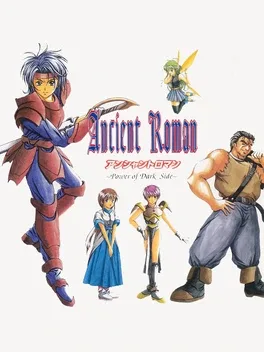
A PS1 RPG with 3-D models and pre-rendered backdrops, Ancient Roman was released in 1998 by Nihon System, but exploded into internet infamy in the late 2010s as word of the game began to spread through Japanese gaming circles. It is now widely considered to be one of the worst RPGs ever made by Japanese retro gamers.
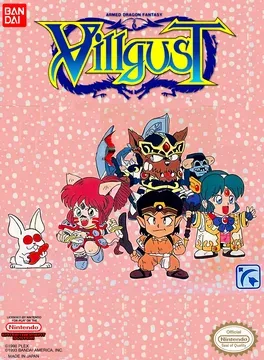
Armed Dragon Fantasy Villgust is a Role-Playing game, developed by TOSE and published by Angel (Bandai), which was released in Japan in 1993. This game is based off the anime of the same name that was released many years ago.