
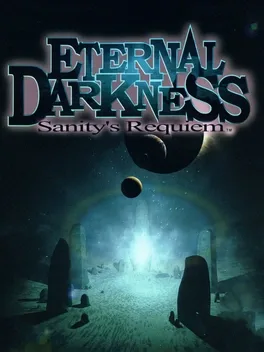
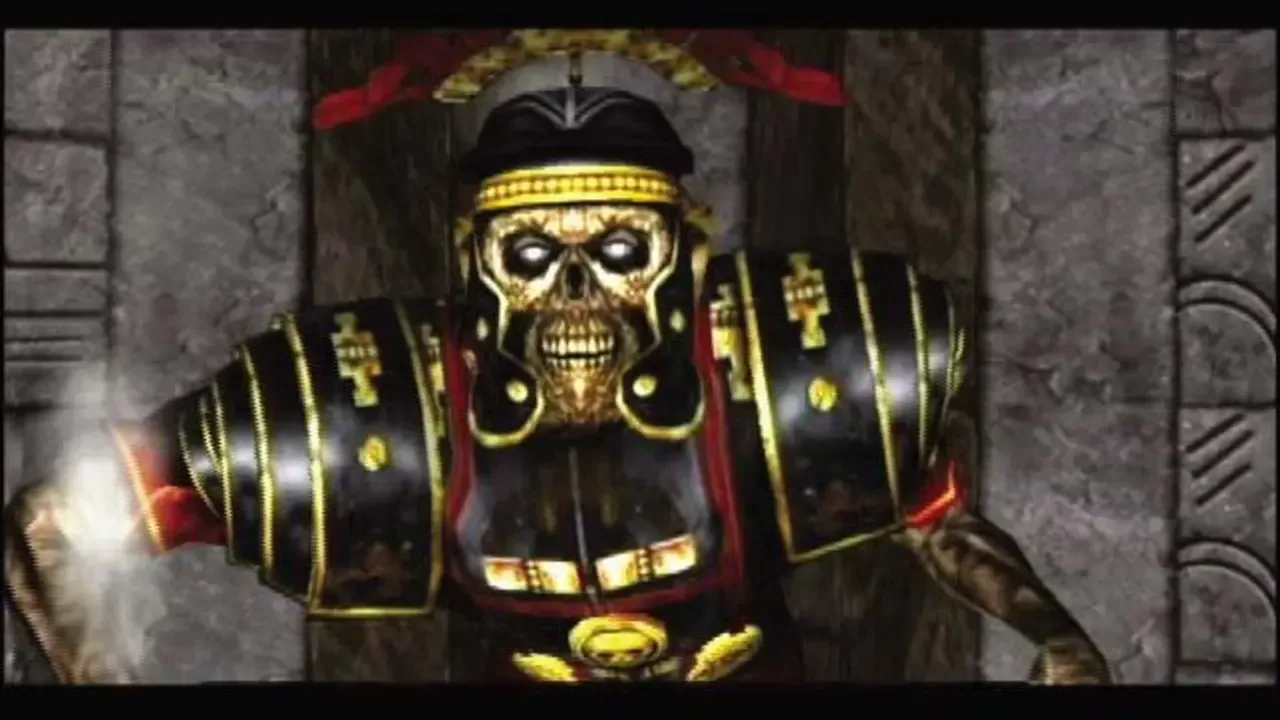
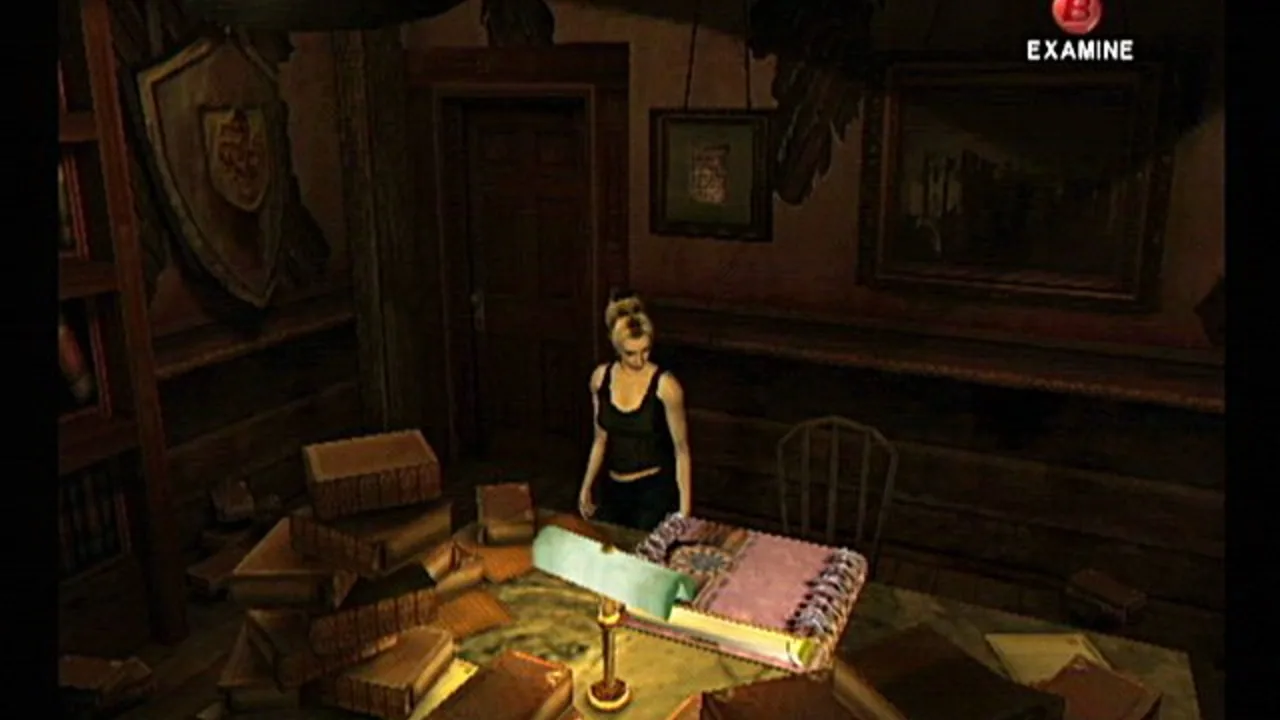
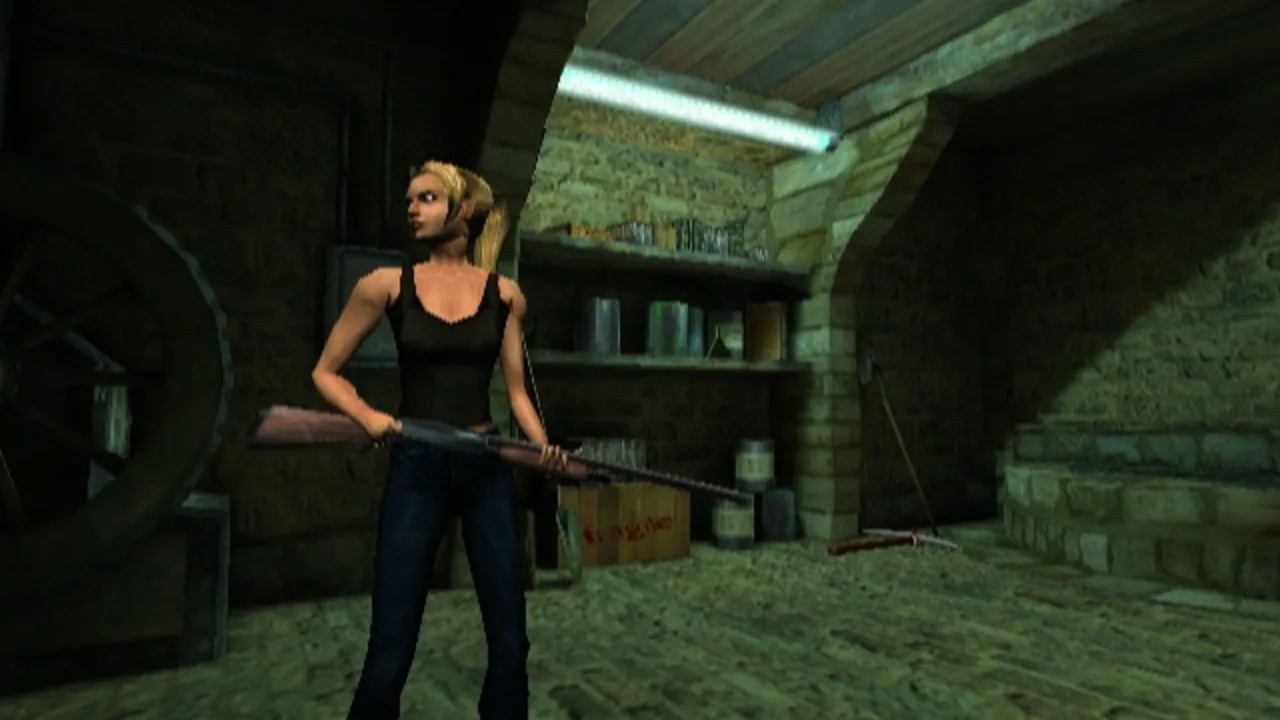
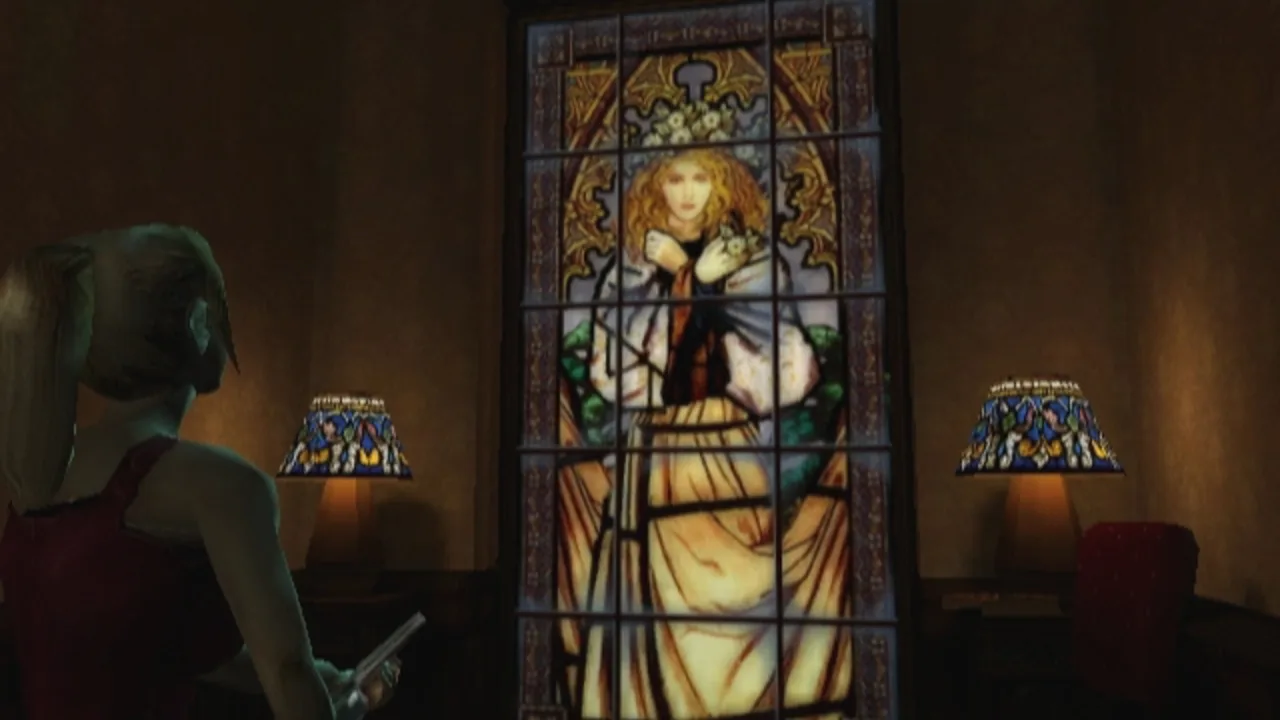
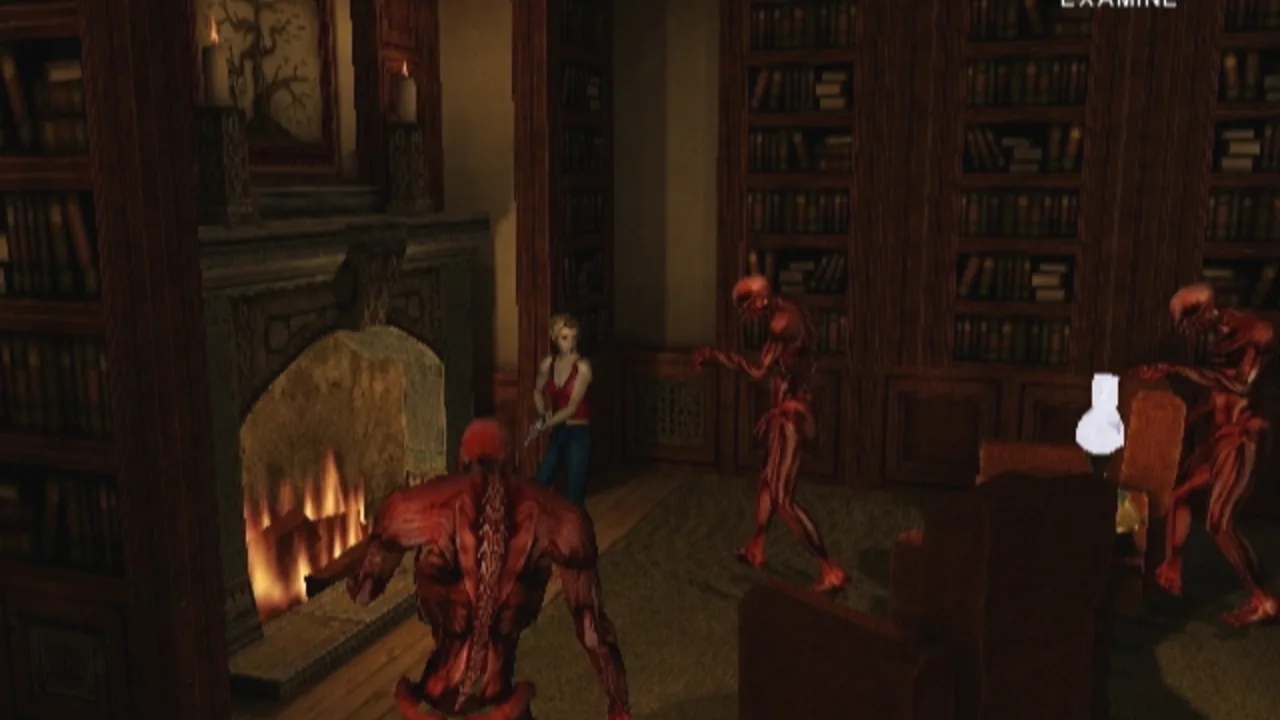
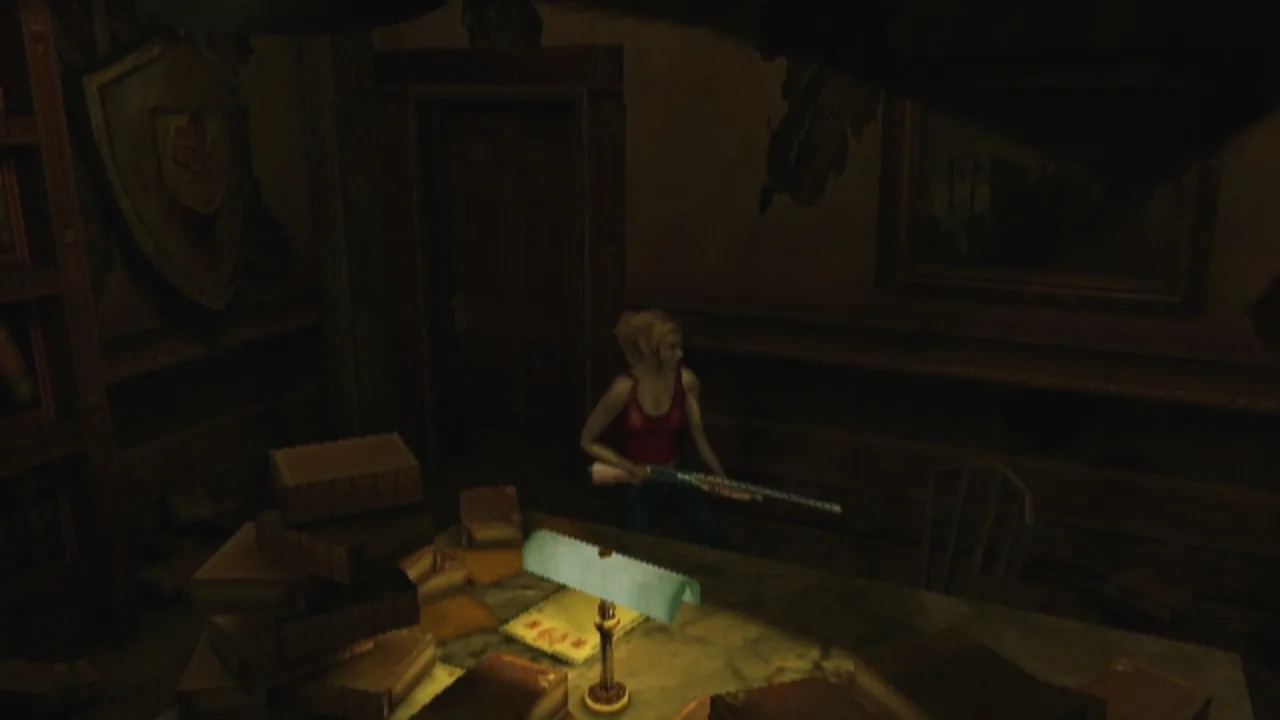
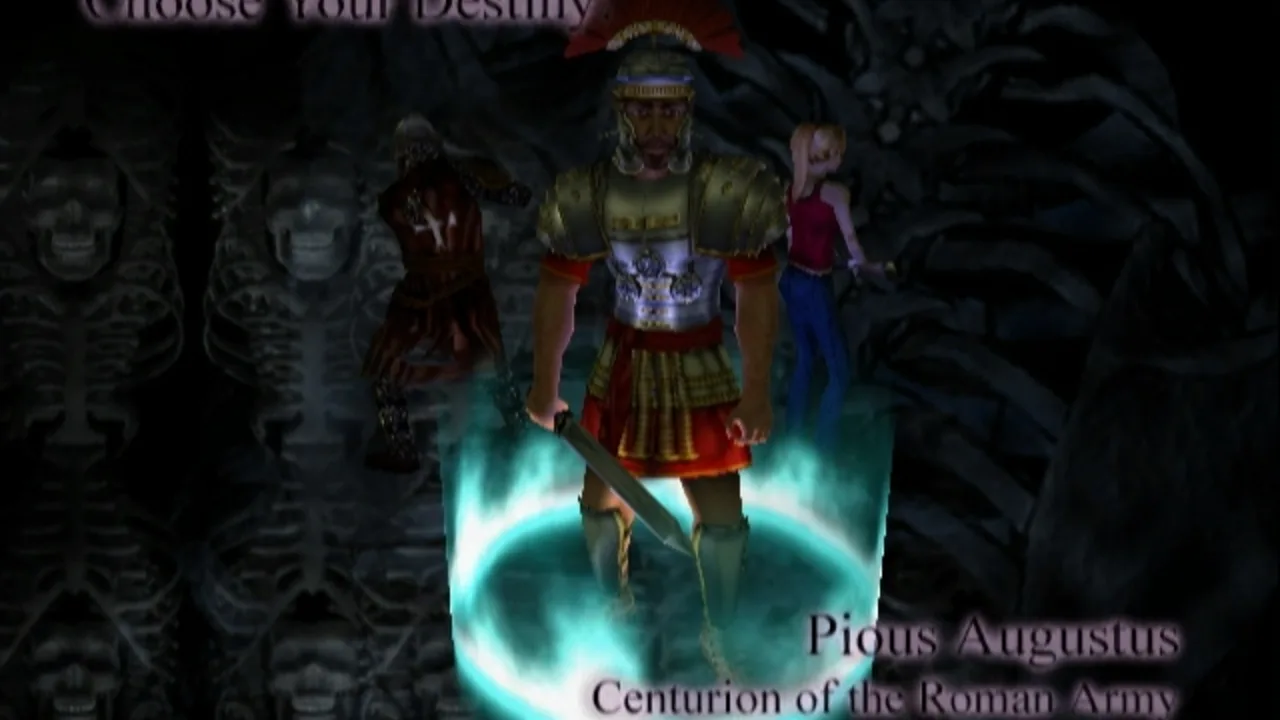
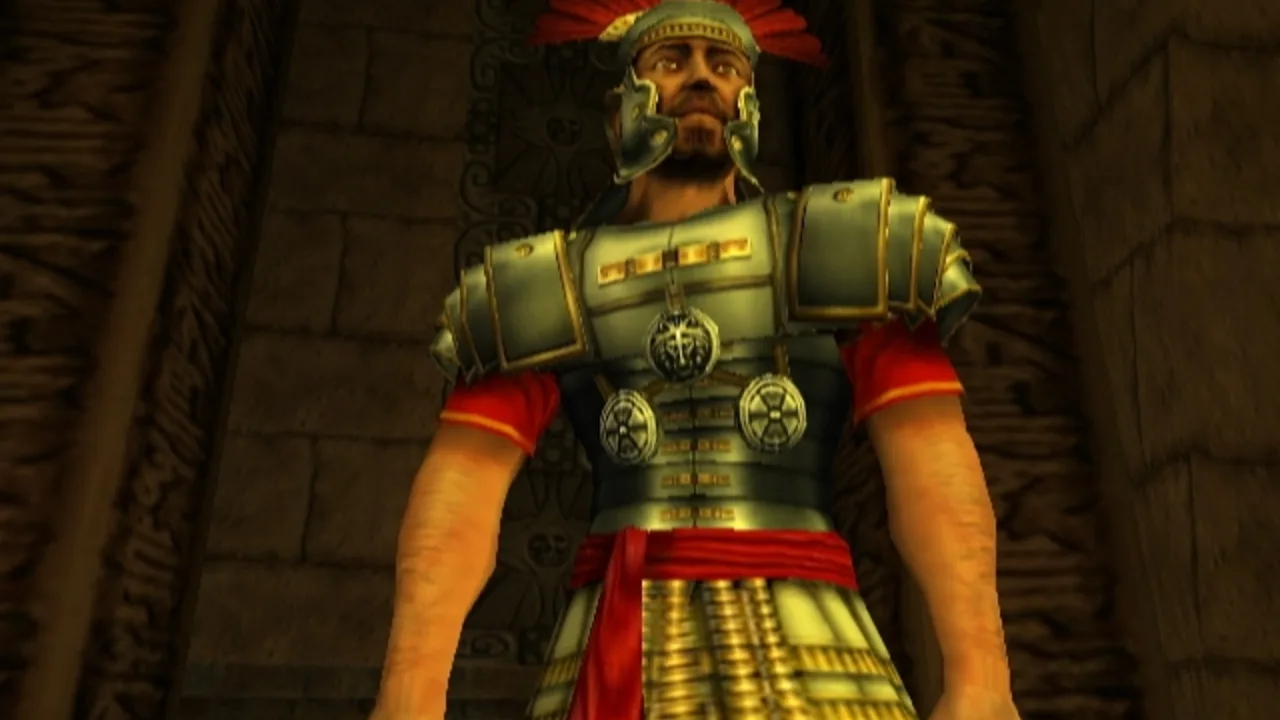
Eternal Darkness: Sanity's Requiem


Buy
Could be interesting
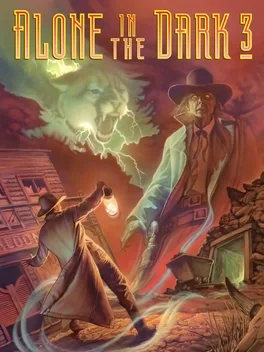
Alone in the Dark 3 is a direct sequel to Alone in the Dark 2 and the last game of the original canon of the series. It has the exact same gameplay as the first two games but with reload action removed, more responsive shooting/fighting and more puzzles than the previous game. The main theme is the Wild West as Carnby is pitted against a town filled with zombie cowboy outlaws who attack him with revolvers and lever-action rifles.
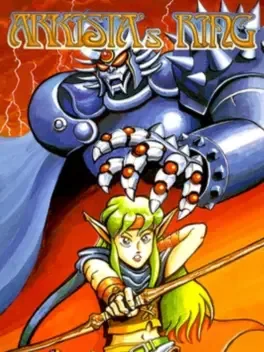
Arkista's Ring is a game developed by American Sammy for the Nintendo Entertainment System in 1990. It utilizes the familiar top-down perspective featured in many action-adventure games, such as The Legend of Zelda, Final Fantasy, and Shining Force. What sets it apart is the linear style of the game, as well as the limitation of one primary character. Interestingly, Arkista's Ring is an example of an early game with a female protagonist-an elf named Christine. The game is now considered to be a particularly rare NES title.
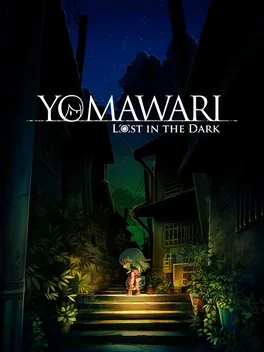
Another chapter of the atmospheric horror series has emerged from the shadows! Eerie sound design and shadowy environments set the stage for gruesome and terrifying ghosts never seen before in the series.

Vampire Hunter D is a PlayStation video game based on the series of books and movies of the same name. Along with Countdown Vampires, it is one of the few survival horror games to revolve around vampires.
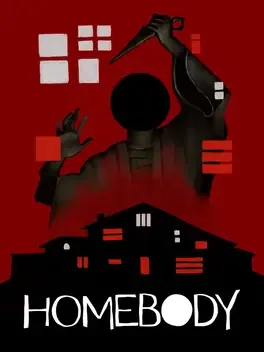
Homebody is a survival horror puzzle game about a group of friends haunted by memories of the past and hunted by a relentless killer. Move on or die trying.
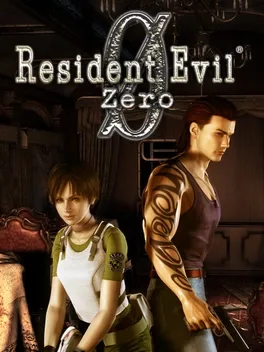
Resident Evil Zero is a third-person survival horror video game and a prequel to the first Resident Evil. The gameplay remains largely the same as previous entries in the series but also introduces what it calls a partner zapping system, which allows you to switch between the two characters Rebecca and Billy at any time. This feature must be used at times, as the game requires both characters to work together to solve some puzzles. New to the game are a bunch of terrifying enemies, like the mutant centipede, new areas to explore, and the ability to drop items on the ground instead of having to find an item box.
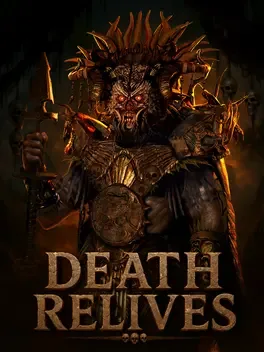
Be prepared for a first-person look on life through the eyes of a teenager, who is trying to escape from mighty Aztec god Xipe Totec. Get ready for a chaotic experience with horror and survival mechanics.
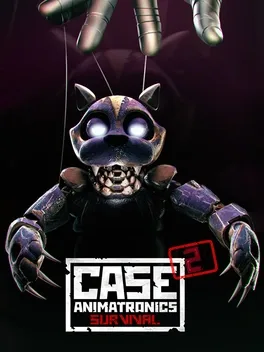
Case 2: Animatronics Survival is a horror game that is available in two modes. Online mode lets one or more players take on the role of animatronics, ready to crush everyone and everything. Play online with friends as the three survivors - try to avoid their terrible fate. How did this happen? You'll have to find out! Solve new puzzles, but look out... they are watching you. Your mission is to survive at any cost! Each animatronic has its own mortal features. Try not to get caught! Be shrewd! Use shelters and move silently.

Fatal Frame: Maiden of Black Water is a survival horror video game developed by Koei Tecmo and published by Nintendo for the Wii U. The fifth main entry in the Fatal Frame series, it was released in Japan in September 2014 and worldwide in October 2015. As with previous games in the series, players navigate areas filled with hostile ghosts which must be fought by taking photographs using the Camera Obscura, which is directly controlled using the Wii U gamepad. A post-endgame story featuring Ayane, a character from the company's Dead or Alive series, is also available featuring altered gameplay mechanics. The story, which is set on the fictional Hikami Mountain, focuses on three protagonists who are drawn into supernatural events revolving the area, including an ancient ritual to seal away Yomi, a malevolent force corrupting the surrounding spirits that is tied to the fate of the titular shrine maiden Ouse Kurosawa. Planning for the game began in 2011, during the projection of the Wii remake of Crimson Butterfly. The game was first proposed by series co-creator Keisuke Kikuchi when he saw the Wii U hardware and the possibilities of the gamepad becoming the Camera Obscura. The game was a joint production effort between Koei Tecmo and Nintendo Software Planning & Development, with Kikuchi and fellow co-creator Makoto Shibata returning as to their respective posts of producer and director, together with staff from the previous series entry Mask of the Lunar Eclipse and developers new to the series. The cast went through several revisions during development, while the staff experimented with the capacities of the new hardware. As with previous games, it features a theme song by Tsuki Amano. Upon release, the game received critical acclaim for its use of the gamepad and dark atmosphere, while opinions were mixed on its story, portrayal of its female characters, and other aspects such as its pacing and controls.
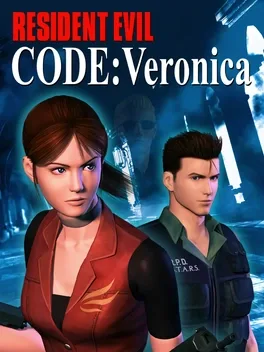
Resident Evil Code: Veronica is the fourth video game in Capcom's Resident Evil survival horror series. The game continues the survival horror gameplay of its predecessors: the protagonist explores the surroundings, fighting monsters and solving puzzles. However, it is the first game in the series to do away with pre-rendered backgrounds using a fully polygonal 3D engine instead, which allows for features such as real-time lighting and camera movement. Still, such movements are only used sparingly, and the use of perspective is mostly unchanged from earlier installments: the camera automatically switches to different static angles showing protagonists, monsters and rooms from different spooky viewpoints.