
Family Mahjong


Buy
Part of collection:
Family Mahjong
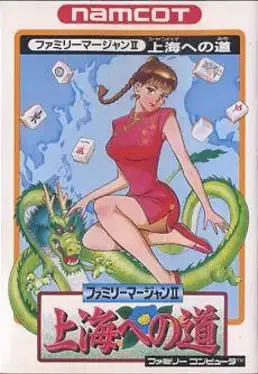
Family Mahjong II: Shanghai e no Michi is a Mahjong game released only in Japan for the Nintendo Famicom. Family Mahjong II: Shanghai e no Michi is a Mahjong game and the direct sequel to Family Mahjong. In addition to the standard Mahjong mode, there is a tournament mode with a slight RPG aspect to it, in that the player can enhance certain stats after winning games in order to increase their odds in future rounds of the tournament. The game is a one-on-one version of the game, less common in real-life Mahjong games but the standard for computer adaptations due to the reduced complexity of having only a single AI opponent. Nihon Bussan was responsible for Family Mahjong II's development and was at the time fairly well known for their Mahjong Arcade games.
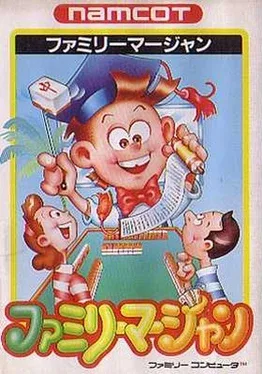
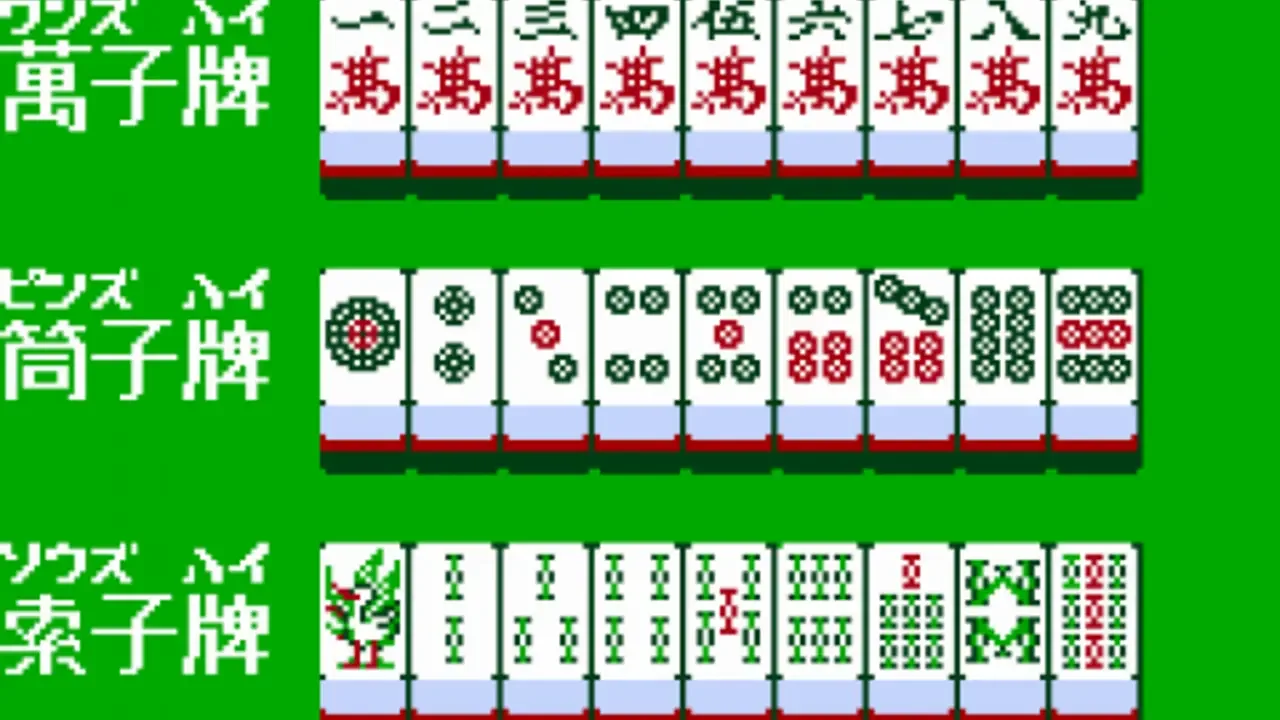
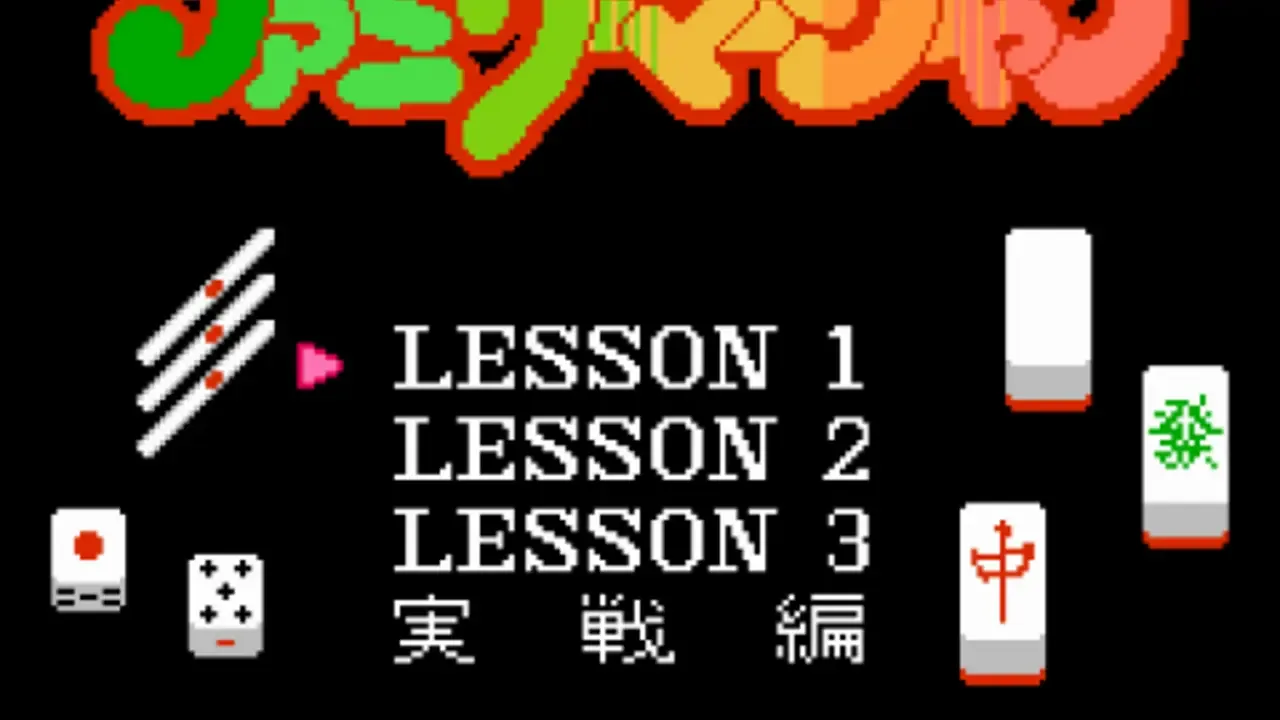
A mahjong game by Nihon Bussan and published by Namco for the Famicom. Family Mahjong is another in a long line of mahjong games for the Famicom. Uniquely, at least for the time, it does include a full tutorial mode that will teach the player how to actually play mahjong. It also includes rules for mahjong gambling, which is another feature included in the game. After the player has learned how to play, they can compete against a series of CPU opponents in one-on-one matches, most of whom are attractive blonde women for whatever reason.
Could be interesting
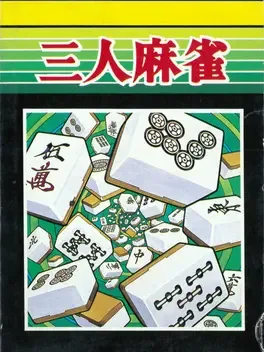
A three player mahjong game for the Othello Multivision/Sega SG-1000.

The first installment in Koei's mahjong series. Mahjong Taikai ("Mahjong Tournament") is a 1989 Famicom mahjong game from Koei and an unknown developer. It features multiple historical figures as possible CPU opponents, including Masamune Date and Napoleon Bonapart. As with any mahjong game, the goal is to complete a winning hand before any of the other players can, and the player earns an amount of points dependent on the "strength" of their winning hand. They might also lose points depending on who won and how. Koei would continue making Mahjong Taikai games for other platforms, including Super Mahjong Taikai for the Super Famicom in 1992.
Family Mahjong II: Shanghai e no Michi is a Mahjong game released only in Japan for the Nintendo Famicom. Family Mahjong II: Shanghai e no Michi is a Mahjong game and the direct sequel to Family Mahjong. In addition to the standard Mahjong mode, there is a tournament mode with a slight RPG aspect to it, in that the player can enhance certain stats after winning games in order to increase their odds in future rounds of the tournament. The game is a one-on-one version of the game, less common in real-life Mahjong games but the standard for computer adaptations due to the reduced complexity of having only a single AI opponent. Nihon Bussan was responsible for Family Mahjong II's development and was at the time fairly well known for their Mahjong Arcade games.
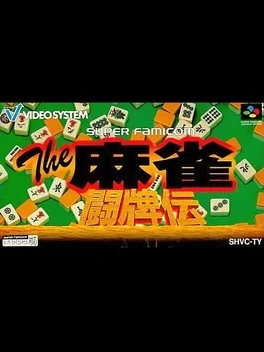
The Mahjong Touhai-den is a Miscellaneous game, developed by Khaos and published by Video System, which was released in Japan in 1993.
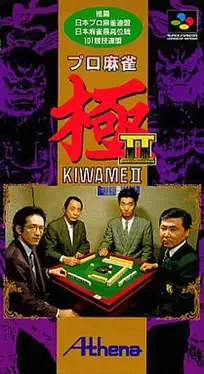
Pro Mahjong Kiwame II is a Miscellaneous game, published by Athena, which was released in Japan in 1994.
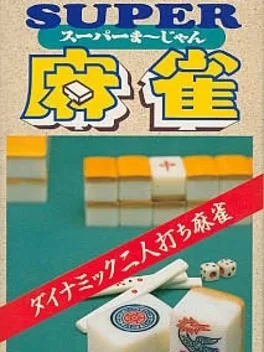
Super Mahjong is a Miscellaneous game, published by I'Max, which was released in Japan in 1992.
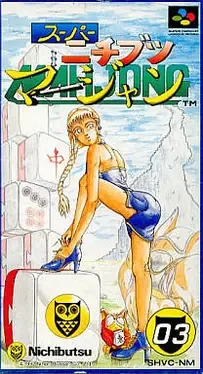
Super Nichibutsu Mahjong is a Miscellaneous game, published by Nichibutsu, which was released in Japan in 1992.
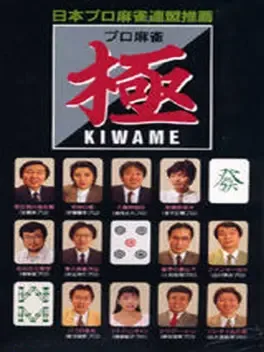
Pro Mahjong Kiwame for WonderSwan is a Miscellaneous game, developed and published by Athena, which was released in Japan in 1999.
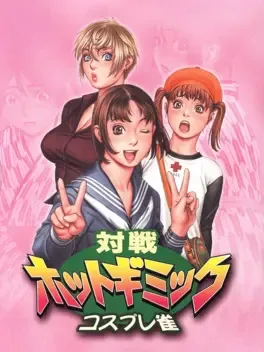
The first Taisen Hot Gimmick game to hit consoles (outside of the Capcom crossover Taisen Net Gimmick).
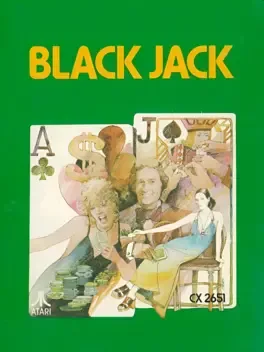
Atari's Blackjack employs a variant of blackjack rules that is so extremely unfavorable to the player, that it would almost certainly never be seen in a real casino because no one would play with them. Splitting pairs is not allowed, and even more substantially, draws are won by the dealer (your bet is not returned to you if you and the dealer get the same card total and neither busts). This represents over a 10% house advantage. The player uses the paddle controller to enter a bet of up to 25 chips from an initial pot of 200. An up card is then presented, and the player decides whether to "hit" (accept another card) or stand. The player breaks the bank by obtaining a score of 1,000 chips, or is "busted" upon losing everything. Due to a glitch in the program, while a player is selecting among the options of what to do with the current hand by pressing left or right with the paddle controller, the amount of the player's next bet is modified even though it is defined by a variable that will not be visible until the end of the hand, requiring the player to carefully re-enter it at the start of every hand without pressing the button carelessly or risk wagering an unintended amount.