
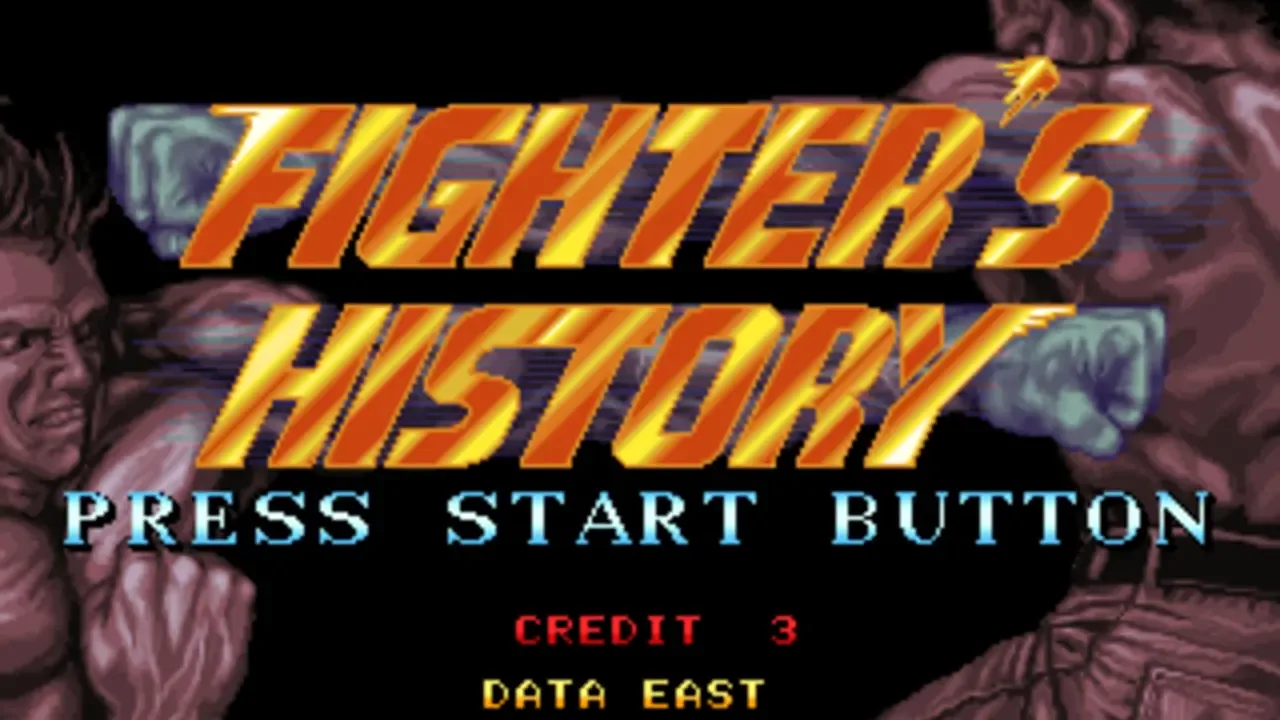
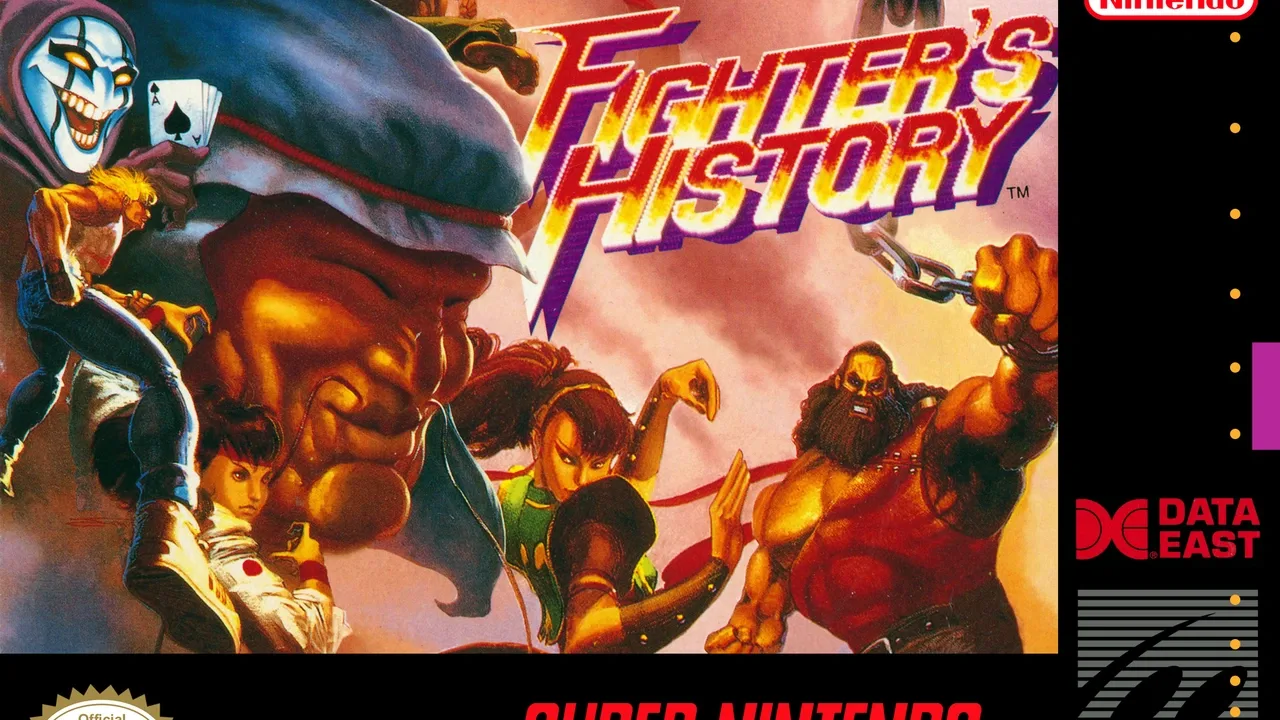
Fighter's History


Buy
Part of collection:
Fighter's History
(last 3 games)
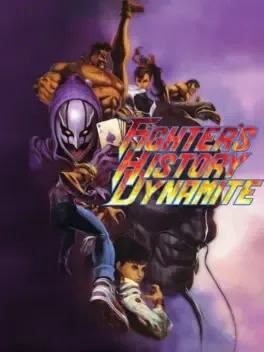
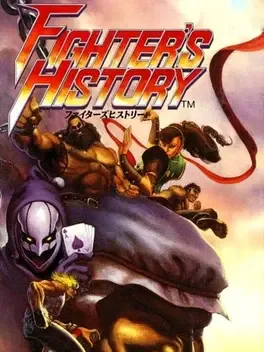
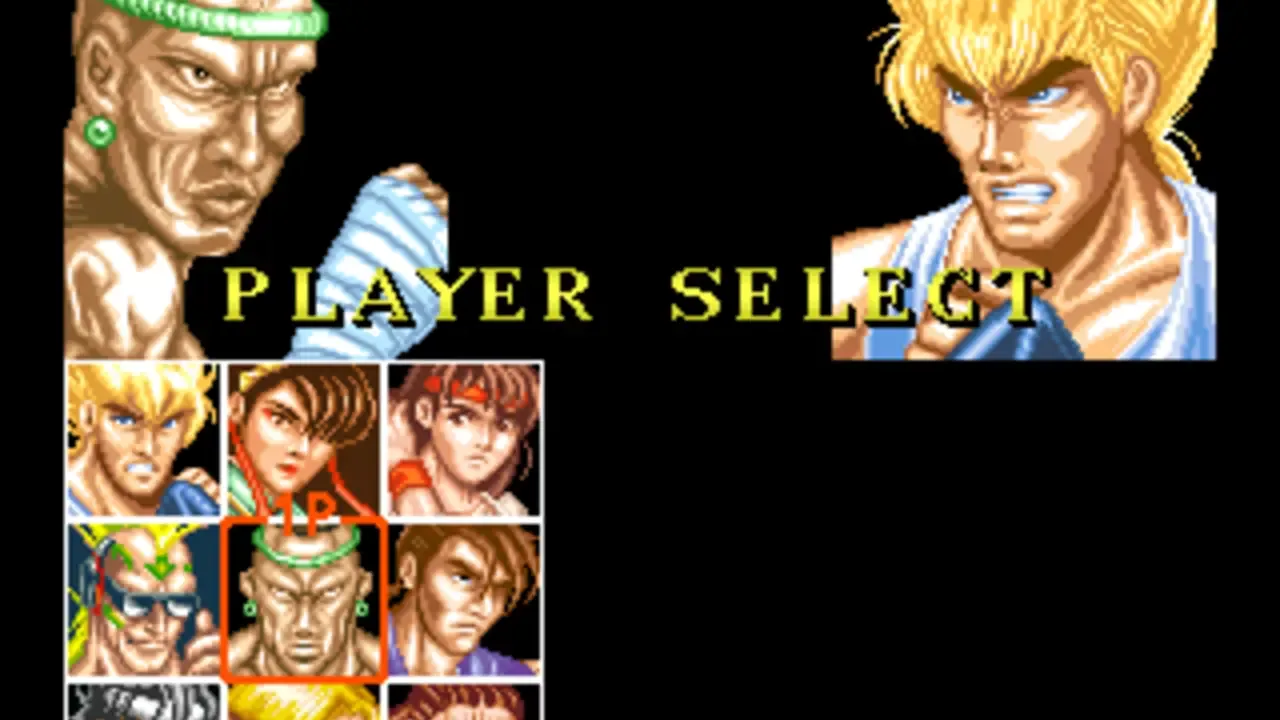
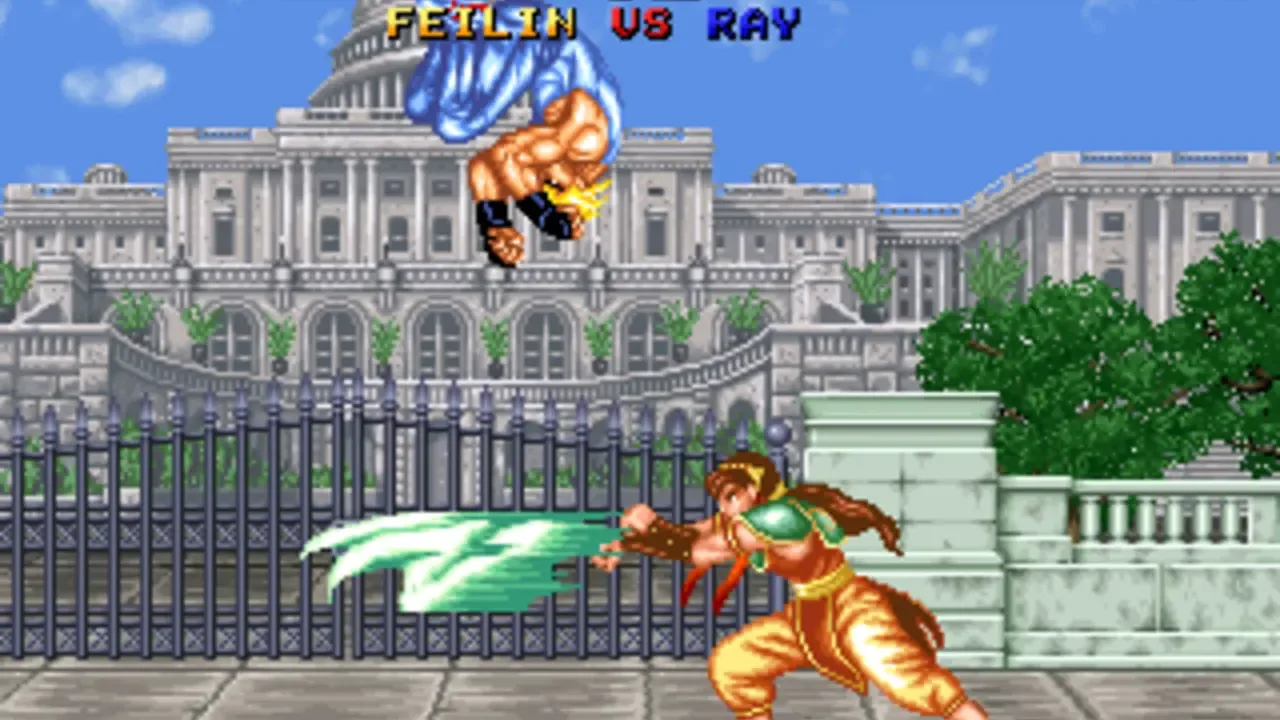
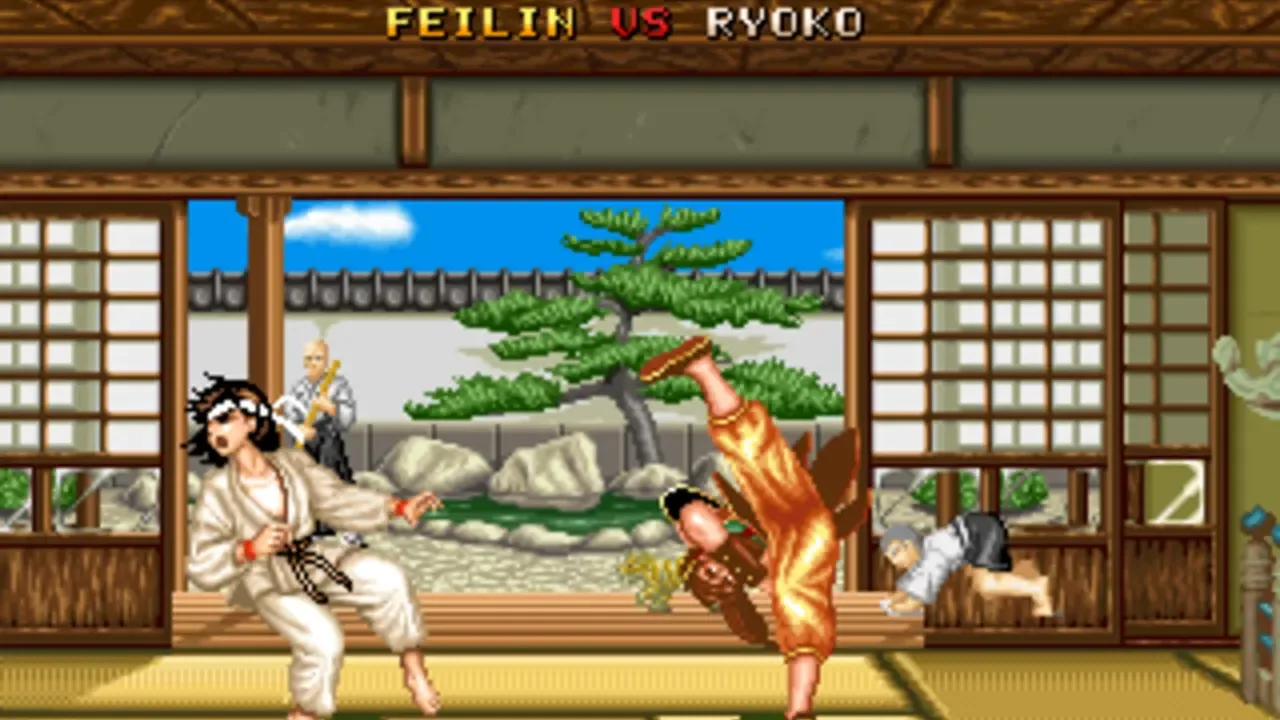
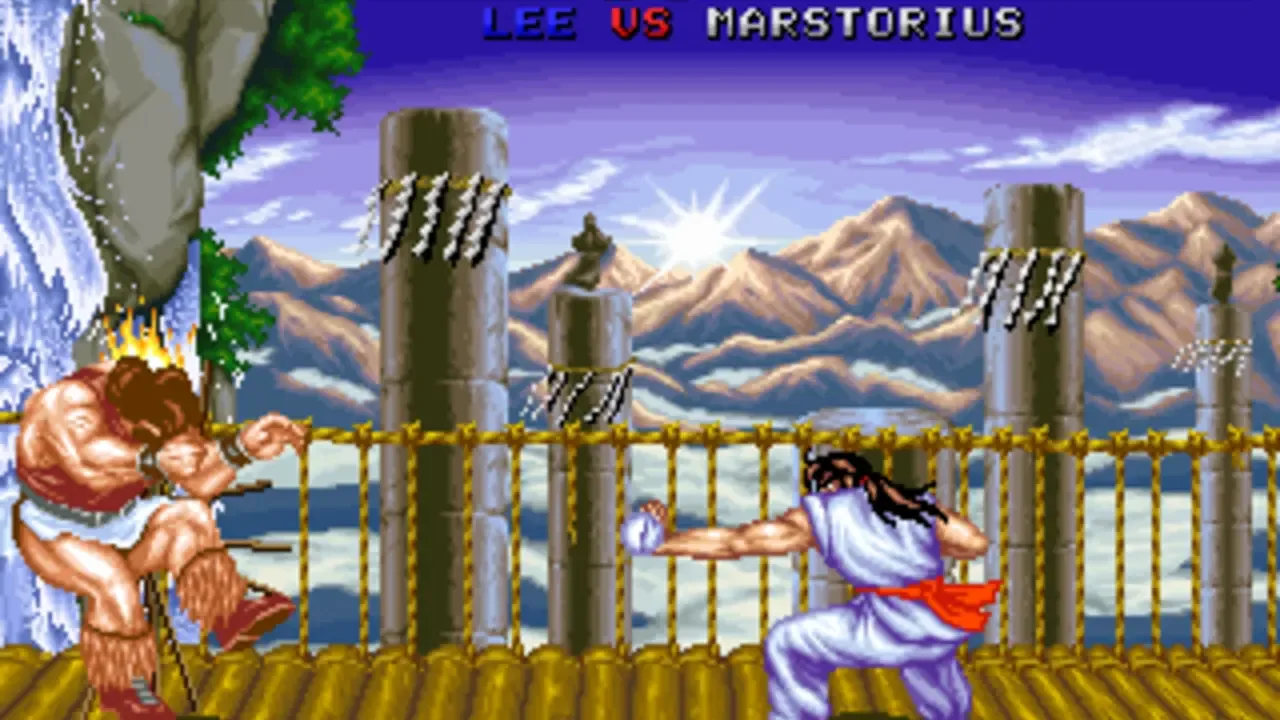
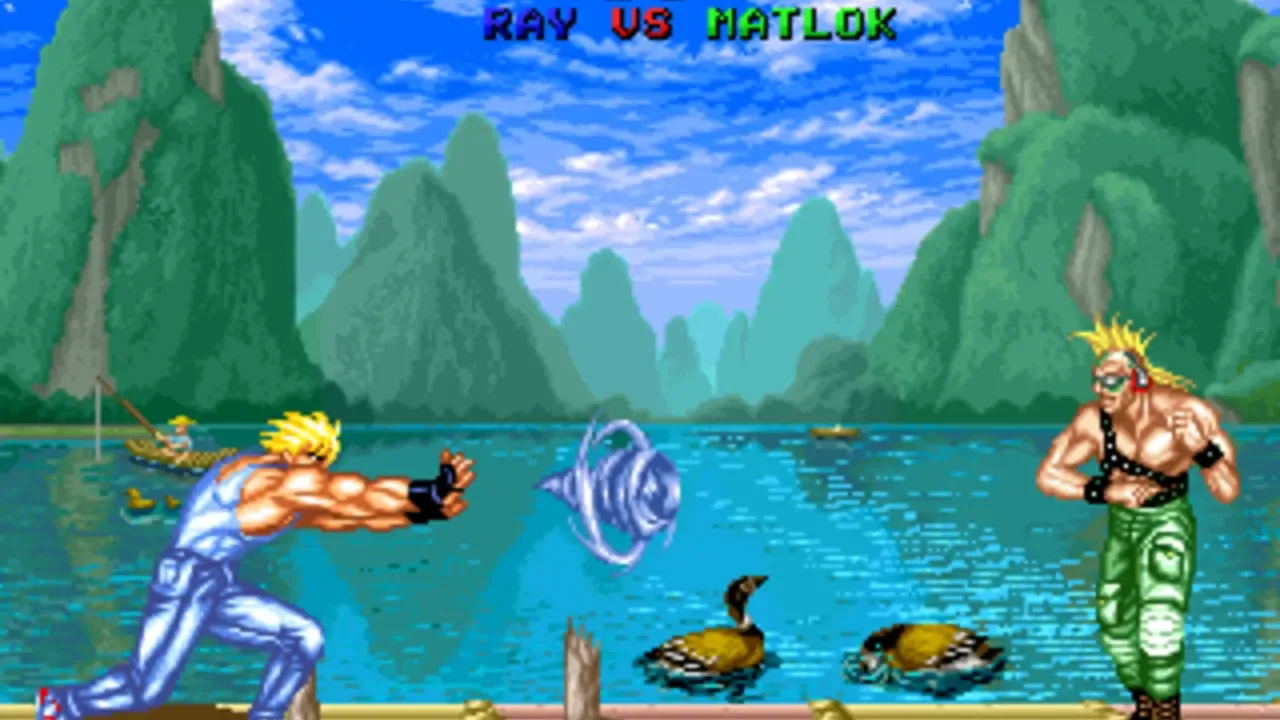
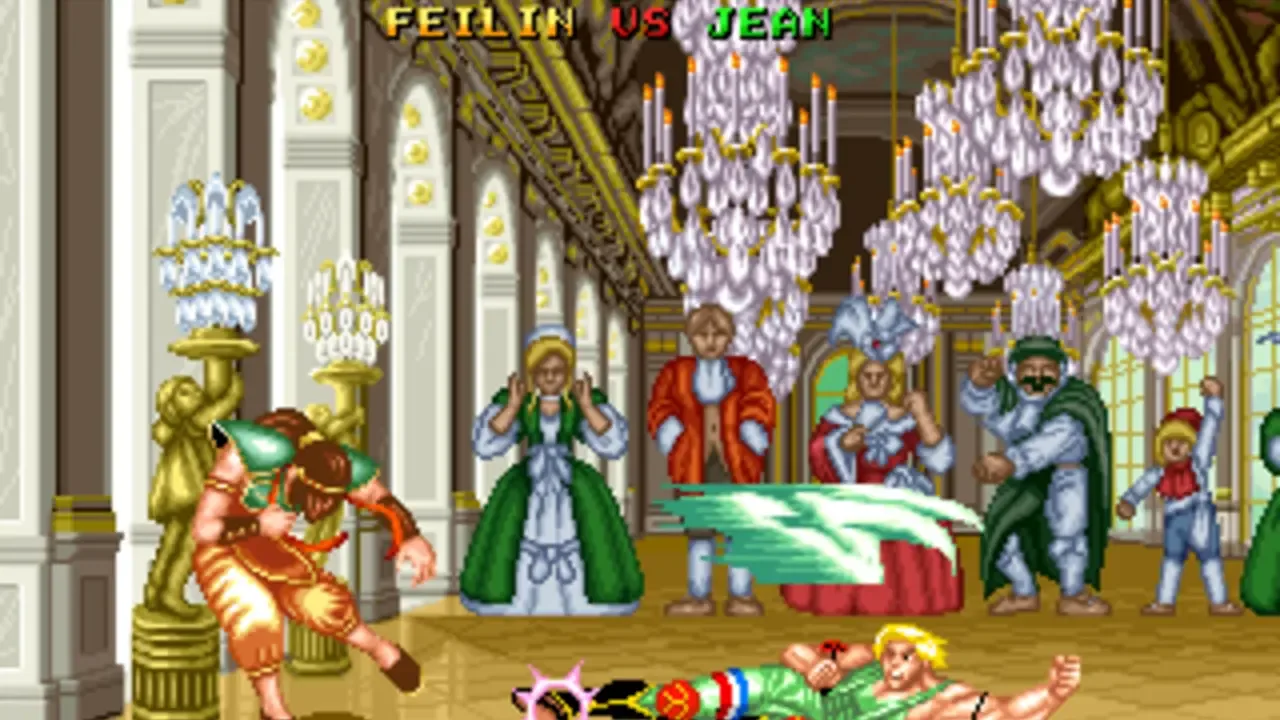
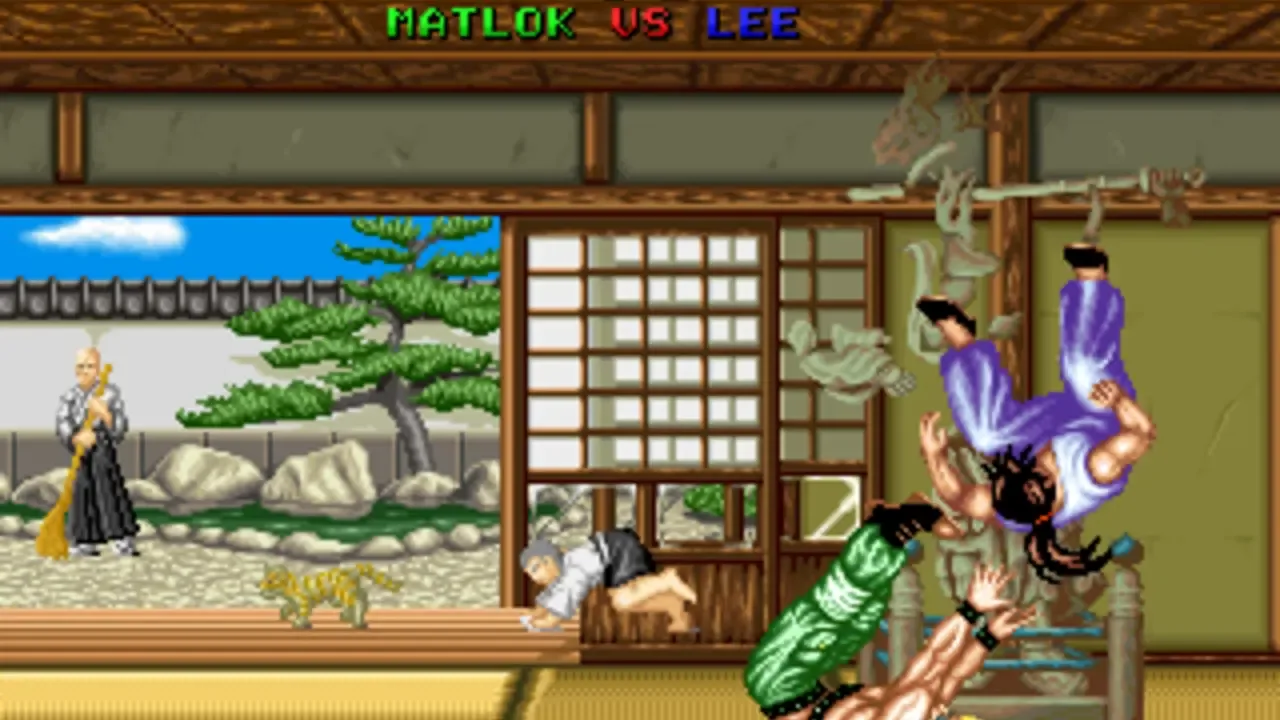
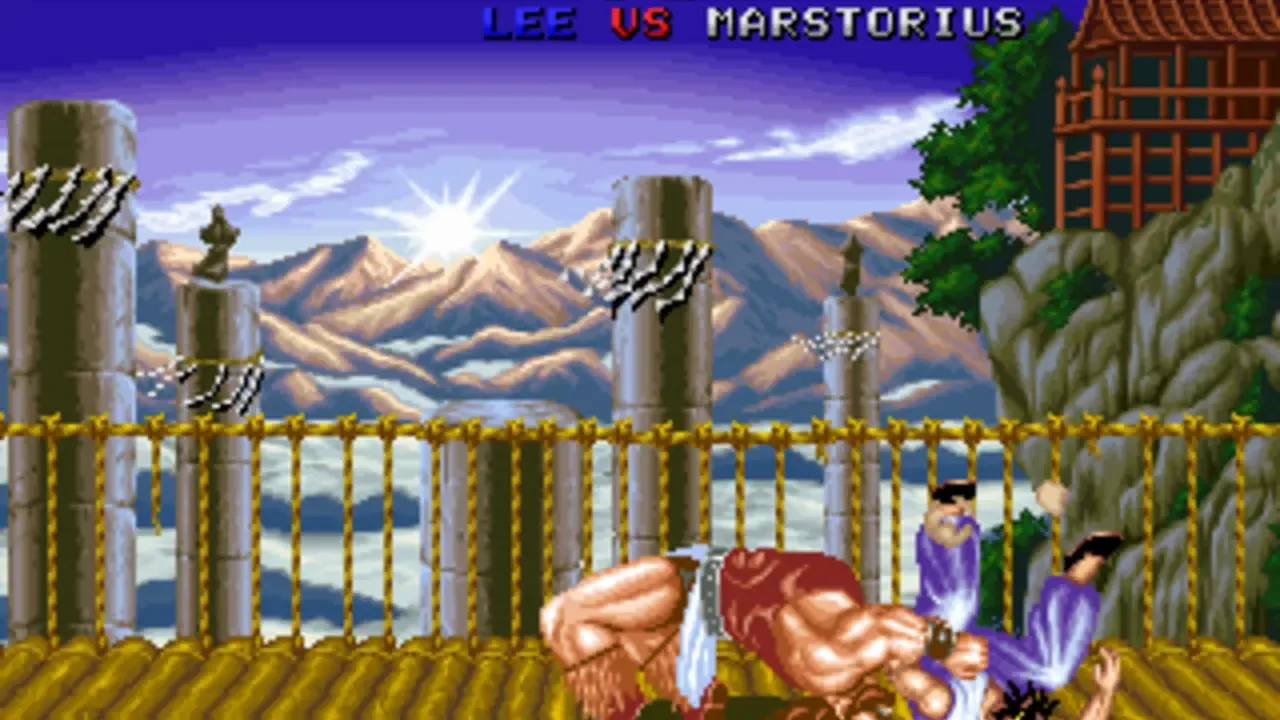
Fighter's History Dynamite was ported to the Sega Saturn in Japan in 1997. This version was also bundled with Fighter's History: Mizoguchi Kiki Ippatsu!! as a bonus.
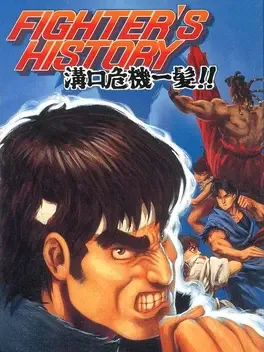
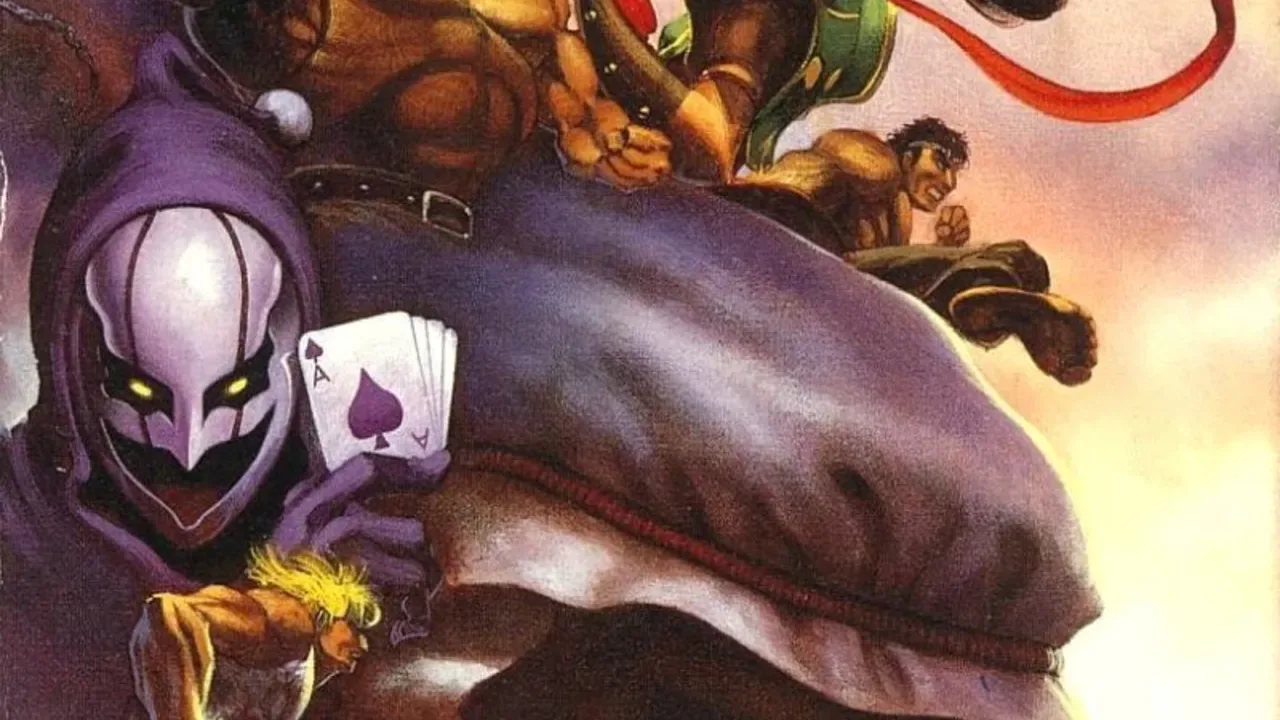
Fighter's History: Mizoguchi Kiki Ippatsu!! is a Super Famicom sequel to Data East's arcade fighting game series, featuring a story mode where Mizoguchi travels throughout the world to battle a mysterious masked figure (who Data East fans probably already know). It's the third game in the Fighter's History series, and the last one published by Data East. The game was initially released only in Japan for the Super Famicom on February 17, 1995, under the title of "Fighter's History: Mizoguchi Kiki Ippatsu!!". In 2017, Retro-Bit published the game for the international release as part of their compilation Data East Classic Collection, under the new title of "Fighter's History 2".
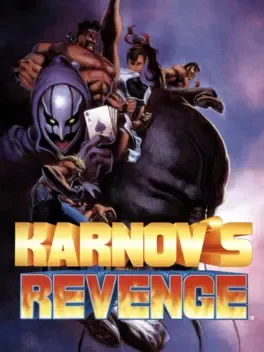
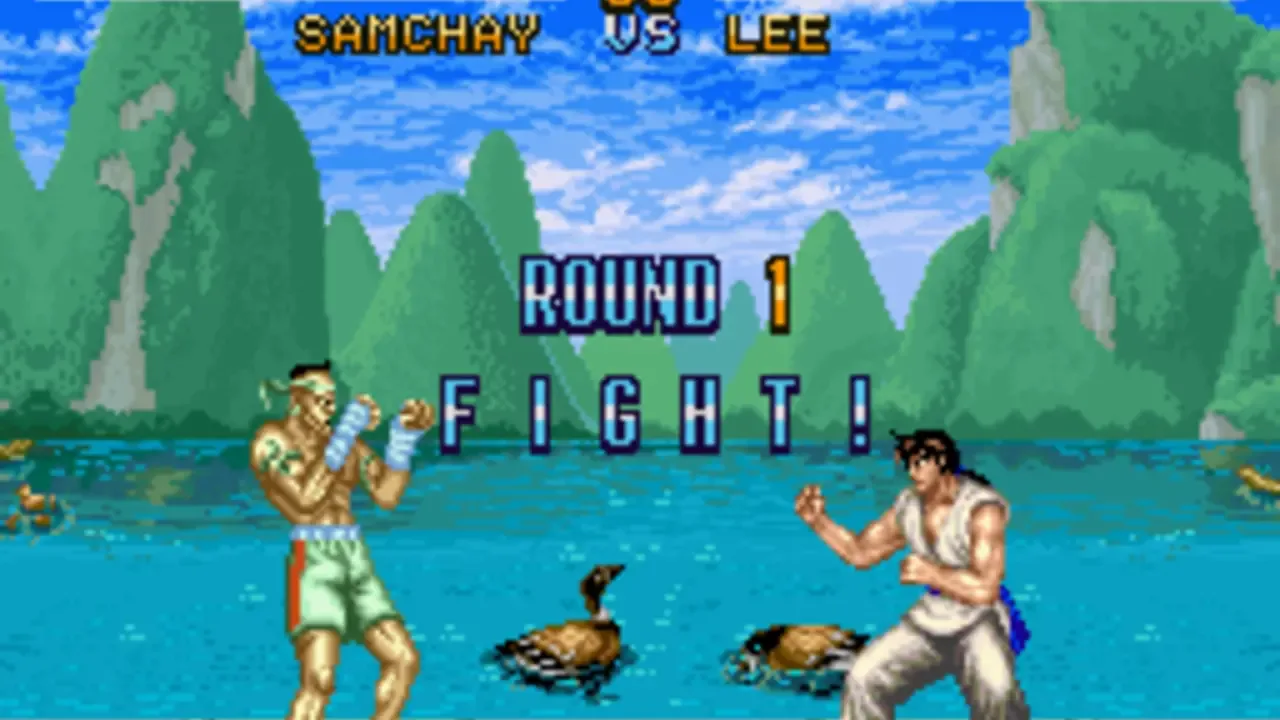
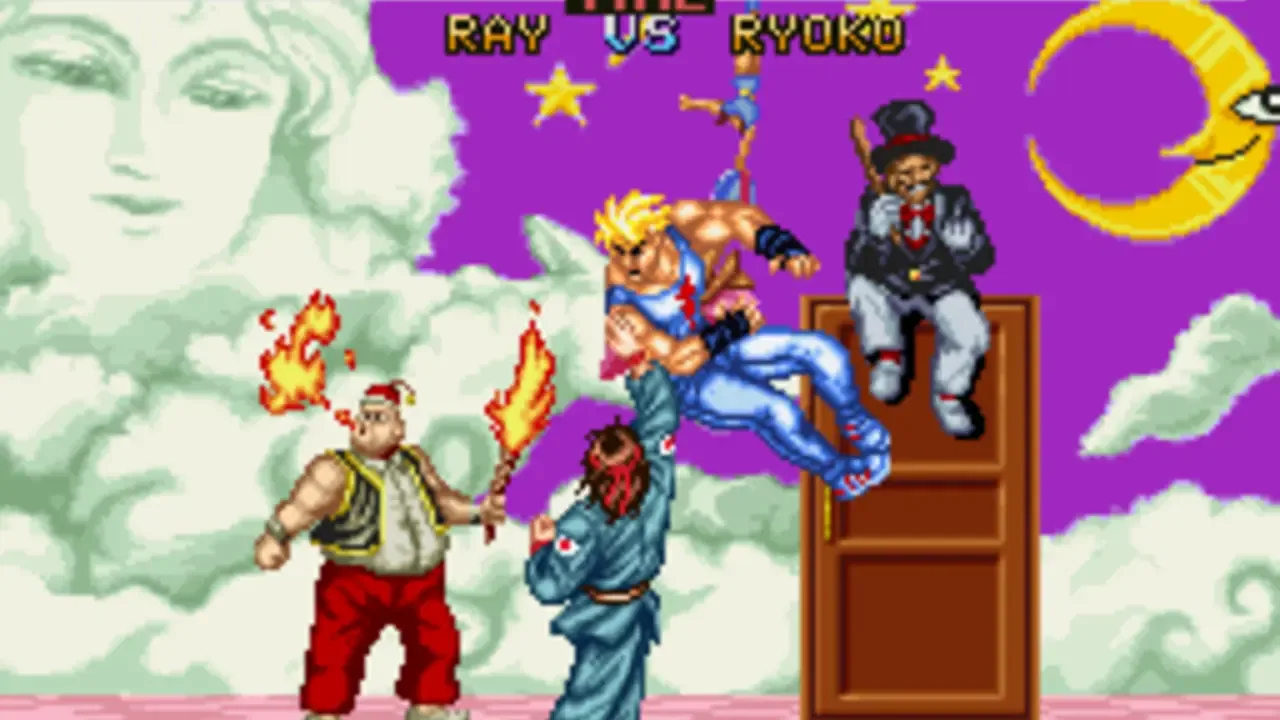
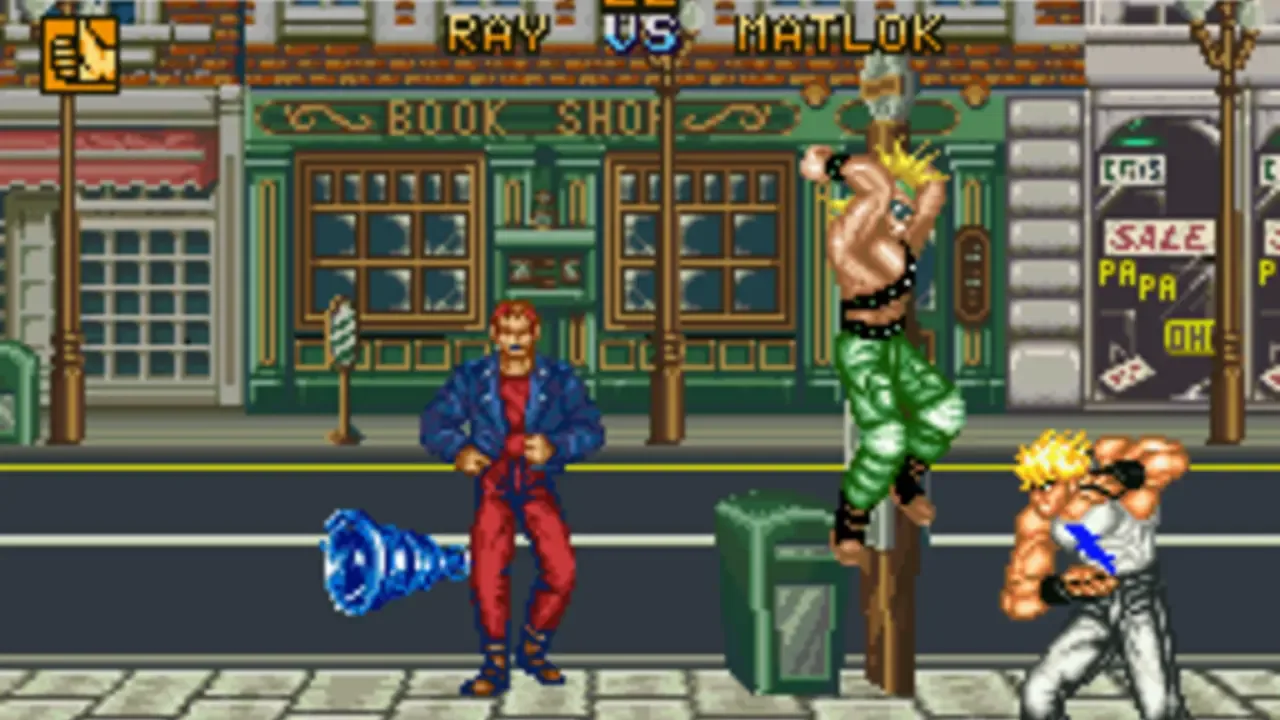
Karnov's Revenge, also known as "Fighter's History Dynamite" in Japan, is a 1994 arcade fighting game, and the followup to Fighter's History. All returning characters have new moves, and Clown and Karnov are now playable characters while newcomers Zazie and Yungmie were introduced. The Super Famicom game "Fighter's History: Mizoguchi Kiki Ippatsu!!" is heavily based on Dynamite, and is believed to have been meant as a port. Dynamite itself would be ported to the Sega Saturn, and Mizoguchi Kiki Ippatsu!! was even thrown in as a bonus.
Could be interesting
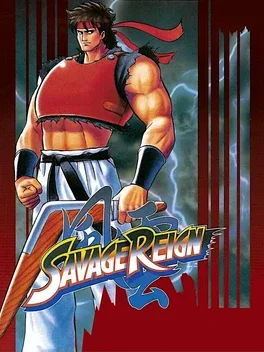
Savage Reign is a vs. fighting game that offers a dozen fighters, mixing fighting with weapons and a two-plane system like the one seen in the Fatal Fury saga, with which it is possible to get to the back of the stage by climbing to a higher level or climbing up pipes. Each stage has interactive elements that intervene in the fights, such as falling stalactites, lava jets, spotlights that can be knocked down, and all the characters, have the ability to execute movements based on projectiles, which can be used to chase the opponent when he changes planes, and which can even be reflected.
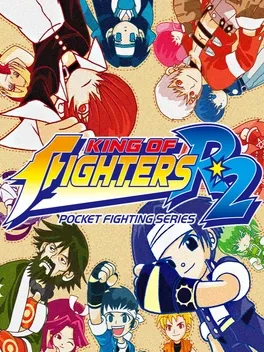
Mix it up in COLOR with King Of Fighters R-2 now on NEOGEO Pocket Color! Get SKILLS in the MAKING Mode and create your very own custom-made character! You can also play two-player VS. MODE battles and trade SKILLS using the NEOGEO Pocket Link Cable! 14 characters to choose from including 2 new characters make King Of Fighters R-2 H-O-T!
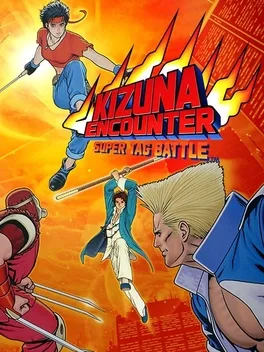
Kizuna Encounter: Super Tag Battle is a fast tag‑team fighting game that swaps Savage Reign’s two‑plane system for dynamic tag combat, emphasizing team synergy, chain combos, and simplified controls for more fluid, strategic matches. Players pick two fighters, use tag cancels and partner assists to extend combos and shift momentum in high‑risk 2D arcade battles. The roster is largely retained with Nicola and Carol replaced by Rosa and Kim Sue Il. A new final boss, Jyazu, blends moves from Gozu and Mezu, adding extra challenge.
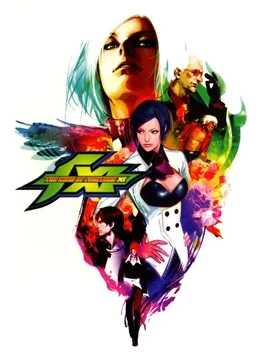
The eleventh game in the KOF series following The King of Fighters 2003. According to Sega: 'For over 10 years, the King of Fighters series has been the choice of game players around the world. The 11th team of fighters continues this tradition. KOF11 is suited for one to two players, with continuous buy-in. Choose from 33 fighters, including 4 new characters. A fifth control button was added to enhance your skills by delivering a devastating blow to your opponent, if hit at the right time. A New Skill Gauge performs a variety of tag-off moves and new attacks. A player can also custom construct a Three-Fighter Tag-Team by selecting three choice combatants.'
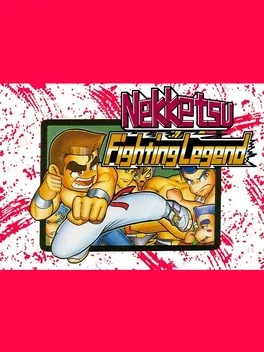
One day at school, Kunio was minding his own business when suddenly, he found a note on his locker. The note says their is a fighting tournament hosted by the "Double Tiger" twins. Seeing it as a challenge he could not refuse, Kunio runs off to participate. When Riki sees Kunio running and read his note, he decides to enter as well. Many other fighters will join in to see who is the strongest. The game was originally released as Nekketsu Kakutou Densetsu, but has since been localized as Nekketsu Fighting Legend.
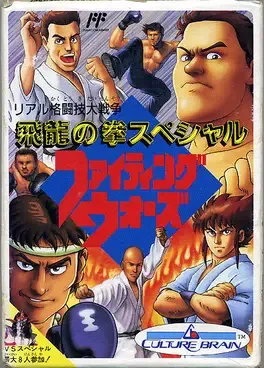
MMA-styled fighting game where each character represents a fighting style, and each style is represented by two characters.
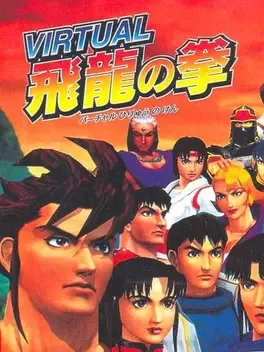
Virtual Hiryu no Ken is an entry in the Flying Dragon series for PlayStation.
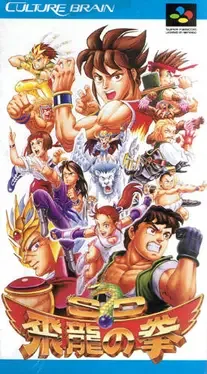
SD Hiryuu no Ken is an Action game, published by Culture Brain, which was released in Japan in 1994.
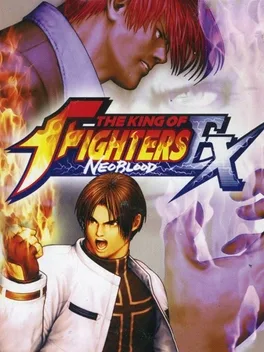
Invitations to the King of Fighters Tournament have been sent to the best fighters in the world by an unknown host. Despite suspicions of an evil scheme, the fighters are ready to enter the arena to determine who the true King of Fighters will be.
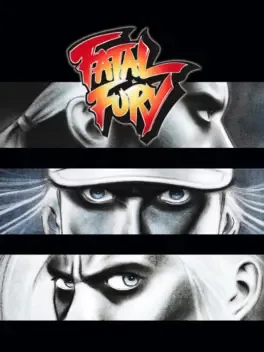
Fatal Fury is a fighting game developed by SNK and released for arcades in 1991. Players choose from a roster of martial artists and compete in one-on-one battles using punches, kicks, and special moves. The game introduced a two-plane fighting system that allows characters to move between foreground and background lanes. Its story follows Terry Bogard and his allies as they challenge the crime lord Geese Howard.