
Fighting Force


Buy
Part of collection:
Fighting Force
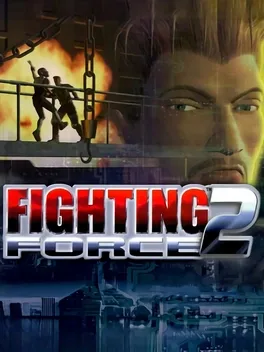
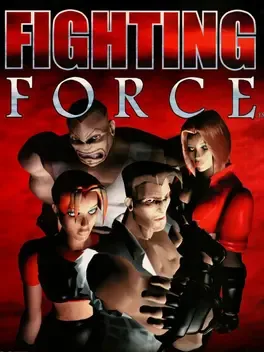
Fighting Force 2 is the sequel to 1997's original Fighting Force, which was one of the first 3D takes on the 2D Beat 'em up genre. The game was released for the PlayStation and Dreamcast and was developed by Core Design and published by Eidos Interactive. It was released in North America on 30 November 1999.
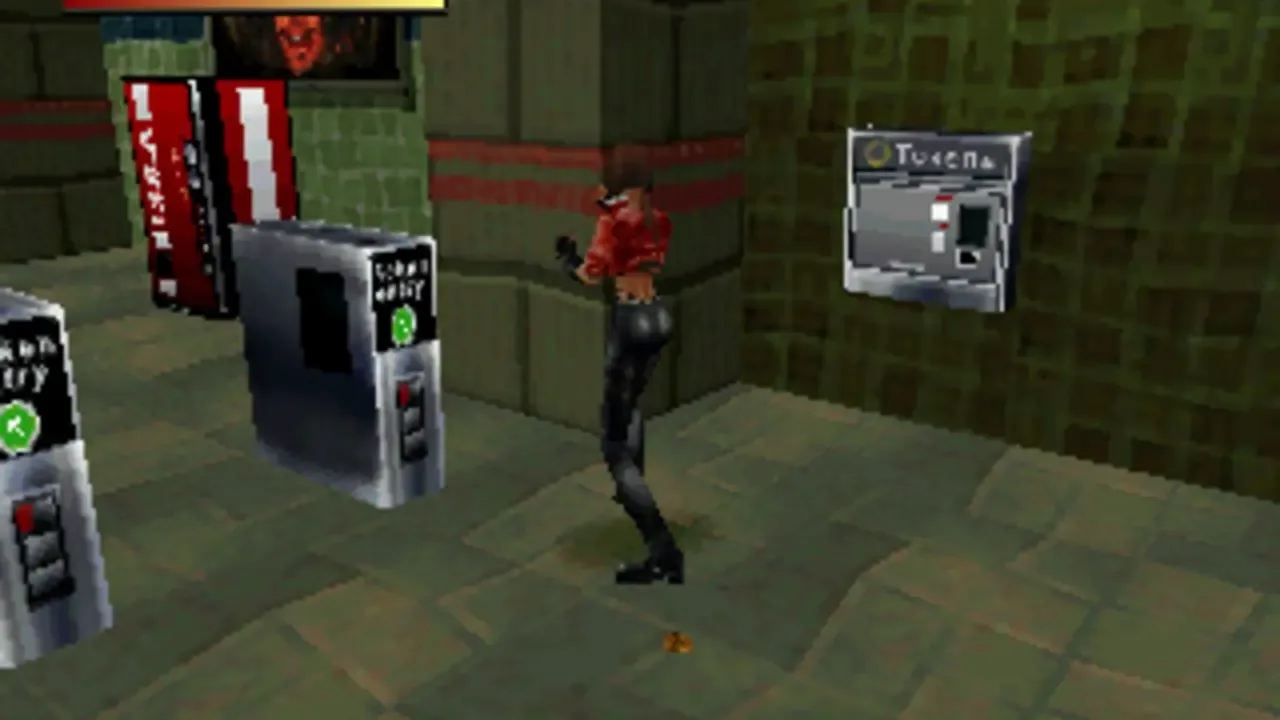
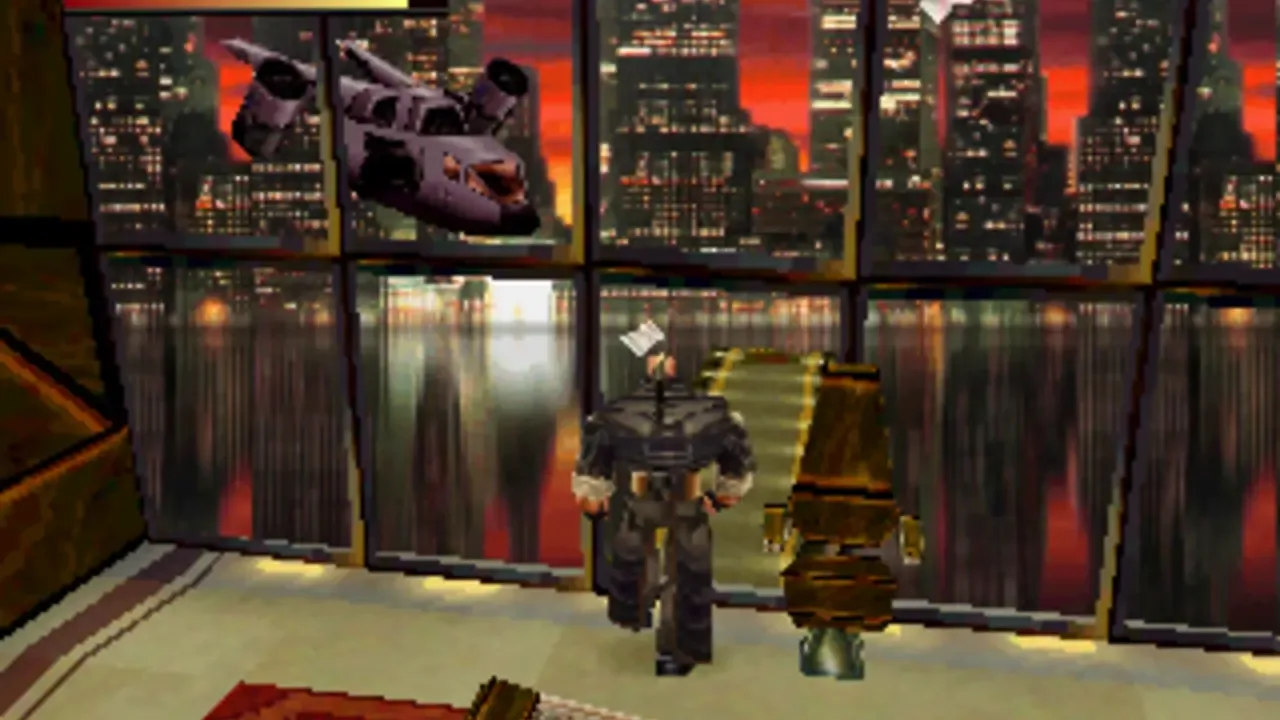
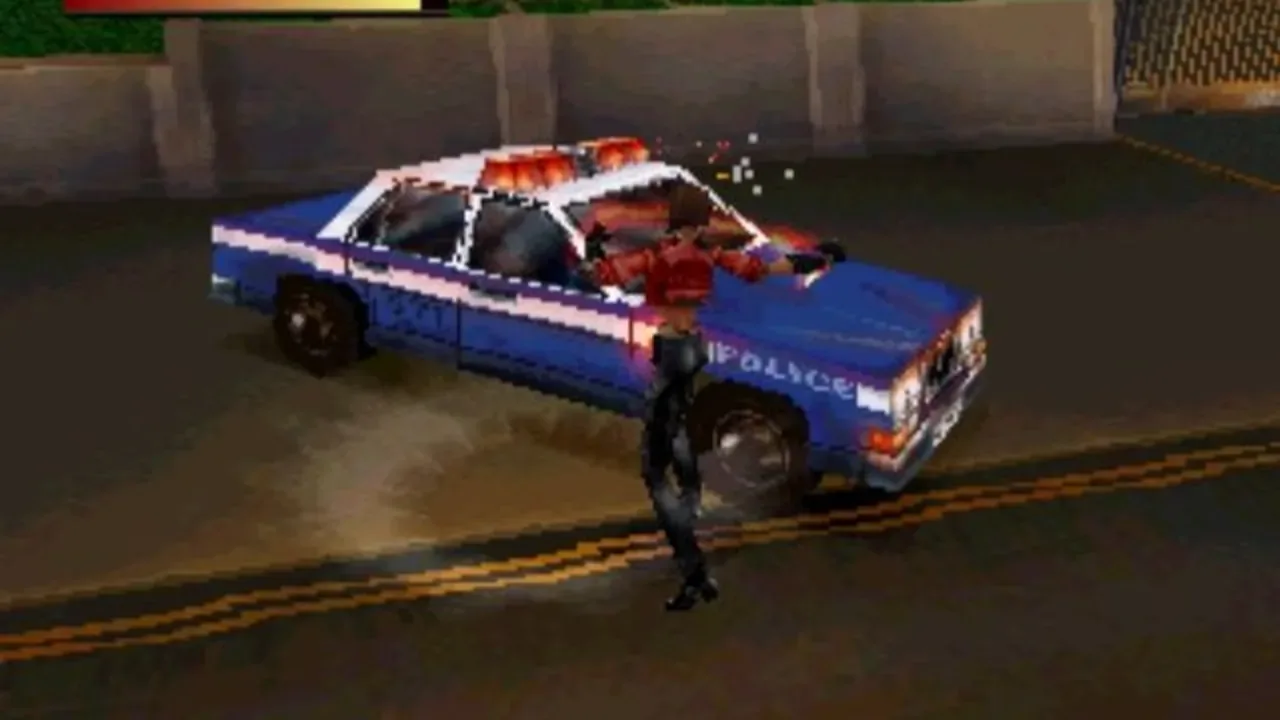
Fighting Force players control one of four characters. They move through urban and science fiction environments, battling waves of oncoming enemies with weapons ranging from fists and bottles to knives, chairs and guns. The player can make some choices as to which territory to travel through. The four characters have various reasons for taking on Dr. Zeng, a criminal mastermind with an army at his command. The action starts with a police cordon around Zeng's office skyscraper, moving to such locales as a shopping mall, subway and Coast Guard base before finally ending at the top of Zeng's island headquarters.
Could be interesting

Ehrgeiz is a 3D fighting game that features some characters from Final Fantasy VII. Cloud Strife and Tifa Lockhart are playable in the arcade and the PlayStation versions, and Sephiroth, Yuffie Kisaragi, Vincent Valentine and Zack Fair were added to the PlayStation version's roster. Ehrgeiz differs from most 3D fighting games by drawing heavily from the concepts of wrestling games and Dream Factory's own Tobal series, which allow for full 360-degree movement and do not require fighters to be facing each other at all times.
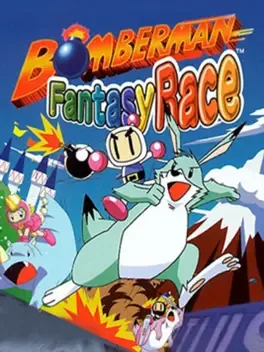
If you're looking for fun racing action, look no further than Bomberman Fantasy Race! Lightning fast competition, zany obstacle infested tracks and of course bombs! It's a battle-racing game like you've seen. Features: * Wacky animal racing! Race atop 10 different animals through 7 unique fantasy courses. Use special techniques , such as the triangle jump, bomb dash and catapult to get ahead of the competition! * Intense 2 player action! Compete against your friends in the split screen mode to prove who's #1! Best of all, clean out their piggy bank with the unique wagering system! * Over 15 crazy power-ups! Wield over 15 wacky weapons, including rocket bombs, power bombs, shields and power suits. Unleash long range attacks utilizing the unique throw meter!

Bloody Roar, known as Bloody Roar: Hyper Beast Duel in Europe and Japan, is a fighting video game originally developed by Raizing (now Eighting) as an arcade game. It was later adapted for the PlayStation by Hudson Soft and published by Sony Computer Entertainment for the PlayStation. The arcade version was released on July 7, 1997 and was titled Beastorizer in North America. The PlayStation version was released in Japan on November 6, 1997, in North America (under the title Bloody Roar) on October 31, 1997 and in Europe on March 1998. Bloody Roar is the first game in the Bloody Roar video game series and was followed by four sequels on multiple platforms. The game's story centers on a group of warriors known as "zoanthropes", who have the power to transform into half-human half-animal "Beasts", and the Tylon Corporation, and underground organization that seeks to use zoanthropes as mind-controlled weapons. The game received generally positive reviews from critics for its originality and graphics, while the audio received mixed opinions. The game's success resulted in its re-release for The Best range on October 14, 1999. The game was re-released on the PlayStation Network in North America on August 20, 2009.
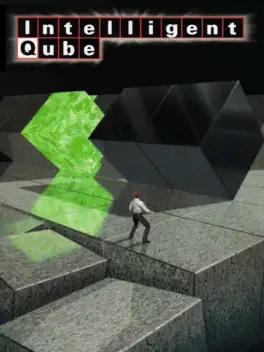
Intelligent Qube is a puzzle game for the PlayStation. In the game, the player controls a character who must run around a platform made of cubes, clearing certain cubes as they approach. Cubes are "cleared" by marking a spot on the stage, waiting for the cube to roll on top of it, and then deactivating the marked spot.

X-Men: Mutant Academy is a 3-D/2D fighting game developed by Paradox, the company behind Activision's Wu-Tang: Shaolin Style and the never-published Thrill Kill, and based on the X-Men characters from Marvel Comics. The game was released for the Game Boy Color and PlayStation as a tie-in to X-Men. X-Men: Mutant Academy is a basic fighting game that uses six buttons: three buttons for punches and three for kicks. Due to the success of the game, it was followed by two sequels: X-Men: Mutant Academy 2 and X-Men: Next Dimension. The game's characters can be played both with their comic book costumes and their costumes from the 2000 film X-Men. Characters not present in the film were given costumes of a similar design.

Real Bout changes the play controls from the previous Fatal Fury games, reducing the number of attack buttons from four to three: a standard Punch and Kick button, a "Strong Attack" button which can be either a stronger punch or kick attack, depending on the character. The game retains the three-plane "oversway" system from Fatal Fury 3, which features a main lane for fighting, with foreground and background planes used to avoid attacks or leap towards the opponent. A dedicated button is now used to make an "oversway" (or change plane) towards the background or foreground. Real Bout introduces a Power Gauge, which fills up as the player performs normal or special techniques against their opponent or defend themselves, similar to many super move gauges featured in other fighting games. The Power Gauge allows players to perform one of three types of Special Techniques, depending of the level of the Power Gauge. Real Bout also introduces stages with ring-outs, a gameplay feature previously introduced in 3D fighting games such as Virtua Fighter. If the player performs certain attacks on their opponent while next to the boundaries, the character will eventually destroy the barrier keeping the opponent in the ring and be able to knock them out of the stage for an easy win.
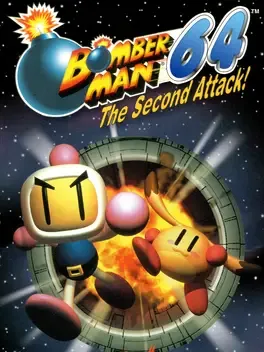
Of the great discoveries in the universe, few are more important than the legendary 8 elements. When the evil Rukifellth found one of these elements - the powerful Celestial Stone - he used his influence to assemble the dreaded BHB Army. Armed with his new army and a giant space warship, the power-crazed Rukifellth began scouring the galaxy for the other 7 elements, invading planets and enslaving innocent races throughout the galaxy. Rukifellth controls these enslaved planets with special Gravity Generators - the same devices the BHB Army used to create a Black Hole. Rukifellth uses his Black Hole to capture new planets... But he should have thought twice before he tried to capture Bomber Planet!

Bio F.R.E.A.K.S. is a 3D fighting game released by Midway in 1998. It was originally planned for arcades. However, this arcade prototype was scrapped and never officially released (although it exists on MAME), and the game was later released for the PlayStation, Nintendo 64 and PC.

Based on the 3D coin-on arcade title of the same name, SpikeOut: Battle Street offers a quick single-player mode that's about two to four hours long and each time it's beaten, a new character, with slightly different special attacks, opens up. There are around 10 levels, and 12 unlockable characters, and an online mode. You can connect with three other players for a four-player online bout on Xbox Live, and as a "sort-of" team, you then proceed to smack infinite nameless thugs into polygonal paste. The game works one way: Four humans against the computer AI. You've got a punch, kick, jump, and grapple move, and when pressed multiple times, each button ignites combos. By grappling an enemy from various angles and by pressing the Dpad in different directions when executing the throw renders various satisfying hurls.
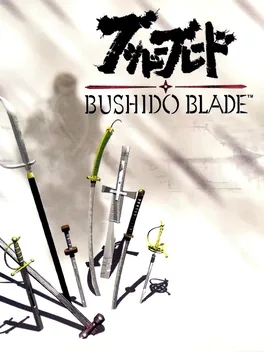
"Bushido" is the soul of Japan - an ancient honor code deeply followed by samurai warriors for centuries. Plunge into real world battles across vast 3D environments that you can run, slice and tear through. Sword matches become unbelievably real where one critical blow is the mean difference between death and victory.