
Bloody Roar







Buy
Part of collection:
Bloody Roar
(last 3 games)
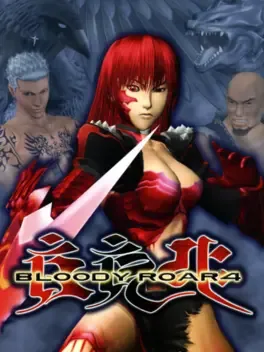
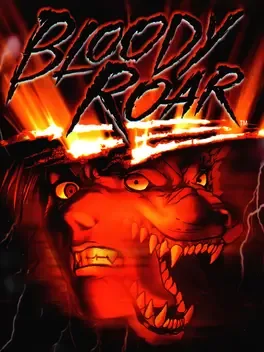
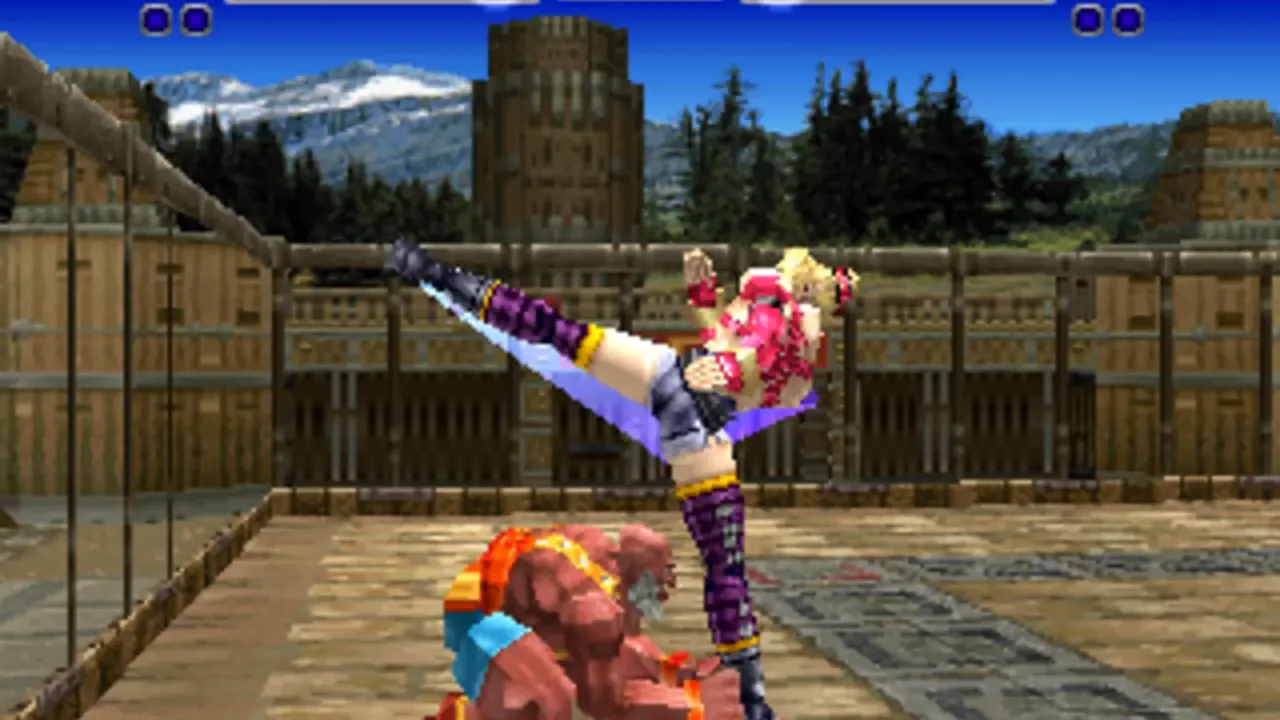
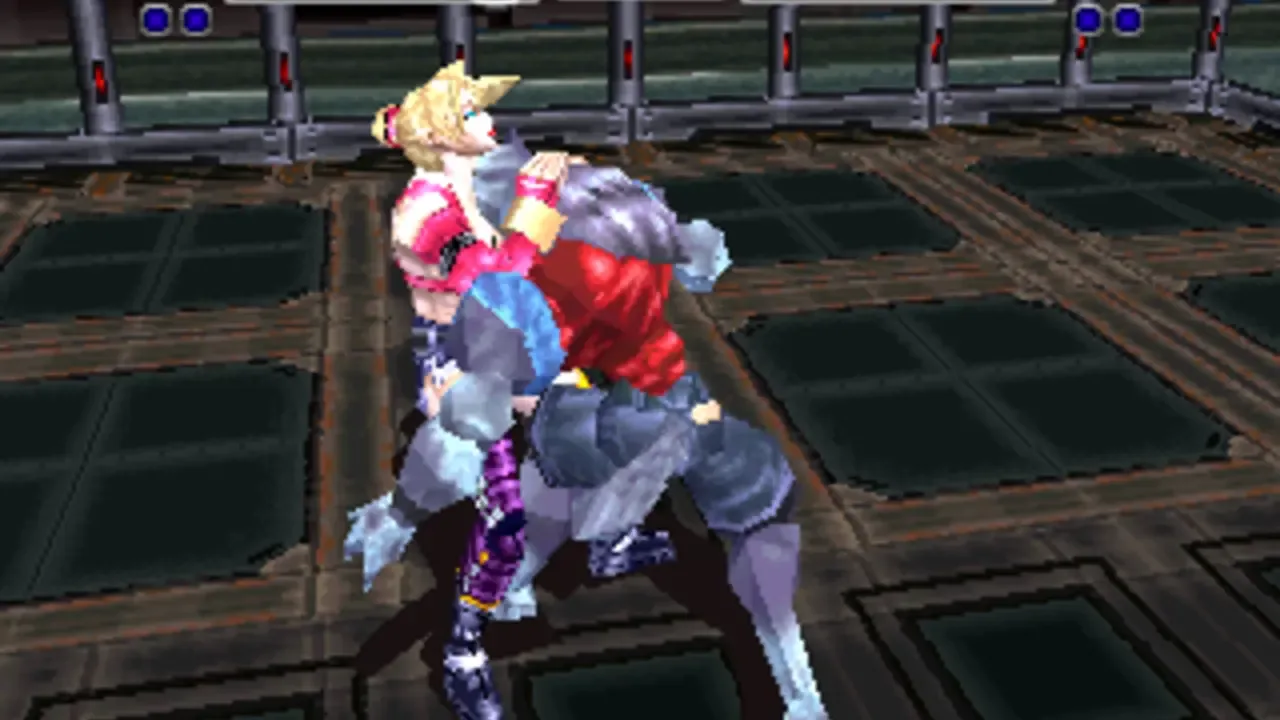
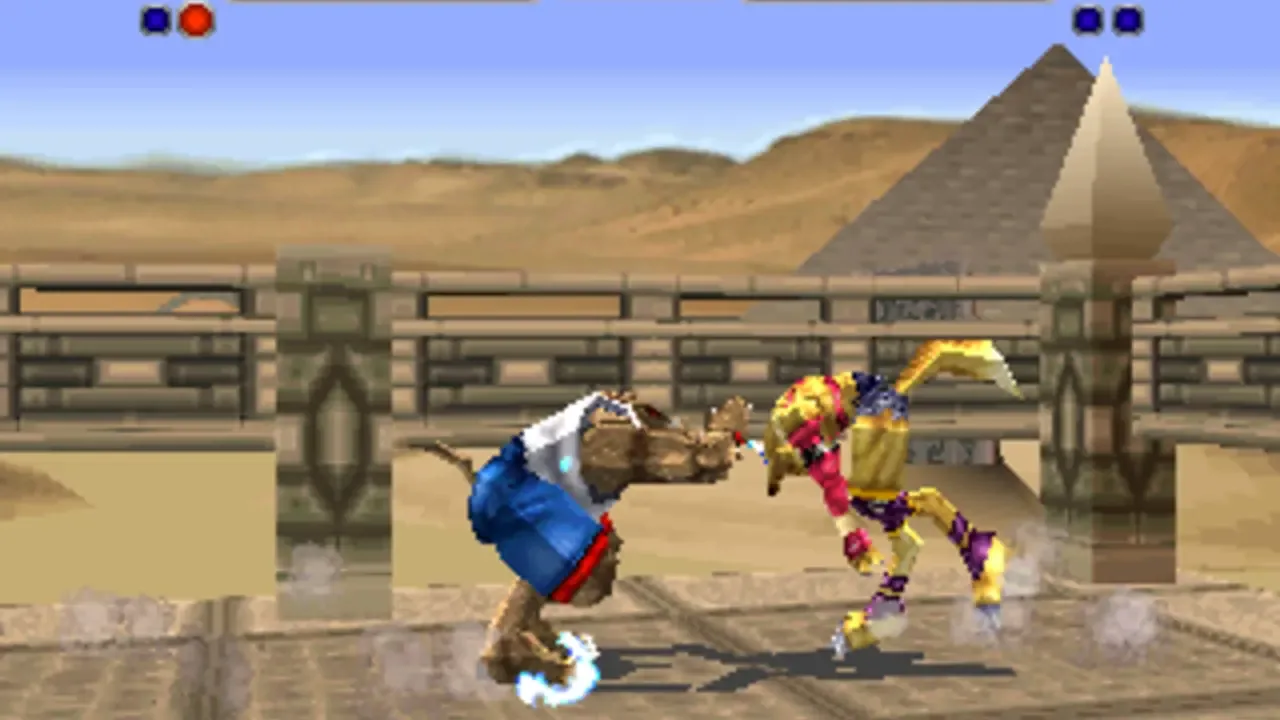
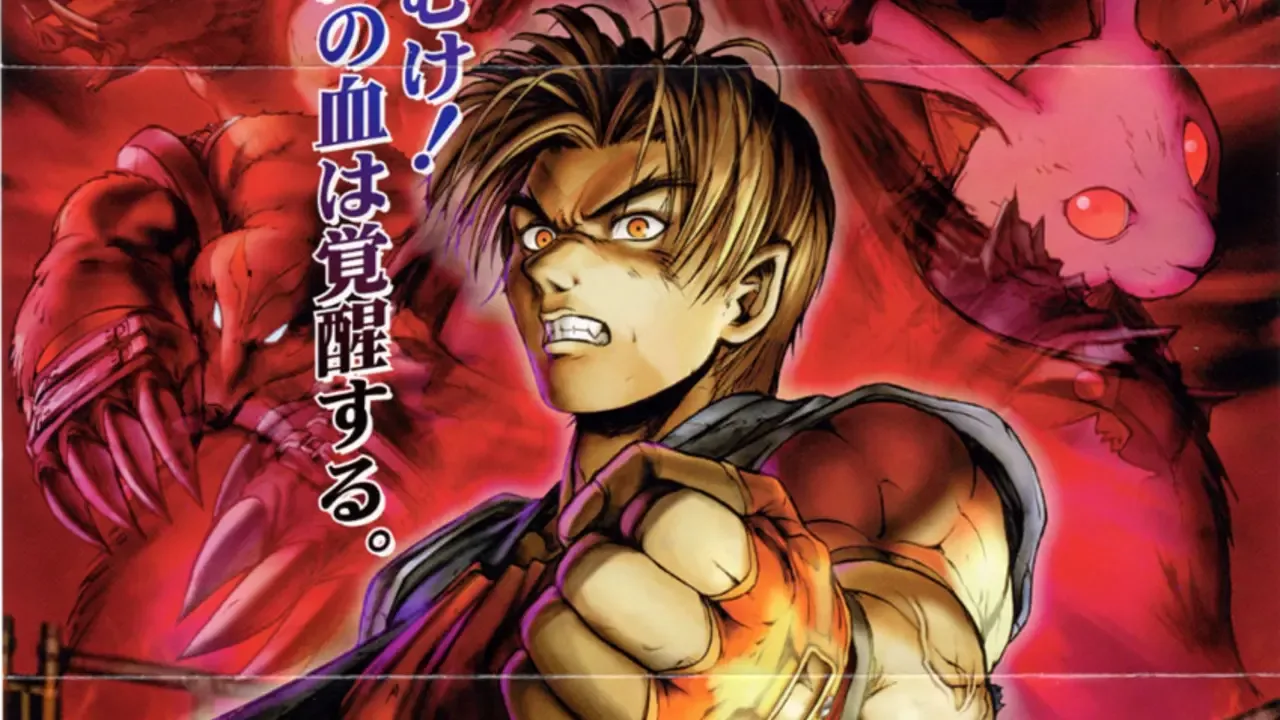
During the XGC (X-Genome Code) Incident one year ago, riots raged over the earth by beasts that did not show the XCG, and all over the country small earthquakes shook the land. The cause was unknown, but as the Crest Incident came to an end and the rioting and earthquakes subsided, people began to claim that all was due to the influence of the Stone Seal. Although the Stone Seal has been locked away, the rioting and earthquakes have returned. This time, the incidents are on a larger scale than those of a year ago. What could be behind it all? Bloody Roar 4 is the last title in the series, and is once again a full-3D fighting game featuring the series' trademark transformation abilities. Unlike previous titles in the series, the beast gauge now acts as its own health bar; if a character's health gauge is depleted, they will automatically transform. The game features 18 playable fighters and a variety of game modes, including standard arcade, versus, time-attack, training, and survival modes. Of special mention is the career mode, in which fighting battles will earn so-called "DNA points," which can be spent on abilities and equipment to customize a character for use in other modes.
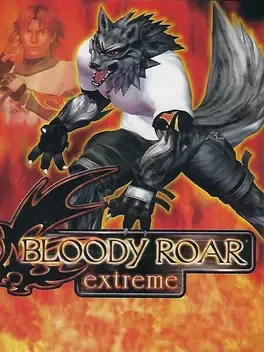
Bloody Roar Extreme is the Xbox version of Bloody Roar Primal Fury first released on the Nintendo GameCube. This version includes a new character, CGI cutscenes and hidden game modes.
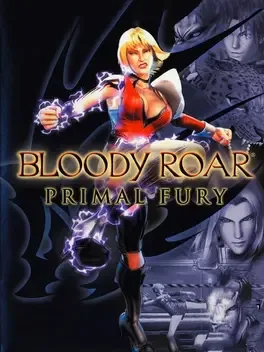
Bloody Roar Extreme (also known as Bloody Roar: Primal Fury outside of Japan) is a fighting game. It is an updated version of the PS2 game Bloody Roar 3. Players can control a number of characters which have the ability to morph into powerful animals, such as tigers and wolves.
Part of franchise:
Bloody Roar
(last 3 games)
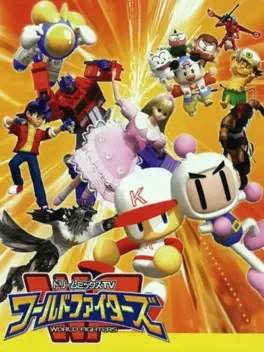
A fledgling television program has been suffering from poor audience approval, and the station that carries the show has informed its producers that they will have to rectify the situation or face inevitable cancellation. An unorthodox plan is implemented: broadcast a contest pitting various superstars from differing realities in physical combat in order to increase ratings.
During the XGC (X-Genome Code) Incident one year ago, riots raged over the earth by beasts that did not show the XCG, and all over the country small earthquakes shook the land. The cause was unknown, but as the Crest Incident came to an end and the rioting and earthquakes subsided, people began to claim that all was due to the influence of the Stone Seal. Although the Stone Seal has been locked away, the rioting and earthquakes have returned. This time, the incidents are on a larger scale than those of a year ago. What could be behind it all? Bloody Roar 4 is the last title in the series, and is once again a full-3D fighting game featuring the series' trademark transformation abilities. Unlike previous titles in the series, the beast gauge now acts as its own health bar; if a character's health gauge is depleted, they will automatically transform. The game features 18 playable fighters and a variety of game modes, including standard arcade, versus, time-attack, training, and survival modes. Of special mention is the career mode, in which fighting battles will earn so-called "DNA points," which can be spent on abilities and equipment to customize a character for use in other modes.
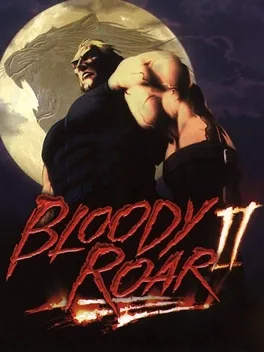
Bloody Roar 2, is a brawler arcade game developed by Eighting/Raizing in 1999. (Also known as Bloody Roar 2: Bringer of the New Age in Japan/Europe and Bloody Roar II: The New Breed in the United States.) Bloody Roar series differs from other fighting games as every character has a beast mode that can be used to use new attacks, recover some of lost health and generally to be faster and/or more powerful with their attacks.
Could be interesting
Bloody Roar 2, is a brawler arcade game developed by Eighting/Raizing in 1999. (Also known as Bloody Roar 2: Bringer of the New Age in Japan/Europe and Bloody Roar II: The New Breed in the United States.) Bloody Roar series differs from other fighting games as every character has a beast mode that can be used to use new attacks, recover some of lost health and generally to be faster and/or more powerful with their attacks.
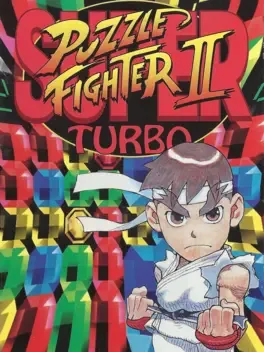
The game's title is a parody of Super Street Fighter II Turbo (or Super Street Fighter II X in Japan), as there are no other Puzzle Fighter games, and the game includes music and interface elements spoofing the Street Fighter Alpha and Darkstalkers games. It was a response to SEGA's popular Puyo Puyo 2 that has been sweeping Japanese arcade. A HD-remake version titled Super Puzzle Fighter II Turbo HD Remix, is available for purchase on Microsoft's Xbox Live Arcade and Sony's PlayStation Network.
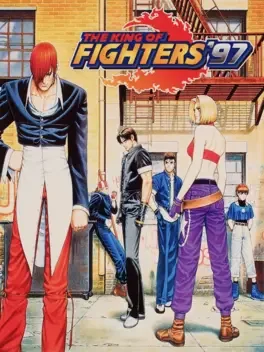
The King of Fighters '97 is a 1997 fighting game produced by SNK for the Neo Geo arcade and home console. It is the fourth game in The King of Fighters series. It was ported to the Neo-Geo CD, as well as the PlayStation and the Sega Saturn in Japan only.
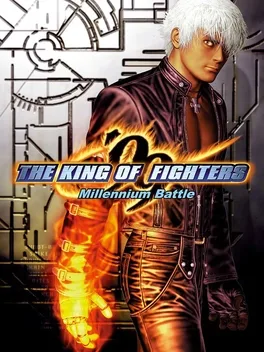
"The King of Fighters '99: Millennium Battle" is the sixth game in The King of Fighters series by SNK. Unlike in previous games of the series, there are four characters per team instead of three, with the fourth serving as a "Striker", a fighter whose function is only to enter a match, attack the opponent and leave without replacing their teammates. In total, there are seven teams, each containing four characters, four Team Edit characters and a boss.
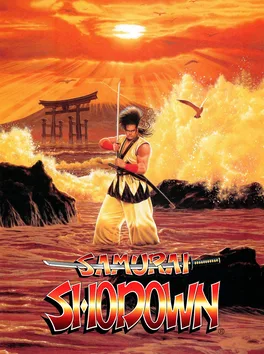
In early Japan, a man named Shiro Tokisada Amakusa preaches a heretic religion. Little does anyone know that Amakusa is really a servant of the evil Ambrosia, who took over Amakusa's body. Ambrosia wishes to shroud the world in darkness. Now, choose between 12 warriors (and 3 bonus characters) to fight for the honor of destroying Amakusa, and fulfilling a mission.
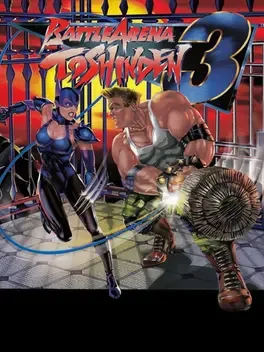
The Toshinden: the timeless battle tournament where only the best are invited, and only the strongest survive. Now, this third installment takes the fighting action to a level never seen before! You're caged like an animal in newly designed and closed-in arenas. Battle to the exhausting finish against over 30 sexy, bloodthirsty and deadly characters, each with their own weaponary, style and moves. Plus fast fresh graphics, unbelievably smooth gameplay and responsive controls makes this tournament the ultimate force to be reckoned with. - 10 all new and closed-in arenas. Riccochet off walls and ceilings and attack and retreat! - Over 30 characters, 12 never before seen - Dozens of new killer moves, strategies and multi-hit combination attacks - 2 player mode for head-to-head action - Battle in 30 frames or even faster 60 frames per second - Practice, Survival or Team Battle Mode not found in the Japanese version.
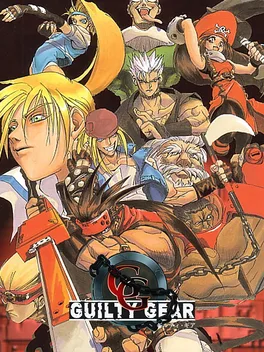
Guilty Gear is a 2D fighting game, in which you can play as one of 10 very different kind of characters. There is a selection of fighters from Holy Order knights, Armed Air Force soldiers, Mafia members and mad scientists. Each character has his/her own storyline that will be fully revealed during the final showdown. In battles, you can charge up for special attacks, as well as perform Deathblow moves, which would kill the opponent instantly. You can either choose to finish the Arcade mode, challenge your friends to a Versus battle, or either train your skills out in the Training mode.
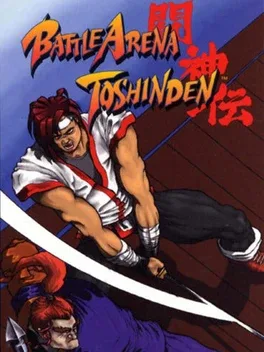
Get Ready To Rumble! The Toshin Daibukai tournament has arrived. Ten of the toughest fighters in the world are taking part in the most grueling slugfest known to man. To win, each combatant must be completely focused. One slip and their fate is sealed. Who will be crowned the champion? That is up to you. So get off your duff and get ready for the fight of your life with Battle Arena Toshinden!
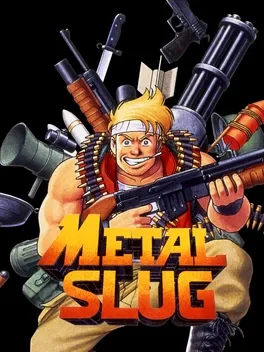
Metal Slug is a 1996 run-and-gun arcade video game originally developed by Nazca Corporation and released by SNK for the Neo Geo MVS. It is the first installment in the eponymous series. Set in 2028, players assume the role of Peregrine Falcon Strike Force soldiers Marco Rossi and Tarma Roving in a fight against the Rebel Army led by Donald Morden and overthrow his coup d'état to prevent a New World Order.
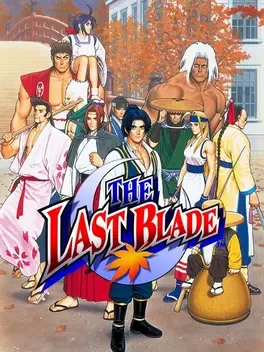
The Last Blade is a fighting game developed and published by SNK and released in arcades in 1997. It is set in a fictional version of late 19th-century Japan and features a roster of sword-wielding characters. The game uses a weapon-based combat system with selectable fighting styles that emphasize speed or power. Its presentation draws heavily on historical themes and traditional Japanese aesthetics.