
Ganbare Goemon Gaiden: Kieta Ougon Kiseru


Buy
Part of collection:
Ganbare Goemon Gaiden
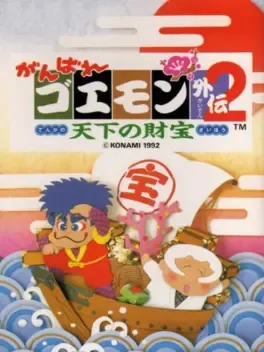
Ganbare Goemon Gaiden 2: Tenka no Zaihou is a Role-Playing game, developed and published by Konami, which was released in Japan in 1992. This game is the first title that really defined the Goemon (Legend of the Mystical Ninja) series. It is a virtual atmosphere of a Japan where every myth and legend that ever came to exist are brought to life in this game, be it amazing clockwork machinery, Ice spirits that are out to haunt the player, or a trip down to hell for harming the Ojisan statues.
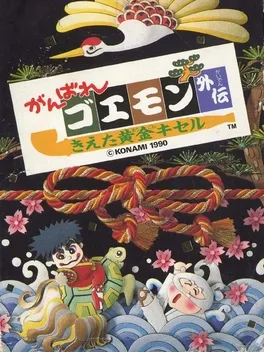
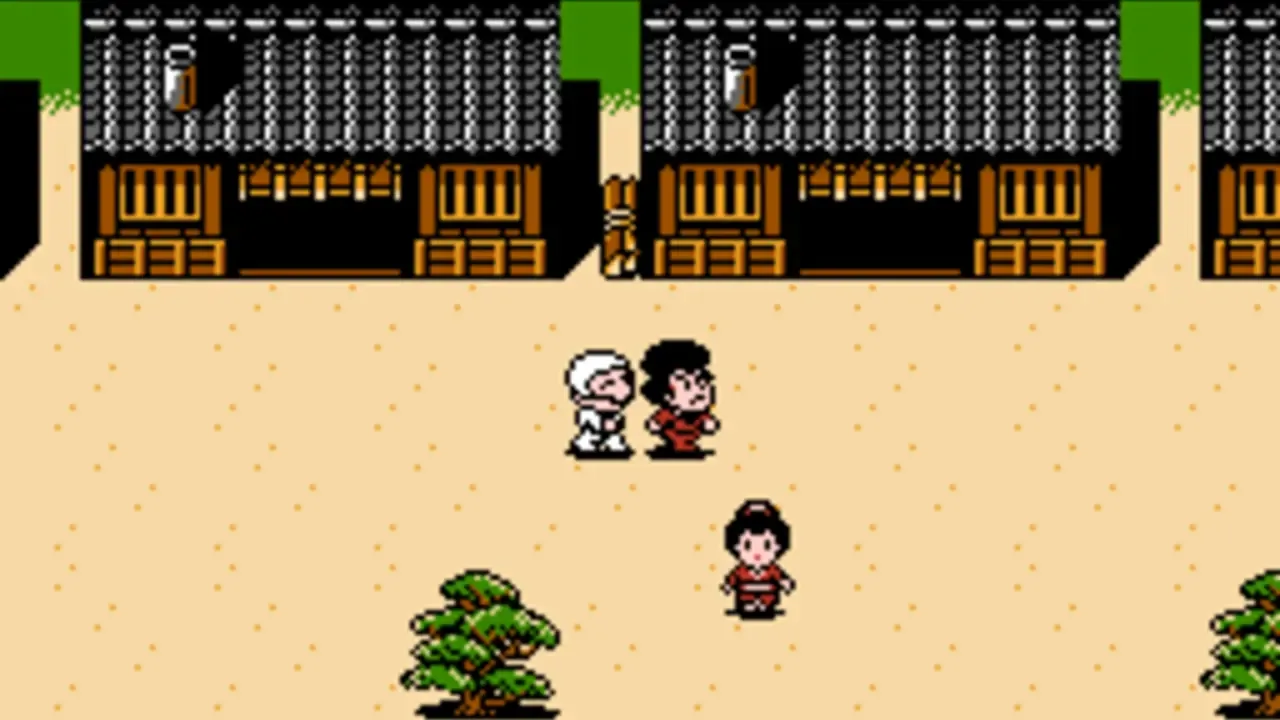
Ganbare Goemon Gaiden: Kieta Ougon Kiseru is a Role-Playing game, developed and published by Konami, which was released in Japan in 1990.
Part of collection:
Mystical Ninja
(last 3 games)
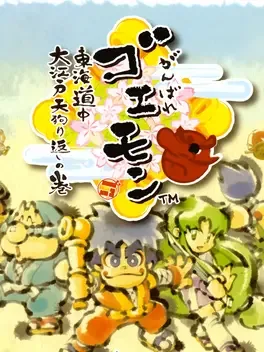
A Ganbare Goemon game released for the Nintendo DS on June 23, 2005 in Japan. Its release marked the revival of the series' medieval Japanese themes and quirky humor, as previous games had taken place in a futuristic setting or with a more serious tone.
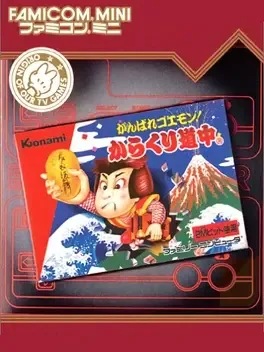
Famicom Mini: Ganbare Goemon! - Karakuri Douchuu is a Game Boy Advance video game released in 2004 by Nintendo. It is a remake of Konami's Famicom game Ganbare Goemon! Karakuri Douchuu, and little to no alterations were made on the game to stay faithful to the original title. The game was not released in America or Europe, and thus was exclusive to Japan. It was part of the Famicom Mini Series that re-released a variety of classic Famicom games for the Game Boy Advance.
Mini Kyodai Robo Goemon Compact is a role-playing game for mobile phones, part of the Ganbare Goemon series. It was published by Konami and released in May 7, 2003 exclusively in Japan.
Part of franchise:
Mystical Ninja
(last 3 games)
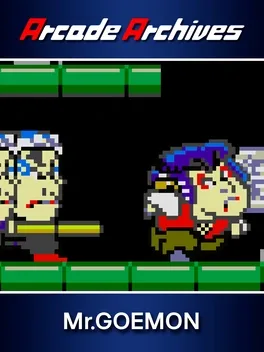
Arcade Archives: Mr. Goemon is a port of the action game Mr. Goemon. The player has to reach the goal by using various items while not getting caught by the enemies. This title is said to be the foundation of the Ganbare Goemon series which is the representative title for Konami at the time.
A Ganbare Goemon game released for the Nintendo DS on June 23, 2005 in Japan. Its release marked the revival of the series' medieval Japanese themes and quirky humor, as previous games had taken place in a futuristic setting or with a more serious tone.
Famicom Mini: Ganbare Goemon! - Karakuri Douchuu is a Game Boy Advance video game released in 2004 by Nintendo. It is a remake of Konami's Famicom game Ganbare Goemon! Karakuri Douchuu, and little to no alterations were made on the game to stay faithful to the original title. The game was not released in America or Europe, and thus was exclusive to Japan. It was part of the Famicom Mini Series that re-released a variety of classic Famicom games for the Game Boy Advance.
Could be interesting
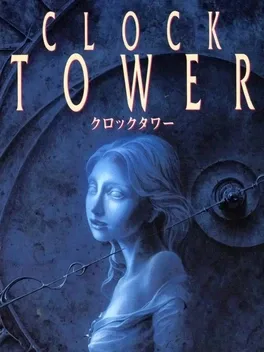
Clock Tower is a survival horror point-and-click adventure game developed and published by Human Entertainment for the Super Famicom in 1995. It is the first installment of the long-running Clock Tower series. The story follows Jennifer Simpson as she learns the secrets of the Barrows Mansion and attempts to escape the game's antagonist, Scissorman.
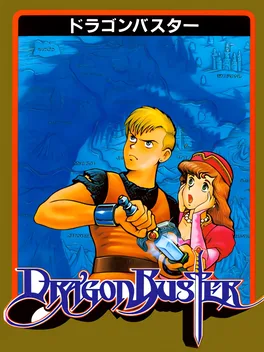
A 1984 arcade platformer with action RPG elements, Dragon Buster is notable as the first game to feature a double jump. It was also one of the first games to include a life meter (along with Flash Boy and Punch-Out), known as vitality in this game. The game featured side-scrolling platform gameplay and a hub "world view" map similar to the later Super Mario Bros. series. It also featured hack & slash combat, like the later Tritorn and Legend of Zelda series. Dragon Buster was developed and published by Namco. The game is a side-scrolling dungeon crawler, where the goal of the game is for the hero, Clovis, to rescue Princess Celia. Dragon Buster was later ported to a variety of home consoles, notably the Nintendo Entertainment System and the MSX. It runs on Namco Pac-Land hardware, modified to support vertical scrolling
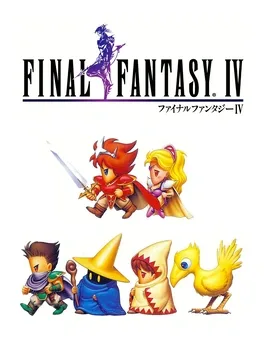
FINAL FANTASY IV is the fourth main installment in the FINAL FANTASY series, developed and published by Squaresoft. It was released in July 1991 for the Super Nintendo Entertainment System in Japan, and released as FINAL FANTASY II in North America in October 1991 with alterations made due to Nintendo of America's guidelines at the time.
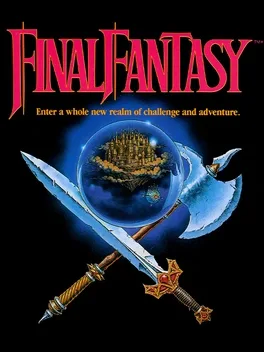
Final Fantasy, also known as FFI in re-releases, is the first role-playing game title in Square's flagship Final Fantasy series. The game puts players in control of four characters known as the Warriors of Light, and begins by asking the player to select the classes and names of each. The Warriors of Light can traverse the maps of dungeons and towns, which are connected by a world map, and will run into random encounters with enemies or fight bosses.
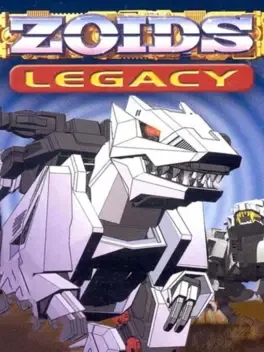
At the outer reaches of the universe, the human inhabitants on the Planet Zi remain locked in combat. The population, divided between good and evil, uses gargantuan life forms called Zoids to battle each other for control of this world. During a recent weapons experiment, Planet Zi underwent an accidental time-space fusion, creating a collision of Zoids warriors from two eras, the Chaotic Century and the New Century. Now, all hopes of returning Planet Zi to normal rest with Zeru, a promising Zoids warrior. Help Van, Fiona, Bit Cloud and Zeru use the full power of the ZOIDS to bring peace to their world. As the story unfolds, players can customize and upgrade their own unique Zoids to improve its efficiency and perform combination attack moves. Released in Japan as Zoids Saga II, Legacy features more than 140 different types of Zoids, each can be customized with different weapons and new color schemes.
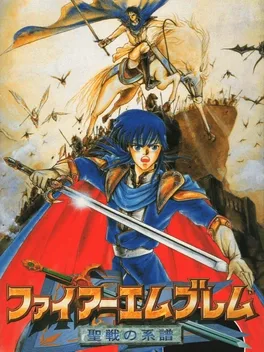
Fire Emblem: Genealogy of the Holy War is a Japanese Super Famicom tactical role-playing game developed by Intelligent Systems and published by Nintendo. It was released on May 14, 1996 in Japan. It is the fourth title in the Fire Emblem series, the second Fire Emblem title for the Super Famicom, and the last game produced by the late Gunpei Yokoi. It was released on the Japanese Virtual Console service on January 30, 2007. The game was originally to be titled as Fire Emblem: Light Inheritors.

Digimon World Dusk, originally released as Digimon Story Moonlight in Japan, is a Digimon video game for the Nintendo DS handheld game console. It was released in Japan on March 29, 2007 and North America on September 18, 2007. It serves as the second game in the Digimon Story series, though it was marketed as a game within the Digimon World series in North America.
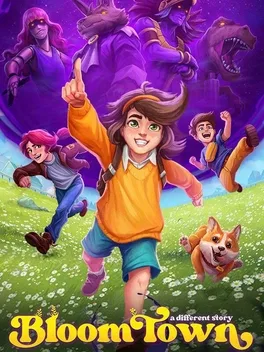
Bloomtown: A Different Story is a narrative JRPG mixing turn-based combat, monster taming and social RPG set in a seemingly pleasant 1960s Americana world. Join Emily and her group of friends to save their cozy town from the demonic creatures that live in the hearts of its residents!
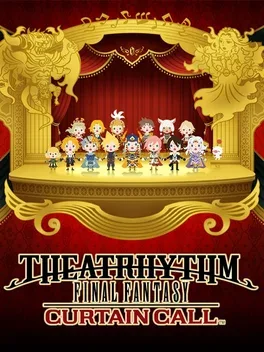
A sequel to the first FINAL FANTASY rhythm action game released in 2012, THEATRHYTHM FINAL FANTASY CURTAIN CALL expands on the original in every way with new gameplay modes, over 200 songs, and 60 playable characters. Featuring music that spans the full breadth of the storied FINAL FANTASY franchise, players tap along to the memorable beats and harmonies as the adorable, stylized characters battle and quest through their worlds. The music of over 20 titles is brought together in one package, fusing together the moving scores, cinematic visuals, and role-playing elements the series is known for.
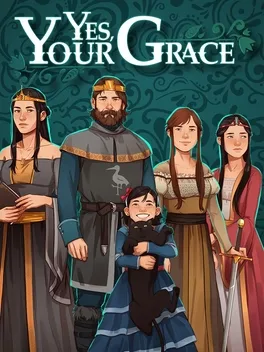
In this kingdom management RPG, petitioners will arrive in the throne room each turn to ask for your advice and assistance. Decide whether to help them with their problems, or to conserve resources for more important matters. Remember: supplies are limited, and not everyone has the kingdom’s best interests at heart...