
Guardian Heroes


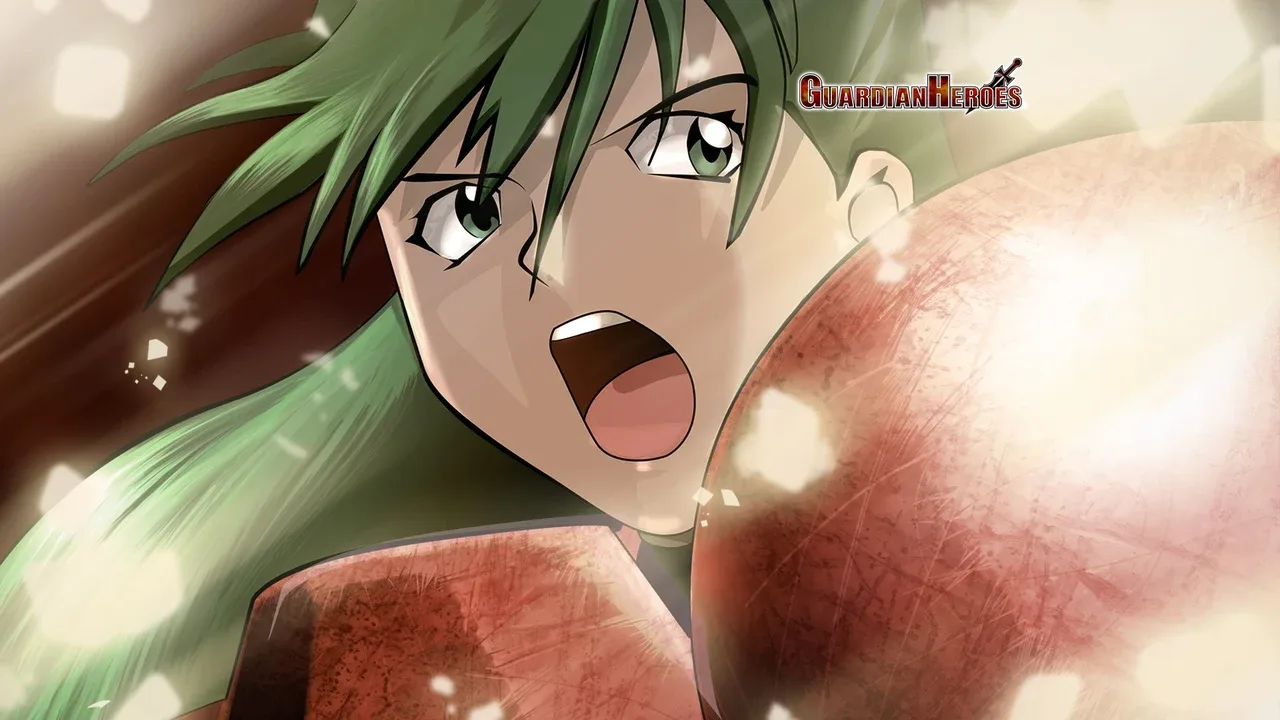
Buy
Part of collection:
Guardian Heroes
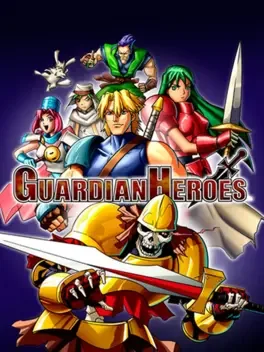
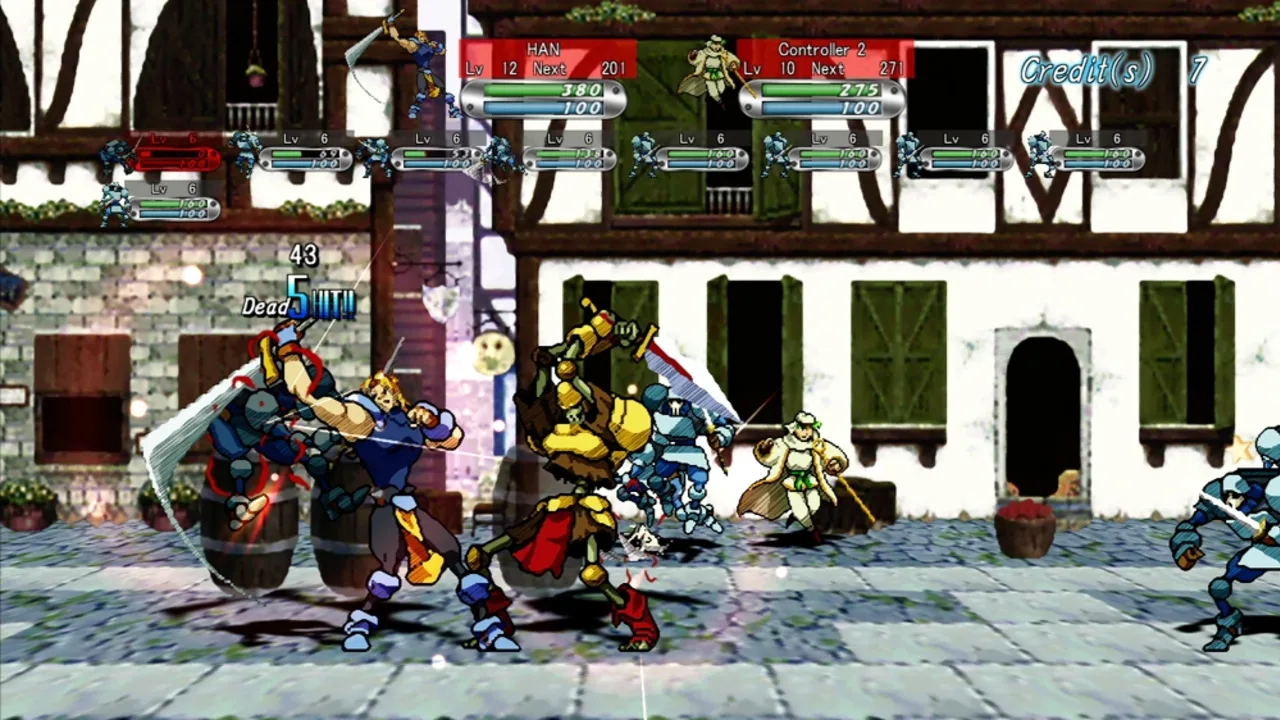
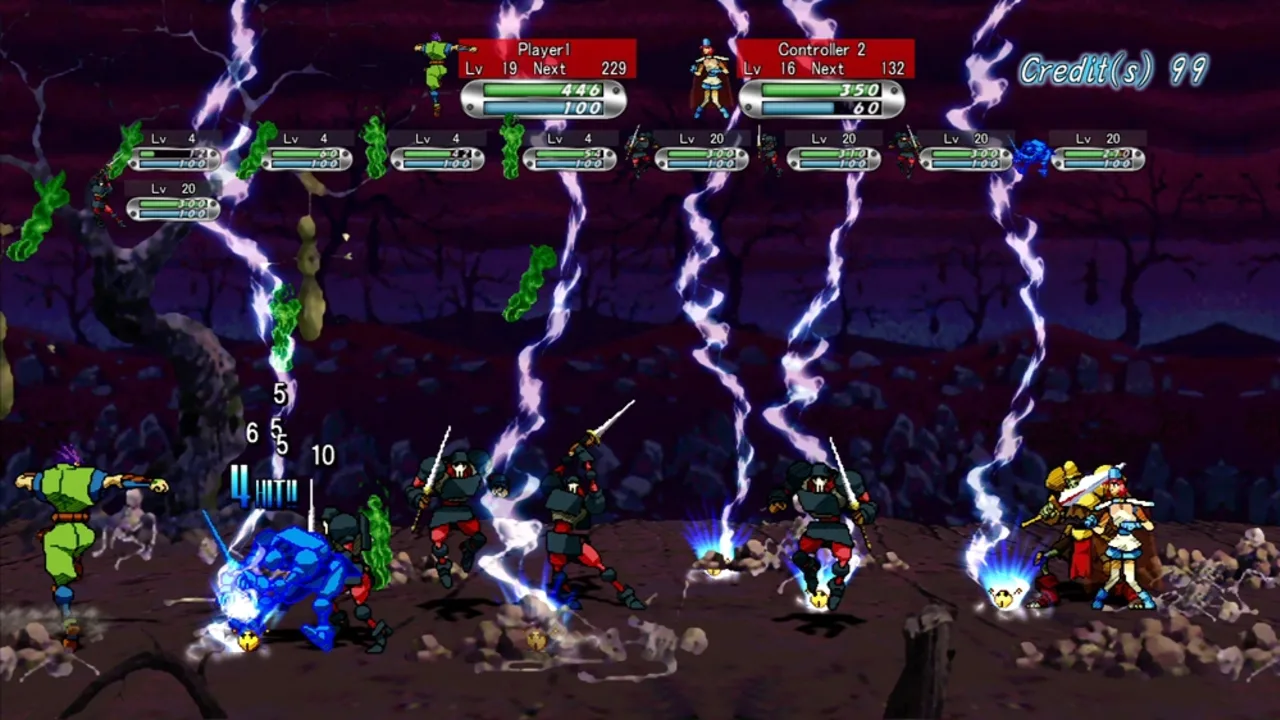
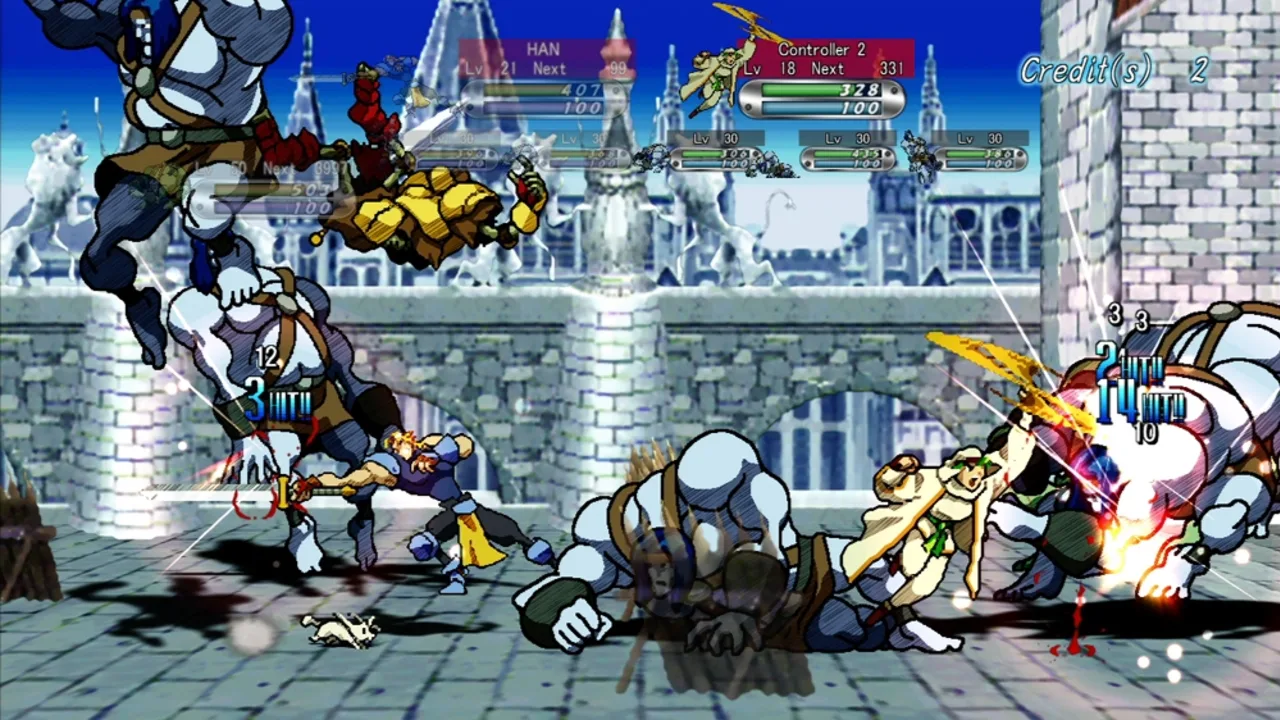
A remastered version of Guardian Heroes supporting a 16:9 aspect ratio, new user interface, and upscaling filter.
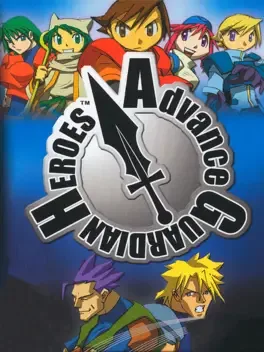
Based on the Sega Saturn's Guardian Heroes, Advance Guardian Heroes brings a classic game to life on your Game Boy Advance. Not your ordinary side-scrolling fighter, the game features more than 20 playable characters, 160 powerful moves, and different multiplayer scenarios. Each fighter has unique moves and abilities, which you can upgrade as you progress through the game. Whether you play solo, with friends, or against friends, you can delve into a variety of challenges and battle arenas.
Guardian Heroes is a 2D side-scrolling beat 'em up video game with RPG elements developed by Treasure and released in 1996 for the Sega Saturn. A band of young adventurers begin a quest to change the fate of their kingdom after an enchanted sword falls into their hands. Players may choose between four characters, each with their own unique fighting style, and embark on many different paths in the game's story mode. The game also includes a special versus mode wherein up to six players can compete against each other in arena combat.
Could be interesting
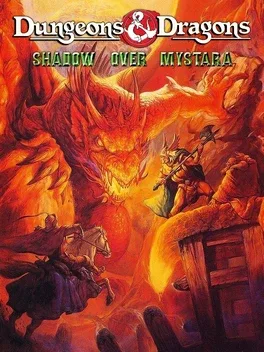
Shadow over Mystara is a side-scrolling beat-'em-up with role-play elements that make it stand out from other similar games released at the time. In addition to the original four heroes found in its predecessor, Dungeons & Dragons: Tower of Doom (Cleric, Dwarf, Elf and Fighter), Shadow of Mystara adds a Thief and a Magic-User to the selection. Furthermore, with the inclusion of two separate versions of each character's sprite set, the game allows up to two players to select the same character (in Tower of Doom each of the characters could only be selected once), effectively giving the game 12 "different" characters to choose from. The two Clerics and two Magic Users also have subtle differences within their spell books. The controls are using four buttons: Attack, Jump, Select (brings up a small inventory ring around the character allowing the player to choose what item is set in the Use slot) and Use. The Cleric, Elf and Magic-User also have two extra rings for their spells, with the Jump button used to switch from ring to ring. While the game uses the same kick harness as the previous game, the Select and Use buttons are reversed. Shadow over Mystara also introduced a selection of special moves which are executed by moving the joystick and tapping the buttons in certain combinations, in a way similar to the Street Fighter series. The characters (except for the Magic-User) have a Dashing Attack as well as a Rising Attack which can be used to combo monsters or even juggle them in the air. Most characters (again, with the exception of the Magic-User and also Cleric) also have a Megacrush, a move common to nearly all of Capcom side-scrollers, which damages all enemies standing close enough to the character but in turn also damaging the player themselves.
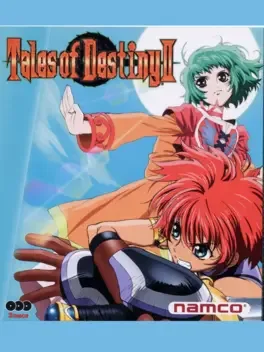
Tales of Eternia is an action japanese role playing game, with real time battle scenes (combos and spells can be assigned to the face buttons). The game is set in the fantasy world of Inferia, follows the story of a young hunter named Reid Hershel and his friends, Farah and Keele, as they meet a mysterious girl who speaks an unknown language. Their subsequent quest to discover her origins leads them across a dimensional boundary to an entirely different realm known as Celestia, where they become involved in an age-old conflict between the two worlds. It would later inspire a 13-episode anime co-produced by Production I.G loosely based on the game's plot.
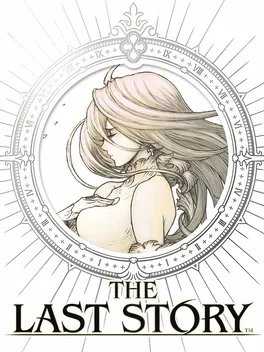
The Last Story takes place upon the island fortress of Lazulis, in a world that is slowly being drained of life by an unknown force. The story focuses on a group of mercenaries looking for work on Lazulis; one of their number, Zael, dreams of becoming a knight. During gameplay, the player controls Zael as he and the mercenary group to which he belongs undertake missions on Lazulis. Zael can command the rest of the mercenary squad during missions, and fights in battles that involve action, tactical and stealth elements.
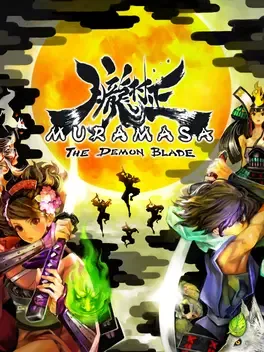
Based on ancient Japanese lore, Murumasa: The Demon Blade plunges players into the mystical Genroku era, ruled by the skilled shogun Tsunayoshi Tokogawa. But this culture is threatened; Tokugawa's thirst for power leads to a conflict over the enormously powerful, though cursed, Demon Blades. Used in hatred, drenched in blood, the cursed blades condemn those who use them to tragedy, madness, and untimely deaths. As chaos spreads, denizens from the netherworld breach their realm as these malevolent swords summon evil spirits -- and the Dragon and Demon Gods as well. Featuring hand-drawn 2D art reflecting the heritage and tone of the storyline, Muramasa: The Demon Blade transports players into a little known mythology, envisioned by the creators of the critically acclaimed Odin Sphere. Players take on the role of a male ninja or female kunoichi, utilizing their ninja prowess to traverse the clever side-scrolling levels that feature vertical progression as well as the traditional horizontal stage advancement.
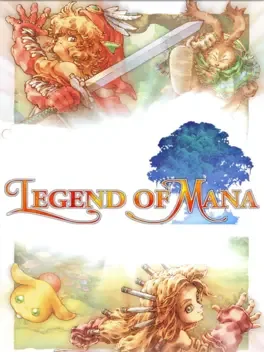
While incorporating action role-playing game elements from the three games which preceded it, Legend of Mana has its own distinct style of gameplay. Most notably, it gives the player the ability to shape the game's world of Fa'Diel according to his or her desires, a system which was incorporated through the use of "artifacts," which are gained as the player progresses through the game. The player uses the artifacts to create different towns, dungeons, etc., called "Lands", to venture to and explore. This creates a non-linear gameplay, since the game is driven by a series of what would be considered side-quests in other games. Legend of Mana features three different plots which can occur simultaneously, and which do not necessarily need to be completed for the player to finish the game. Legend of Mana was a financial success in Japan. While the game garnered considerable praise for its graphics and presentation, many critics and fans were turned off by the game's lack of a main storyline.
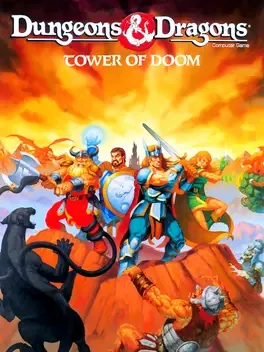
Tower of Doom is a side-scrolling arcade game featuring four different characters (cleric, dwarf, elf, fighter) fighting iconic Dungeons & Dragons monsters. Bosses include a troll that regenerates unless burned, a large black dragon, the dreaded Shadow Elf (Mystara's equivalent of the drow), a beholder, the optional superboss Flamewing (a great wyrm red dragon) and the final boss Deimos (an archlich). At points in the game the players are presented with a choice of paths to take to continue progress. Each path goes to a different area, and it is impossible to visit every area in a single play. The gameplay is more technical than the average on beat'em up games. In addition to the usual basic attacks and jumping it includes blocking, strong attacks, turning attacks, dashing attacks, crouching and evading. It also requires the use of careful tactics, as most enemies have the same abilities as the heroes and can out-range them, too. Daggers, hammers, arrows and burning oils can be used as throwing weapons, and many enemies have similar weapons. Spells can be used by means of magical rings or by the two playable spellcasters (a cleric and an elf).
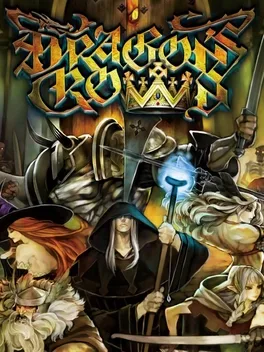
Dragon's Crown is a multiplayer hack-and-slash beat'em up game with breathtaking visual style, a design built around cooperative play, epic boss fights, and the ability to discover a new adventure in every play session. Developer Vanillaware deftly marries stunning hand-drawn and animated art work with deep, action-packed hardcore gameplay. Dragon's Crown allows up to four players to team up locally or online to clear out monster-ridden dungeons, discover precious treasure, and destroy awe-inspiring bosses. Its unique, highly replayable design means that every time players can boot up and log on, they can expect a different experience. Unparalleled in their unique style, Vanillaware painstakingly hand-paints every detail, be it a blade of grass or the scales on the game's impressive dragons. The game becomes a lush, vibrant storybook come to life when everything starts to animate in gorgeous full HD.
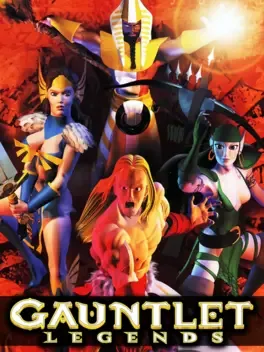
Gauntlet Legends is an arcade game released in 1998 by Atari Games. It is a fantasy themed hack and slash styled dungeon crawl game, a sequel to 1985's popular Gauntlet and 1986's Gauntlet II and marks the final game in the series to be produced by Atari Games. Its unusual features for an arcade game included passwords and characters that could be saved, enabling players to play over the course of a long period.
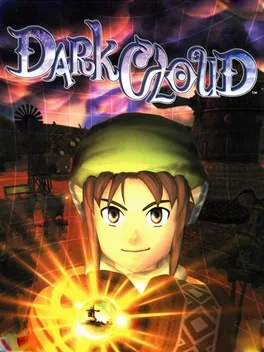
One of the PS2's first RPGs, Dark Cloud is a title that challenges players to not only strategise, battle and solve puzzles, but also to create geographical landscapes using the new Georama system. Gamers assume the role of a young boy named Toran on an unforgettable journey of rebirth, revival and hope. Unfortunately an evil demon spirit has been released and has left destruction in its wake and Toran must harness the spirit of those destroyed to rebuild the lands in time for an epic confrontation. True to life graphics should mesmerise gamers as they create villages complete with houses, hills, churches, volcanoes, and streams; they'll even be able to control the weather!
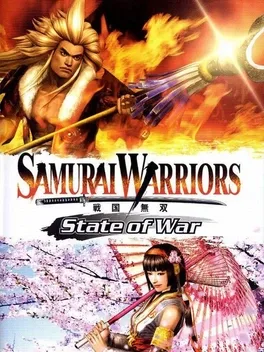
Samurai Warriors: State of War is a portable version of Samurai Warriors, however, it is not a straight conversion and is made to more resemble Dynasty Warriors, giving it an "Samurai Warriors Empires" style of playing. The gameflow is mainly separated into two stages: the Strategy phase and the Action phase. During the first stage, the map is separated into colored squares and the player is asked to move their character in a turn-based fashion. Terrain affects how the player can act during this stage. What usually follows is the action phase, which asks the player to defeat as many opponents possible within 60 seconds. These stages can tip the battle in the player's favor. There are four main armies for the player to participate in: the Takeda (Western), Uesugi (Eastern), Nobunaga, or the solo army. Completing the game with these four factions unlocks the final stage in the game. It guest stars characters from Dynasty Warriors 4. The game features a Story mode, Free mode and VS mode.