
Himitsu Sentai Metamor V


Buy
Could be interesting

Suikoden is a Japanese-style role-playing game with several unusual additions. There are three kinds of combat in the game, the most common one being the traditional turn-based party combat (players can have up to six people in their active party). Magic runes can be equipped on the player's characters which allow limited usage of offensive and healing spells. There are also a few army battles, where the player must control whole units of fighters, archers, magicians, etc., and one-on-one fights (duels).

R4: Ridge Racer Type 4 is the fourth game in the Ridge Racer series. It includes eight tracks (with reverse variants, for a total of 16 layouts) and 321 vehicles, all of which are fictional. This iteration was one of the first PlayStation titles to feature Gouraud shading on polygons, giving the game a visual depth that was previously missing. It was also the first Ridge Racer game on the system to feature two-player split-screen mode and offered two different driving models.
Echo Night 2: Nemuri no Shihaisha is a first person adventure. Like the first game, Echo Night 2 is played from a first-person perspective, but unlike most other first-person games there is no use of firearms in the game. When confronted by a ghost the player must turn on the lights in the room by means of a light switch. The player is often transported into the past via the passengers or certain objects. Once the player fulfills a task important to a spirit they will vanish and drop an "Astral Piece" which can be used to get a different ending scene.
Ganbare Goemon: Uchuu Kaizoku Akogingu is a Ganbare Goemon game released for the PlayStation on March 22, 1996. This is the first Goemon game since Sasuke and Yae's appearance as playable characters that doesn't include either on the playable roster. Instead, they are replaced by the new characters Goroku and Baban. Although Sasuke and Yae are playable characters again in most future games and Goroku and Baban are never seen, mentioned or heard from again after this game. Its unknown why they never appear again, but it is assumed that many fans were upset over Sasuke and Yae being replaced. Gameplay is rather similar to Ganbare Goemon 3, as there's a main map in top-down perspective, which leads to various 2-D sidescrolling levels.
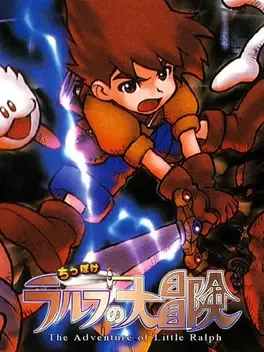
The Adventure of Little Ralph is a 2D platformer. In this game the player controls Ralph, who has been turned back into a child by the evil demons who have invaded his homeland. In order to stop them and return to his former self, he must get through each area filled with enemies, traps, and many hidden routes. Ralph is armed with swords and various magic powers and also has the assistance of a small furry companion. The game's levels are interconnected, unlike the "stages" of most other platform games.
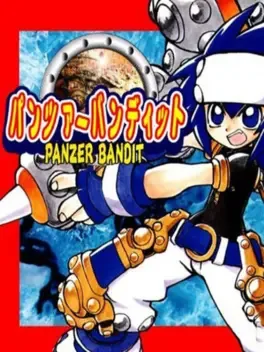
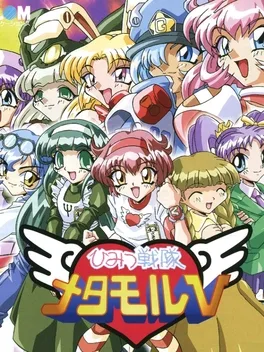
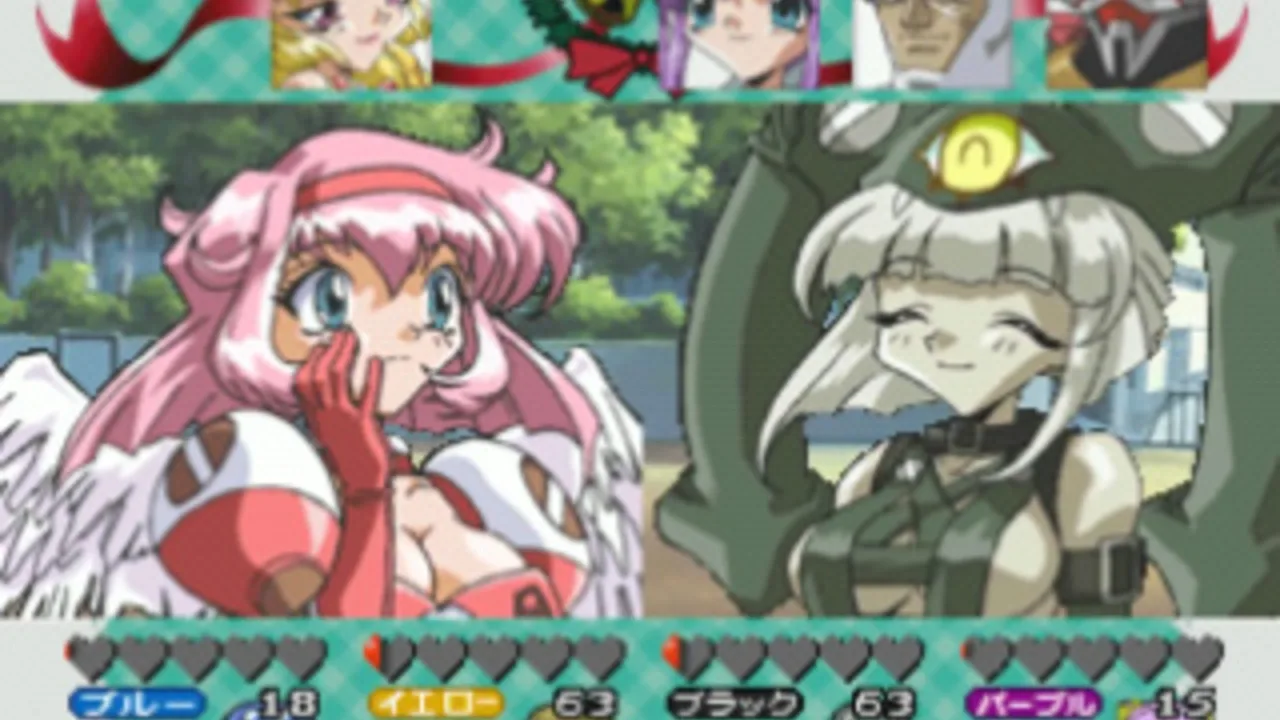
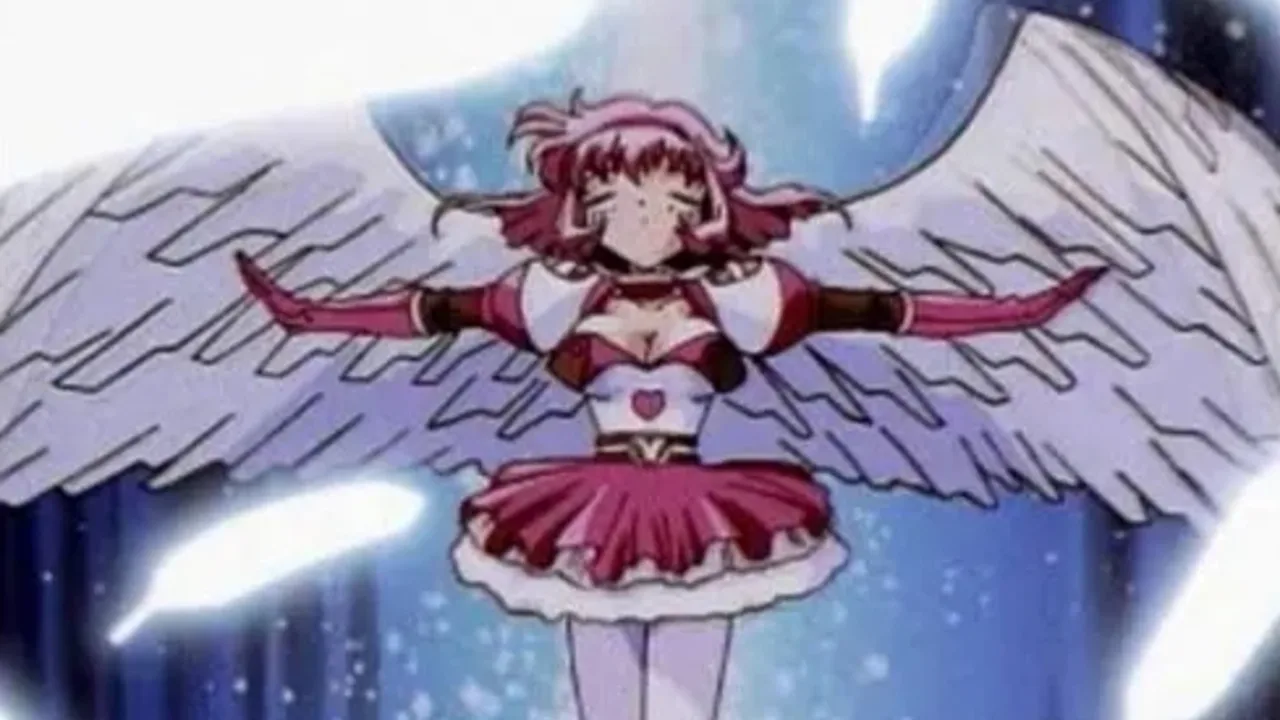
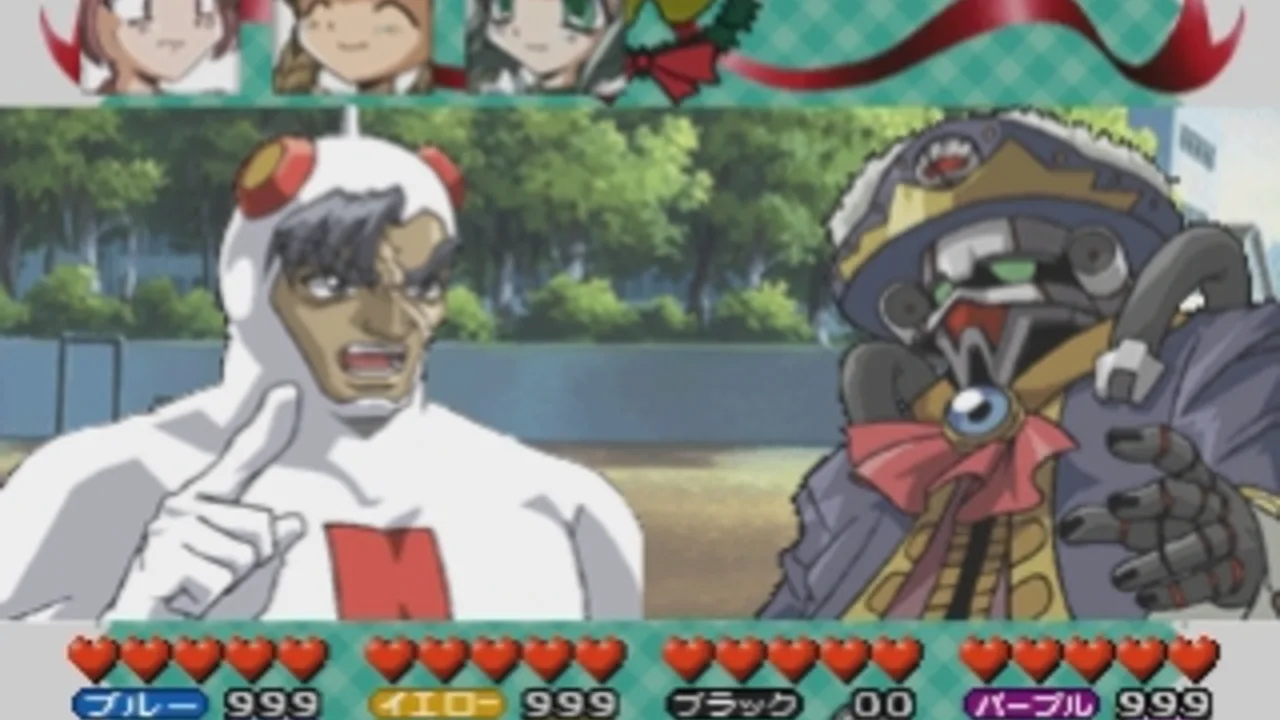
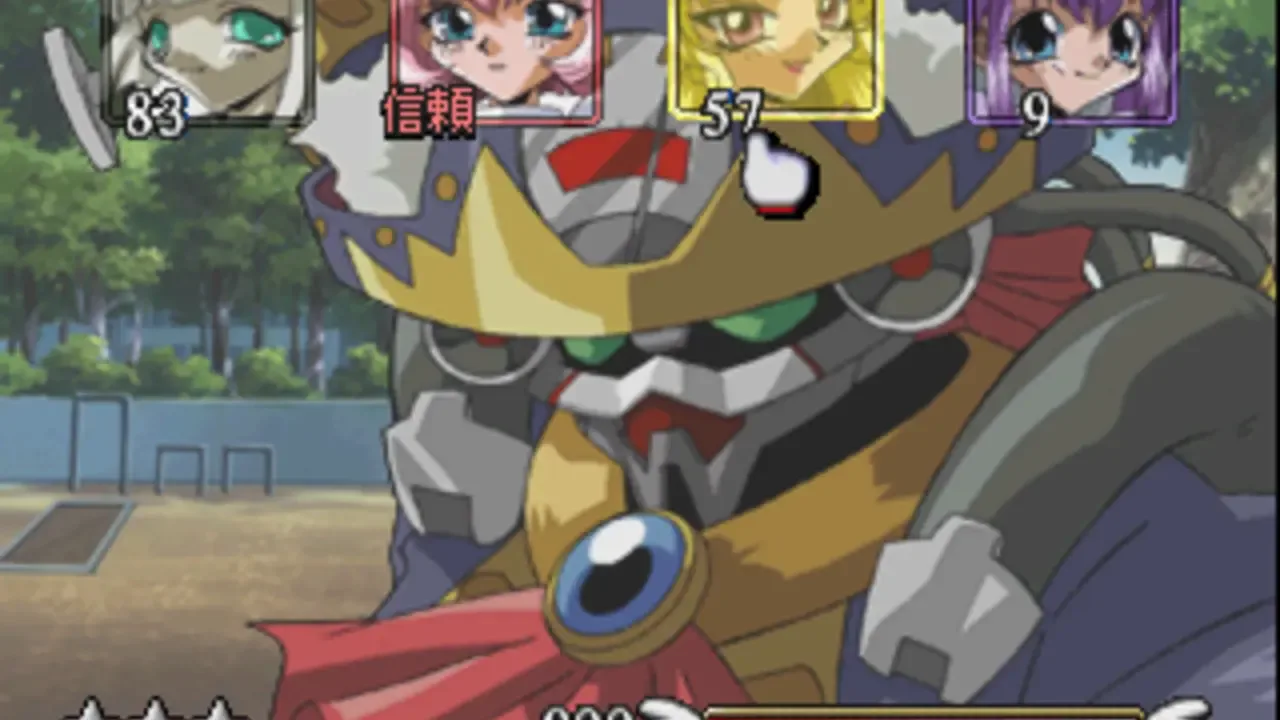
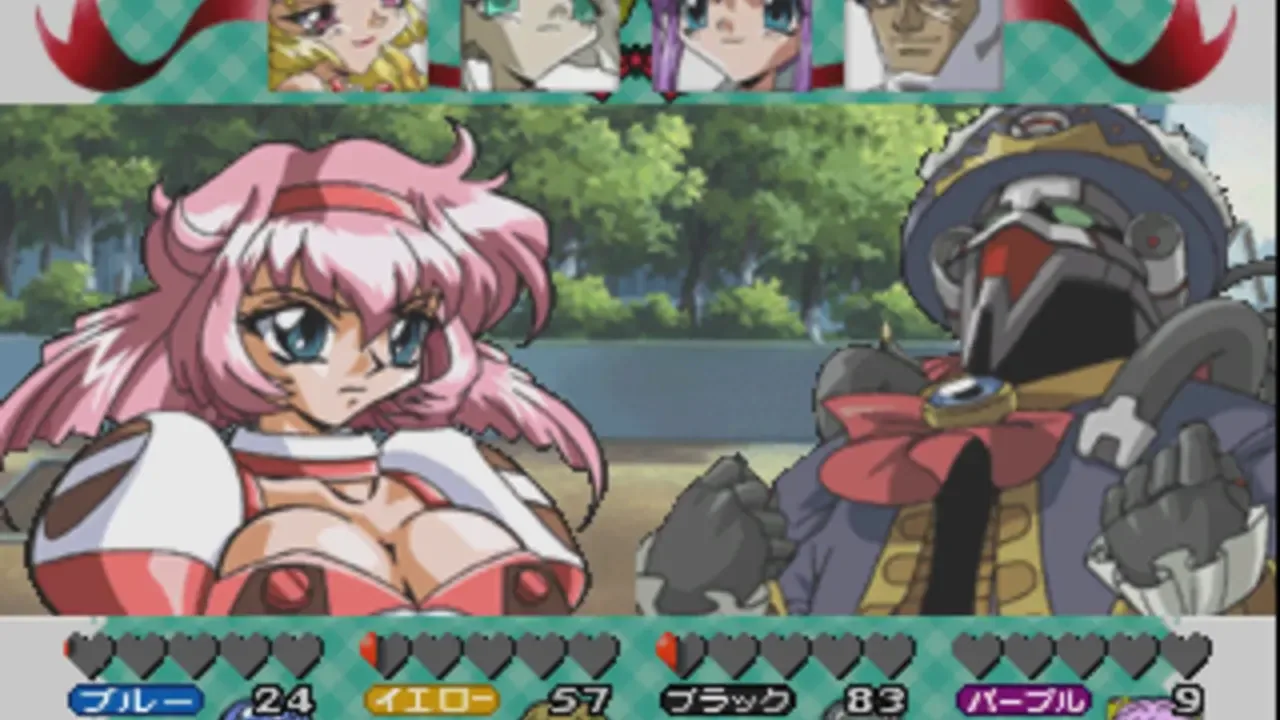
Full of magic and mecha fighting action takes place in a different world turns. Set in 2D with depth of field, with a comical action Ri Gemasu melee battle finishing moves and colorful quirky characters who are in disarray. In addition to story mode, and up to four people can play simultaneously mode also comes with VS.

Published in 1993, the original Super Sidekicks (known as Tokuten Ou, "Goal-Scoring King" in Japan) was SNK's first soccer video game. It features 12 teams divided into two groups which compete for the "SNK Cup" (the main differences between teams is their formations on the field): Group A: Germany, Italy, Spain, England, Mexico, Japan Group B: Argentina, Holland, Brazil, France, United States, South Korea The players' team plays against all the others in their group, then it goes into an elimination tournament's semifinals and then the final to win the cup. There was also a hidden feature in the game, which wasn't documented, and affects a single player game. During a free kick for the CPU if the player has tapped button A for player two, the CPU performs a short-shot, while pressing the button A performs a longer kick.
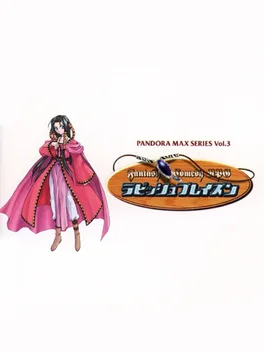
Pandora Max Series Vol. 3: Rubbish Blazon is a RPG developed and published by Pandora Box, which was released in Japan in 2000
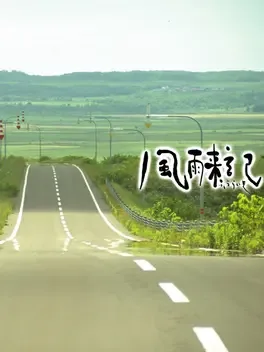
Fūraiki is a visual novel blending photographic backgrounds with anime-style character overlays. The player character is a travel blogger and photographer, who travels to Japan's northernmost island of Hokkaido to document his journeys for his blog. On the boat to the island, he encounters a number of young girls also traveling there, whom you will have additional opportunities to meet during the main part of the game.
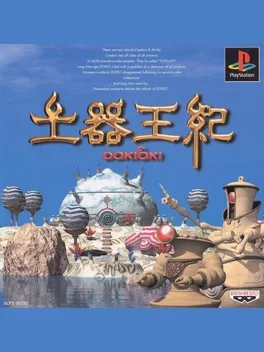
Doki Oki is a first person perspective in the style of games like Myst. In the game the player takes the role of a human that is summoned into another world by strange robotic creatures that tells him that they need his help to defeat a mysterious enemy.