
Honkakuha Igo: Gosei
Buy
Could be interesting
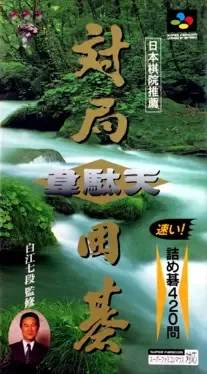
Taikyoku Igo: Idaten ("Playing Go: Idaten") is a Go game for the Super Famicom and the follow up to Bullet-Proof Software's Taikyoku Igo: Goliath from 1993. The game has numerous customization options for the size of the board and the difficulty of the opponent. As well as standard Go games, the player can also attempt instance puzzles where they have a limited amount of time and moves to beat the opponent with a pre-determined board layout.
Take the plunge into endless fun and excitement with Pool Together - the ultimate pool game experience!
Ginsei Igo 2: Next Generation is a modern Go (Igo) adaptation focused on competitive play and training. It offers improved AI, tutorials and analysis tools, online and local multiplayer, adjustable handicaps and time controls, and a clean interface that preserves classic strategy while easing practice and competition.
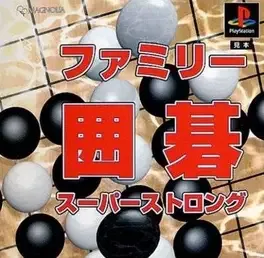
A PlayStation go game from Magnolia.
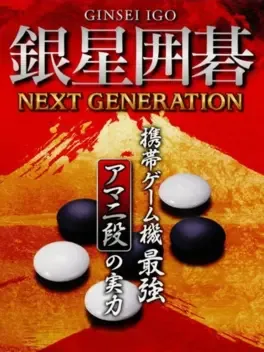
Vita version of Silver Star's go simulator
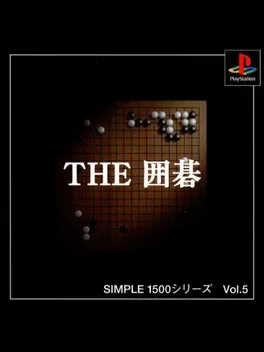
Simple 1500 Series vol. 5 - The Igo is a igo game that features 3 different boards and backgrounds, and also a 2 players vs mode
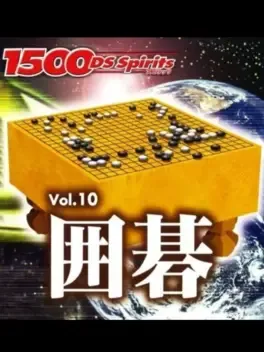
1500DS Spirits Vol. 10: Igo is the tenth game in the 1500DS Spirits series.
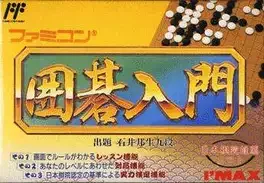
Famicom Igo Nyuumon is a Miscellaneous game, developed by Home Data and published by I'Max, which was released in Japan in 1991. It is basically the video game version of Go, a board game for two players.
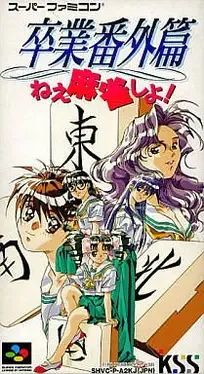
Sotsugyou Bangai Hen: Nee Mahjong Shiyo! is a Miscellaneous game, published by KSS, which was released in Japan in 1994.
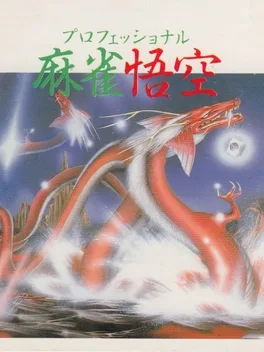
This ASCII-published mahjong game was released for the Famicom Disk System in 1986. It was not released outside of Japan. Professional Mahjong Goku is the third game for the Famicom to be based on Mahjong, the competitive tile game popular in China and Japan. It is a four-person version of the game, which is generally how the game is played in real life, though uncommon in simulations during this era due to the additional computing power needed for three AI opponents. As a "professional" Mahjong game, there is an opportunity to play a mode where the player can gamble on outcomes beforehand. The amount of cash gained or lost is usually based on the quality of the winning hand, but occasionally the player can also make bets to increase their take should they win (though, of course, any money gambled in this way is lost if someone else wins the hand).