
Honoo no Toukyuuji: Dodge Danpei 2
Buy
Part of collection:
Honoo no Toukyuuji: Dodge Danpei
(last 3 games)
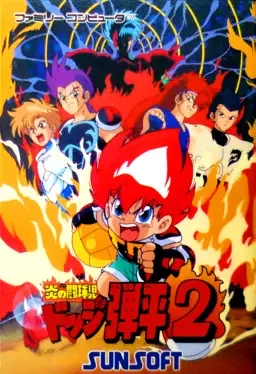
A Famicom exclusive sequel to a multiplatform dodgeball game.
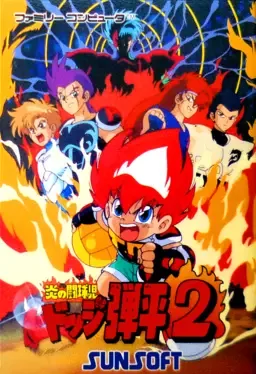
Hono no Toukyuji: Dodge Danpei 2 is a Sports game, developed and published by SunSoft, which was released in Japan in 1993.
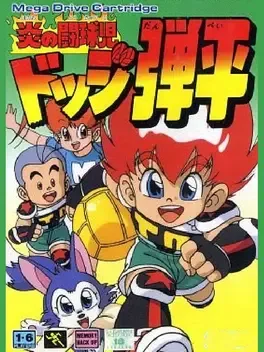
Honoo no Toukyuuji Dodge Danpei is a 1992 dodgeball game for the Sega Mega Drive and Sega Game Gear tying into TV Tokyo's Honoo no Toukyuuji Dodge Danpei anime.
Part of franchise:
Honoo no Toukyuuji: Dodge Danpei
(last 3 games)
A Famicom exclusive sequel to a multiplatform dodgeball game.
Hono no Toukyuji: Dodge Danpei 2 is a Sports game, developed and published by SunSoft, which was released in Japan in 1993.
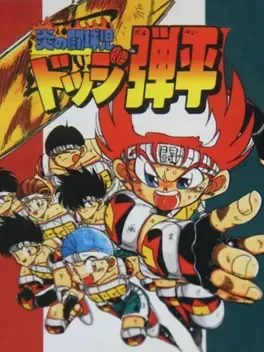
Dodgeball game with loads of anime style sequences and even an RPG style story mode. Based on the manga of the same name.
Could be interesting
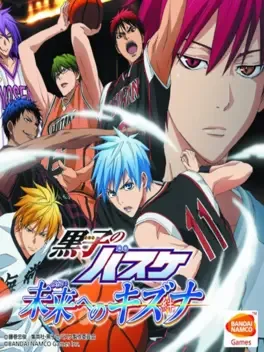
The third entry in the Kuroko no Baske video game series.
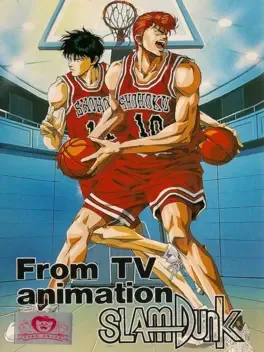
Hanamichi Sakuragi is your average high school delinquent; sporting a bright red pompadour and continually being shot down by every girl he approaches, he jumps at the chance to impress a cute girl named Haruko by joining his school's basketball team. While at first not knowing the difference between a slam dunk and a Sherman tank, he slowly becomes an important part of the Shohoku High School team, which fights against the odds on the road towards the regional championships. Slam Dunk: Kyōgō Makkō Taiketsu! (Champion Front Showdown!) is a five-on-five basketball game based on the anime and manga created by Takehiko Inoue. Following the story, starting from the first exhibition matches, the player can take control of either a single player or the whole Shohoku team in an arcade-style basketball game. The game uses a side-view for the center court, and zooms in for a head-on view when near the basket. There is also an exhibition mode for up to five players, where six different school teams from the series are available for play.
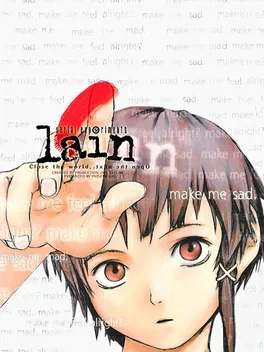
An adventure game where you follow the cybernetic journeys of a girl named Lain.
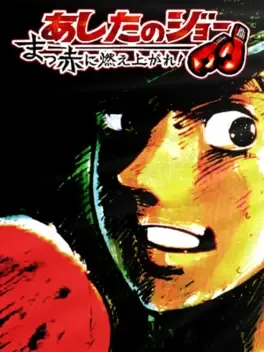
Ashita no Joe: Masseki ni Moe Agare! is a Sports game, developed and published by Konami, which was released in Japan in 2003.
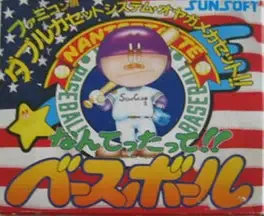
A baseball game by Sunsoft released on the Family Computer in 1991. Nantettatte!! Baseball is a baseball game with the innovative feature of being able to update team rosters without needing to buy a brand new full price game. This is done by inserting a mini-cartridge that updates the roster into the main game.
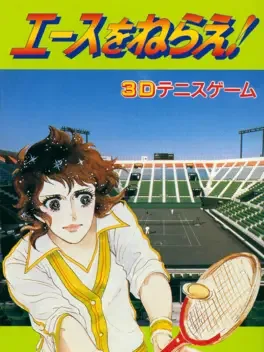
A tennis game for the Super Famicom based on the 1970s manga and anime of the same name.
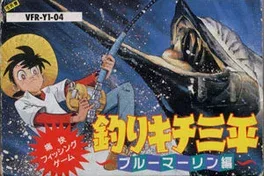
A fishing sim based on a manga license for the NES. It was developed by Victor Interactive and never released outside of Japan. Tsurikichi Sanpei: Blue Marlin-hen is a fishing sim based on a manga and eventual anime named Tsurikichi Sanpei, following the adventures of a preternaturally gifted young fisherman and his travails in various fishing competitions. The game is centered around one of these fishing competitions, where Sanpei has a limited amount of time to catch the largest blue marlin out of all the competitors. The player must make careful judgements and use their limited time wisely to find and hook the largest marlin they can before the competition ends. The first game based on the Tsurikichi Sanpei license, Blue Marlin-hen was released on the NES and the MSX around the same time in 1988. Later, there would be a sequel of sorts for the MSX only in 1989 and a PS1 game much later in 2002. In order to catch anything, the player must choose one of several regions of sea in which to fish. Areas which look promising have large fish icons. Time passes more quickly on this screen, so it's in the player's best interest to find a spot quickly. Once a sea region has been selected, the player must choose the right kind of bait for hooking billfish and simply sit until they have a bite. At this point, the player must use the gauge above the screen to maneuver themselves and reel the fish on the line. Each fish is judged on its size and play resumes.
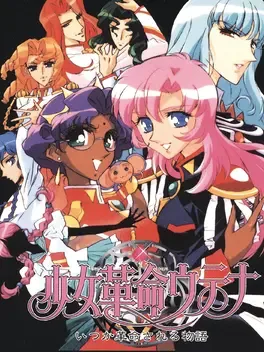
Based on the 1997 anime, Shoujo Kakumei Utena: Itsuka Kakumei Sareru Monogatari tells an original story which is set between episodes eight and nine of the TV series. The main character of the game is an original character who transfers to Ohtori Academy. The game is in the style of a visual novel with strong dating sim elements. The major characters each possess a statistic called "Heart's Nobility" which the player affects through dialog choices that appear sporadically during play. Each character's level of Heart's Nobility determines how the game will end. The special endings available for characters that end with particularly high Heart's Nobility represent the game's dating sim element, but because it is set within the larger plot of the TV series the relationships are usually somewhat platonic, or one-sided affections on the part of the main character.
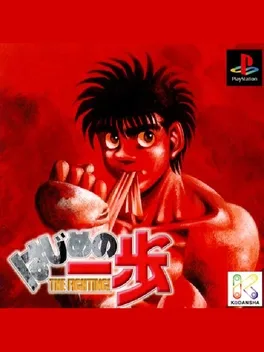
This game is based on the boxing Manga and Anime series "Hajime no Ippo" created by Jyoji "George" Morikawa. It was released only in Japan. The story focuses heavily on character development, even during the matches something is learned about the fighters. Ippo and his friendly rivalry with Miyata is the main draw in the early part of the series. That later changes to Ippo's path towards the Japanese Featherweight Championship and eventually the world championship. Along the way we are given glimpses into the other side character's pasts, motivations, relationships to others and current boxing trials. This is a simulation game in which the player choose what training wants the boxer to do each month and then watch him fighting.
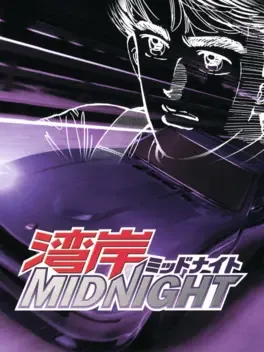
Wangan Midnight is the first video game adaptation based on the Wangan Midnight manga. The cabinet consists of two racing units with a chair and steering wheel. Similar to the concept of the Tokyo Xtreme Racer \ Shutokō Battle series, players roam the Metropolitan Expressway in Tokyo that has been divided into eight tracks. The Story mode adapts parts of the manga as the player's character seeks out and defeats increasingly challenging opponents. The player can freely roam the expressway with a traffic density that shifts according to the time of day. When an opponent is encountered the game enters a battle mode and the cars start to race each other. Each car has a life gauge, shown as an SP meter, that is drained for the trailing car. The race is over when time runs out or when one of the cars loses all SP. The other game modes are the Time Attack mode and a Versus mode played against another player locally. The available cars are licensed from manufacturers such as Mitsubishi, Nissan and Subaru.