
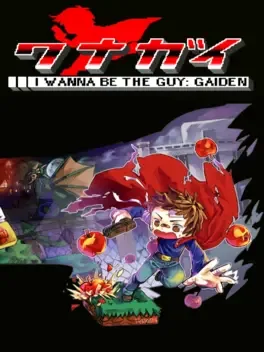
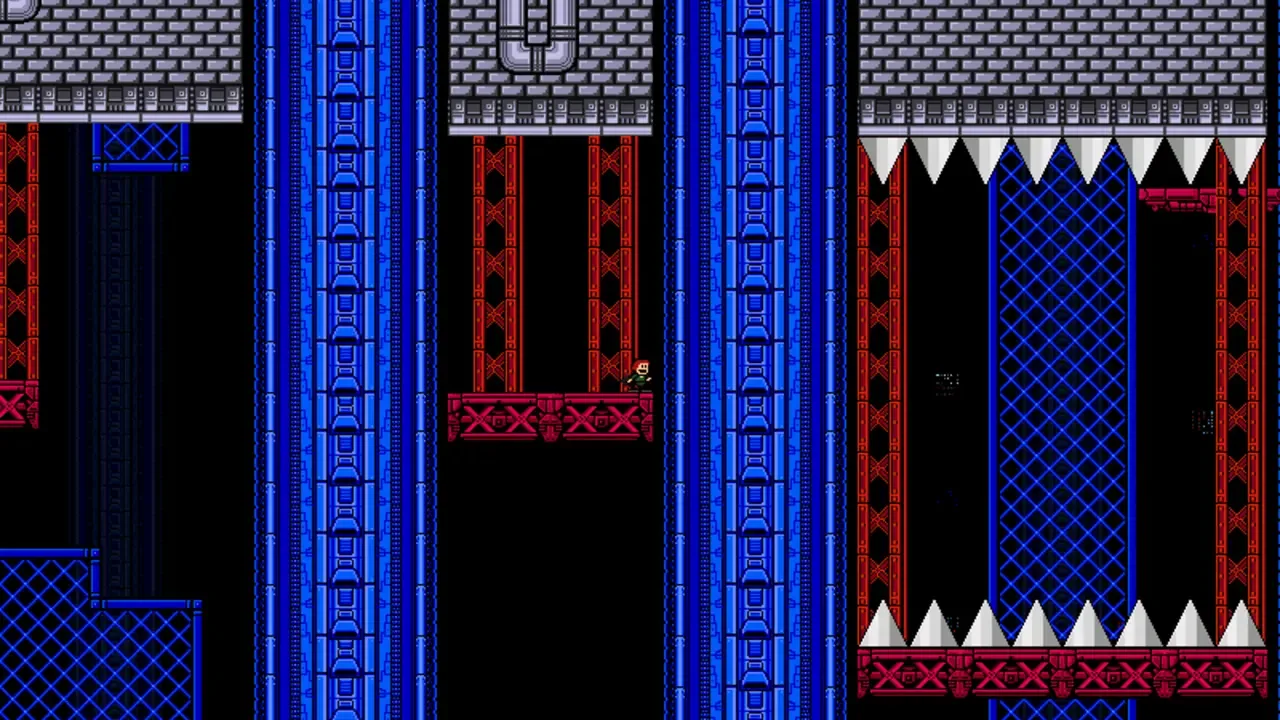
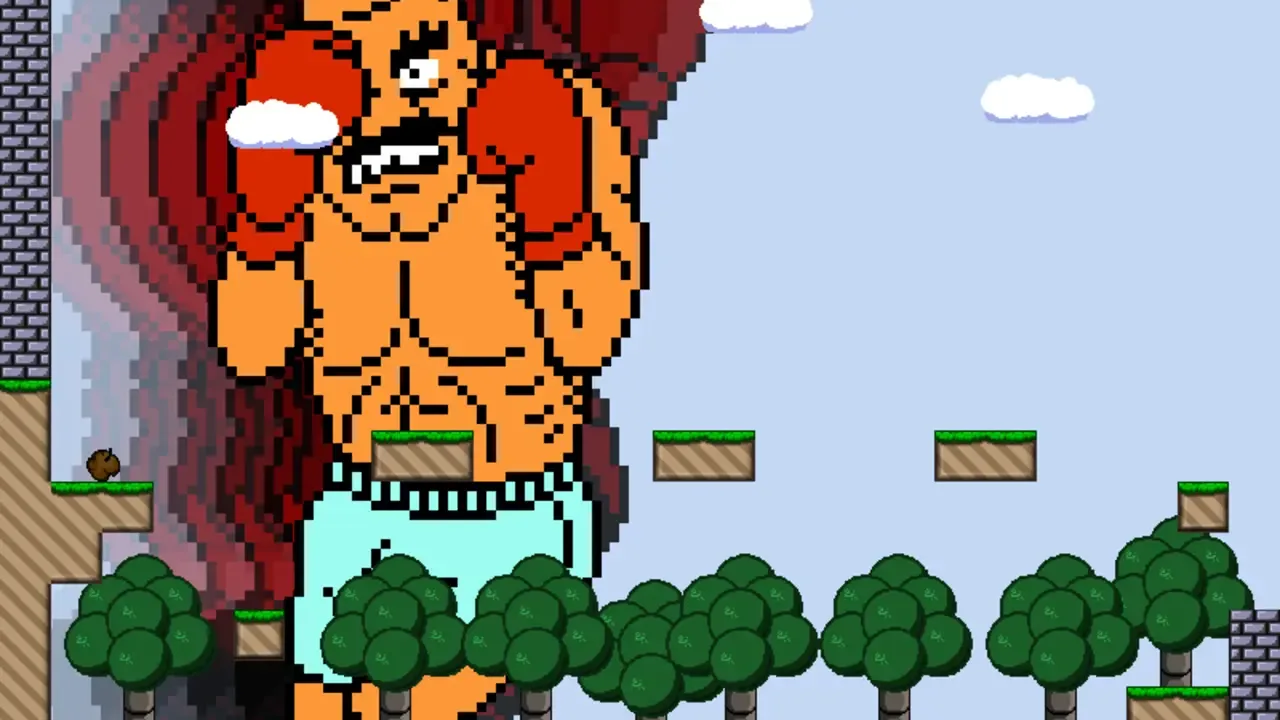
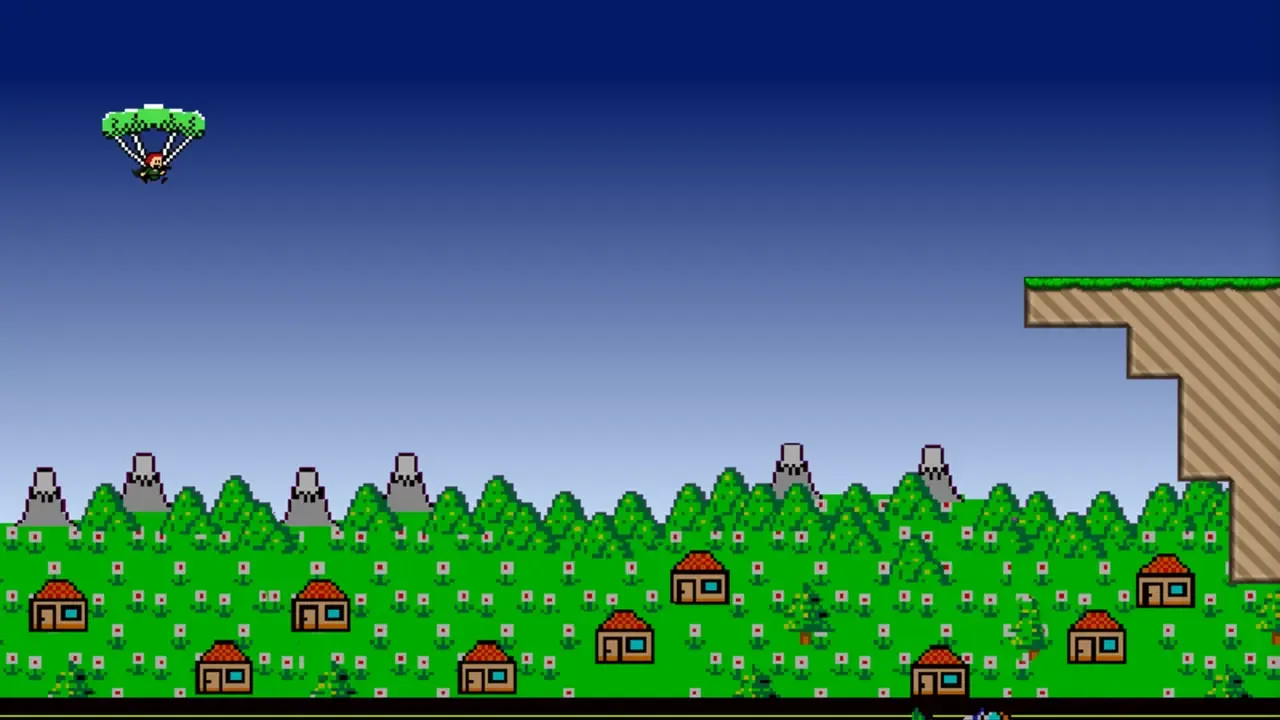
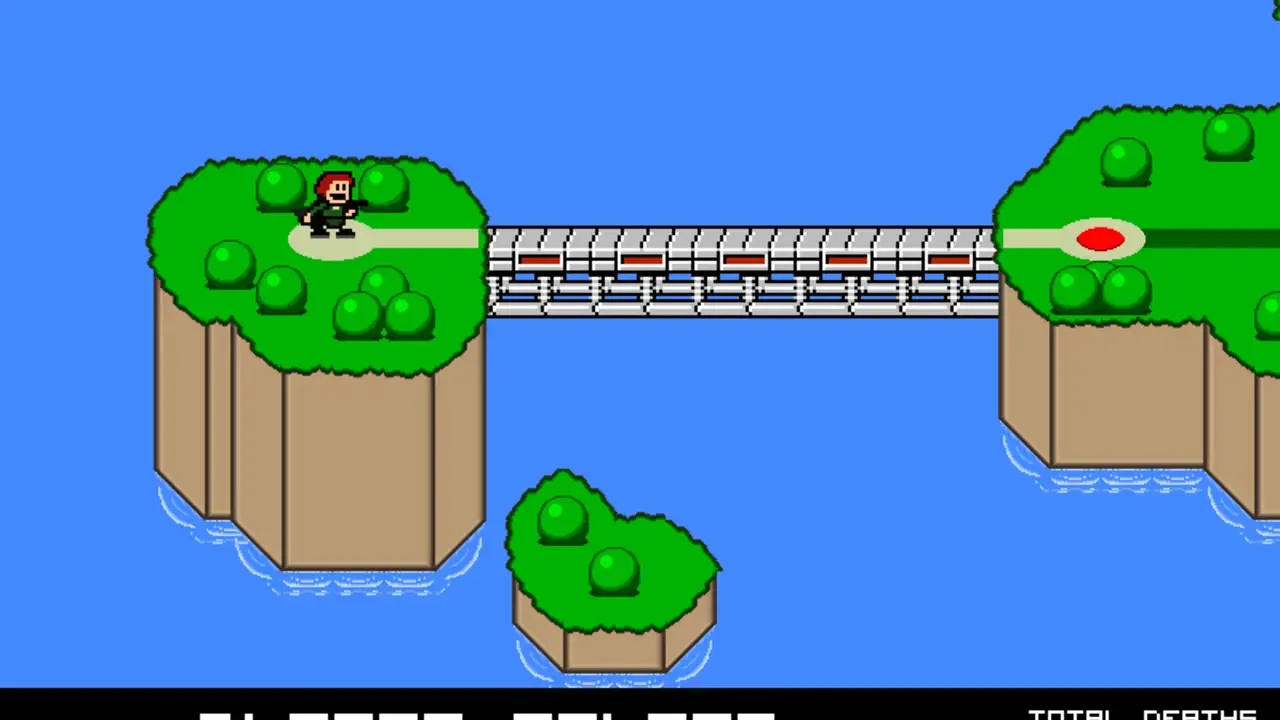
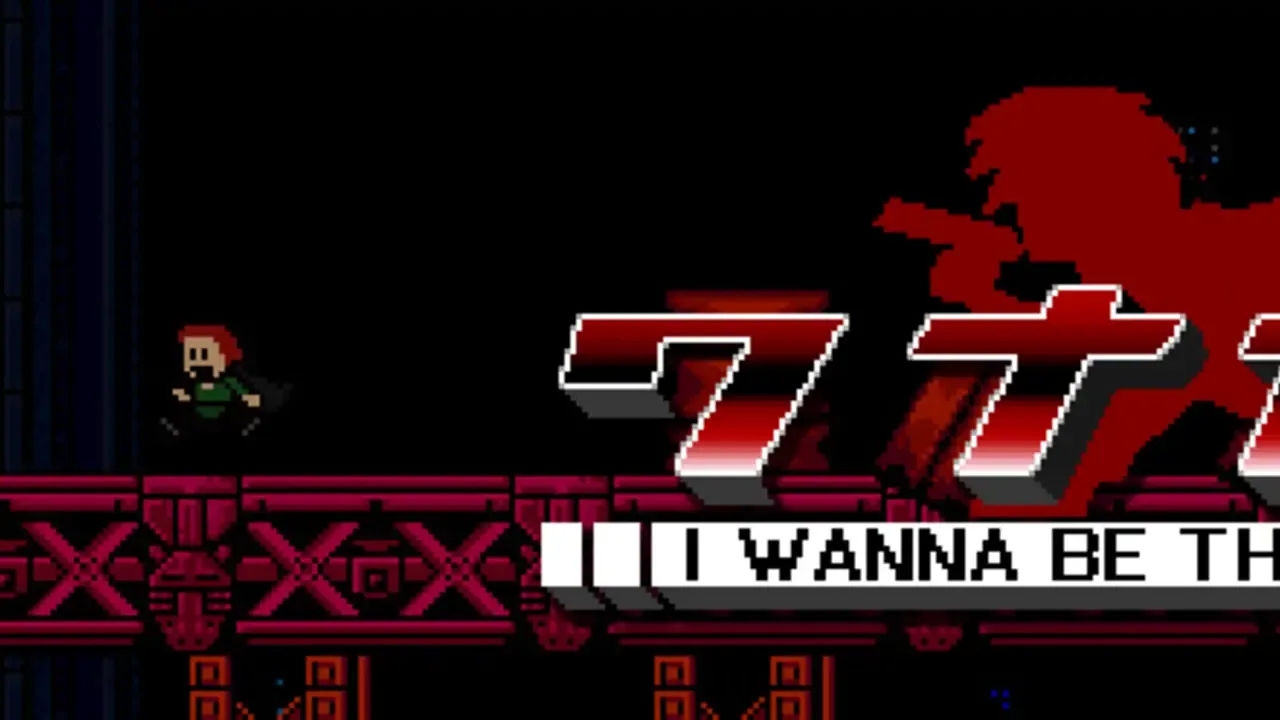
I Wanna Be the Guy: Gaiden


Buy
Part of collection:
I Wanna Be The Guy
Prequel to the infamous indie masocore title.

I Wanna Save the Kids (also known as IWSTK) is a freeware indie video game published by Mike "Kayin" O'Reilly, its creator, in late 2007 worldwide on his official website. It is the prequel to I Wanna Be the Guy (despite being released after it) and therefore chronologically the first game in the I Wanna Be the Guy series. The game's mechanics are inspired by the game Lemmings: The Kid must manage to save some children, who advance regardless of the dangers, and bring them to a safe place in a kind of house. To do this he has several tools at his disposal, but most of the time he is forced to obtain these tools by overcoming IWBTG-worthy maps, complete with spikes, falling cherries and more.
Could be interesting
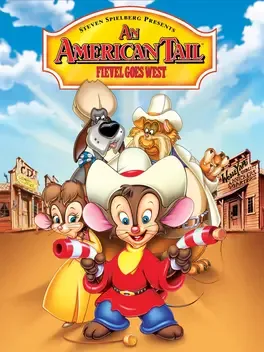
Based on the movie by the same name, Fievel Goes West is a platform game featuring the young mouse Fievel Mousekewitz. After immigrating to overseas to America in the 1800s(?), the Mousekewitz family has moved out onto the open frontier of the wild west. With dreams of being a cowboy, Fievel soon makes friends and plays on the dusty streets imagining himself a great gunslinger. But all is not well as the villainous Cat R. Waul and his gang of cats (as well as other creatures) has plans to turn this place into an all-you-can-eat mouse buffet. It's up to Fievel to get in the way of Cat's plans with the help of the canine sheriff, Wylie Burp and his non-mouse eating cat pal, Tiger
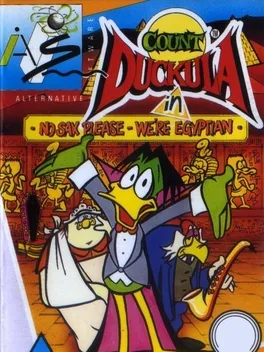
Count Duckula (in No Sax Please - We're Egyptian) is a 2D platformer with adventure elements. The game is based on "Count Duckula", a British animated television series.
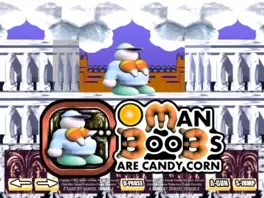
Fire milk from your candy corn man boobs in this platformer.

Seymour Goes to Hollywood, also known as Seymour at the Movies, is a platform and adventure game developed by Big Red Software and originally published in Europe by Codemasters in 1991. Players control Seymour, a small potato-like creature who wishes to be a film star. The film's script has been locked in a safe, meaning Seymour must solve puzzles by collecting and using objects scattered throughout the game in order to progress, ultimately retrieving the script and allowing filming to start. The game was originally designed as part of the Dizzy series, with a working title of Movieland Dizzy, but the creators of Dizzy disagreed with the real-world direction the game had taken, despite it being 90% complete. The developers, Big Red Software, were given 12 weeks to create a new game with a different character. Seymour was adapted from Dizzy, with a new shape and fingers to differentiate the two. Seymour Goes to Hollywood received both positive and average ratings from the video game press at the time, and was compared to Dizzy video games both positively and negatively. The character also received both praise and criticism for his shape.
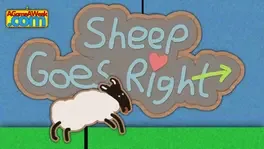
The OUYA exclusive sequel to Sheep Goes Left not only sets Sheepy in the opposite direction, but also populates his world with a charming, papercraft puppet motif.
Guide Sheepy in one direction and avoid obstacles

In this incredibly short action-platformer, intended as a subtle parody of Portal, the player must defeat a massive, seemingly invulnerable boss... but how?
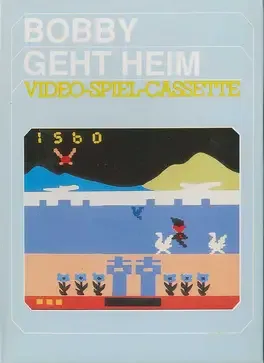
A children orientated Jump N Run about a boy who goes home across the countryside
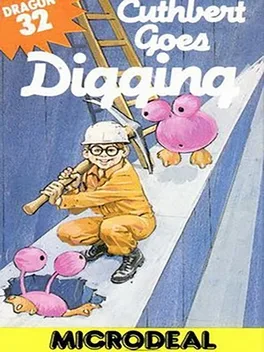
Cuthbert has to find the exit to the mine in which he trapped before he runs out of oxygen.
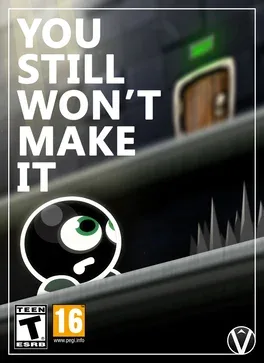
You Still Won't Make It is a challenging instant-death platformer developed by Vetra Games, the sequel to You Probably Won't Make It. The game includes three 'worlds', each containing 18 levels, as well as the 18 'classic' levels from You Probably Won't Make it, recreated for the new game. The player controls a small black creature through levels that fit without scrolling on the screen. Levels are unlocked by completing previous levels, but can be replayed at any time afterwards. The game has no plot, and new concepts in-game are introduced through specific levels and not explicitly. Levels are made difficult through the usage and placement of obstacles - mostly spikes - which all kill the player immediately upon contact (and shred the creature into bones and gibs). Most obstacles are static, requiring only accuracy in movement and careful jumps, but several include interactive objects or moving platforms - or, in one of the few concessions to the player, checkpoints. Levels are not timed, and there is no scoring, but the game displays a continual tally of the player's deaths throughout the levels.