
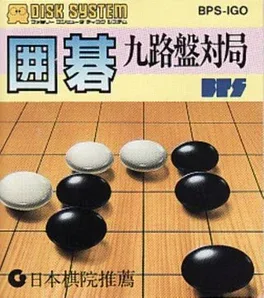
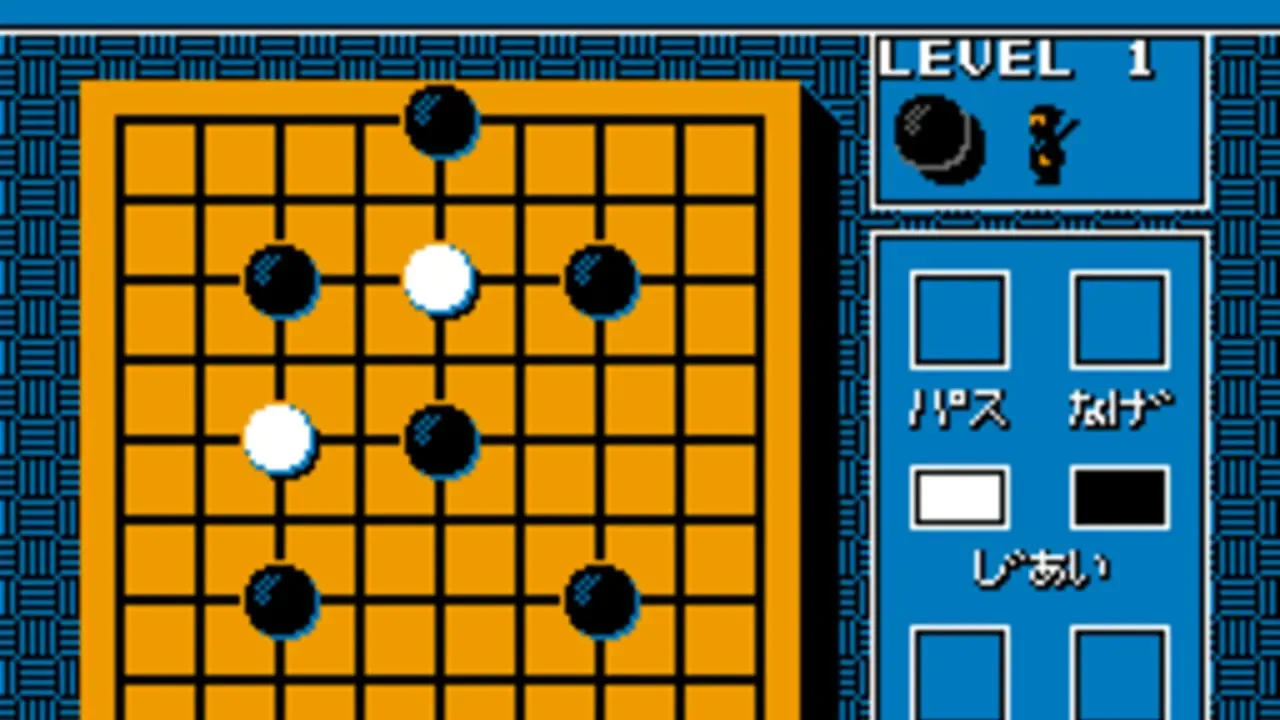
Igo: Kyuu Roban Taikyoku


Buy
Could be interesting

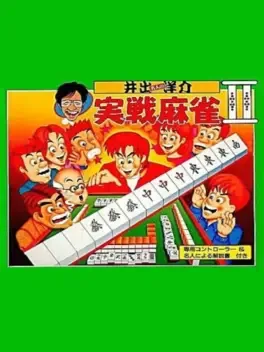
Ide Yousuke Meijin no Jissen Mahjong II is a Miscellaneous game, developed by Arc System Works and published by Capcom, which was released in Japan in 1991.
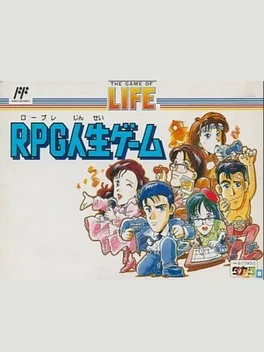
The Game of Life: RPG Jinsei Game is a Japan-only role playing game for the Family Computer that is similar to Jinsei Game, which is the Japanese version of The Game of Life. The object is to explore a city full of stores, places of employment, and learning places. Starting from home, the player must earn money and statistics in order to unlock the better features of the game. Unlike most games based on the Jinsei Game series, RPG Jinsei Game doesn't use a spinner system. Instead, the controller pad is used for movement and random encounters are featured like in Dragon Quest. The player can also talk to strangers who might either give him/her advice or do something malevolent to him/her. As in the actual Game of Life board game, the player has to choose from a series of careers ranging from a musician to a photographer and even a professional wrestler. Most of these tasks are mundane while one of the quests directly involves chasing down unidentified flying objects. Buildings that are crucial to the quest (other than shops and learning places) can be fully explored; otherwise the player simply talks to the resident. Fights can occur like in a real role-playing game. However, the players stats are used instead of hit points and magic points.
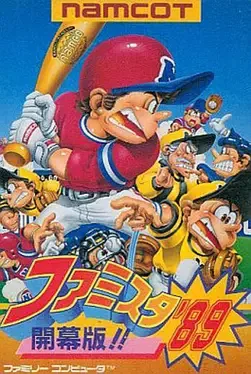
Famista '89: Kaimaku-ban!! is a Sports game, developed and published by Namco, which was released in Japan in 1989.

Stacklands is a village builder where you stack cards to collect food, build structures, and fight creatures.

A Famicom-only Mahjong game that teaches a specific variant called "Attack Mahjong" and one of many Mahjong games presented by expert Ide Yosuke. It also had its own special Mahjong controller. One of a series of Mahjong games presented by Ide Yosuke (sort of the Dr Kawashima of early Mahjong titles), Ide Yosuke Meijin no Jissen Mahjong (or "Ide Yosuke: Master of Attack Mahjong") is a Mahjong game that teaches a very specific gameplay variant. Ide Yosuke Meijin no Jissen Mahjong also came with its own special Mahjong controller that resembles a keyboard. The game is unplayable without it.
Shinzui Taikyoku Igo: Go Sennin is a Board game, developed by Jorudan and published by J-Wing, which was released in Japan in 1995.
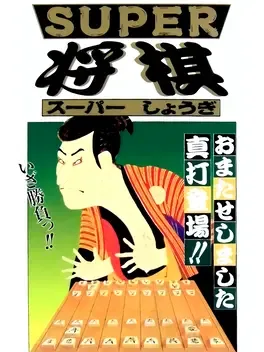
Super Shogi is a Miscellaneous game, published by I'Max, which was released in Japan in 1992.
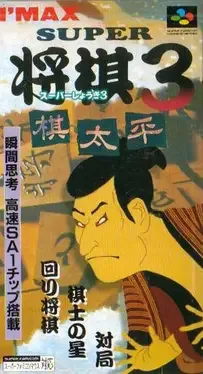
Super Shogi 3: Kitaihei is a Miscellaneous game, developed by Gaibrain and published by I'Max, which was released in Japan in 1995.
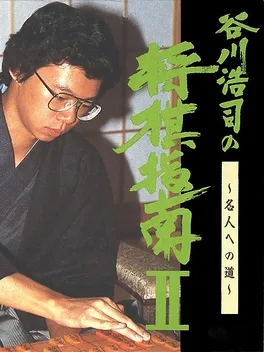
An instructional Shogi game, that teaches the Japanese version of chess. It is hosted by Tanigawa Kouji, a top-tier Shogi player. It was released for the Famicom Disk System, NES and MSX. Shogi, a Japanese board game similar to chess, is a board game as popular as Mahjong in Japan. Tanigawa Kouji no Shogi Shinan II ("Tanigawa Kouji's Instructional Shogi II") is the second in a series of instructional Shogi games hosted by then-top tier champion and expert Shogi player Tanigawa Kouji to help improve the player's game. The first Tanigawa Kouji no Shogi Shinan was only released on MSX home computers, though this game first came out on the Famicom Disk System in 1987. It would later receive additional versions for the MSX and the regular cartridge-based Famicom in 1988. There also exists a second Famicom Disk System version, released after the MSX and Famicom ports, that contains additional puzzle arrangements. The third game in the series would only be released on the Famicom. Neither this game nor any of the games in the series were ever released outside of Japan.