
L.A. Rush


Buy
Part of collection:
Rush
(last 3 games)
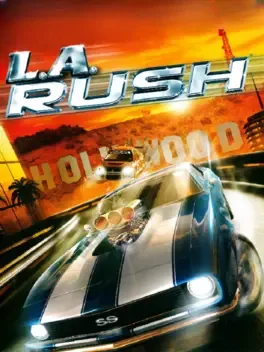
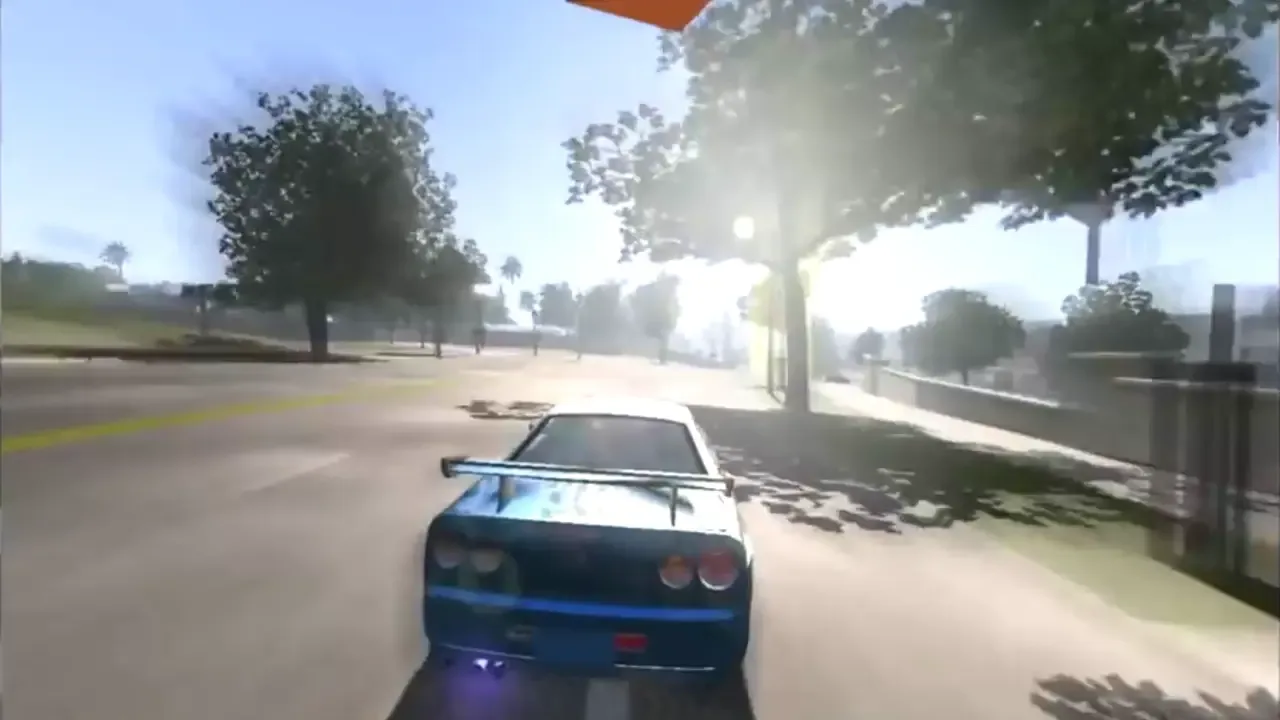
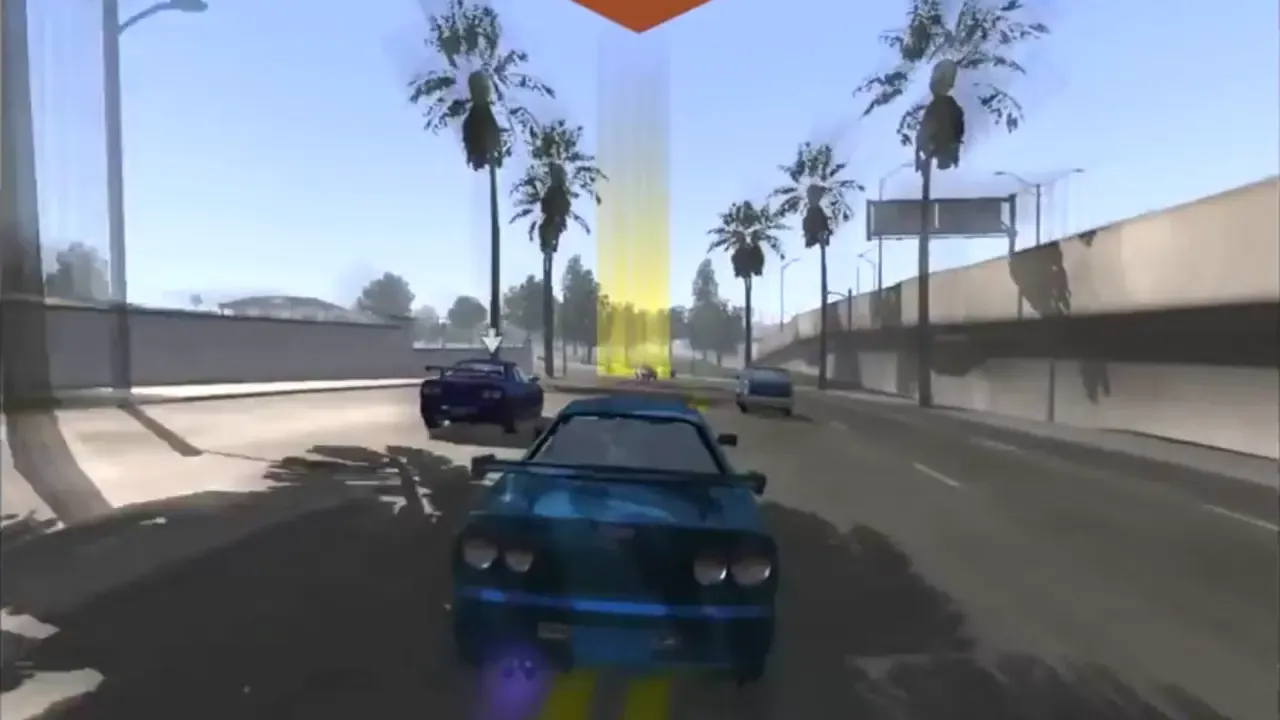
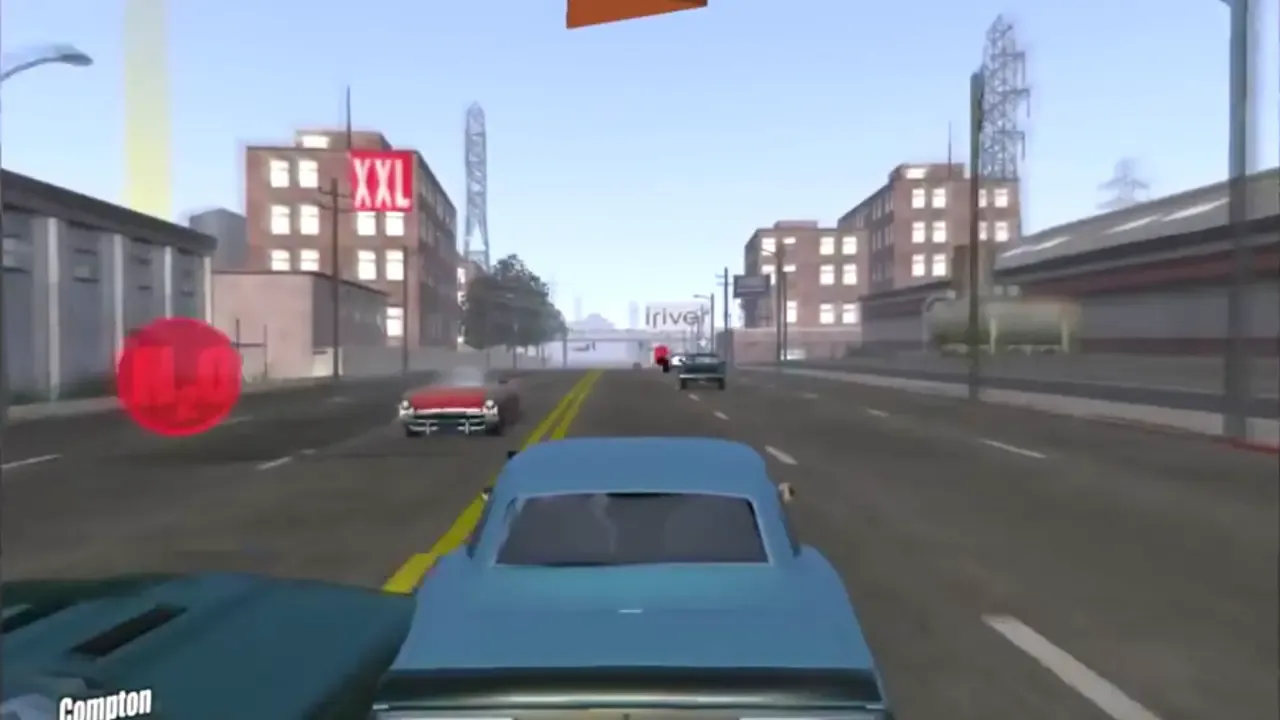
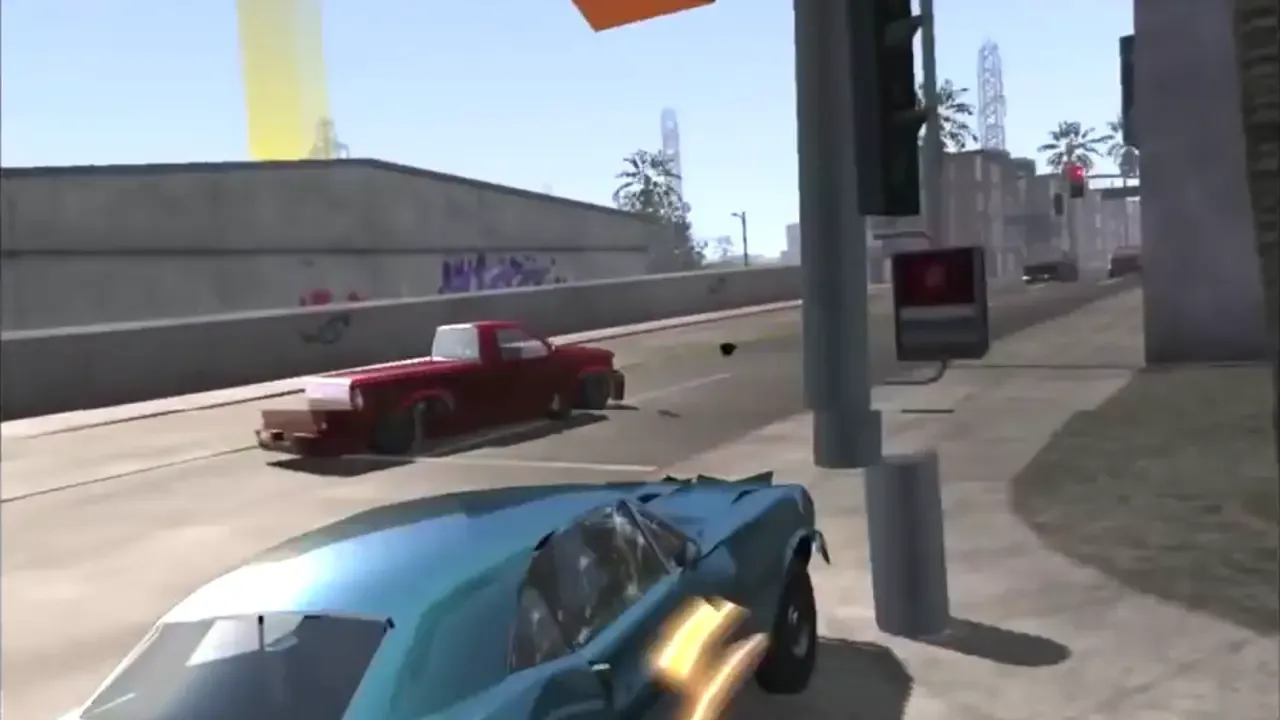
L.A. Rush is the 4th installment in the Rush series of video games. It was released in North America for the PlayStation 2 and Xbox consoles on October 10, 2005 and on October 21 in Europe. The PC version was released on November 4 in Europe. PlayStation Portable version was released on October 30, 2006 named Rush. Many details were revealed at E3 in May 2005. The game is free-roaming with races similar to those in Need for Speed: Underground 2. The GPS map can have a point assigned to a certain location and then the point shows up on the radar during gameplay. The game features voice talent from Orlando Jones, Bill Bellamy, and Twista. In addition to the console versions and PC version it was to be available on Gizmondo.
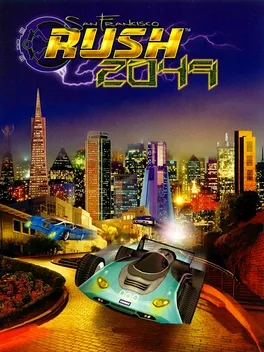
San Francisco Rush 2049 is the third game in the Rush series, sequel to San Francisco Rush and Rush 2: Extreme Racing USA. The game features a futuristic representation of San Francisco and an arcade-style physics engine. It also features a multiplayer mode for up to four players and Rumble Pak support on the Nintendo 64 port. A major difference in game play compared to predecessors in the series is the ability to extend wings from the cars in midair and glide. As with previous titles in the franchise, Rush 2049 features a stunt mode in which the player scores points for complex mid-air maneuvers and successful landings. There is also a multiplayer deathmatch battle mode. There are six race tracks, four stunt arenas, eight battle arenas, and one unlockable obstacle course named The Gauntlet. The single player race mode places emphasis on outlandish and death-defying shortcuts in each track. The game has a soundtrack mostly comprising techno music.
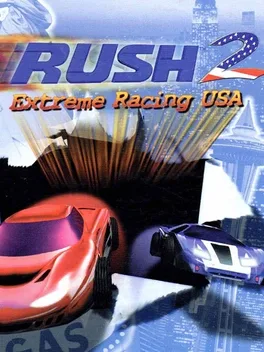
Rush 2: Extreme Racing USA is a sequel to San Francisco Rush and the second game in the Rush series. The game is notable for the high level of detail in the recreations of the various cities and states used, and for its fast arcade-style physics. The game also features a two-player mode and rumble pack support. Hidden shortcuts and jumps add to the replay value of the game. Cities used are New York (Uptown and Downtown), Hawaii, Las Vegas, San Francisco (Alcatraz), Los Angeles, and Seattle. Other tracks playable at the start of the game are Stunt, Crash, and Halfpipe. A bonus track can be won where your car is miniaturized and you drive through the offices of Midway Games. Another bonus is the full pipe level, as the last achievement to unlock.
Could be interesting
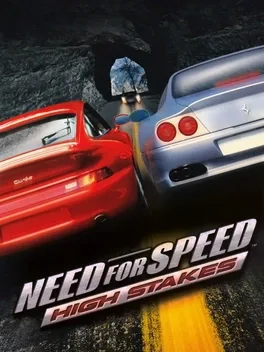
Just like its predecessors Need for Speed: High Stakes is an action racing game with a wide selection of exotic sports cars and many different types of tracks. The trademark Hot Pursuit mode game mode from the first game in the series is still present, where players race opponents on tracks filled with regular traffic and police cars that chase the racers. The classic pursuit mode is extended with two additional modes: Getaway and Time Trap. In Getaway the player needs to shake off the police in a set amount of time, or playing as the police trap a speeder before time runs out. In Time Trap an entire race needs to be completed before time runs out, or as the police all speeders need to be arrested. There are minor differences between the two platforms for this game mode, regarding spike strips, road blocks, and back-up. The latter for instance is unique to the PlayStation version. The Pursuit mode is available in multiplayer as well and players can take different sides or race together. It is the first game in the series to introduce a Career mode with a set of challenges. Beating these is rewarded with trophies for unlocks, and money to spend on new cars, repairs and upgrades. In the PlayStation version the Career mode is split up into two different sets of challenges: Tournament (required races) and Special Event (optional races). High Stakes in the title refers to races where players bet their cars. In the PC version these are a part of the Career mode when the player owns more than two cars. In the PlayStation version two players can insert their memory cards and race against each other. The winner immediately receives the opponent's car and it is deleted from the loser's memory card right away. In addition to the new game modes it is also the first game in the series to have a detailed physics models. Damage now affects both the appearance and the performance of the car for the first time.
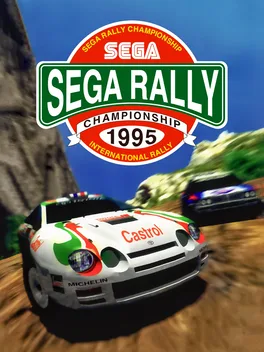
Sega Rally Championship is a 1994 arcade racing game developed by AM5 on the Sega Model 2 board. The unique selling point of Sega Rally was the ability to drive on different surfaces (including asphalt, gravel and mud), with different friction properties, with the car's handling changing accordingly. As the first racing game to incorporate this feature, Sega Rally is considered to be one of the milestones in the evolution of the racing game genre. The music for the arcade game was composed by Takenobu Mitsuyoshi, while the Sega Saturn port's soundtrack was done by Naofumi Hataya and the Guitar were played by Joe Satriani.
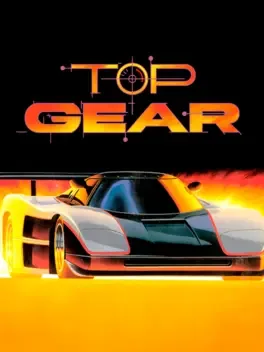
"Top Gear sends players over eight countries around the world with one of four cars, facing sharp turns, pit stops, and debris in this arcade-style racing game."
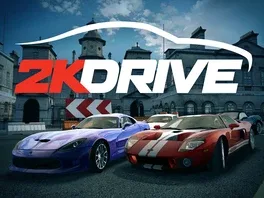
Buckle-up and get ready for the most immersive automotive experience to ever hit your iPad and iPhone. 2K Drive provides you with a variety of experiences to test your driving skills – including licensed cars, real locations and dozens of exciting challenges in an authentic world rooted in motoring culture. Expert driving will earn you stars and coins to purchase boosts, upgrades, new cars and more! 2K Drive lets you compete online with your friends and the world, to earn the best scores, bragging rights, and rewards ahead of your rivals. Live news feeds deliver the world of automotive culture right to you, so when you’re not driving, you can read, watch videos or view photo galleries – and if you see something you really like, share it with friends. With daily challenges, more cars, tracks, and news added regularly, 2K Drive offers more content than any other driving game on your iPad or iPhone. Don’t dream it, drive it!

Drive some of the most exotic cars in illegal street race on many different tracks, while trying not to be caught by police!
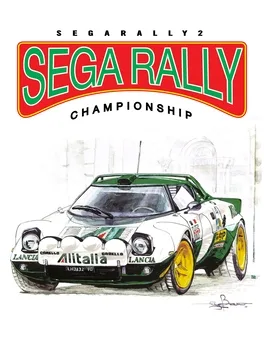
Sega Rally 2 is the sequel to Sega Rally Championship. It was released in 1998 in the arcades and was later ported to the Dreamcast and PC.
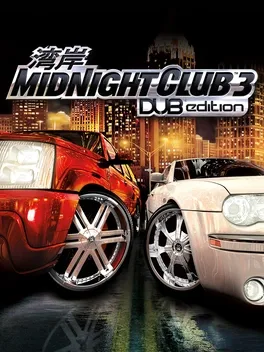
Midnight Club 3: DUB Edition is a racing game, developed by Rockstar San Diego and published by Rockstar Games, and is the third game in the Midnight Club series. Like previous installments in the series, the game is an arcade-style racer and focuses on wild, high-speed racing, rather than realistic physics and driving characteristics. The name derived from a partnership between Rockstar and DUB Magazine, which features heavily in the game in the form of DUB-sponsored races and DUB-customized vehicles as prizes.
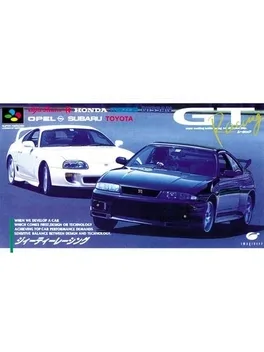
GT Racing is a Super Famicom racing video game where the player gets to drive a Gran Turismo car in either championship or practice mode. The game is based on the 1996 Super GT racing season using the horsepower standards and rules of the era. During championship mode, the player is asked enter a number, his or her driver's name, and the team name that he or she will use during the championship. The driver's name and team can be entered using either English or Japanese letters. When a player beats a record, he or she is asked to insert his or her number, name or initials (up to four characters and two digits for the number). Championship mode can last for multiple seasons. Playing ninety-nine seasons in a single racing career is theoretically possible due to the double-digit nature of the season information. There are eight different tracks, including the Suzuka Circuit that has been shown in video games since Pole Position II and Fuji Speedway (complete with a virtually photorealistic Mount Fuji in the background). Versus mode is for two human players only and the record options allows the players to look at his or her previous records. In a race, there are up to fifteen opponents to race against. The player gets rewarded with an opportunity to upgrade his or her equipment after a top five finish on any race course. Bonus equipment includes a faster engine, better tires, and a special dose of nitrous oxide created specifically for Gran Turismo vehicles. All of the bonus automobile parts are automatically installed in the appropriate parts for supercharging the vehicle. Once all the special parts are earned, the automobile is considered to be fully upgraded. The ultimate goal is to win the Gran Turismo championship for his or her team in addition for him/herself. The "free practice" is essentially a time trial mode where the player races by him/herself for up to ten laps. Acquiring damage is still possible either crashing into walls or through normal wear and tear. The fastest lap time gets captured for the record book just like in the other modes of the game. Before being able to practice freely, the player can also choose the weather condition and the setup of his vehicle
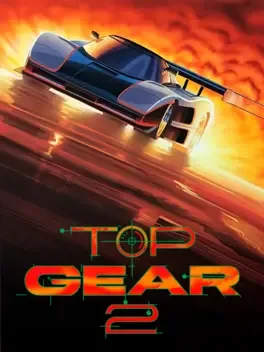
This third-person racing game resembles Gremlin's earlier Lotus series, in terms of its general look and feel, right down to the text font used in the game. Your task is to race through 16 countries, each of which features four races, with many real-world circuits recreated in incongruous locations (such as the Monza layout in Ayers Rock, and the old Hockenheim in Vancouver). These four-race blocks each represent their own mini-championship, in which you race against 19 cars, needing to finish in the top 10 to continue, and with the top 6 scoring points 10-6-4-3-2-1, and the respective amount of money in thousands. This can be spent on various upgrades, ranging from engine to tires (wet and dry) and from shocks (front, side and rear) to gearboxes. The ideal approach is to buy the more expensive versions ASAP, as you get no saving when upgrading. If you win the four-race championship, you get the next password. You get a set amount of nitro boost to use during each race, although bonus nitros, money and instant speed-up token appear on many tracks. Hazards such as puddles, barriers and ramps are also frequent.
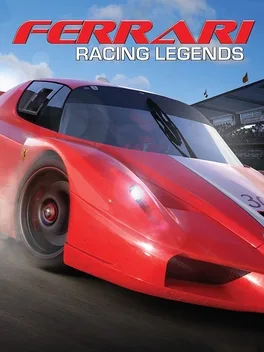
Detailed physics underpin a huge variety of challenges set throughout the history of this landmark automotive brand. Painstakingly detailed cars and tracks reflect visceral damage as races wear on, an acute sense of speed communicates the power of these highly tuned vehicles, as advanced AI challenges even the most experienced driver.