
Lunar: The Silver Star


Buy
Part of collection:
Lunar
(last 3 games)
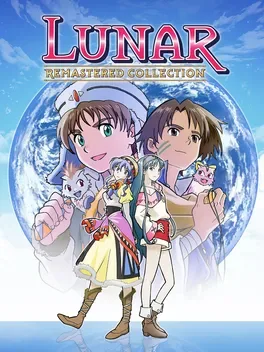
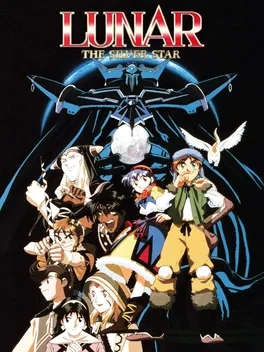
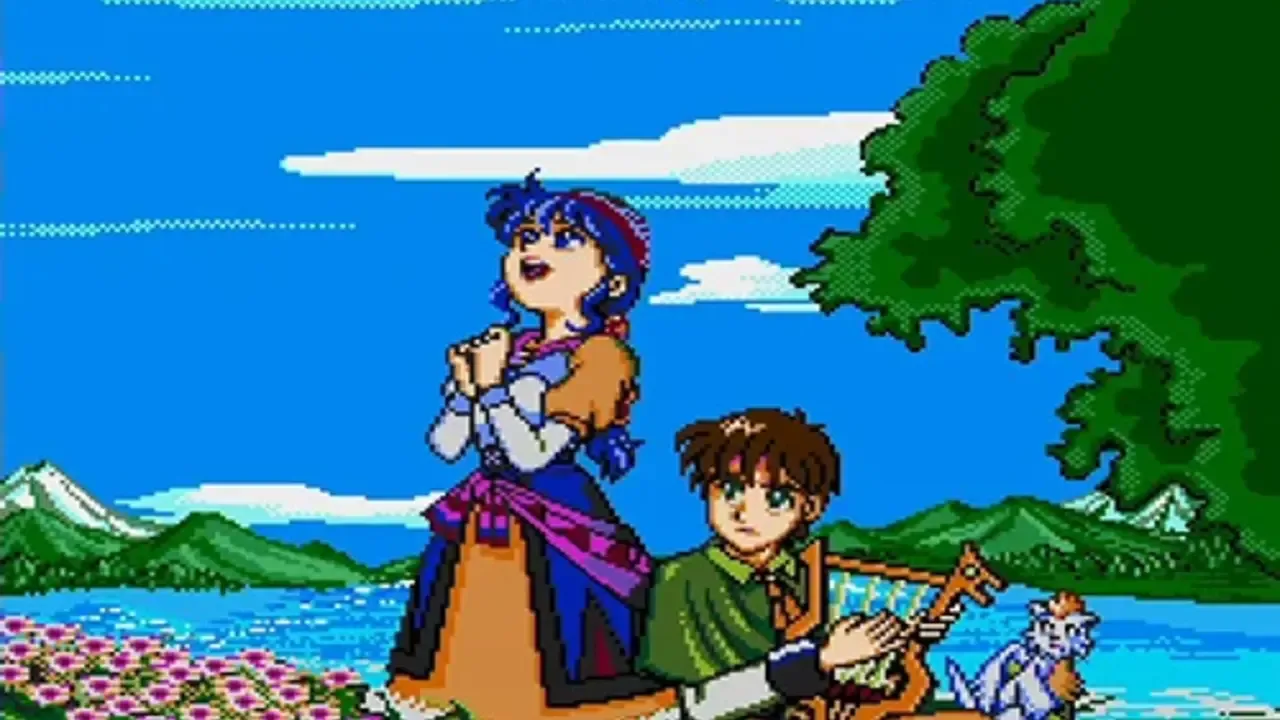
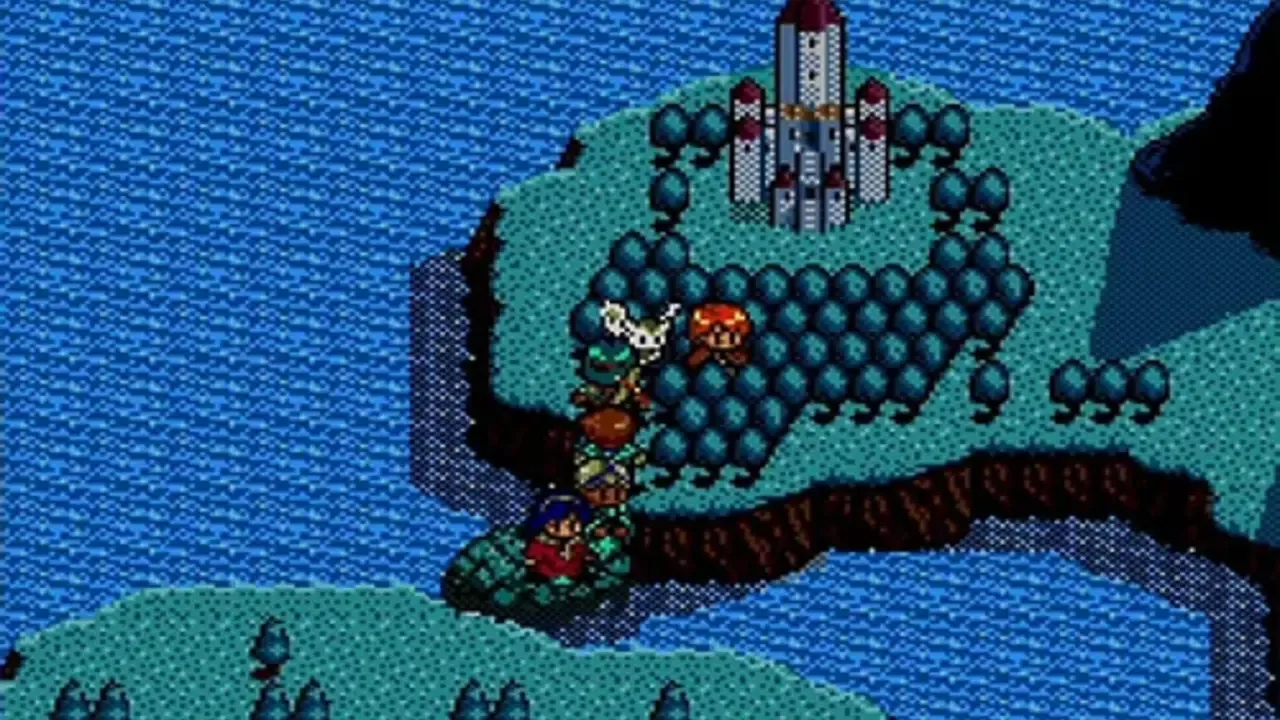
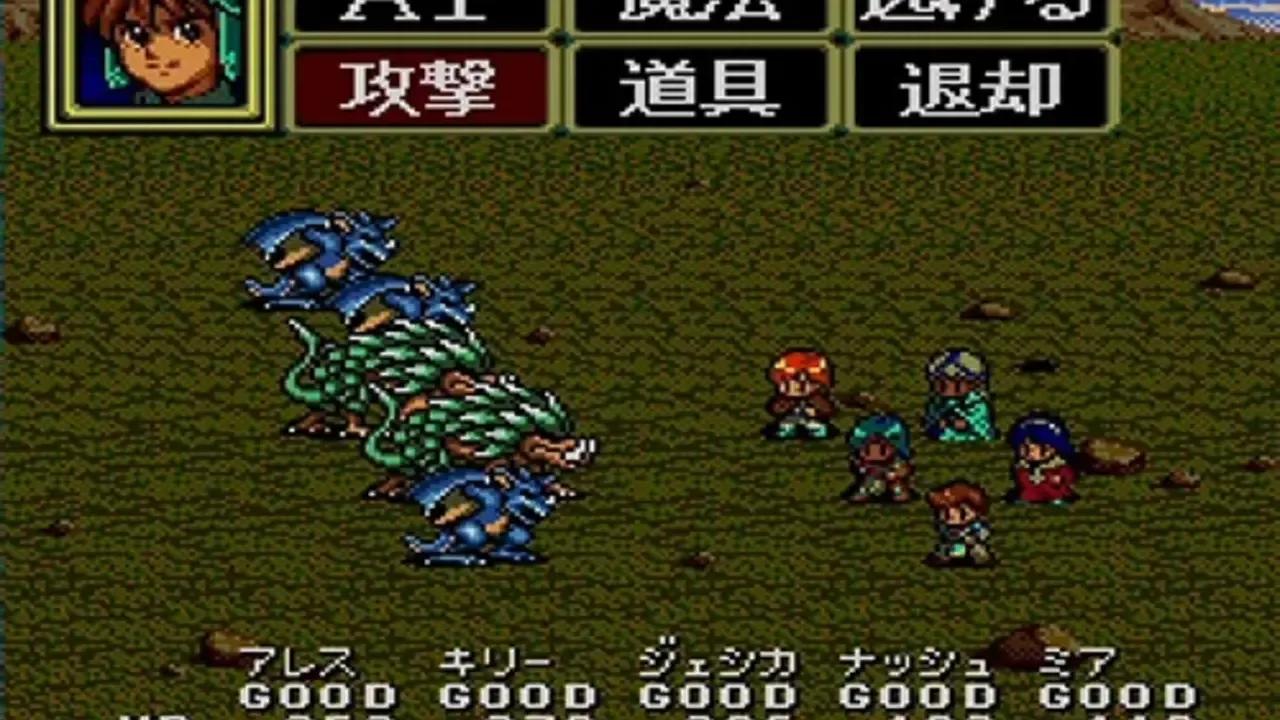
Embark on thrilling adventures within the enchanting worlds of LUNAR: Silver Star Story Complete and LUNAR 2: Eternal Blue Complete! These two cherished JRPGs have delighted gamers for generations. Now, in this definitive remastered edition, experience enhanced graphics, audio, and quality-of-life improvements that make the journey even more magical!
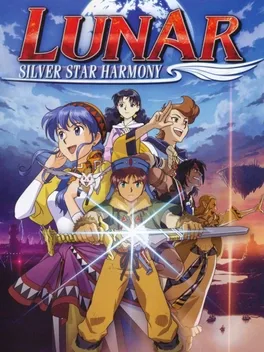
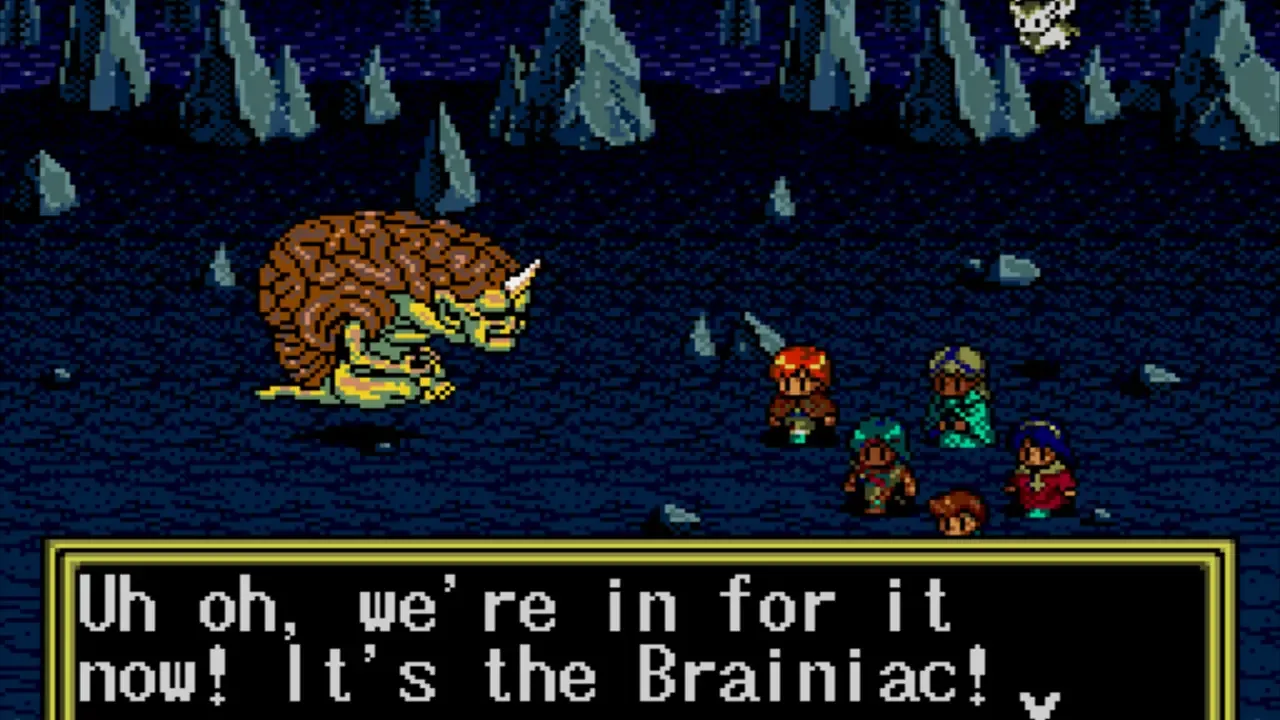
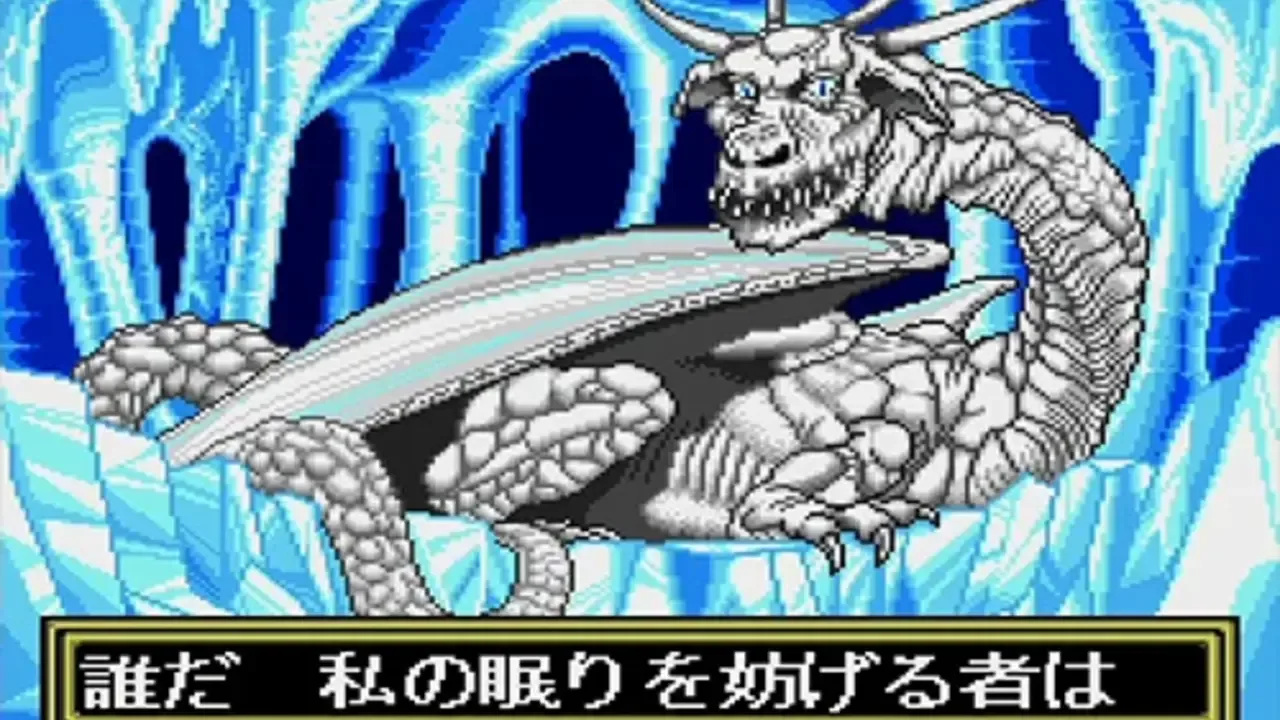
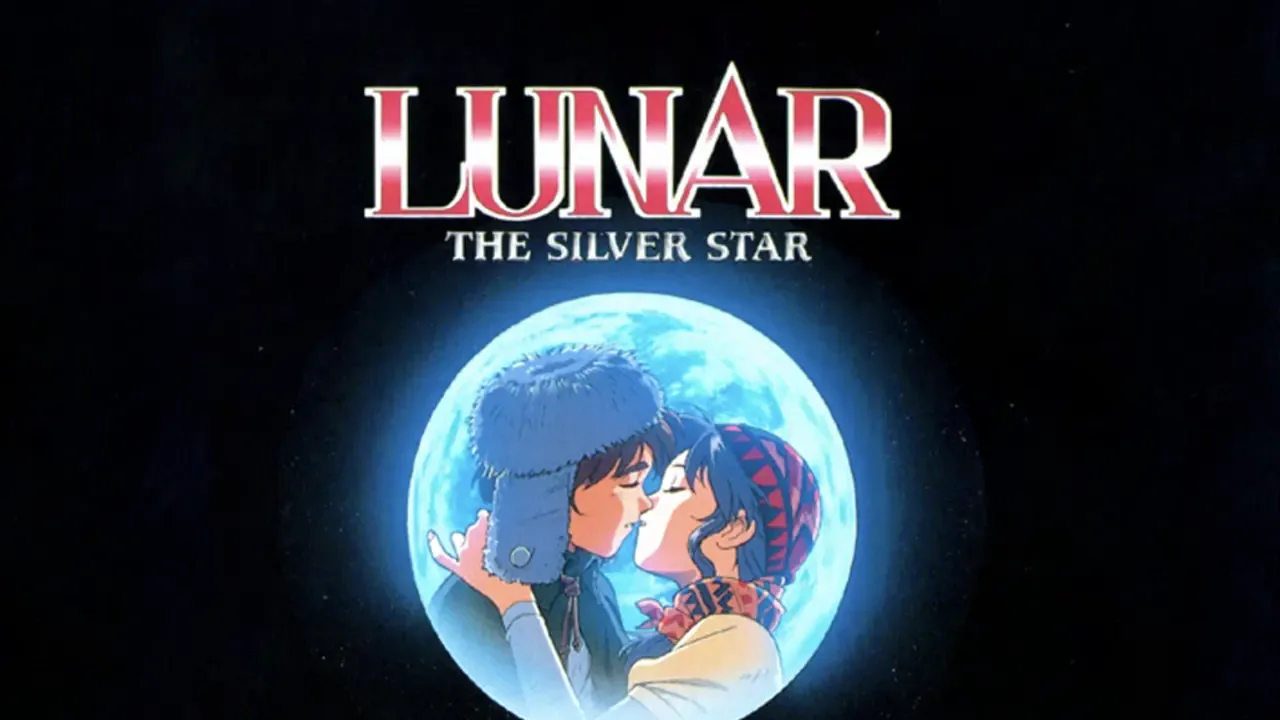
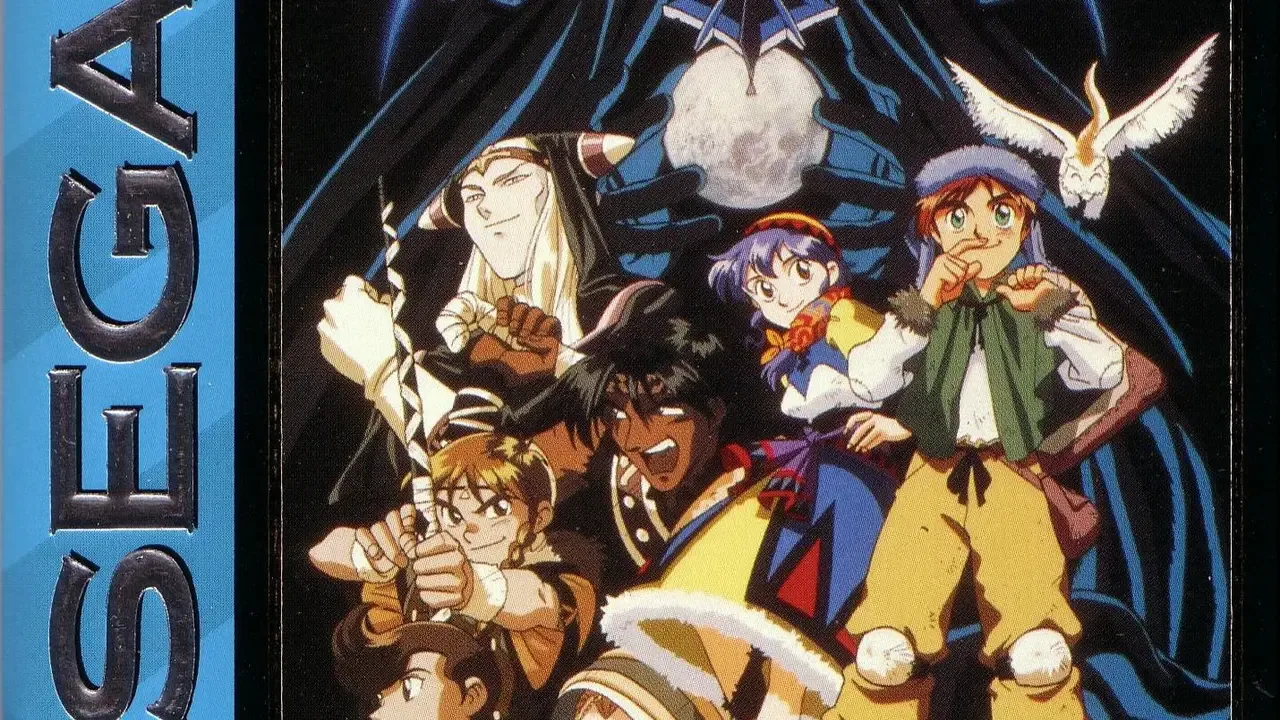
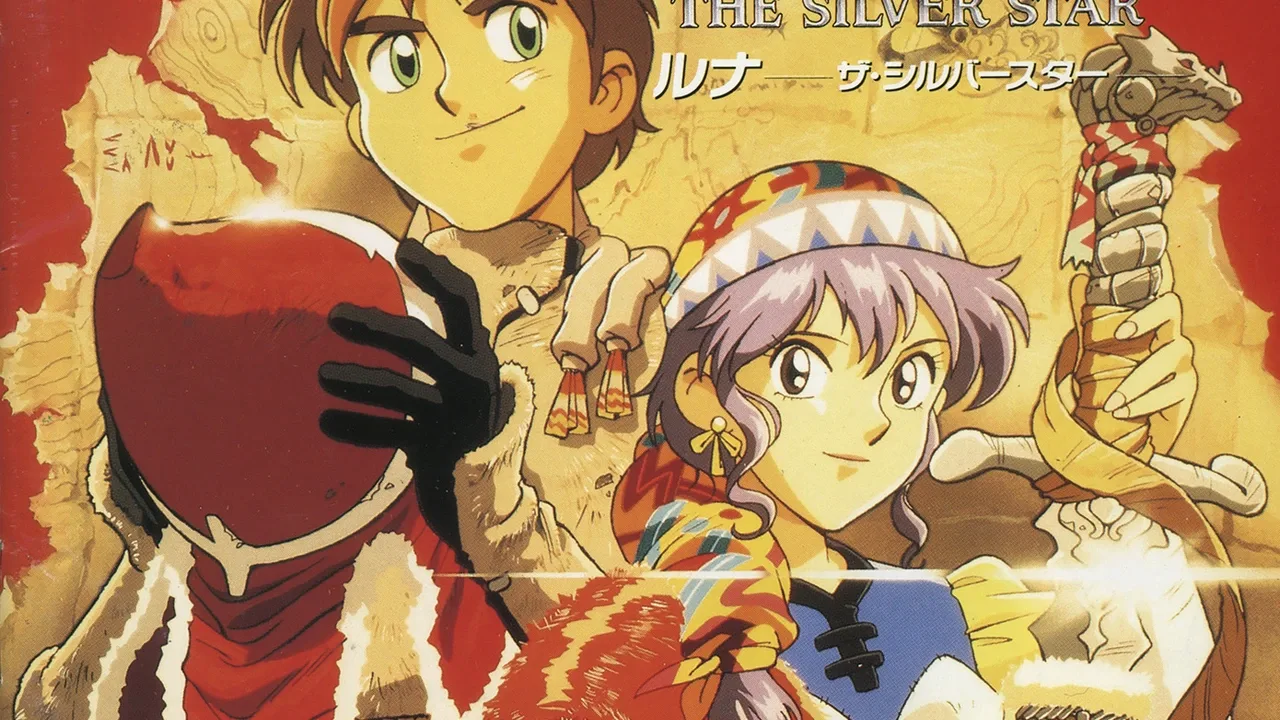
While seemingly placid on the surface, the world of Lunar is slowly descending into chaos, as the Goddess Althena, the creator and guardian of the world, has disappeared and the valiant efforts of the legendary Dragonmaster Dyne and his faithful companions fade into obscurity. With Althena gone and no one able or willing to become the next Dragonmaster, a shadowy figure, known only as the Magic Emperor, has started plotting to usurp Althena's place and become a god. In a remote village far removed from the decay that is slowly spreading throughout the world lives a young man named Alex, who dreams of one day becoming the next Dragonmaster like his hero Dyne. One day, Alex's friend Ramus convinces him to head towards a cave near town, where it is rumored the legendary White Dragon resides. With Alex's adopted sister Luna and his mysterious pet Nall in tow, Alex heads off on what seems to be a meaningless adventure, not knowing that it would be the first step in an epic journey with the fate of the entire world at stake.
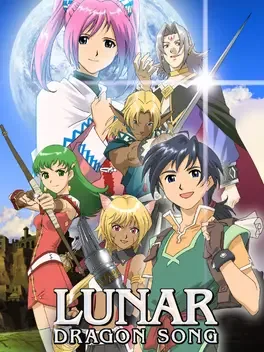
Through the Darkness find the Light! When The Legends of Dragons were first born, an age of darkness descended on the world of Lunar. Join the untried hero Jian and his friends on their journey to save Lunar from the powerful forces of evil.
Could be interesting
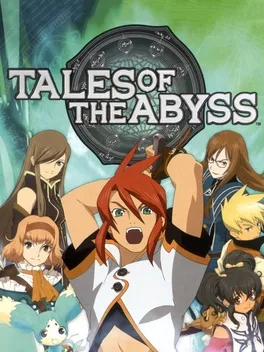
This entry in Namco's popular Tales series takes place in a world where prophecies clue people in to future happenings. Tales of the Abyss boasts a revolutionary new free roaming battle system allowing players to move anywhere on the battlefield, a first in the Tales series which brings new depth to the intense, high-action battles that Tales games are knows for.
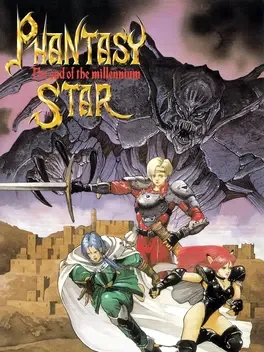
You are Chaz Ashely, a rookie Hunter straight out of training who is supported by Alys Brangwin – a crafty veteran whose good looks and prowess with the blade have earned her an awesome reputation. The two Hunters along with a cast of supporting characters will go beyond Motavia to unwittingly save their entire solar system.
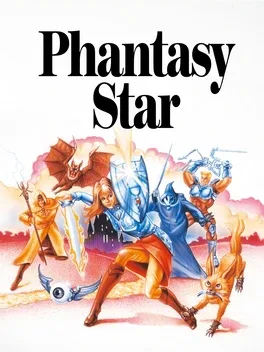
The time: Space Century 3240. The place: The Algol Star System. It began when King Lassic turned evil and let hordes of hideous, magical creatures run amok on the three planets. When her brother was killed, Alis vowed to avenge his death and put an end to Lassic forever. Join her in a journey across time and space to worlds where creatures speak...where magic and science combine to take you on the ultimate video quest. Phantasy Star is total adventure role playing with towns full of people and shops...16 level dungeons full of traps and treasure...three companions who will help you if you find them and some of the most awesome graphics ever put in a video game.

Breath of Fire IV is a single-player game that continues the story with these "dragon people," who gave their lives to eradicate the evil goddess and restore peace in their world. This time around, battle has broken out between two powerful continents, and the fair Princess Elena has disappeared during a tour of the war-torn region. The princess's sister, Nina, who reigns o'er the Windia Kingdom, vows to retrieve her missing sibling. She meets Ryu along the way, who joins the epic quest
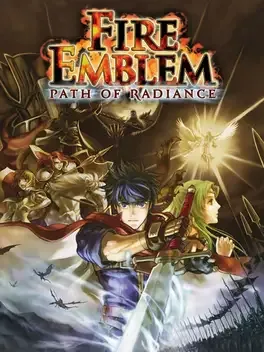
Fire Emblem: Path of Radiance is a tactical role-playing video game developed by Intelligent Systems and Nintendo SPD, and published by Nintendo for the GameCube home console in 2005. It is the ninth main installment in the Fire Emblem series,[c] and the third to be released in the west. As with previous installments, gameplay revolves around positioning characters on a battlefield to defeat an opposing force. If characters are defeated in battle, they are removed from the rest of the game.
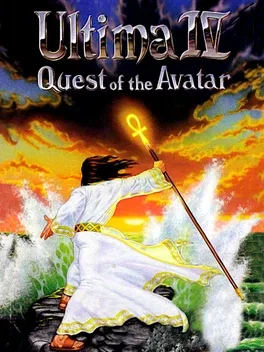
Following the defeat of the evil triad in the previous three Ultima games, the world of Sosaria changed beyond recognition: continents rose and sank, and new cities were built, heralding the advent of a different civilization. Unified by the reign of the benevolent monarch Lord British, the new world was renamed Britannia. Lord British wished to base people's well-being on the ethical principles of Truth, Love, and Courage, proclaiming the Eight Virtues (Honesty, Compassion, Valor, Justice, Sacrifice, Honor, Spirituality, and Humility) as the ideal everyone should strive for. The person who could accomplish full understanding and realization of these virtues would serve as a spiritual leader and a moral example for the inhabitants of Britannia; he alone would be able to obtain holy artifacts, descend into the Stygian Abyss, and access the Codex of Ultimate Wisdom. This person is the Avatar. The fourth game in the Ultima series features an improved game engine, with color graphics and enhanced character interaction: the player can have conversations with non-playable characters by typing names of various topics. However, the main difference between Ultima IV and its predecessors in the series (as well as other role-playing games) lies in the game's objectives and the ways to fulfill them. Instead of building up a character by any means possible in order to face a villain in the end of the game, in Ultima IV the player is trying to become the Avatar, a role model for people. This means upholding the Eight Virtues, basically trying to become a better person. Making morally conscious decisions and helping other people is not done expecting a material reward, but because it is the actual goal of the game and the main focus of its gameplay. The game frowns on behavior typical of most other RPGs, such as backstabbing fleeing enemies or picking up everything that isn't nailed down even if it does not belong to the protagonist. This different approach established the game's reputation as the first "true" Ultima, influencing the design philosophy of later installments and the overall spirit of the series. Character creation is done by choosing responses to morally ambiguous questions. Each of the Eight Virtues corresponds to a character class; by determining the player's personal priorities in the virtues, the game assigns a class and a starting location for the Avatar. After emerging in Britannia, the player is free to explore it in various ways (on foot, moongate teleportation, on horseback, by ship, etc.). Certain items must be collected in any order to enter the Stygian Abyss and complete the game. The Avatar also has to reach the highest level in all virtues. This is achieved by various means: donating blood increases Sacrifice, not fleeing from combat increases Valor, etc. The process, however, is not irreversible: should the Avatar overpay a blind seller, he gains Compassion points; should he, on the other hand, cheat the seller by underpaying, his level in several virtues would decrease. These unorthodox features of the game co-exist with plenty of traditional RPG elements, such as dungeons to explore and hostile monsters to kill. Enemies are encountered on the world map as well as in dungeons; combat takes place on separate top-down screens, allowing player-controlled and enemy parties freely move on them. Characters accumulate experience points and level up, gaining higher amount of hit points and access to stronger magic spells. Like in the previous installments of the series, world map, town exploration and combat are presented from a top-down view, while the dungeons are pseudo-3D and are explored from first-person perspective. Ultima IV also introduces several new gameplay features to the series and role-playing games in general. A number of initially non-playable characters living in various areas of the game world are able to to join the party and fight alongside the hero, replacing traditional player-generated characters or mercenaries and adventurers available only in special locations. Additional new elements include buying and combining reagents in order to cast spells, puzzle rooms in dungeons, and others.
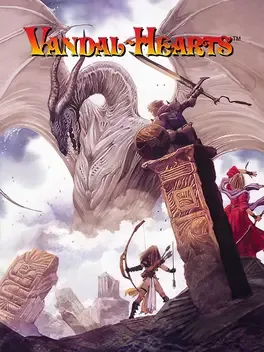
You assume the role of Ash Lambert, a hero torn between saving his country and restoring honor to the disgraced Lambert dynasty. As he struggles with his inner demons and personal problems, he will meet various companions throughout his journey. They will help your character fight to overthrow the oppressive regime and ward off an ancient being that threatens the world. Vandal-Hearts is a 3D turn-based strategy game. Unlike many games of the genre, the various battlefields have sloped surfaces that will either work to your advantage or against you. It will be up to you to accommodate your strategy and amount an appropriate offensive assault against your foes as well as set up defensive measures.
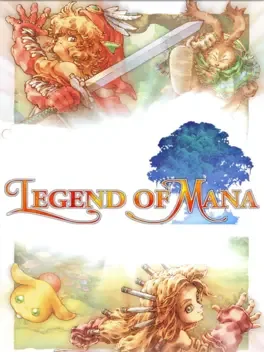
While incorporating action role-playing game elements from the three games which preceded it, Legend of Mana has its own distinct style of gameplay. Most notably, it gives the player the ability to shape the game's world of Fa'Diel according to his or her desires, a system which was incorporated through the use of "artifacts," which are gained as the player progresses through the game. The player uses the artifacts to create different towns, dungeons, etc., called "Lands", to venture to and explore. This creates a non-linear gameplay, since the game is driven by a series of what would be considered side-quests in other games. Legend of Mana features three different plots which can occur simultaneously, and which do not necessarily need to be completed for the player to finish the game. Legend of Mana was a financial success in Japan. While the game garnered considerable praise for its graphics and presentation, many critics and fans were turned off by the game's lack of a main storyline.
A MYSTERIOUS POWER...AN UNLIKELY HERO...A CLASSIC ADVENTURE... The lone survivor of a legendary dragon clan, a rebellious youth embarks on a great journey. One of discovery... and danger. The classic role-playing game now returns to continue the epic tales of Ryu and the dragon people. An inner power of uncertain origin matures Ryu into a warrior who ponders his purpose as he embarks on a mystical journey. What lies ahead is shrouded in mystery... yet strangely familiar. DRAGON GENE SPLICING LEGENDARY ROLEPLAYING AN EPIC 3-D ENVIRONMENT LEARN OR STEAL ADVANCE SKILLS AND TECHNIQUES POWERFUL MAGIC NOW YOU POSSESS THE POWER TO CONTROL RYU'S DESTINY.
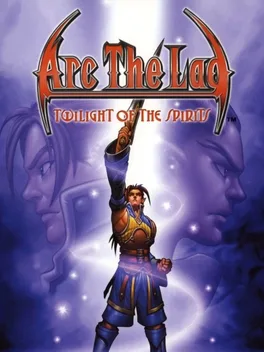
The world of Arc: Twilight of the Spirits is populated by two races: human and Deimos. The two races prefer to avoid contact with each other, but both depend on the Spirit Stones to sustain the balance in the world. Recently, the human army began sweeping across the lands, taking over countries. This army is going after the five great Spirit Stones. The Spirits, however, are determined to prevent this; to achieve their goal, they choose two heroes who would eventually be able to unite the two races in a battle for justice. One of them a is a human nobleman named Kharg, who hates the Deimos and is planning revenge; another is a Deimos slave named Darc, who dreams of uniting and commanding his race. Will the two heroes be able to put aside their differences and save the world?.. Arc: Twilight of the Spirits is the fourth entry in the Arc the Lad series. Like its two immediate predecessors, the game has tactical battles which allow free positioning and movement of the characters on the combat field. However, the game is closer to being a "regular" Japanese-style role-playing game rather than a tactical RPG. The player controls a relatively small party (up to six active combatants), and is able to explore towns and dungeons in a standard RPG fashion. In the beginning, the game puts the player into control of Kharg, but afterwards the chapters alternate between the human hero and Darc, each with his own party. Characters can use a variety of techniques, accumulating SP (spirit points) in battles and them using them to learn special attacks.