
Magical Drop II





Buy
Part of collection:
Magical Drop
(last 3 games)
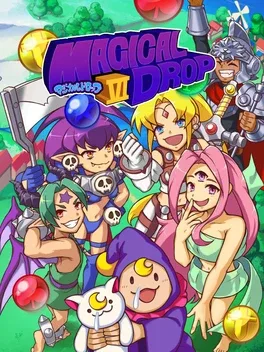
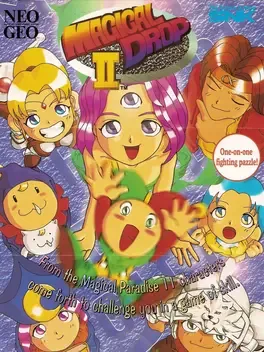
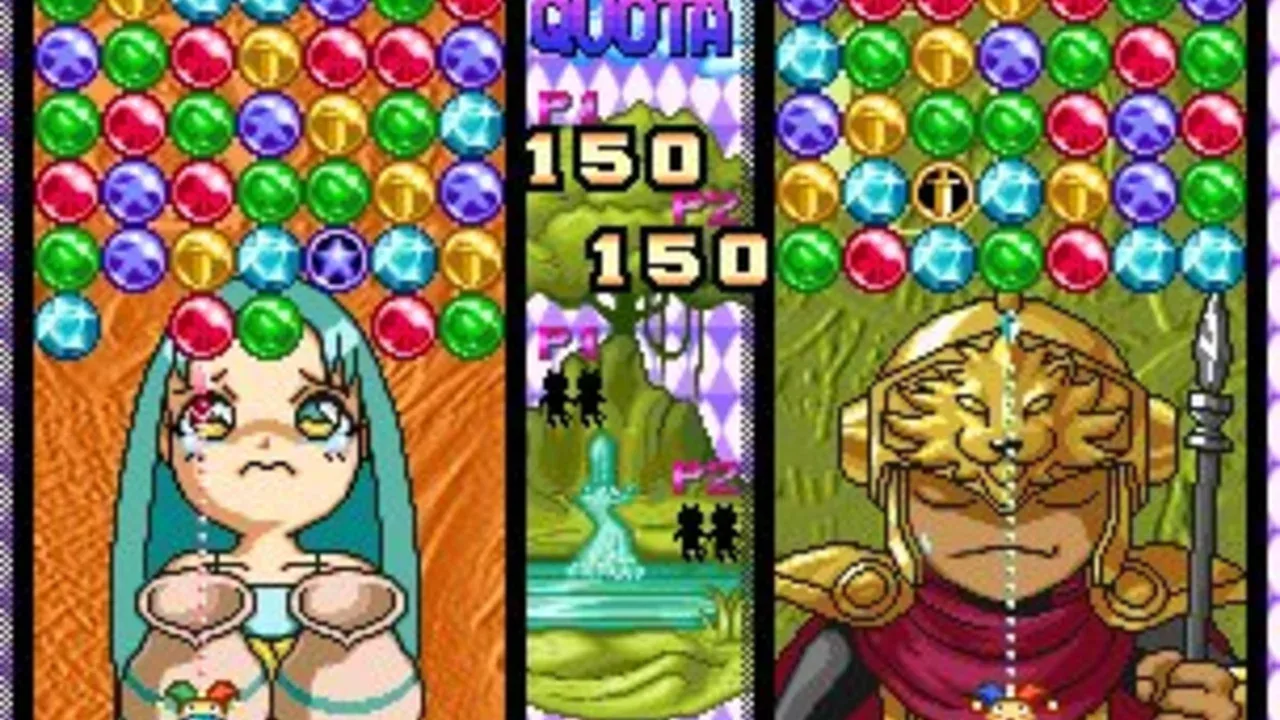
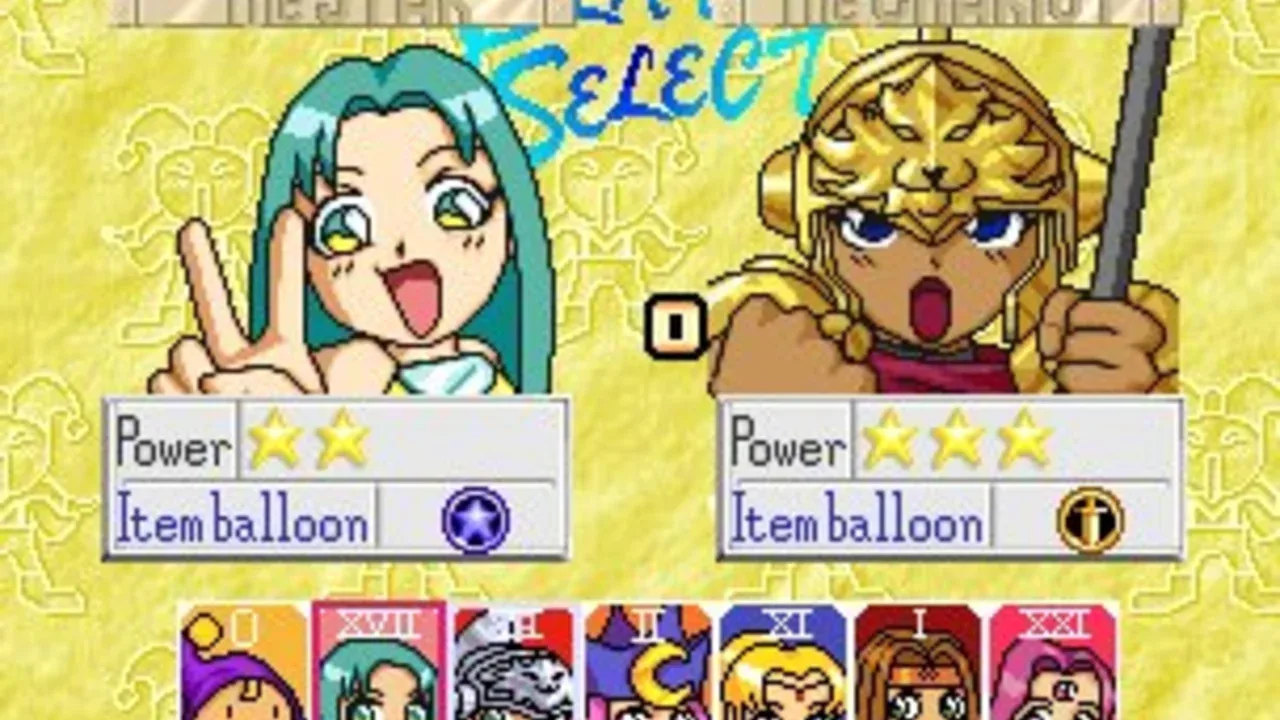
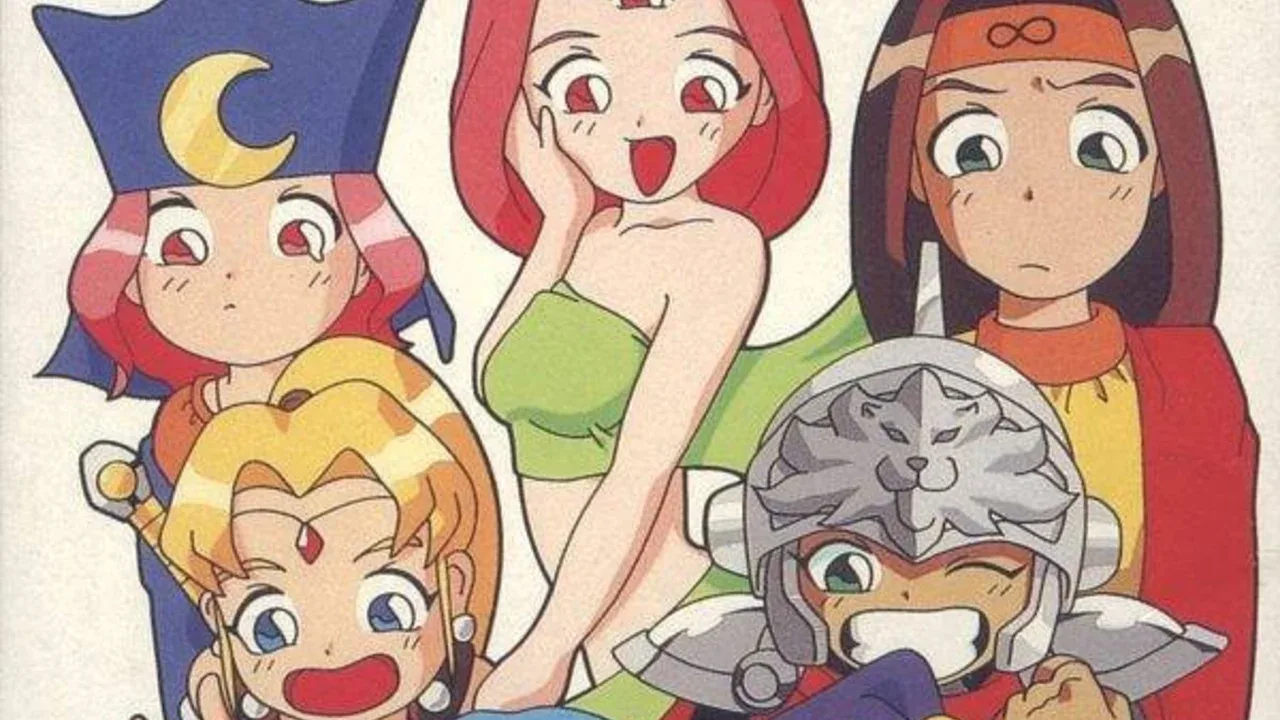
The legendary Japanese arcade game is back! Choose your favorite character—will it be World, the Overseer of the Magical Land, the mighty Justice, or the devious Black Pierrot?—and play in one of the numerous game modes available. Solve diabolical puzzles or beat strong opponents in Arcade match. Follow an adventure in Story or Path of Destiny modes, full of twists and turns. Challenge your friends and the best players online!
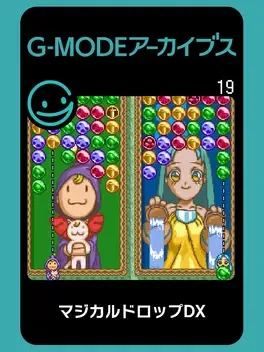
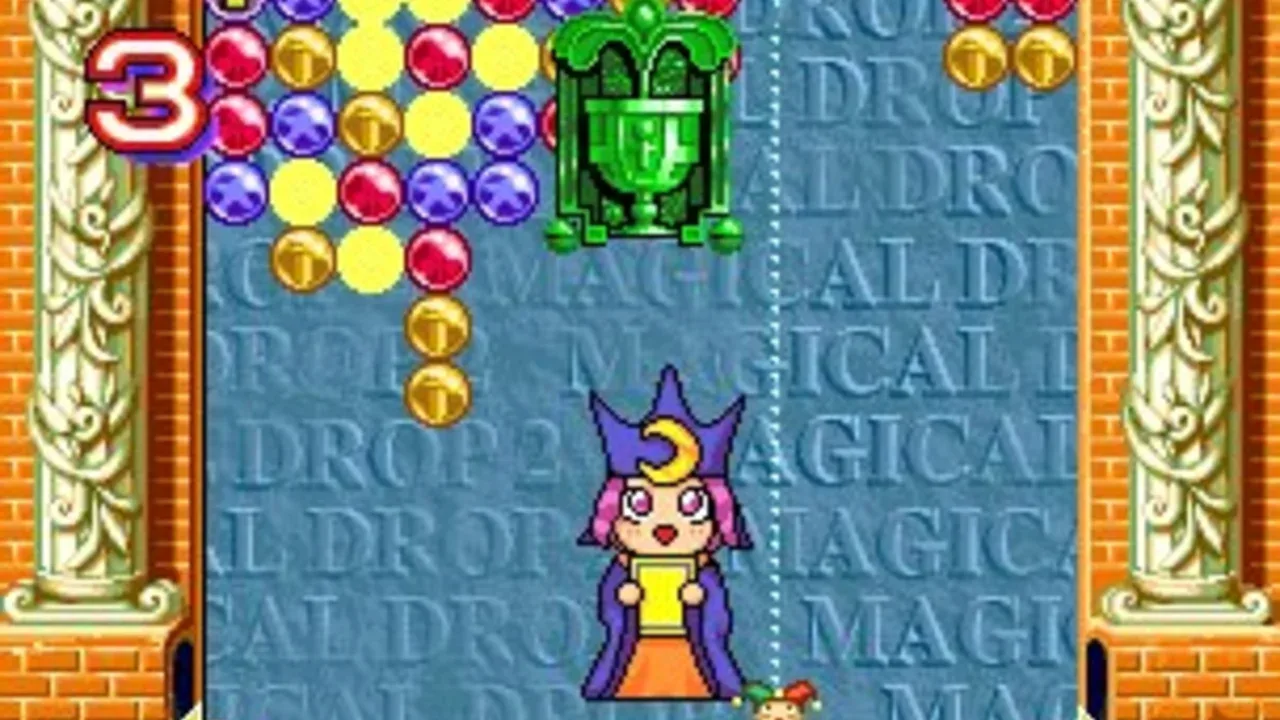
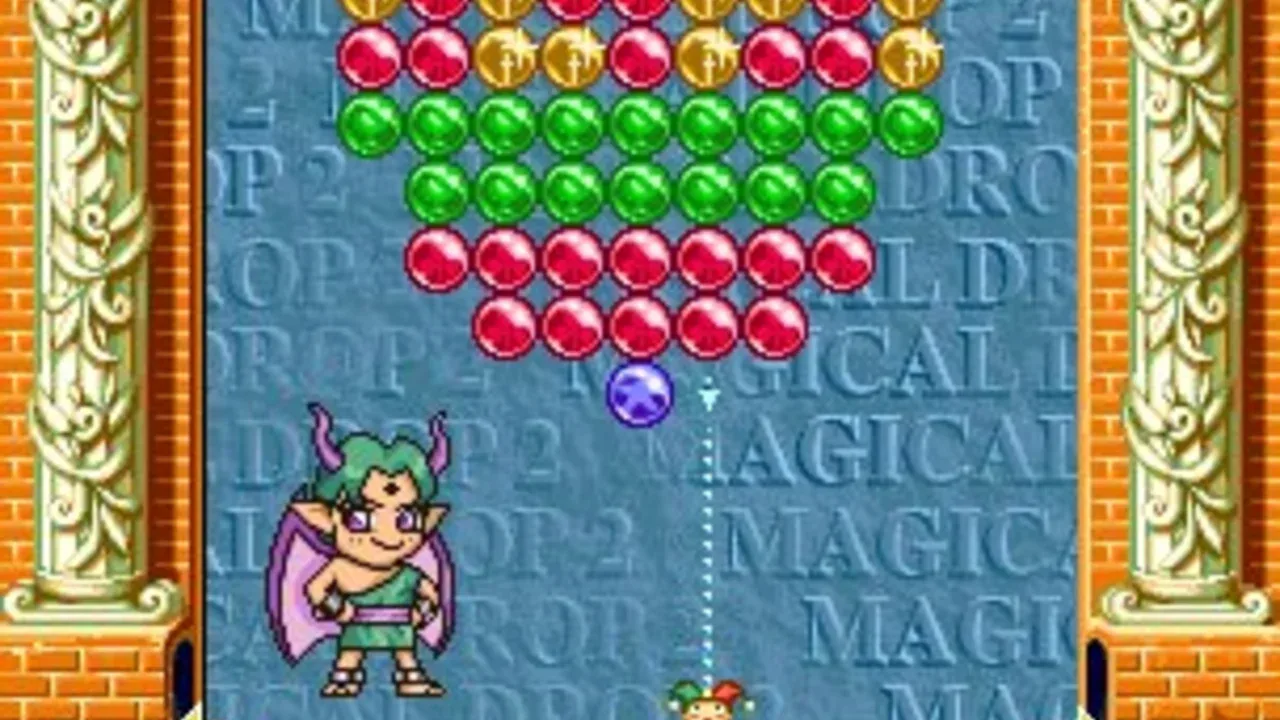
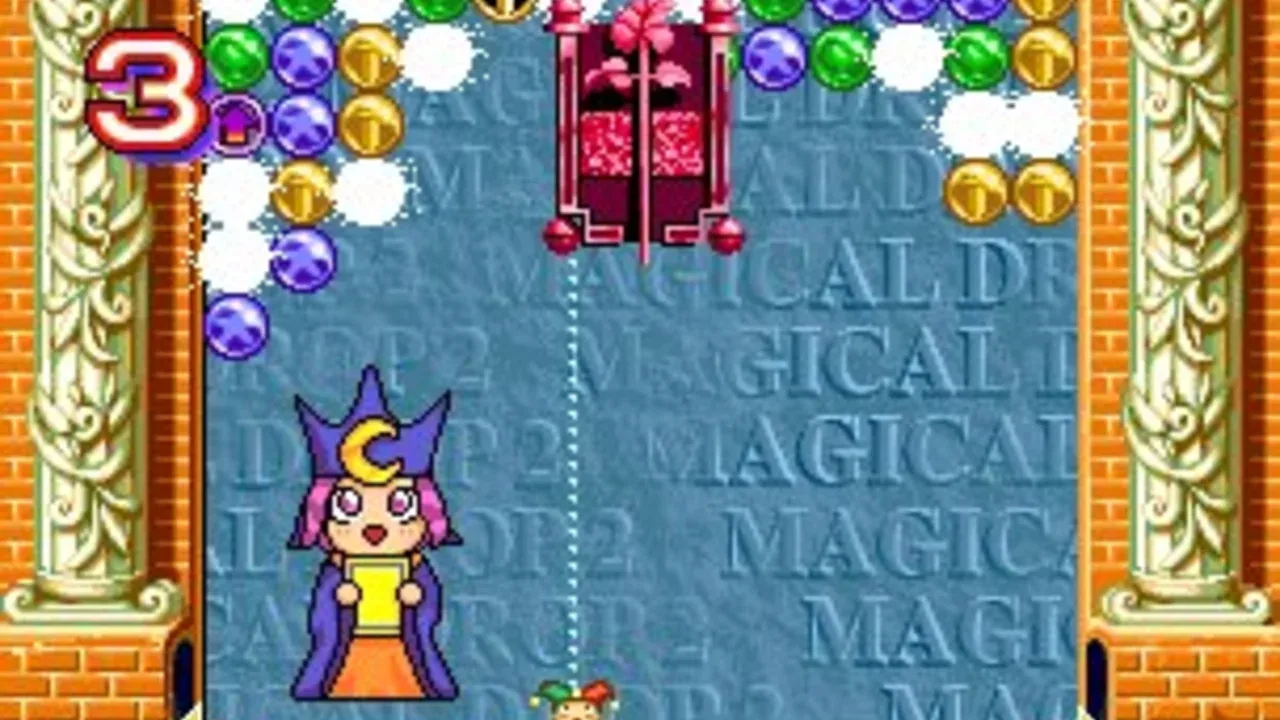
Take, throw, and connect the colorful drops! An action puzzle with an exhilarating chain of events! "Magical Drop DX" is an action puzzle game in which characters resembling tarot cards take or throw drops and line up three or more vertically to make them disappear. If you line up other drops while a drop is disappearing, you can create a chain and score high points! Run left and right across the field to gain an edge over your rivals! The game includes a "Story Mode" where you can fight against the computer at three different levels (easy, normal, and hard), and a "Hard Mode" where you just keep erasing drops on a larger stage than usual.

Magical Drop Is Back!!! Yes, the cult-classic returns with all the fast-paced action you expect from the franchise, mixed with modern visuals and multi-player online experiences. The sixth Magical Drop game was developed by French independent studio Golgoth and published by UTV Ignition for Steam in 2012. Xbox Live Arcade and PlayStation Network ports were announced, but ultimately never materialized. The game features a much smaller selection of characters, omits items, and removes Puzzle Mode; however, it adds new online gameplay modes. Characters from the cancelled Data East puzzle game Ghostlop are introduced; these three characters use Ghostlop gameplay instead of traditional Magical Drop mechanics.
Could be interesting
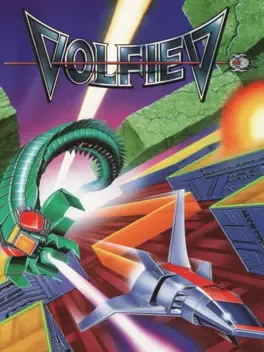
Once in the game, using the arrow keys you can move the 'Scanner' ship around the 'Shield Line' at the parameter of the playing area. While moving around this edge the ship is protected from the aliens by a shield indicated by a glowing circle around the ship. This shield is not infinite and care should be taken to complete each level as quickly as possible. A counter indicates the level of shield that you have: when it reaches zero then any contact with an alien is deadly whether you are on the 'Shield Line' or not. The idea of the game is to cut areas out of the screen without touching any of the aliens. This is done by pressing the SPACE key which initiates the 'Laser Cutter' and moving off the 'Shield Line' and rejoining it somewhere else. While you are in the process of drawing a line, your shield is inactive and touching an alien is fatal. Similarly, if one of the aliens touches the line then it will send a charge down the line towards you and you must quickly return to the safety of the edge before it reaches you. When you rejoin the 'Shield Line' the area that does not contain the 'Boss' alien will be filled (points are gained by trapping the other aliens) and the 'Shield Line' will be adjusted to surround the area that is left. The level is completed when a certain percentage of the total area has been filled in. This percentage starts at 80% but may increase in the later levels.
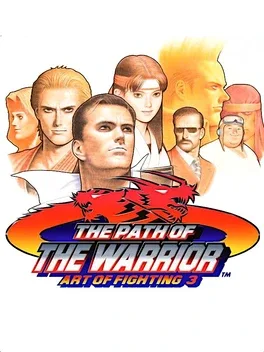
In this third and final entry in the Art of Fighting series, the story shifts from Ryo Sakazaki to his best friend and rival, Robert Garcia, as he ventures into Mexico to try and locate Freia Lawrence, a childhood friend, who asked for his help. However, he leaves without the consent of The Garcia Foundation, which sends an agent named Karman Cole to get him back. But not everything is as simple as it looks... because Robert is not the only one looking for Freia. Art of Fighting 3: The Path of The Warrior features ten playable characters with different fighting styles, a completely new fighting system based on joystick and button combinations, and incredibly detailed graphics and animation.
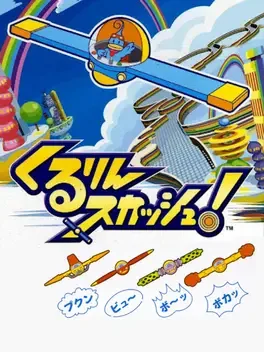
Kururin Squash! is an action-puzzle video game developed by Eighting and published by Nintendo. It was released only in Japan on October 14, 2004. The game is the successor to Kururin Paradise and is the only title of the Kururin series with 3D computer graphics.
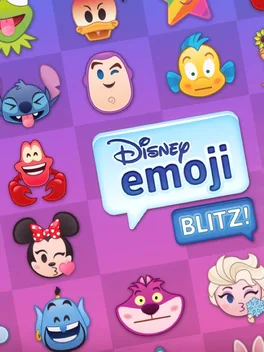
Ready. Set. Blitz! Collect and play with hundreds of Disney, Pixar and Star Wars emojis like never before in an exciting matching game! Play fast paced rounds of match-3 to earn prizes, complete missions, and discover new emojis. Collect Disney, Pixar and Star Wars emoji characters and items from The Little Mermaid, The Lion King, Cinderella, Zootopia, The Muppets, Disney|Pixar's Toy Story, Monsters, Inc., Finding Dory and more!
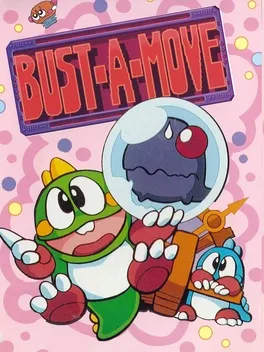
Bust-A-Move (also known as Puzzle Bobble) is a real-time puzzle game in which the player controls a device called "pointer" at the bottom of the screen, aiming and releasing randomly colored bubbles upwards. Depending on the aiming, the bubbles may float up directly or bounce off the walls, changing their trajectory. The goal is to aim the bubbles in such a way that they will touch identically colored ones. When such bubbles form a group of three or more, they pop and disappear from the screen. If the ceiling of the area is covered by too many bubbles, it will gradually descend; the game is over when it nearly reaches the player-controlled pointer. Should the player fail to release the bubbles within a specific time limit, they will be released automatically, unaffected by the pointer's aiming.

Lufia II: Rise of the Sinistrals serves as a prequel to Lufia & the Fortress of Doom, unfolding its events ninety-nine years before. The narrative delves into the origins of the series' antagonists, the Sinistrals, a group of super-humans. Players take on the role of the ancestor of Maxim, the protagonist from the first game, as he embarks on a quest after encountering Iris, a mysterious woman. Maxim seeks other heroes to join forces in preventing the Sinistrals from wreaking havoc and destroying the world. Like its predecessor, Rise of the Sinistrals follows the Japanese-style turn-based RPG format with an infusion of puzzle elements. The game incorporates intricate puzzles into its dungeon designs, requiring players to use various items and accessories for solving. Additionally, it introduces the "Capsule Monsters" system, allowing summoned monsters to participate in battles. These creatures evolve through the consumption of weapons, armour, or special fruits. Unlike the first game, dungeons in Rise of the Sinistrals lack random battles, with enemies visibly moving on-screen.
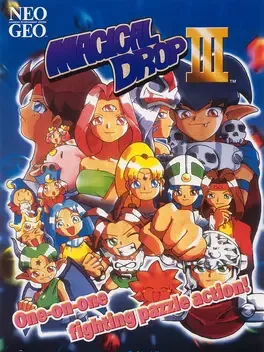
Control a clown to pull in and throw back balloons hurled from the top of the screen. If you line up three or more balloons of the same color in a vertical row, they will burst. If you're not quick enough, the balloons will squash the clown and the game is over. Once you've got the hang of bursting balloons, you'll need to master combos and chains. The third Magical Drop game, first released in 1997, was also developed for the Neo Geo. This games adds representatives for the remaining Tarot Major Arcana, as well as introducing a "daughter" Strength character that more closely resembles the traditional depiction of Strength. The game adds a third button, which allows players to add rows to their field at any time. Additionally, attacks now sends lines to the opponent in non-even rows that vary by character. Hirameki mode is replaced by Adventure Mode, which is a board game that challenges players to reach Empress before CPU-controlled rivals. The English versions of Magical Drop III remove the hardest difficulty setting in Vs. CPU Mode and rival opponents in Adventure Mode.

This fighting game began the story of the Sakazaki family and Robert Garcia. Yuri Sakazaki has been abducted by Mr. Big to punish her father, Takuma, and her brother, Ryo. To rescue her, Ryo and Robert must take on numerous enemies around South Town, eventually reaching the mysterious Mr. Karate. The passion of the game’s creators is evident in the unique game play elements introduced. These include an energy gauge that is depleted every time a fighter uses a special maneuver, Desperation Attacks that are usable only when a fighter’s health is low, and camera zooming that adjusts on the fly as fighters move around the stage. All these features ensure that players use strategy and tactics, rather than simply mash buttons. Adding to the mix are little touches such as characters showing cuts when they are injured and voice-over samples during cut scenes. Can you perfect the art of fighting and save Yuri?
Infidhells is a Roguelite Puzzle-Game based on various stuff and of course Tetris. You'll encounter many foes, bosses, hectic items and game changing mechanics. Anyway, it should be great (when it actually works).
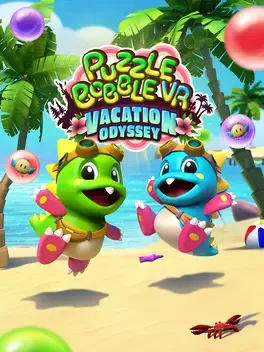
Bursting with the same cheerful energy, adorable characters, and timeless gameplay as its predecessors, Puzzle Bobble 3D: Vacation Odyssey is the next evolution of the classic Japanese action puzzle game franchise—with the immersive fun of 3D!