
Maison Ikkoku
Buy
Part of franchise:
Maison Ikkoku
Japanese romantic adventure game, based on the "Maison Ikkoku" manga series.
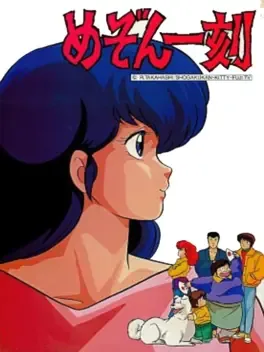
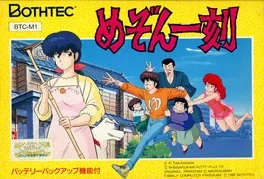
Maison Ikkoku: Omoide no Photograph is a Japanese menu-based graphical adventure game based on the anime and manga series. Players control Yusaku Godai and will need to help him find a secret photograph that's been hidden away by the manager. Godai will need to bribe the inhabitants, which constantly move around the house in order to get access to Kyoko's room. But even if Godai makes it into the manager's room and tries to look at the framed photo, something will always happen which will force Godai to leave the room. The game has the player move between locations in the boarding house and the town, constantly running out of money, and meeting all the cast from the original comic book, including Nikaido who did not appear in the anime.
Could be interesting

MoeNovel's exciting new original title, LoveKami -Divinity Stage-, debuts on Steam in English, bringing a fun and energetic tale filled with magic and music!

Hilarious adventure game designed in a TV cartoonish style.

This side story to "The Fruit of Grisaia" is a character-driven visual novel featuring some of the same characters. This time, it's Michiru who takes the lead role in this slapstick comedy. A laugh-out-loud side story detailing the Mihama girls' school hijinks.
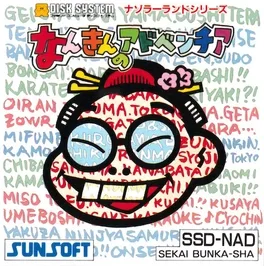
A Famicom Disk System adventure game developed by Sunsoft in 1988. Nankin no Adventure is a Famicom Disk System adventure game from SunSoft that plays much like every other Famicom adventure game of the era. The player selects commands from a menu in order to talk to NPCs and solve puzzles which will eventually allow them to progress. As with many of these Famicom text adventures there is a linear critical path that the player must follow in order to move to new areas and reach the next point of the story. Nankin refers to a semi-obscure manga artist of the same name who was behind much of the art design of the game. Though the game doesn't include any of his pre-existing licenses, his distinctive art style is present throughout. This approach might be equated to Akira Toriyama's artistic involvement with the Dragon Quest and Chrono games.
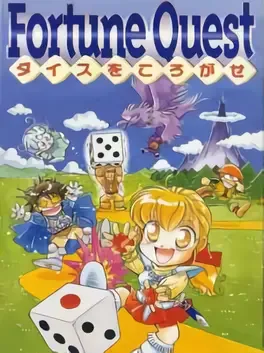
Fortune Quest is a Miscellaneous game, developed by Natsume and published by Zamuse, which was released in Japan in 1994.

Tensai Bakabon is an Action game, published by Sega, which was released in Japan in 1988.
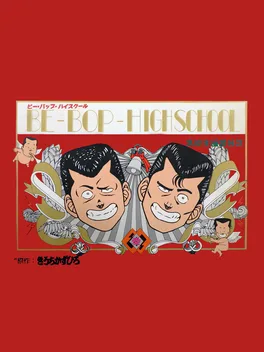
Be-Bop High School: Koukousei Gokuraku Densetsu is an Adventure game, developed and published by Data East, which was released in Japan in 1988.
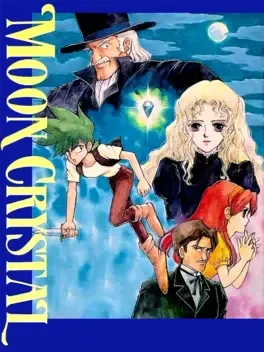
Moon Crystal is a platform action game where you control Ricky Slater on his mission to free his kidnapped father from the evil Count Crimson. The Count is forcing his father, a great scientist, to use the power of the moon crystal to turn the dead into living and rule the world.
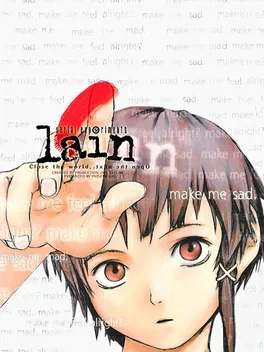
An adventure game where you follow the cybernetic journeys of a girl named Lain.
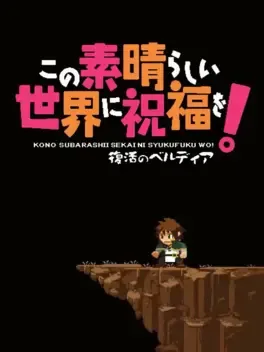
Kono Subarashii Sekai ni Shukufuku wo! Fukkatsu no Beldia is a 2D platformer bundled with the first Blu-ray volume of the second season of the KonoSuba! anime series. It features fast-paced gameplay heavily resembling the Mega Man X games.