
Medarot 2: Kabuto Version


Buy
Part of collection:
Medarot
(last 3 games)
Medarot Classics Plus collects together eight different games in the Medarot (aka Medabots) series. This edition includes all five of the Game Boy and Game Boy Color games from the 3DS compilation and adds three extra Game Boy Advance games. All of the original games in this compilation were originally released in two different versions; this compilation features the Kabuto Version variants of each included game. The included games are: - Medarot - Medarot 2 - Medarot 3 - Medarot 4 - Medarot 5: Susutake Mura no Tenkousei - Medarot Navi - Medarot G - Medarot Two: CORE
Medarot Classics Plus collects together eight different games in the Medarot (aka Medabots) series. This edition includes all five of the Game Boy and Game Boy Color games from the 3DS compilation and adds three extra Game Boy Advance games. All of the original games in this compilation were originally released in two different versions; this compilation features the Kuwagata Version variants of each included game. The included games are: - Medarot - Medarot 2 - Medarot 3 - Medarot 4 - Medarot 5: Susutake Mura no Tenkousei - Medarot Navi - Medarot G - Medarot Two: CORE

Part of franchise:
Medabots
(last 3 games)
Medarot Classics Plus collects together eight different games in the Medarot (aka Medabots) series. This edition includes all five of the Game Boy and Game Boy Color games from the 3DS compilation and adds three extra Game Boy Advance games. All of the original games in this compilation were originally released in two different versions; this compilation features the Kuwagata Version variants of each included game. The included games are: - Medarot - Medarot 2 - Medarot 3 - Medarot 4 - Medarot 5: Susutake Mura no Tenkousei - Medarot Navi - Medarot G - Medarot Two: CORE
Medarot Classics Plus collects together eight different games in the Medarot (aka Medabots) series. This edition includes all five of the Game Boy and Game Boy Color games from the 3DS compilation and adds three extra Game Boy Advance games. All of the original games in this compilation were originally released in two different versions; this compilation features the Kabuto Version variants of each included game. The included games are: - Medarot - Medarot 2 - Medarot 3 - Medarot 4 - Medarot 5: Susutake Mura no Tenkousei - Medarot Navi - Medarot G - Medarot Two: CORE
Medarot Classics collects together five different games in the Medarot (aka Medabots) series for the Game Boy and Game Boy Color. All of the original games in this compilation were originally released in two different versions; this compilation features the Kabuto Version variants of each included game. The included games are: - Medarot - Medarot 2 - Medarot 3 - Medarot 4 - Medarot 5: Susutake Mura no Tenkousei
Could be interesting
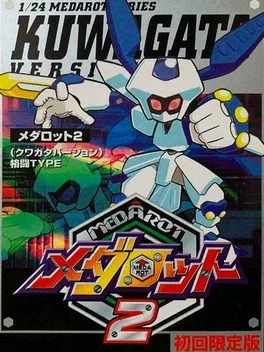
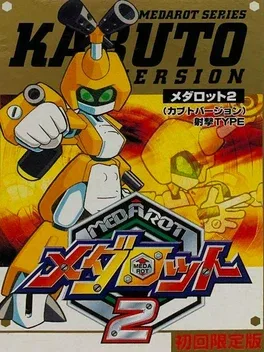
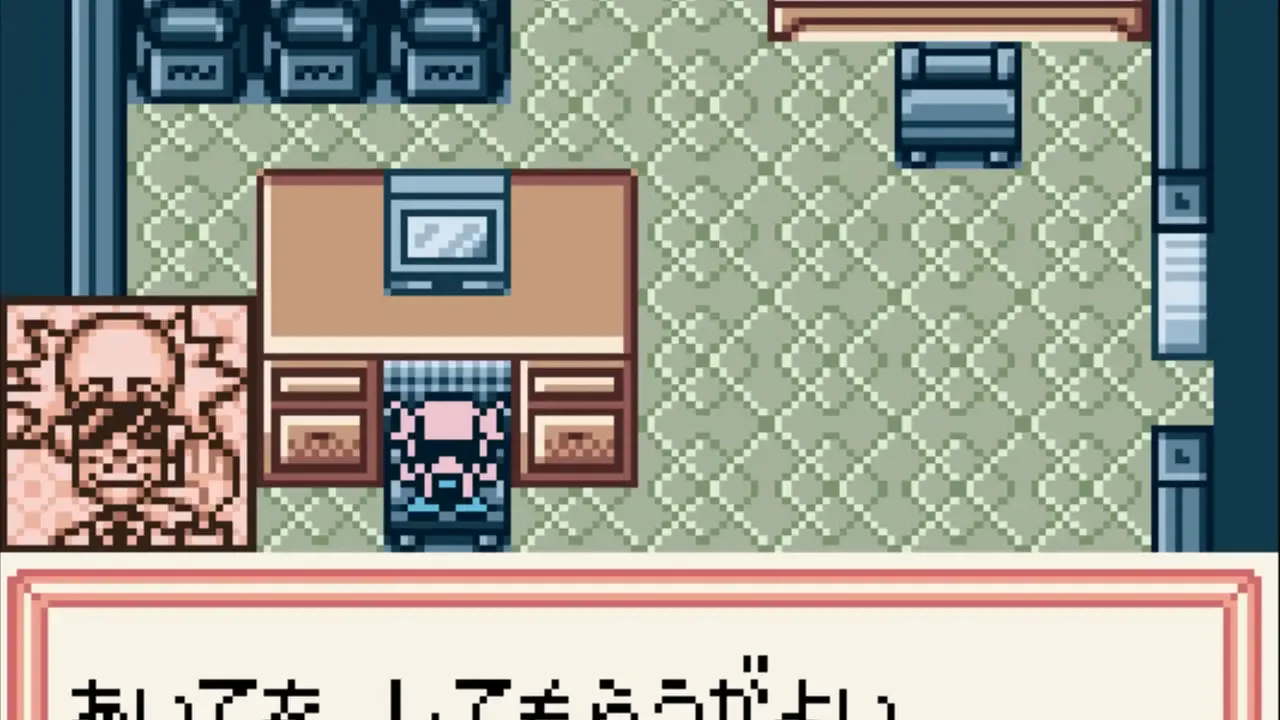
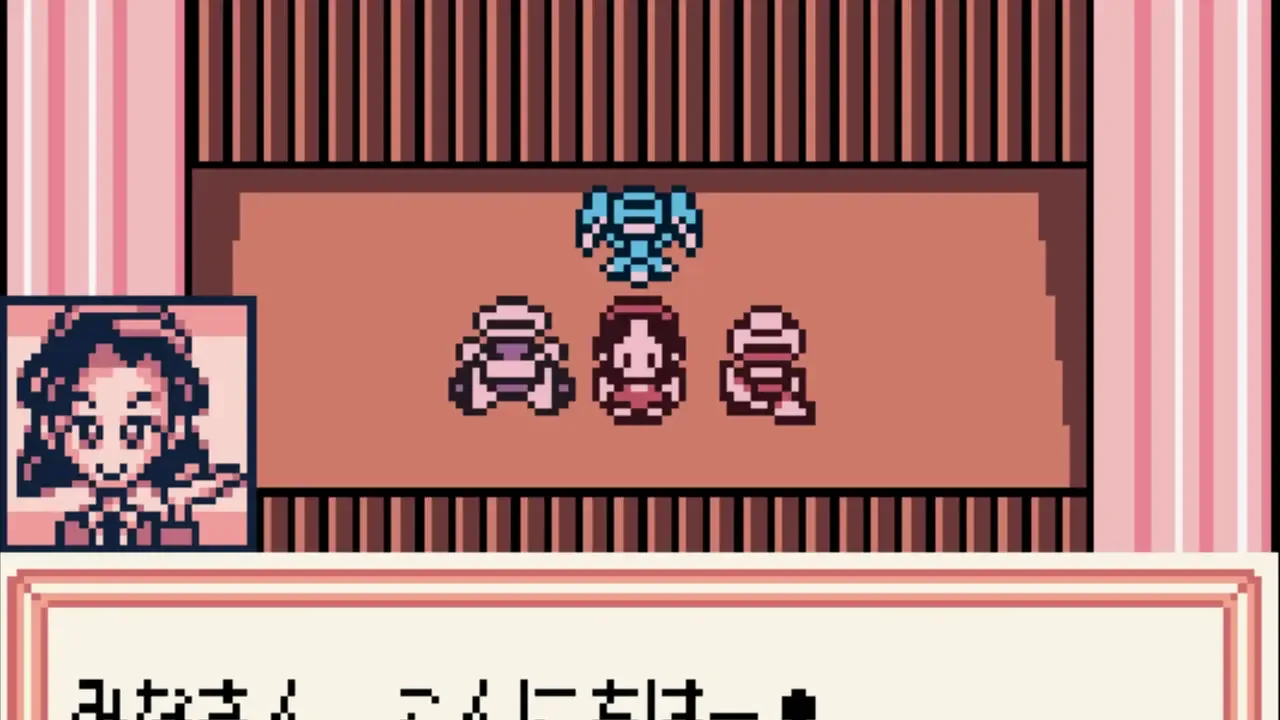
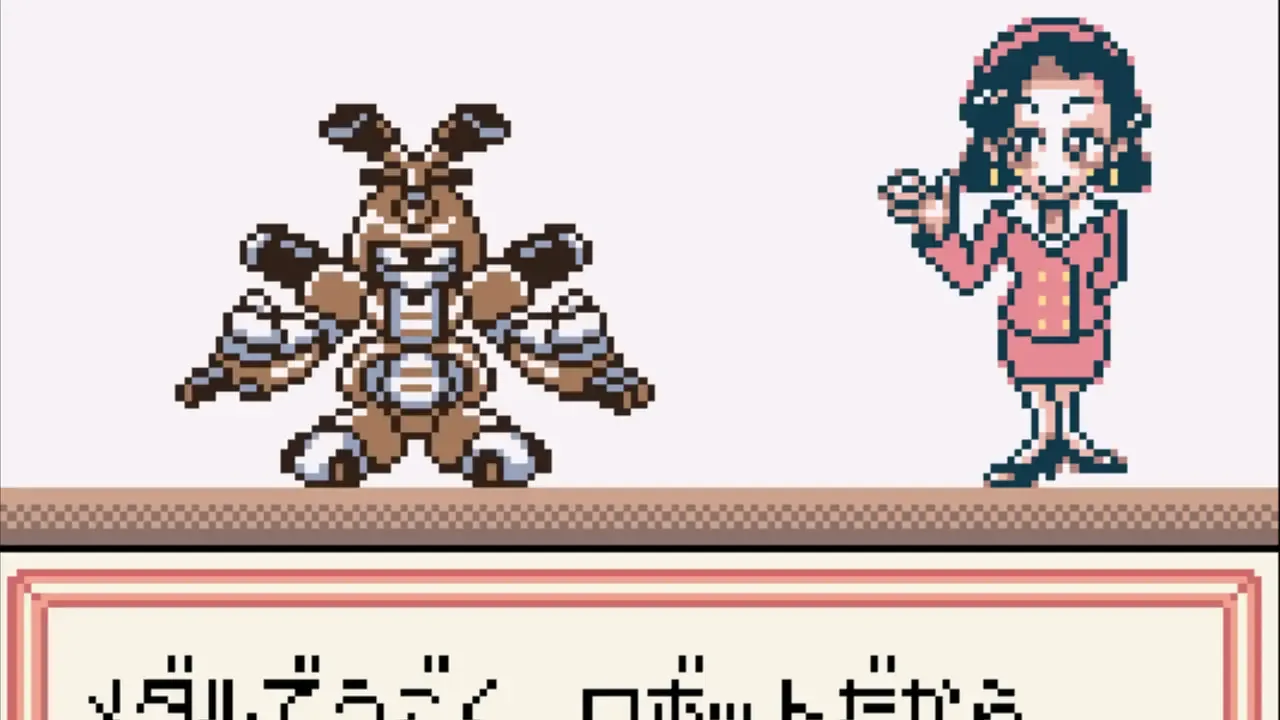
Medarot 2 was released in 1999 for the Nintendo Game Boy. It's a direct sequel to Medarot 1, and follows the first adventures of Ikki Tenryou and his friends in the town of Omikuji. Unlike its predecessor, Medarot 2 can be played in full color on a Game Boy Color. Like the other RPGs, the game was released in two versions where the main difference is the player's starting Medarot: Kabuto (Rhinoceros beetle, Metabee) and Kuwagata (Stag beetle, Rokusho). Along with the starting Medarots, there are some Medarots and Medals that can only be obtained in a specific version. A remake of the game for Game Boy Advance, titled Medarot 2 Core, was released in 2002. While the remake saw releases in North America and Europe, the original Game Boy version of Medarot 2 has never been translated into English.
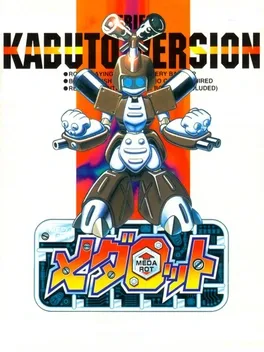
Medarot (also referred to as Medarot 1) is an RPG that was released in 1997 for the Nintendo Game Boy, and the original game that started the Medarot franchise. It follows Hikaru Agata on his quest to compete in Robottle tournaments and defeat the evil Roborobo Gang. Like the other creature-collecting games of the time, Medarot 1 was released in two versions: Kabuto (Rhinoceros beetle), where the player's starting Medarot is Metal Beetle, and Kuwagata (Stag beetle), where the player starts with Head Scissors. Along with the starting Medarots, there are some Medarots and Medals that can only be obtained in a specific version. No English versions of the game were released. Medarot 1 is a monochrome Game Boy game with only basic palette support when played on a Game Boy Color. However, it has a border and more advanced colors when played on a Super Game Boy. A "director's cut" edition of the game titled Medarot Perfect Edition was released for Bandai's Japan-only Wonderswan system in 1999. It had two versions and was also monochrome-only. Later that year, the direct sequel Medarot 2 was released for Game Boy.
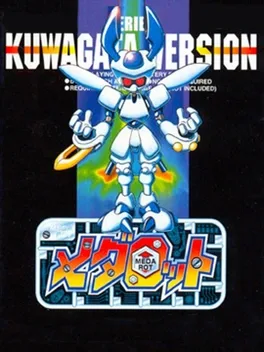
Medarot (also referred to as Medarot 1) is an RPG that was released in 1997 for the Nintendo Game Boy, and the original game that started the Medarot franchise. It follows Hikaru Agata on his quest to compete in Robottle tournaments and defeat the evil Roborobo Gang. Like the other creature-collecting games of the time, Medarot 1 was released in two versions: Kabuto (Rhinoceros beetle), where the player's starting Medarot is Metal Beetle, and Kuwagata (Stag beetle), where the player starts with Head Scissors. Along with the starting Medarots, there are some Medarots and Medals that can only be obtained in a specific version. No English versions of the game were released. Medarot 1 is a monochrome Game Boy game with only basic palette support when played on a Game Boy Color. However, it has a border and more advanced colors when played on a Super Game Boy. A "director's cut" edition of the game titled Medarot Perfect Edition was released for Bandai's Japan-only Wonderswan system in 1999. It had two versions and was also monochrome-only. Later that year, the direct sequel Medarot 2 was released for Game Boy.
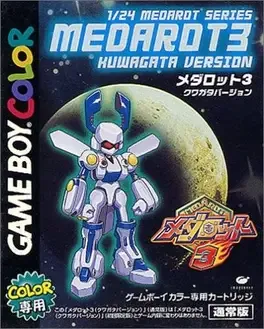
Medalots (parts) and medals that will appear in "2" have been largely renewed, and the previous medalot and its successor medalot were limited to the medalot used by specific characters and the hidden medalot of the previous work. On the other hand, new actions such as first aid and posture destruction were added, and the variation of parts was greatly expanded compared to the previous work. The story is set in an underground city, an undersea city, an aerial city, as well as the universe and the moon, and the story is the core of the series, which delves into the origin of medalot.
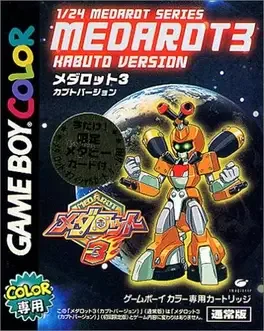
Medarot 3 was released in 2000 for the Game Boy Color. It was released in two versions: Kabuto and Kuwagata. The game follows Ikki Tenryou and his friends in the town of Omikuji. After Ikki robottles with the Screws, everyone's Medarotch data is suddenly deleted by an unknown figure. Medarot 3 introduced various new gameplay aspects, including Medachange and Medalias.
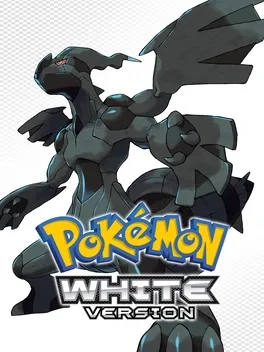
Pokémon White Version and Pokémon Black Version are the primary paired versions of Generation V. Black and White follow the trends set up by previous games in the series. Two player characters (one male and one female) travel a new region, Unova, on their Pokémon journeys. This region is inhabited by various Pokémon, and unlike before, none of those available prior to Generation V can be obtained before completing the main story by defeating Team Plasma. The games' names were revealed on the official Japanese Pokémon website on April 9, 2010, and scans from the subsequent issue of the magazine leaked the following day, April 10. Pokémon Black and White are followed in 2012 by two sequels, Pokémon Black 2 and White 2, which are set two years after the events of Black and White. Black 2 and White 2 are the second and final paired versions of Generation V.
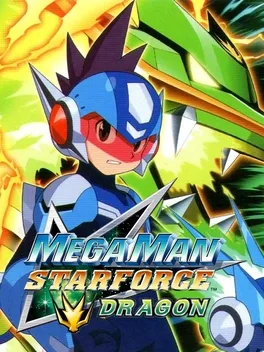
Mega Man Star Force takes place in the fictional year of 220X where two hundred years have passed after the finale of Mega Man Battle Network series, when emphasis on internet technology has lessened, and instead, the world has become networked through use of EM Waves. Though cyber worlds and NetNavis still exist in Star Force, human dependency on them has greatly decreased, and people no longer have Navi companions. instead relying on Transers. Three large satellites orbiting the Earth—Pegasus, Leo, and Dragon—power the EM Wave World that exists around the Earth's atmosphere, keeping the world networked. While the EM Wave World is normally invisible to the human eye, a special piece of eyewear called the Visualizer (possessed by the series's main protagonist) allows a human to see this other world. However, like with the cyber worlds of Battle Network, EM Wave Viruses inhabit the EM Wave World, causing problems in everyday life.
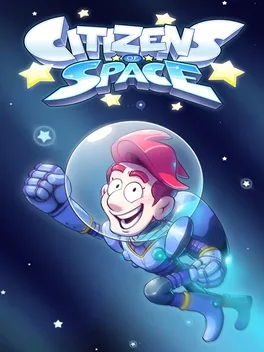
The Earth is missing and it's up to you to find the pieces and solve the mystery behind its disappearance! Recruit citizens, navigate the cosmos, and battle charismatic foes in Citizens of Space!
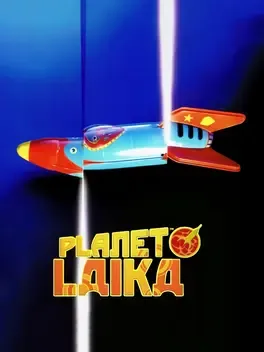
Planet Laika is a Japan-exclusive RPG for the Playstation. It was developed by Quintet, a team responsible for several highly regarded SNES-era RPGs.