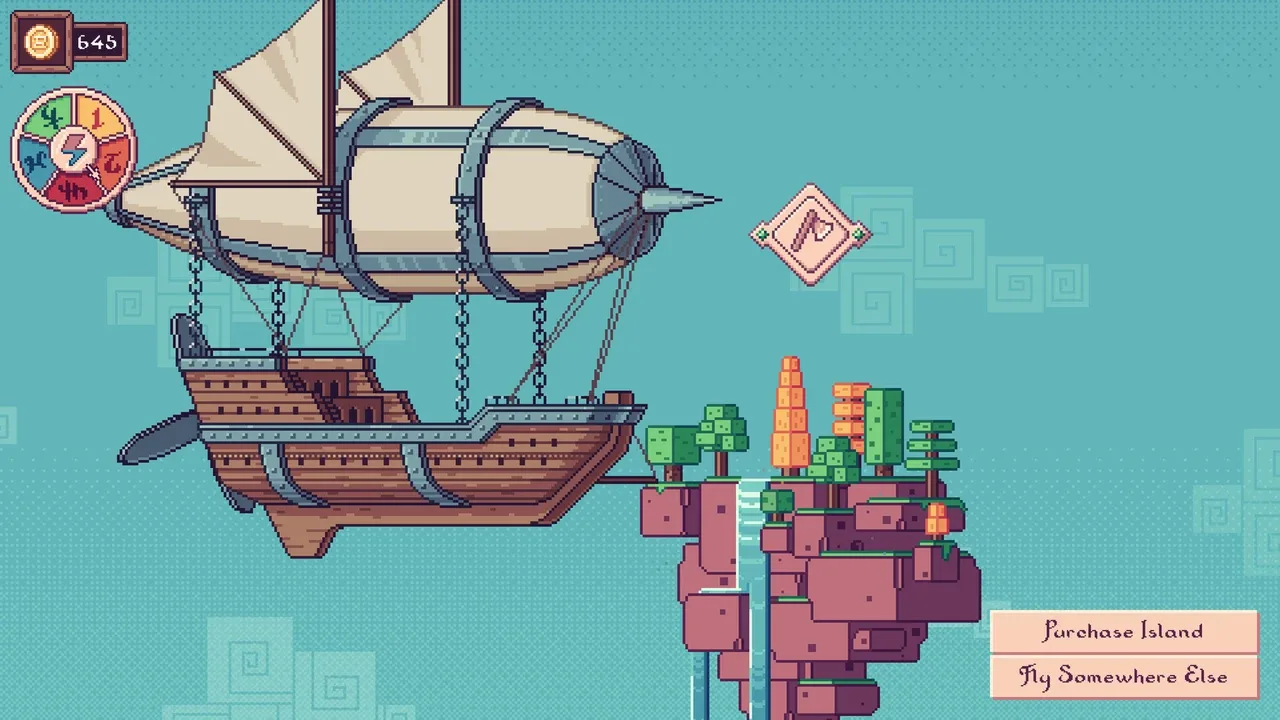
Merchant of the Skies
Could be interesting
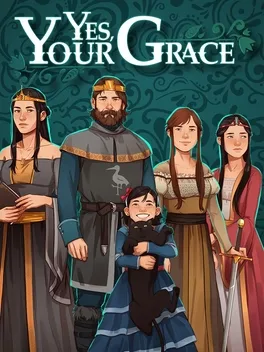
In this kingdom management RPG, petitioners will arrive in the throne room each turn to ask for your advice and assistance. Decide whether to help them with their problems, or to conserve resources for more important matters. Remember: supplies are limited, and not everyone has the kingdom’s best interests at heart...
"May you find your book in this place." Combat between the guests and the librarians breaks out as if it were on a stage. Defeated guests turn into books, and the Library grows onward. And eventually, get your hands on… The one singular, perfect book.
Manage your own discount supermarket! Get caught up in small-town drama, organize and plan your shop's layout, and strike lucrative trade deals as you expand your secretive aunt's business empire. Selling more frozen fries will surely heal this broken community...right?
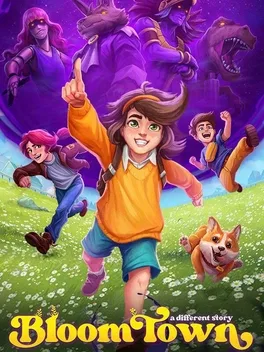
Bloomtown: A Different Story is a narrative JRPG mixing turn-based combat, monster taming and social RPG set in a seemingly pleasant 1960s Americana world. Join Emily and her group of friends to save their cozy town from the demonic creatures that live in the hearts of its residents!
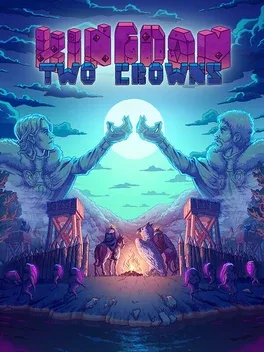
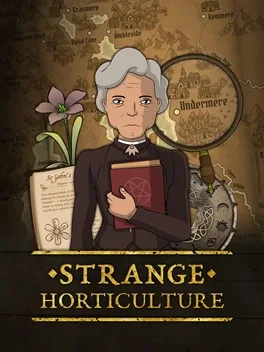
An occult puzzle game in which you play as the proprietor of a local plant store. Find and identify new plants, pet your cat, speak to a coven, or join a cult. Use your collection of powerful plants to influence the story and unravel Undermere’s dark mysteries.
Minami Lane is a small-scale management game where players build and manage a Japanese-inspired street. The game involves placing and customizing buildings, managing shops by adjusting inventory, recipes, and prices, and ensuring the happiness of the villagers. Each level has specific objectives that guide progression, while a sandbox mode allows for freeform play without goals. Additional mechanics include keeping the street clean by picking up trash and interacting with various animal inhabitants, such as tanukis and cats.
Discover a unique combination of branching stories, innovative combat, and classic RPG gameplay in Cris Tales’ exciting and unforgettable exploration of how our actions echo through time. Join the newly awakened Time Mage, Crisbell, and her fantastical companions in a fantasy world facing a grim future. The powerful Time Empress and her forces threaten to bring about a cataclysm tearing apart Crystallis and the other four Kingdoms of the region.
Give free reign to your creativity in this inventive town sim! Unlock new stores and facilities, help your residents find love, or cash in on the stock market! If you founded a new town on an uninhabited island, what would you build there? Restaurants? Convenience Stores? Movie theaters? Make your choices and create a town that everyone will want to move to!
Stay is a nail-biting tale of abduction and isolation, where every single second counts. A pixel-art adventure game with multiple routes and endings, your computer is tethered to a PC inside an abandoned house... where an abducted man finds himself trapped and in desperate need of help.
In Game Dev Story starting from a small office and a few thousand dollars in the wallet, you will need to hire the necessary personnel to develop the first game of the newborn company. This is how the list of candidates runs: there is a good programmer, an artist a bit scarce and a designer not bad; each of them, thanks to their skills, can give a more or less relevant hand in the realization of the project. Once everything is ready you must finally choose the kind and type of game to be realized, keeping in mind that some combinations will get married much better than others. In Game Dev Story player can choose the platform on which to develop the project, and here things start to get very interesting. Game Dev Story in fact traces the last twenty years of the history of the video game industry, reproposing it in the form of an exhilarating parody: we start from the first computers, and then see almost all the major portable and home consoles announced. The names of companies, games and platforms have been revised, but are entirely traceable back to the originals; the Game Boy becomes the Game Kid and Microsoft is now Microx. However, in addition to the order in which the consoles are launched, the developers have chosen to keep even the success they have had at market level, which, on the one hand makes it even more pleasant to relive these twenty years from the inside , on the other hand, the player can easily predict big business and flop: nobody will be so crazy to develop a game for Virtual Boy (pardòn, Virtual Kid), while immediately supporting the fees of PlayStation and PlayStation 2 could lead to big boxing. There are also annual awards, in which a jury rewards the best games of the year in the various categories. In the course of developing a project, however, the player will never remain with his hands: he will have to instruct his employees in order to cultivate their skills, buy the development kits of the various consoles, send announcements and look for new staff. It is essential to keep the interest of the fans high, create hype and see the players line up days before the game, while sales can increase thanks to good reviews in specialized magazines. And yet, making a sequel to a successful game means starting the odds with good odds that the game sells, while the player can decide whether to invest everything in an ambitious project or make small titles in a very short time, until a budget has been reached. high enough to be able to make and place your console on the market.