
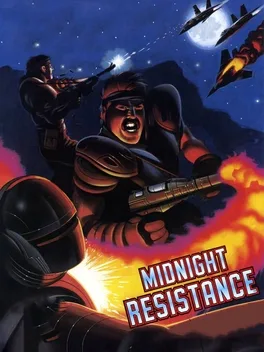
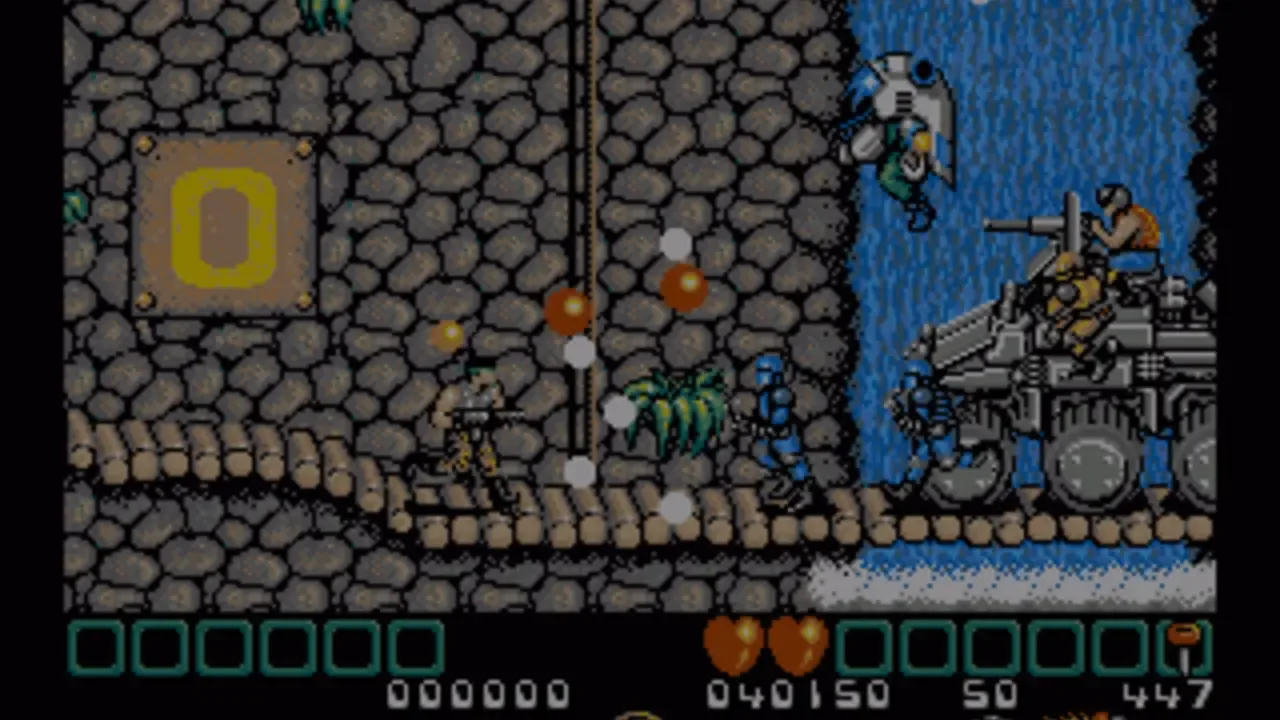
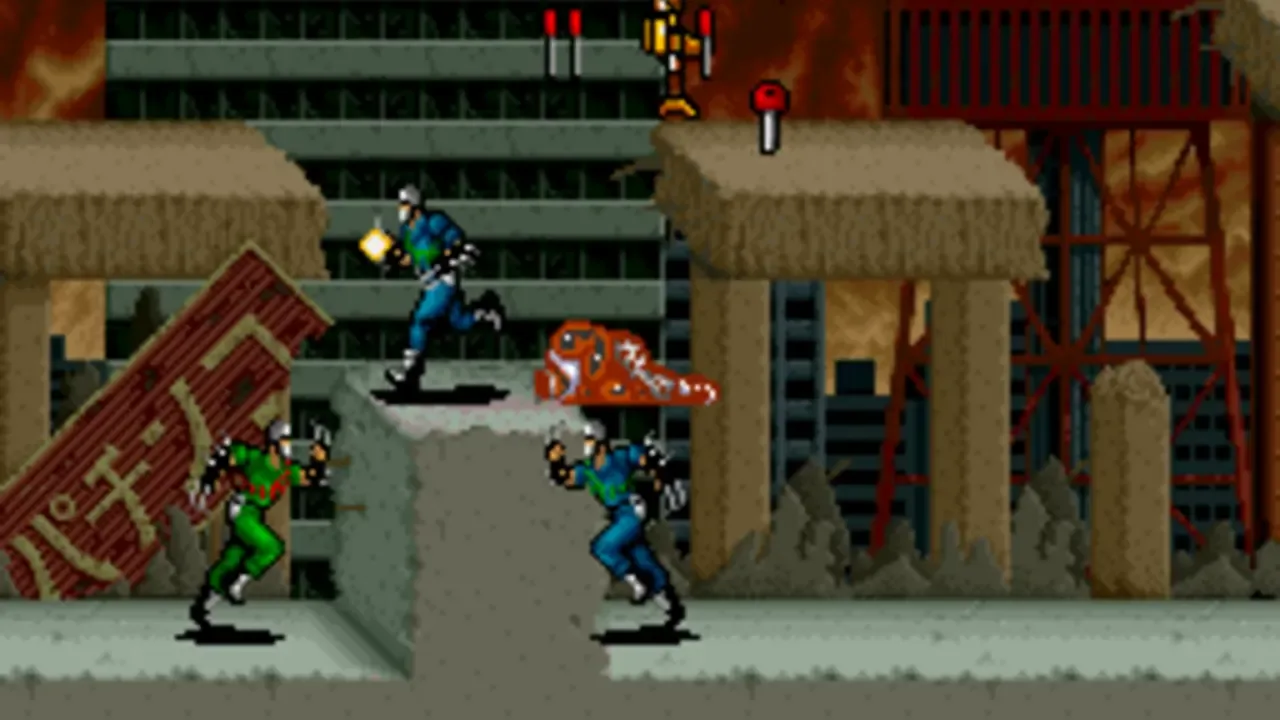
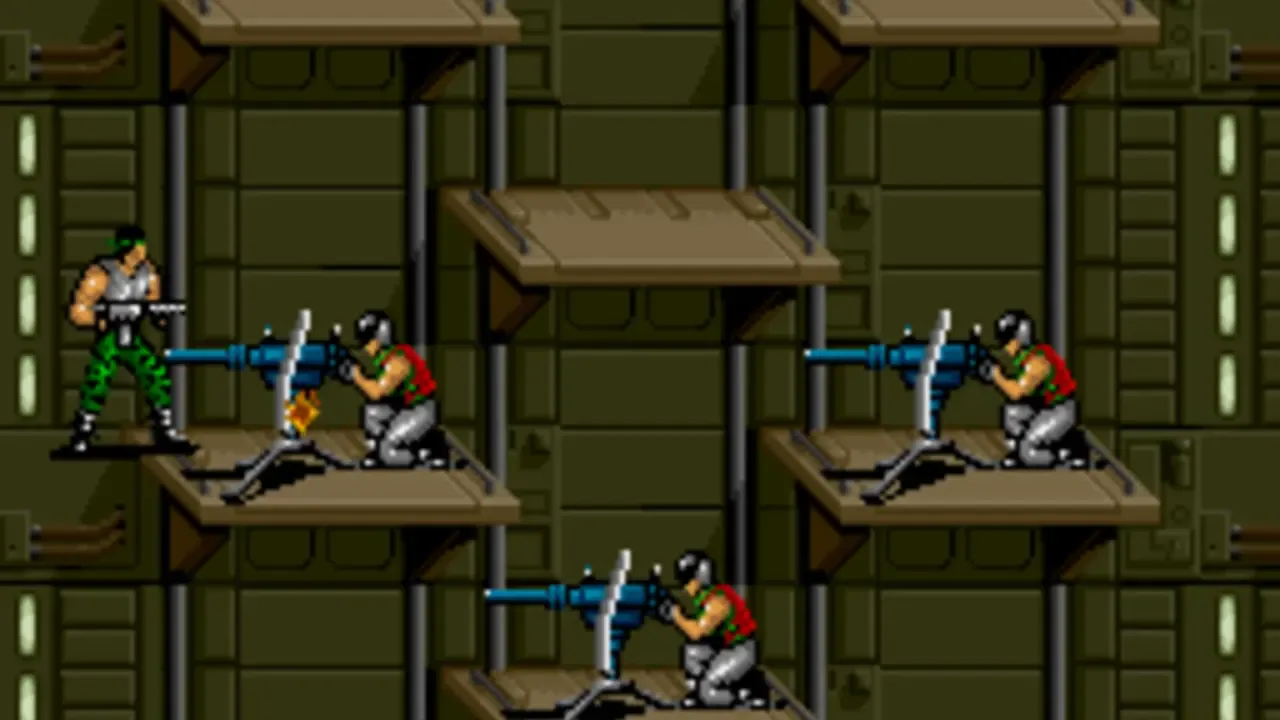
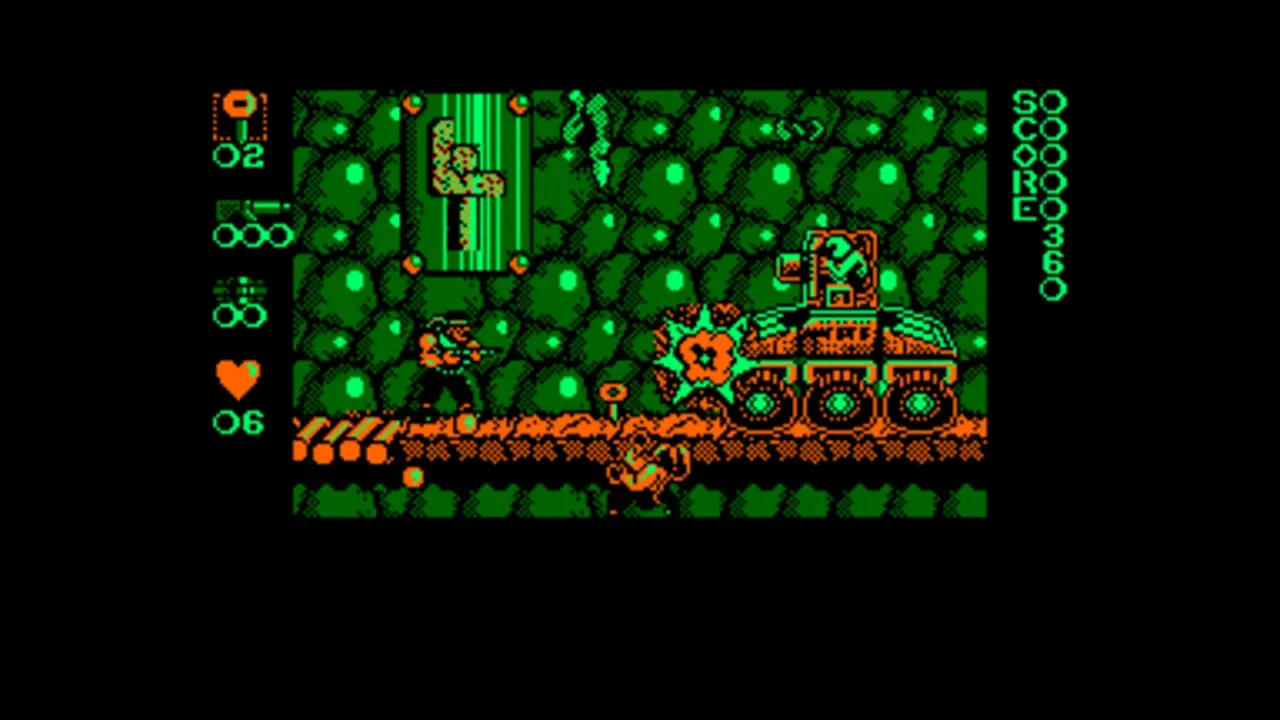
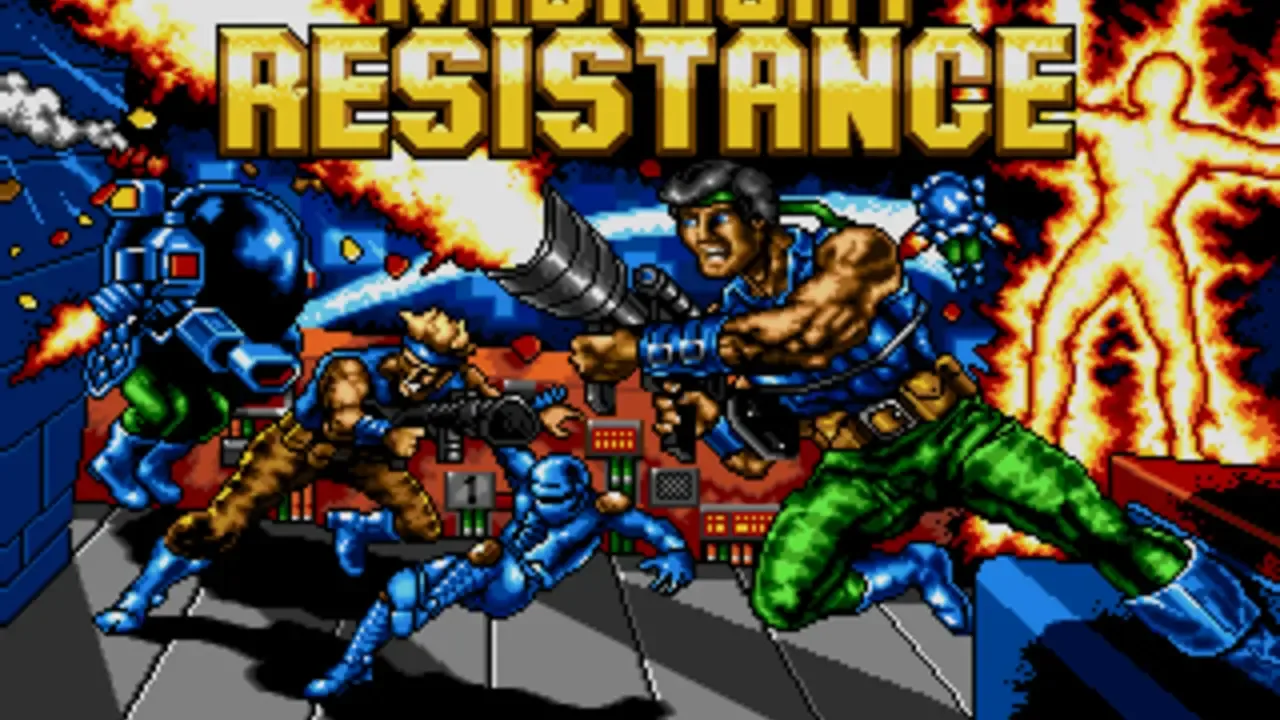
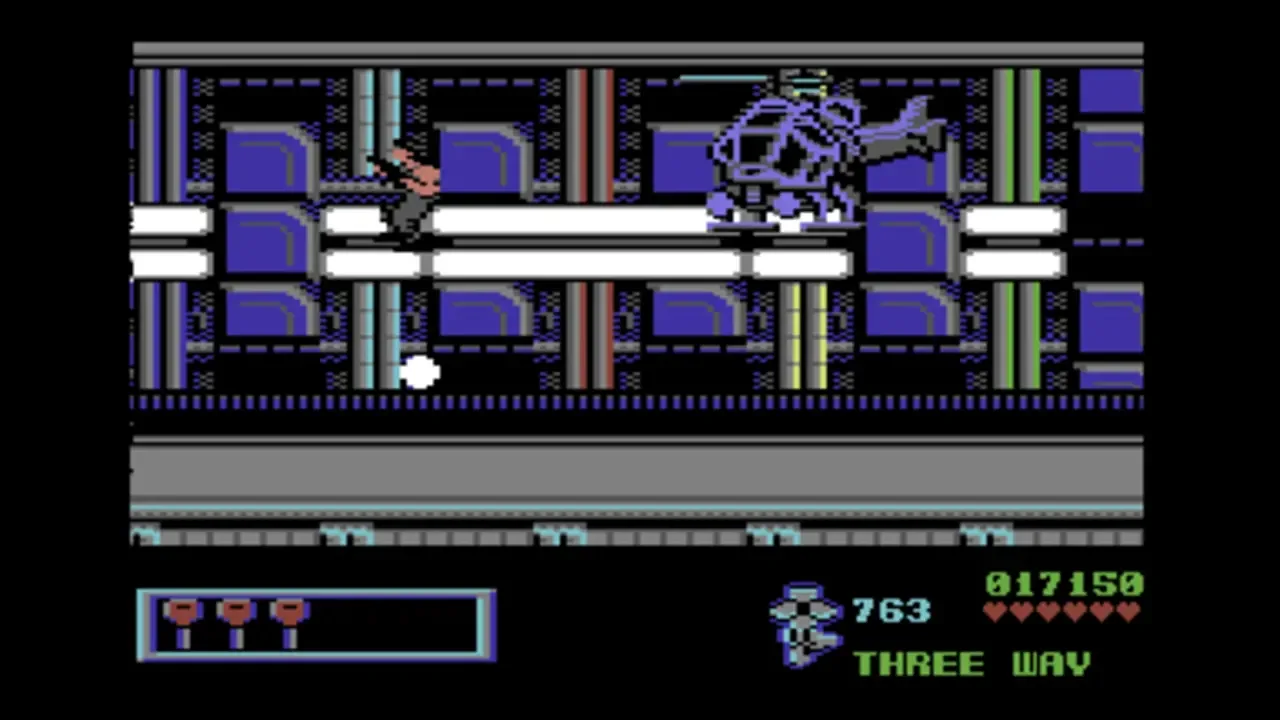
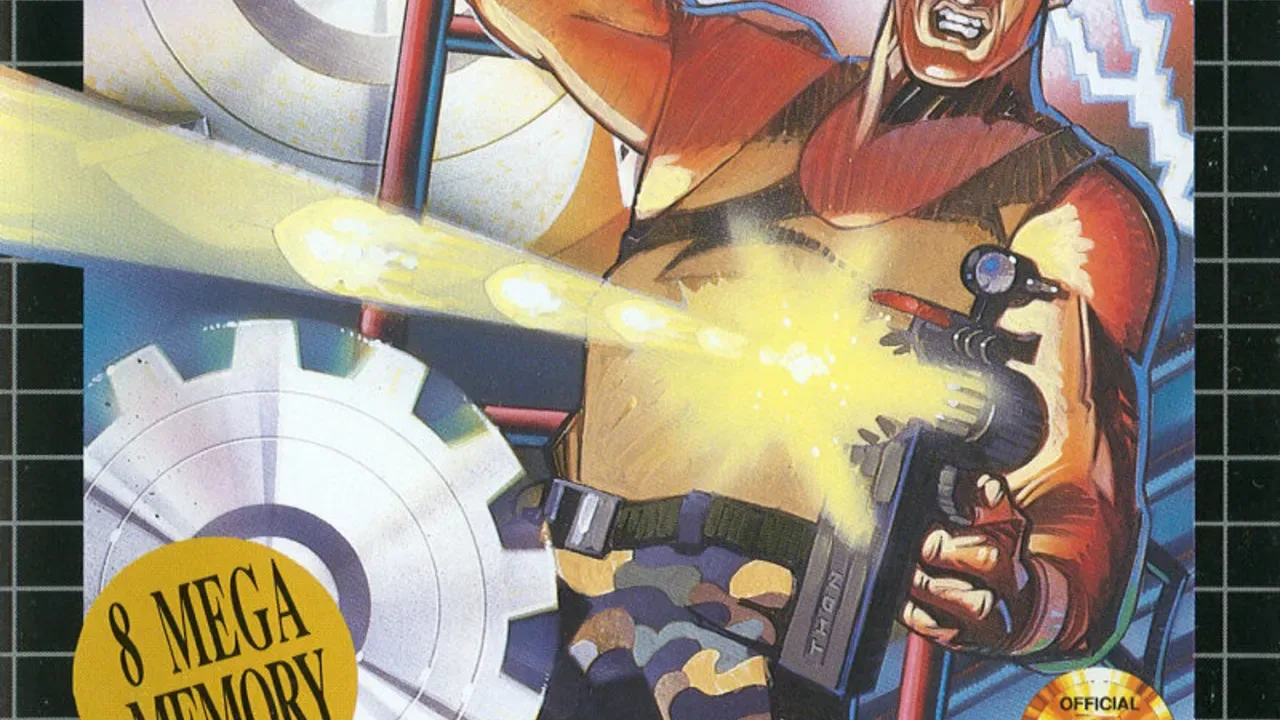
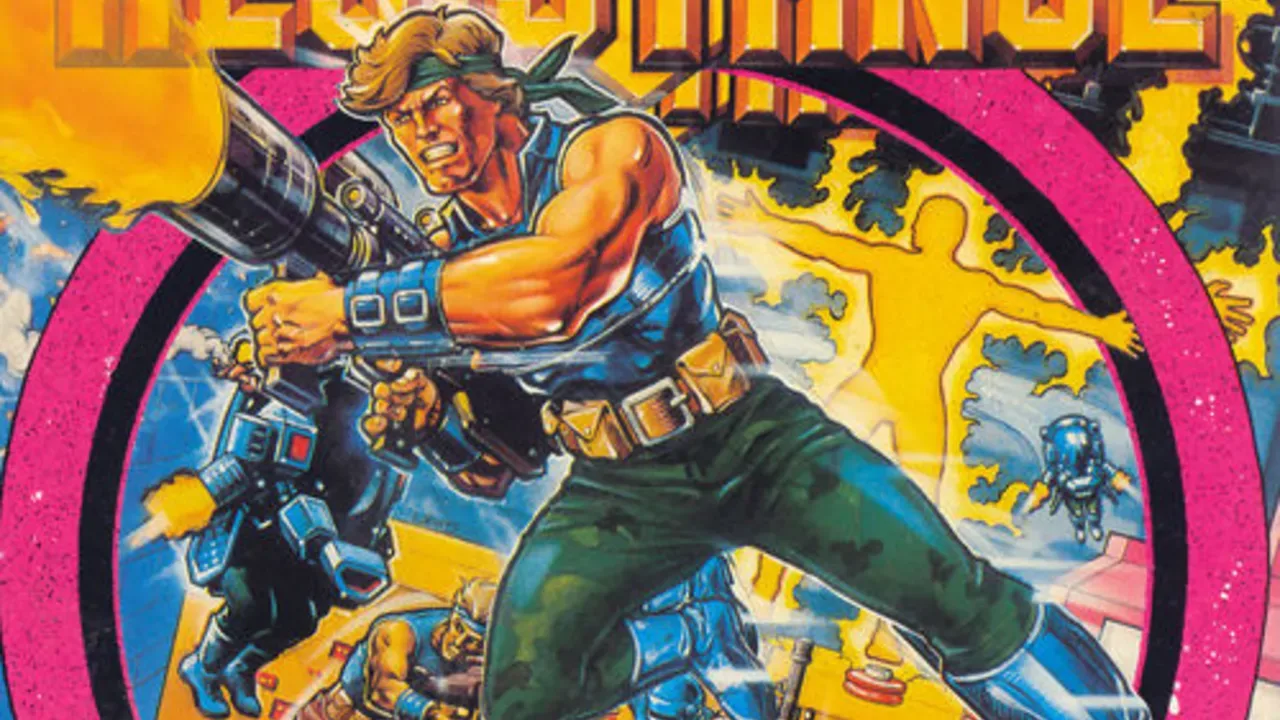
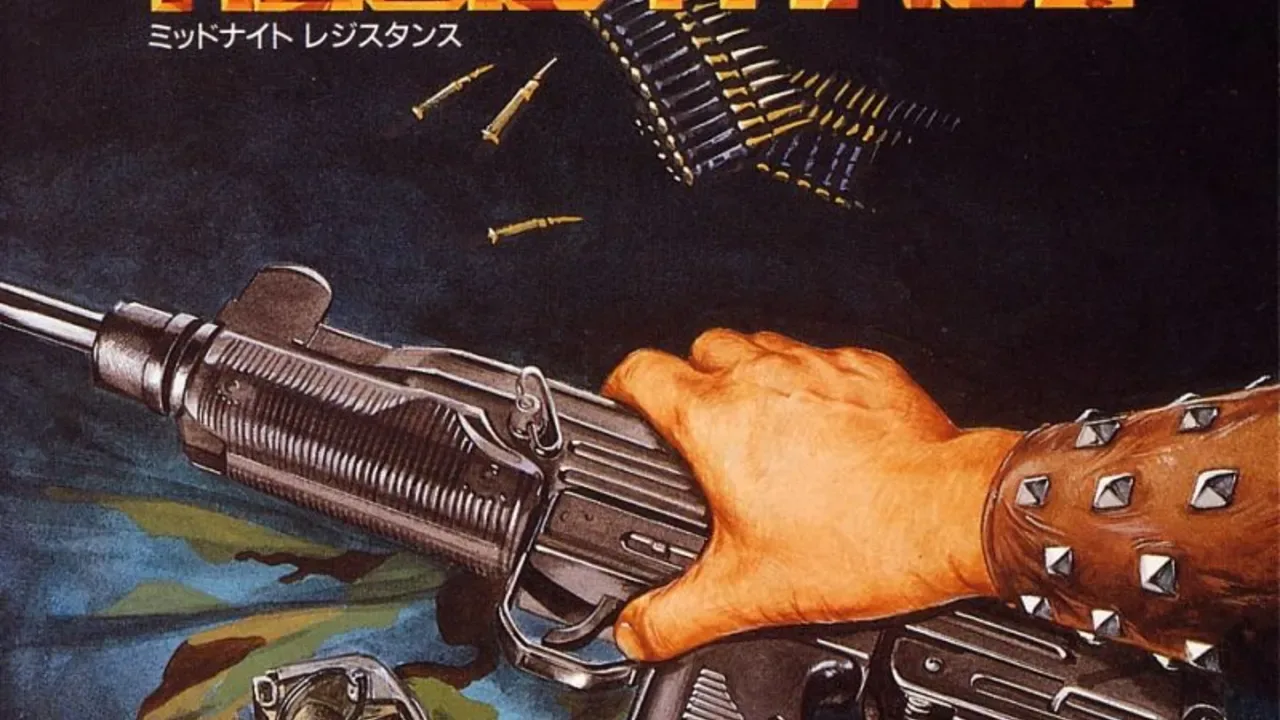
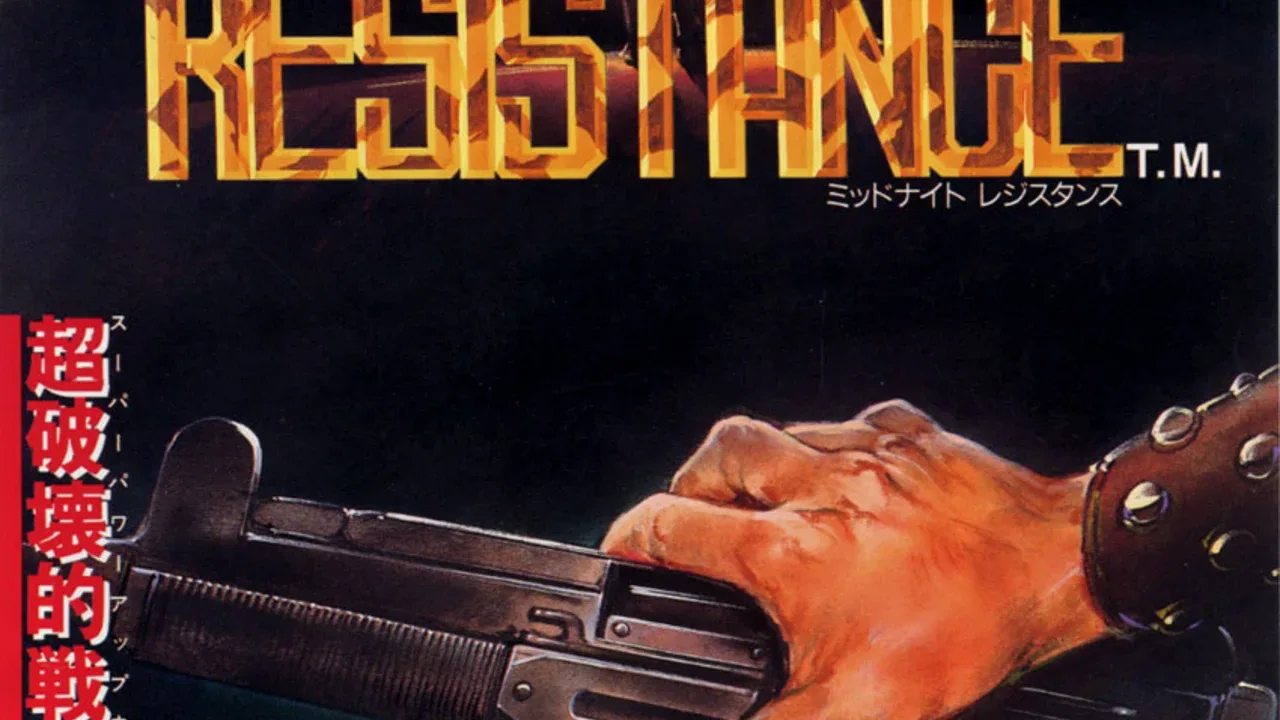
Midnight Resistance


Buy
Could be interesting
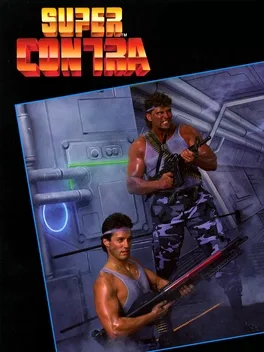
Super Contra is a Run and Gun-style action game produced by Konami, originally released as a coin-operated arcade game in 1988. It is the sequel to the original Contra and the second game in the Contra series released for the arcades. Like in the original game, the game centers on soldiers Bill Rizer and Lance Bean, who are once again assigned to protect the Earth from an army of alien invaders. The game features standard side-scrolling stages, as well as all new overhead stages in lieu of the original game's "3D" stages.
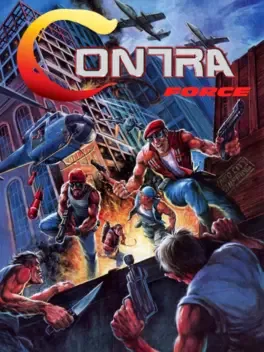
Contra Force is an action shooting game released by Konami for the Nintendo Entertainment System in 1992 in North America. It is a spinoff of the Contra series, being the third game in the series released for the NES following the original Contra and Super Contra, although the game's plot and setting are unrelated to previous entries, as the villains in the game are human terrorists instead of an alien menace
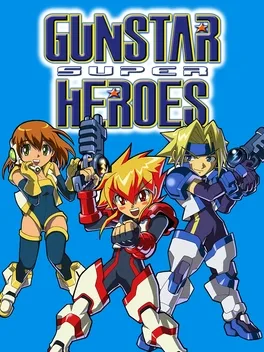
Blue and Red, the lead characters in Gunstar Super Heroes, must once again keep a stone of great power from falling into the hands of an evil empire intent on resurrecting the God of Ruin. Blue and Red take on the same adventure using different paths, effectively making for two unique play-through experiences. Players will tackle six wildly inventive levels and take on gigantic bosses that fill the entire Game Boy Advance screen.
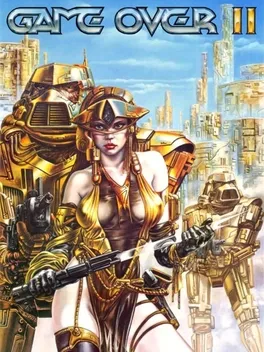
Also known as Phantis in parts of Europe and on certain platforms.
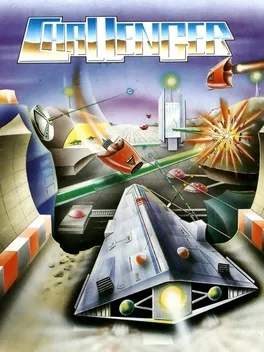
Challenger is a frantic single-screen shoot 'em up. The player is in their craft at the bottom of the screen, shooting bursts of three shots at 45 degree angles at flashing polygons. When hit, the polygons split into smaller ones. Your task is interrupted by incoming squiggly lines which will destroy your ship unless you hit it before it reaches the floor. Furthermore, a walking car or robot creature sometimes enter the screen, giving you bonus points if you locate your ship below it. As a safety measure, you have a smart bomb that damages everything onscreen, as well as the ability to change sides to the top of the screen if it gets too crowded at the bottom.
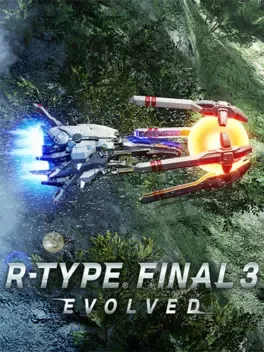
R-Type Final 3 Evolved serves simultaneously as a sequel to R-Type Final 2, offering a whole new 7-stage campaign made in the engine of Final 2, whilst also serving as a compilation of most of content released for R-Type Final 2. Additional features such as R-Park, an online area where one can interact with other players.
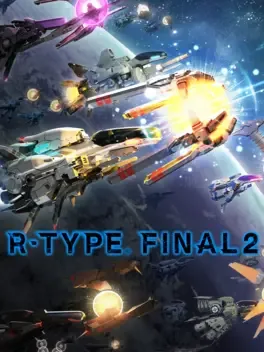
R-Type has returned! The legendary side-scroller is back and better than ever with beautifully rendered 3D graphics, exhilarating shoot-'em-up gameplay, and a multitude of stages, ships, and weapons that will allow you to conduct a symphony of destruction upon your foes.
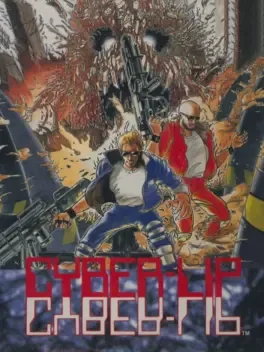
Inspired by the Contra series, Cyber-Lip is an early side-scrolling shooter by SNK for the Neo Geo. It's considered one of the predecessors to popular Metal Slug franchise.
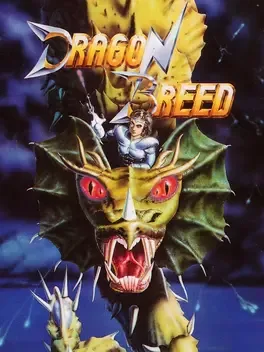
The player's character is a human who rides a large, green, flying Chinese-style dragon. The dragon is invincible, capable of blocking most enemy projectiles and damaging enemies on contact; the human, however, is not, but is armed with a forward-firing crossbow. The dragon's body is flexible and responds to the player's movement, enabling the player to use the dragon as a mobile shield or as a whip-like weapon. You can also circle the tail around a group of enemies to kill them. The tail of the yellow or blue dragon can be coiled around the player to offer almost complete invulnerability for a limited time. The dragon can also spit fireballs. By holding the fire button down, the dragon will build up fire in its mouth; the longer the button is held down, the more powerful the fireball will be. There are four levels of fireball power; at its strongest, the fireball resembles a dragon's head. The game also contains some platforming elements - the human is able to dismount on horizontal platforms. Power-ups can be acquired by shooting small green dragons that appear intermittently throughout the levels, or they can be collected from the ground on foot. There are four different power-ups, each of which provides a different weapon to the dragon. Collecting multiple power-ups of the same colour makes that weapon more powerful. The dragon changes colour depending upon which power-up has been collected. Red enables the dragon to breathe a flame. The flame gets longer if more power-ups are collected. Yellow enables the dragon's body to fire crescents in all directions. White enables the dragon to produce up to four miniature dragons, which home in on enemies. Blue enables the dragon to fire downward bolts of electricity from its underside.
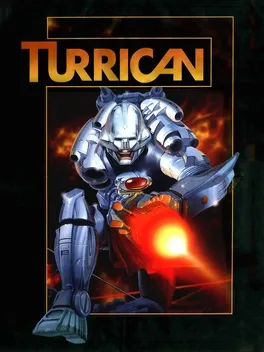
Turrican is a 1990 video game programmed and designed by Manfred Trenz. It was first developed for the Commodore 64 by Rainbow Arts, but was ported to other systems later. In addition to concept design and character creation, Trenz personally programmed Turrican on the Commodore 64. A sequel, Turrican II, followed 1991 for the Commodore 64 and other platforms.