
Rollcage Stage II


Buy
Part of collection:
Rollcage
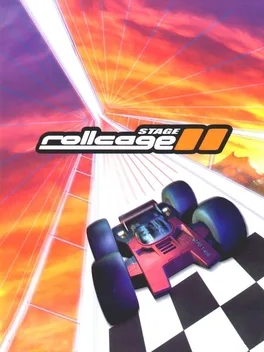
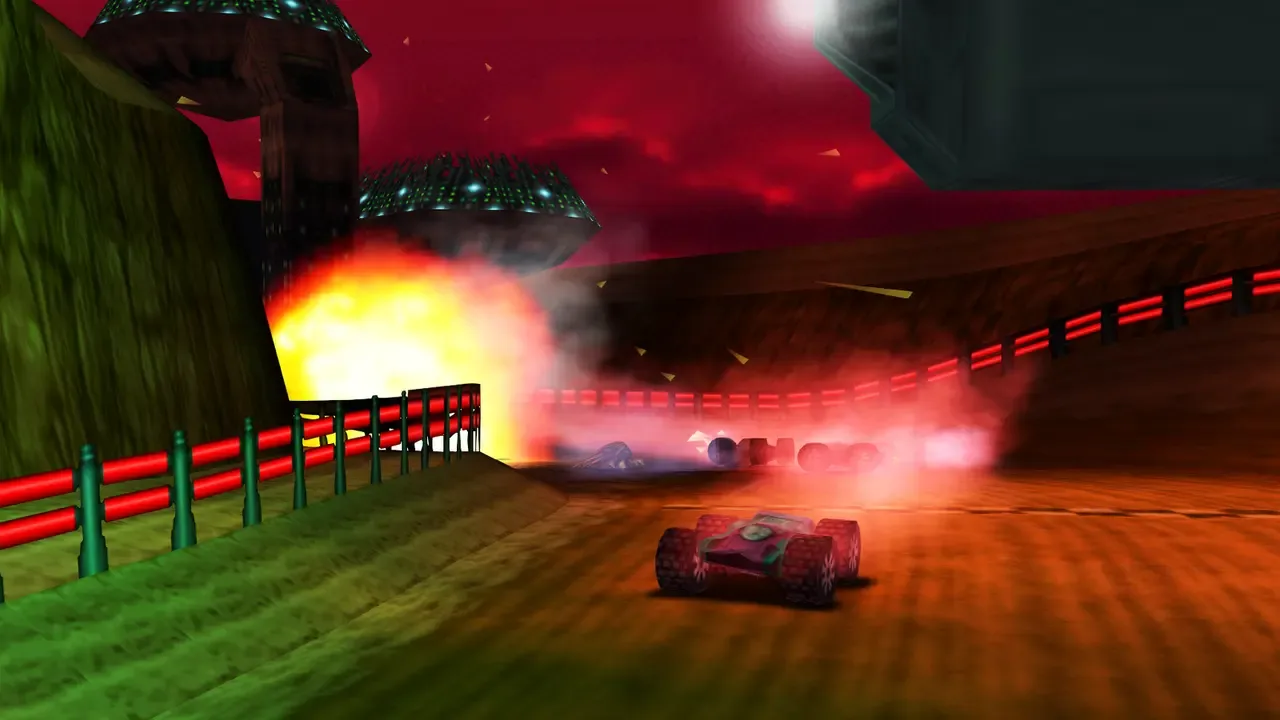
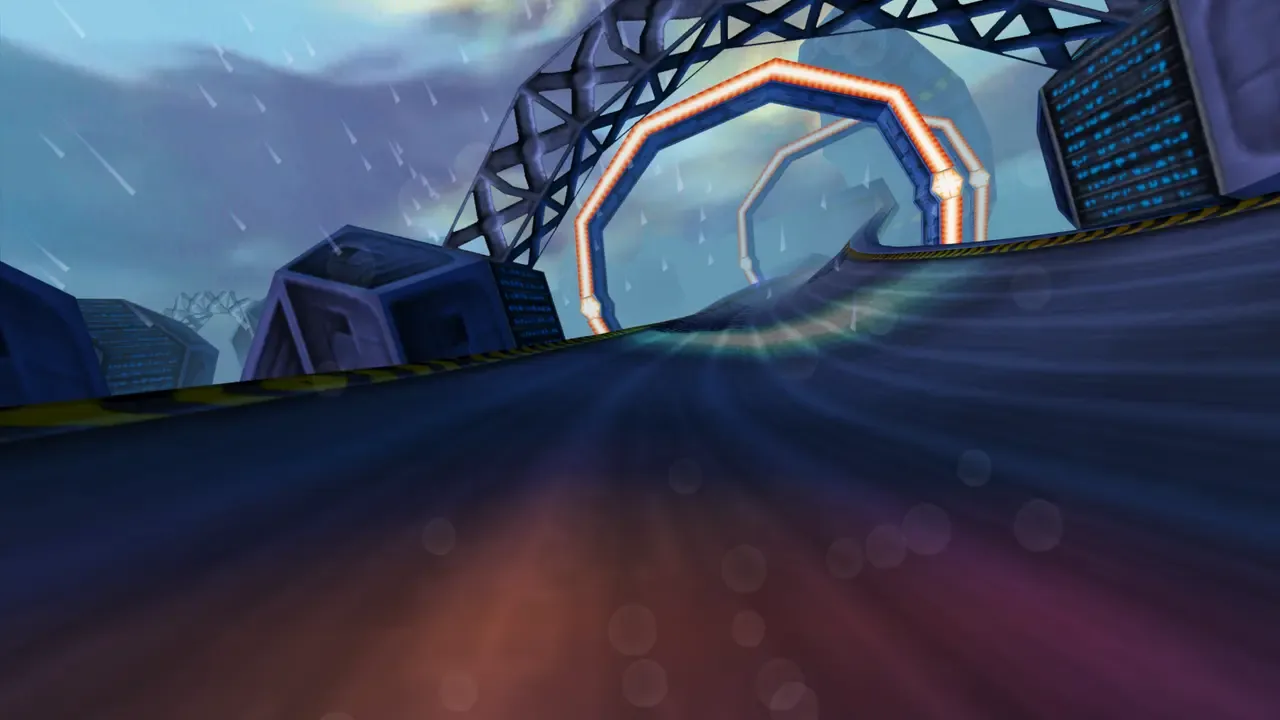
Rollcage Stage II is an arcade-style racing game for PlayStation and PC, developed by Attention To Detail, and published by Psygnosis. It is the sequel to Rollcage and was released in 2000. On top of the basic racing concept, the cars can be equipped with weapons, that are picked up on the track as bonuses, which can be used against competing cars. The automobiles themselves, once again, have wheels that are larger than the body of the car thus creating a car that has no 'right way up' and can be flipped and continue to drive.
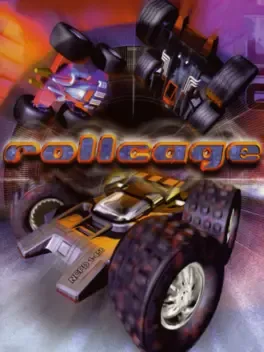
Rollcage is an arcade-style racing game for Windows and PlayStation, developed by Attention to Detail, and published by Psygnosis. The Windows version was released in the UK on March 24, 1999. The game's selling point was its unique physics engine, in which cars could drive on walls or ceilings because of the airflow passing over them at extreme speeds. The game also featured an original soundtrack by Fatboy Slim. The game received very positive reviews and ratings.
Could be interesting
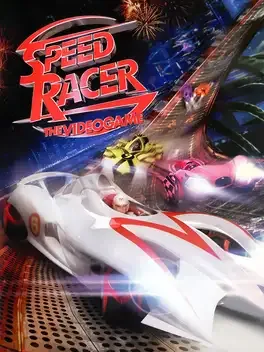
In Speed Racer, players take on the role of the characters from the film, getting behind the wheels of each character's signature vehicles to experience firsthand the film's high adrenaline, combative racing style. Perform tricks and pull off insane stunts through incredible, twisting stadium tracks, all while fighting against rival racers with incredible Car-Fu action.

Speed Racer is an arcade type game that resembles the Sega Saturn's Daytona USA. The first track is identical, except for the lack of a pit lane, the Sonic sculpture in a wall and the different sponsor banners. The major difference between the two games is the performance of the car and the fact that the player can use all the gadgets of the anime Mach 5. The gadgets can be used to "shunt" other cars (even with the Cutter, the cars only bounce and there is no damage in the game), take shortcuts (by cutting trees and passing under lakes), etc. The controls are simple and the player switches over the gadgets and the camera views. The player can choose the length of the race in the menu, along basic sound options.
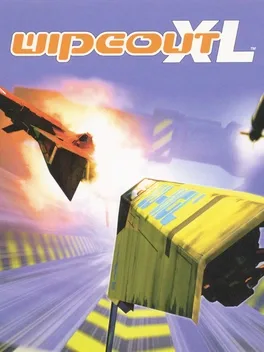
WipEout XL is set in the year 2097, around four decades after its predecessor. Instead of the F3600 anti-gravity racing competition, the game features an even faster and more dangerous tournament: the F5000 AG league. The gameplay system is similar to that of the previous game: players race against each other or computer in high-speed futuristic environments, liberally picking up weapons scattered around the stages and using them against the opponents to finish the race in the highest position.

Test Drive is a racing game developed by Pitbull Syndicate. In Test Drive, you play as Dennis Black, a street racer who is contacted by a wheelchair-bound man and hired to race in his place in a series of underground street races known as "test drives". This edition of Test Drive has some improvements over it's predecessor, Test Drive 6. This time around there is a story driven mode, called "The Underground." You take the role of Dennis Black, an independent street racer who improves his standing in the underground street racing world with the help of a mysterious benefactor.
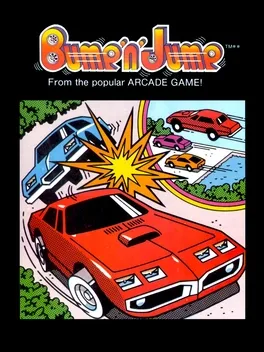
Bump 'n' Jump is an overhead-view vehicular combat game developed by Data East and originally released in Japan as "Burnin' Rubber". The arcade version was available as both a dedicated board and as part of Data East's DECO Cassette System. It was distributed in North America by Bally Midway. The goal is to drive to the end of a level while bumping enemy vehicles into the sides of the track and jumping over large obstacles such as bodies of water. The arcade game was a commercial success in Japan and North America. The game was ported to the Atari 2600, Intellivision, ColecoVision, Nintendo Entertainment System, and Sharp X1. The Famicom version of Burnin' Rubber was published as "Buggy Popper" in Japan in 1986.
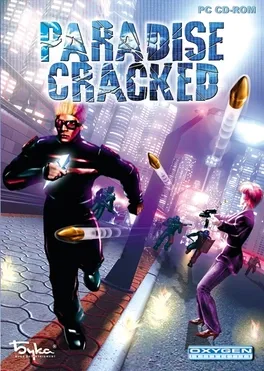
For many years the world had suffered from overpopulation and ecological destruction, until the leading scientists created CyberBrain - a supercomputer that solved all the global problems and turned the overpopulated and polluted Earth into Paradise. You are a young hacker. Once, while in cyberspace you managed to break into a secured area and came across a series of strange data packets. You hurriedly copied these to disk, not even having the time to read their contents. Only a few minutes later you hear a police siren, followed by banging on the door and demands to open up...
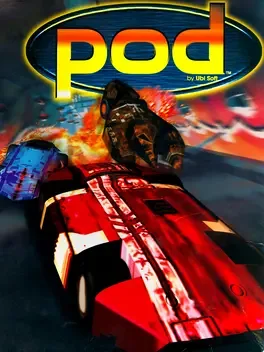
POD is a Futuristic Racing by Ubisoft in 1997. It was designed with the Intel MMX processors in mind and was included as a box set on many computers. A retail version called pod 2.0 was also released with support for 3Dfx voodoo, S3 virge and ATI
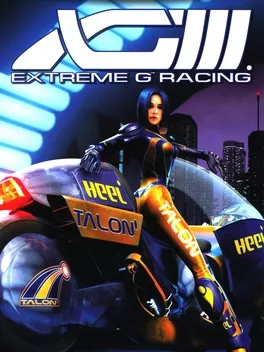
Futuristic, sci-fi themed racing game featuring ridiculously fast motorcycles (of sorts) that can travel in excess of 1000 mph. They can also be outfitted with weapons, making each race fast and nerve-wracking.
The third release of Psygnosis's seminal anti-grav racing series, and also the first game from the series to remain exclusive to the PlayStation. Set in the "F7200 Anti-Gravity Racing League", players control anti-gravity racing craft to eliminate competitors and complete events across a futuristic urban metropolis.

The game pits four racers against each other, with up to two of them being player-controlled and the rest being AI opponents. Each race consists of four laps around tracks viewed from an isometric perspective, which enables players to discern the presence of frequent sloping sections spread throughout the game's various tracks. In addition to navigating the turns, racers must also maneuver hills and dips without falling or jumping over the guard rail at the track's edge.