
Shinseiki GPX Cyber Formula

Buy
Part of franchise:
Future GPX Cyber Formula
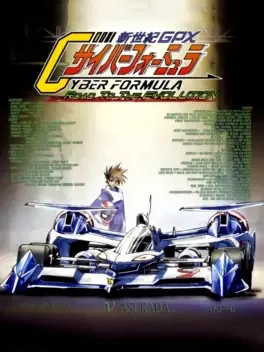
Future GPX Cyber Formula: Road to the Evolution is a futuristic racing game based on the Shinseiki GPX anime series, featuring a higher speed version of Formula One racing.
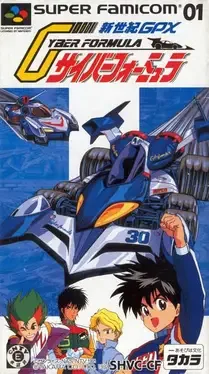
Racing game based on the Shinseiki GPX Cyber Formula animated series.
Could be interesting
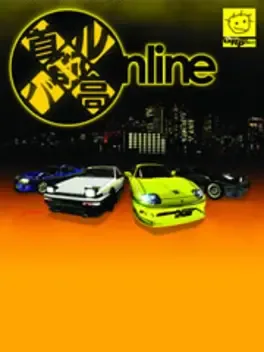
Shutokou Battle Online was a MMO take on the infamous Shutokou Battle (aka, Tokyo Xtreme Racer) formula. Released on PC only in Japan, this game had a short life from 2003 to 2005.
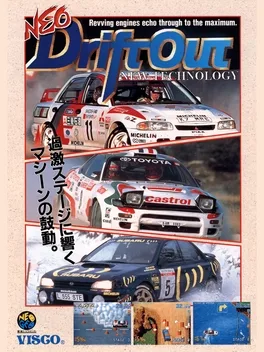
This is an arcade-style rallying game with a particular isometric view. To start, players chooses between three big Japanese rally-spec vehicles—the Mitsubishi Lancer, the Subaru Impreza, and the Toyota Celica—which vary in their Speed, Control, and Body stats. In each racing stage, the player needs to get to the finish line in the shortest time possible. If the clock hits zero, the player loses and the game is over unless they can continue. While driving, the time is hindered by barrels, puddles, slippery ice, cones and other obstacles in the player's path. Even other cars driving can be an obstacle. Also the player has to keep straight when driving up slopes, or the car will swerve and crash. The player can gain more time if they make it through checkpoints in between the starting and finishing points. The player can also take shortcuts. Before making a turn, the player will always get an immediate warning on the screen with a voice saying which direction the player ought to turn and certain warnings. Aside from the starting Practice stage, there are six other stages to be conquered: European, African, Snow Land, Southern Hemisphere, Scandinavian, and Great Britain.
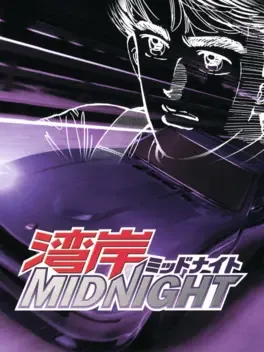
Wangan Midnight is the first video game adaptation based on the Wangan Midnight manga. The cabinet consists of two racing units with a chair and steering wheel. Similar to the concept of the Tokyo Xtreme Racer \ Shutokō Battle series, players roam the Metropolitan Expressway in Tokyo that has been divided into eight tracks. The Story mode adapts parts of the manga as the player's character seeks out and defeats increasingly challenging opponents. The player can freely roam the expressway with a traffic density that shifts according to the time of day. When an opponent is encountered the game enters a battle mode and the cars start to race each other. Each car has a life gauge, shown as an SP meter, that is drained for the trailing car. The race is over when time runs out or when one of the cars loses all SP. The other game modes are the Time Attack mode and a Versus mode played against another player locally. The available cars are licensed from manufacturers such as Mitsubishi, Nissan and Subaru.
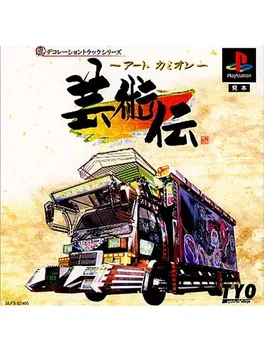
A spin-off game in the Bakusou Dekotora Densetsu series. Art Camion Geijutsuden let the player to doll his truck up with pretty paints, colors and designs and motor off into big-rig races against other decorated behemoths. The game features different game modes, the most important one is the story mode in which the player plays a truck driver and defeating different drives provide him with money that he can use to tune the truck, the game features day and night races. The game also features a 2 players Vs vertical screen mode.

A simple racing game for the Satellaview, developed by students from the HAL University.
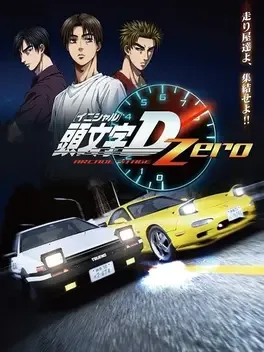
Initial D Arcade Stage Zero is the ninth and final instalment in the Initial D Arcade Stage series. It is the first Initial D game to introduce the H style gear stick and 270 degree wheel.
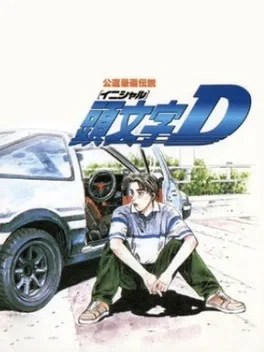
The first racing game based on anime series Initial D to be released on a home console.

A kart racing game for the Game Boy Advance involving characters from the Keroro Gunsou anime/manga franchise.
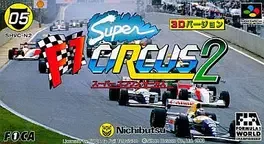
Super F1 Circus 2 is a Formula One racing game that allows the player to join any team in the 1993 Formula One season and take part on sixteen different circuits all over the world. They can also configure the load-out for the F1 vehicle. It is the second official F1 Circus game for the system, though technically the third due to 1992's Super F1 Circus Limited. Overall it is the eighth F1 Circus game.
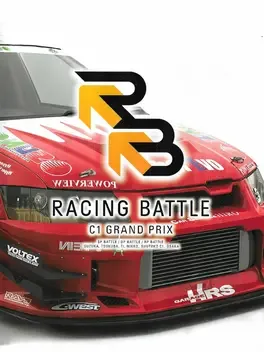
Genki's racing games have typically fallen into the Shutokou Battle series, a collection of late-night racing games that put you on the highways surrounding Tokyo. The company's latest PS2 racer, Racing Battle: C1 Grand Prix, maintains many of the same gameplay mechanics that Genki's other games contain, but this time it takes the cars off of the streets and drops them onto proper racetracks. Racing Battle will contain licensed cars. The version on display only has a handful, including an RX-7, a Supra, an Integra, an Impreza, and an S2000. The car models in the game look decent. They're nice and smooth, but they don't seem to be quite as detailed as the car models in some other comparable racing games. Like most other racing games, Racing Battle has multiple camera angles. But the first-person angle is pretty interesting. From this view, you get indicators that show how hard you're steering, accelerating, or braking. You also get a second, TV-style camera angle in a small window at the top of the screen. This is cool because it gives you a good idea of what's going on near your car. It's easy to see cars coming up behind you with this view and more effective than a standard rearview mirror. The gameplay in Racing Battle is roughly the same as what Genki has done with Shutokou and Kaido Battle series. Each car is associated with a fighting gamelike life meter, and the car in second place constantly loses pieces of its life meter. When one car runs out of "health," the race ends and a winner is declared.