
Splatterhouse


Buy
Part of collection:
Splatterhouse
(last 3 games)
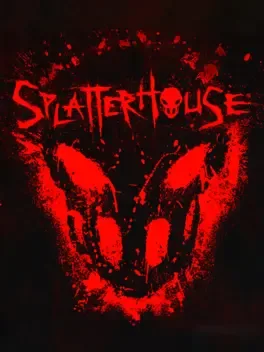
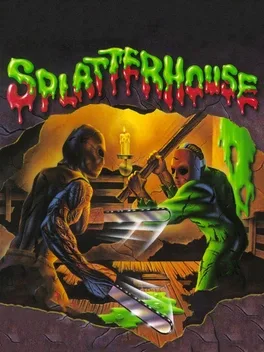
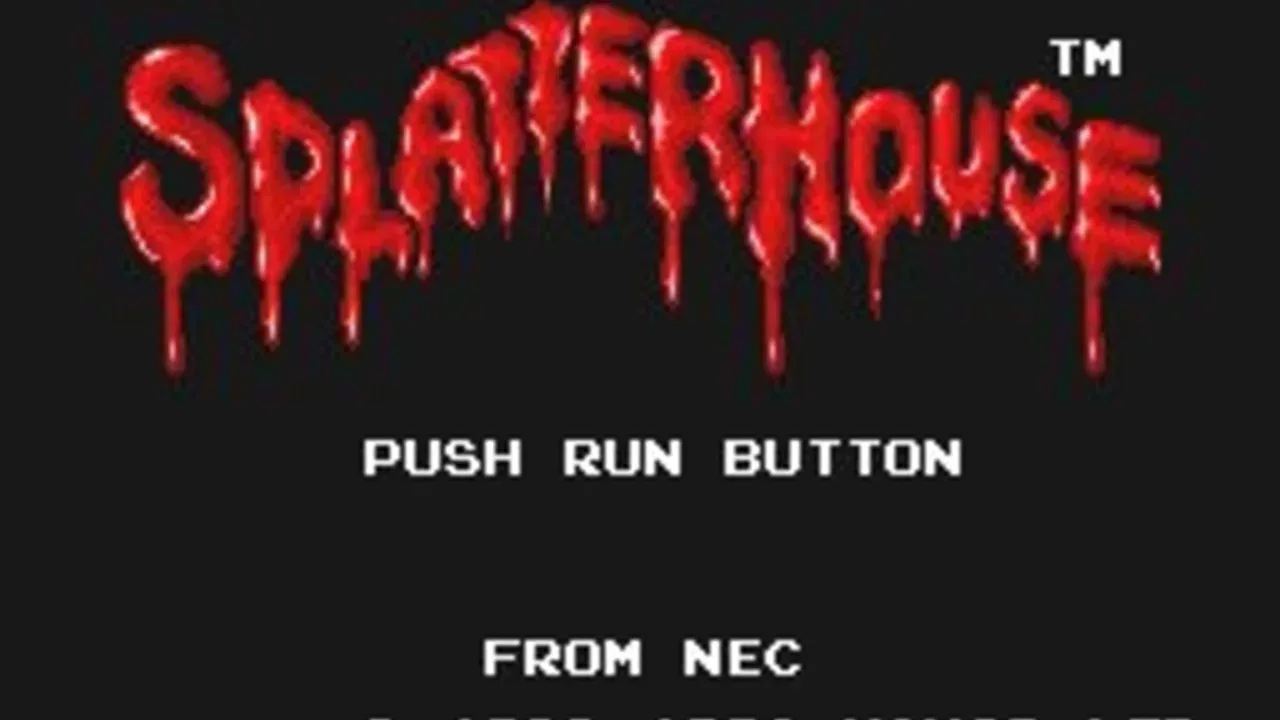
Splatterhouse is a horror themed beat 'em up hack and slash video game developed by Namco Bandai Games for PlayStation 3 and Xbox 360. It was released in North America on November 23, 2010 and in Europe on November 26, 2010. It is a reimagining and a reboot of the original Splatterhouse which was released in 1988.
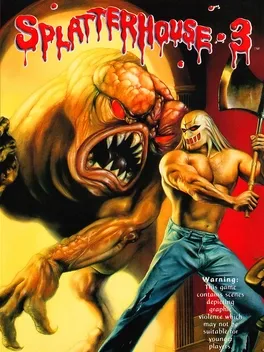
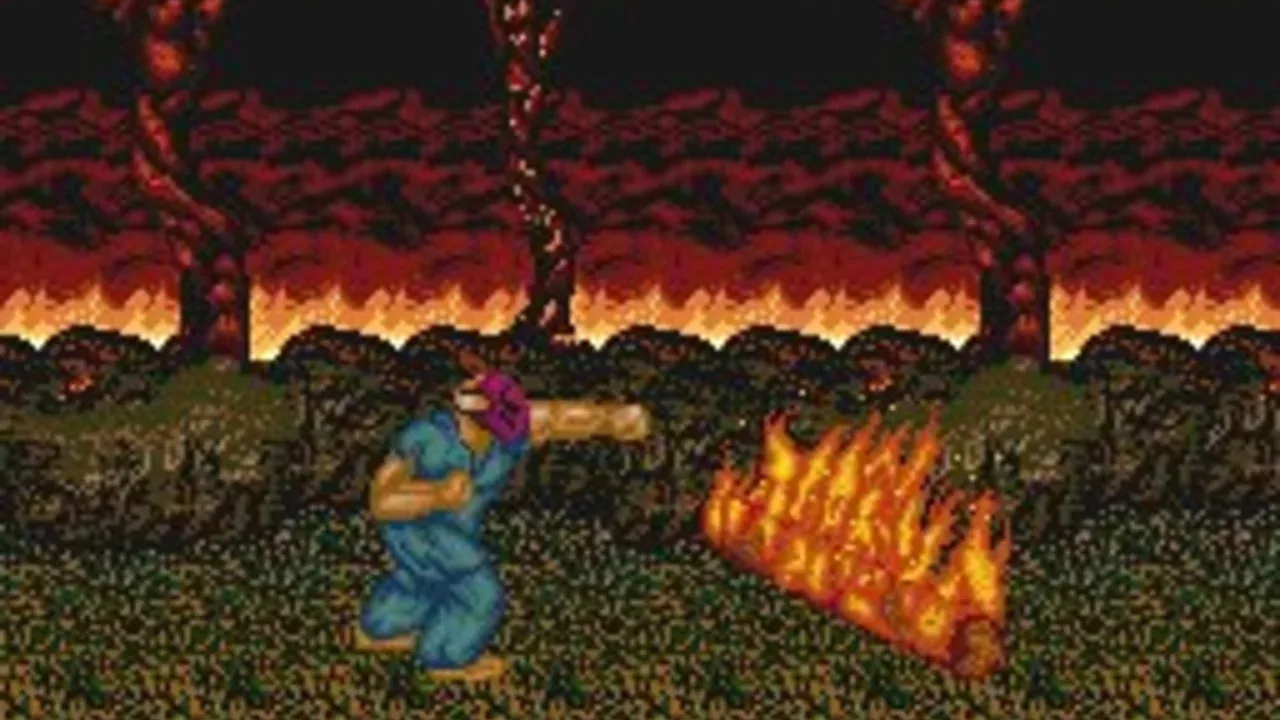
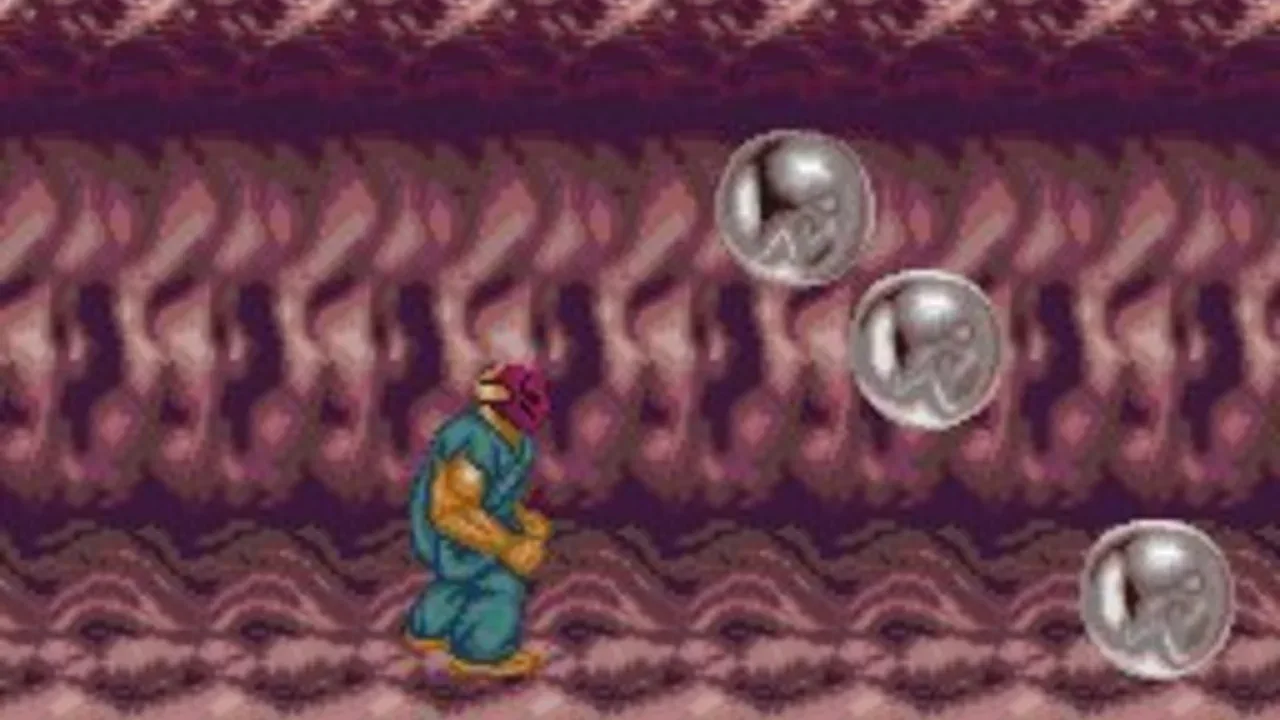
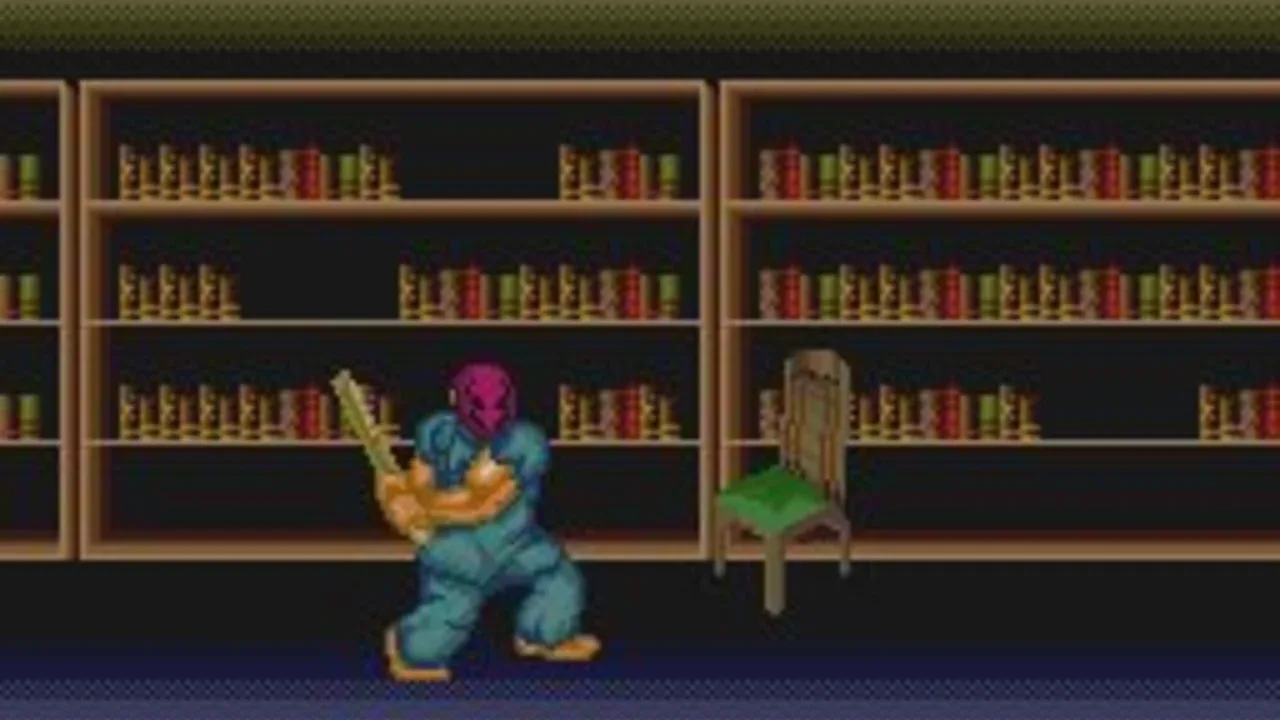
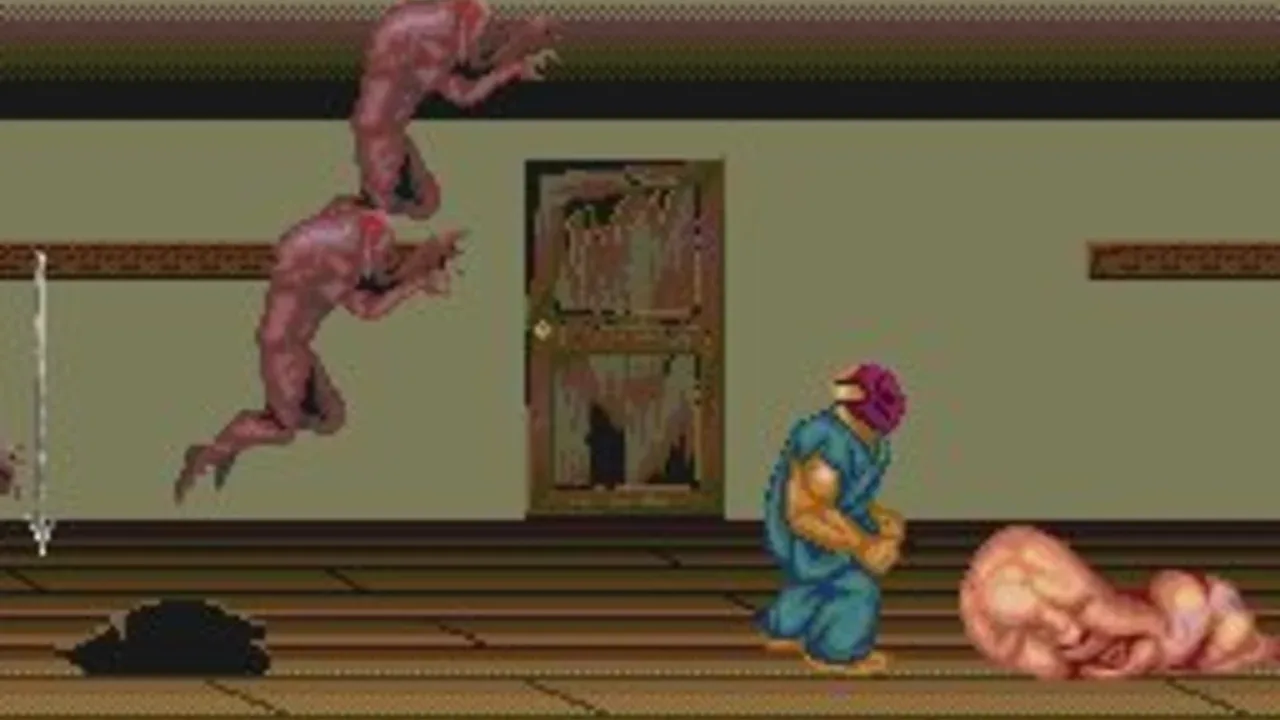
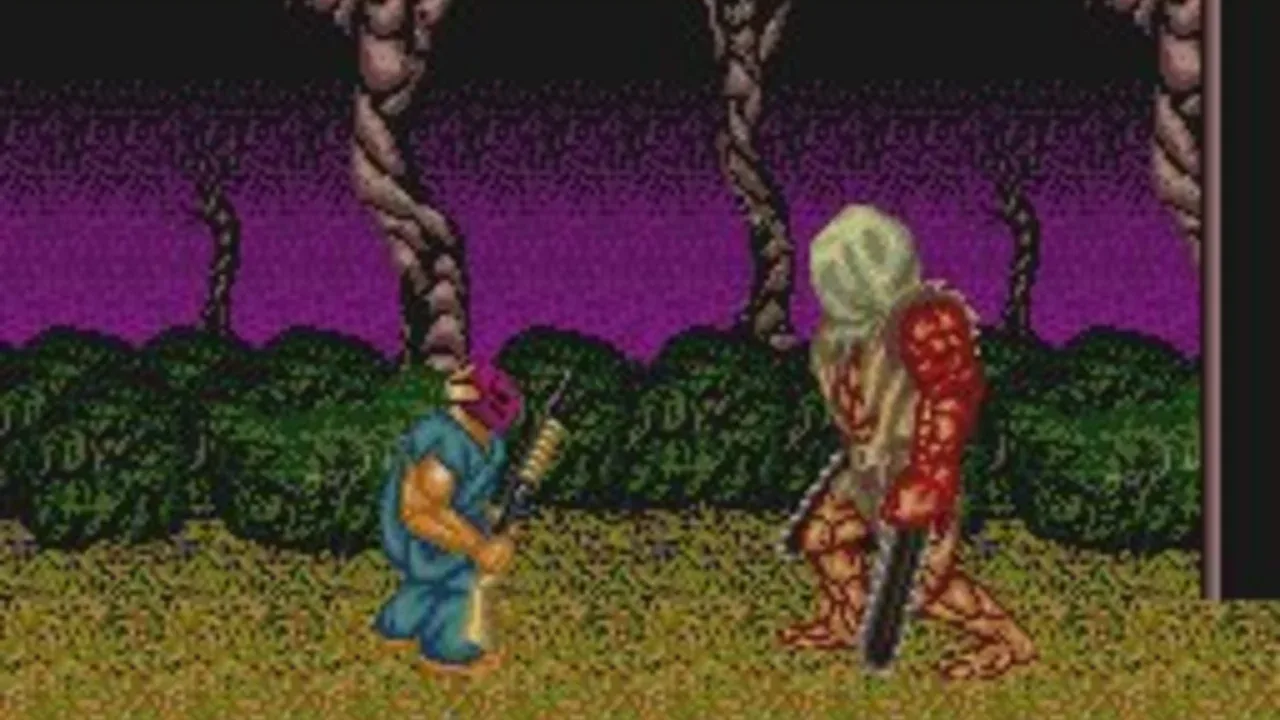
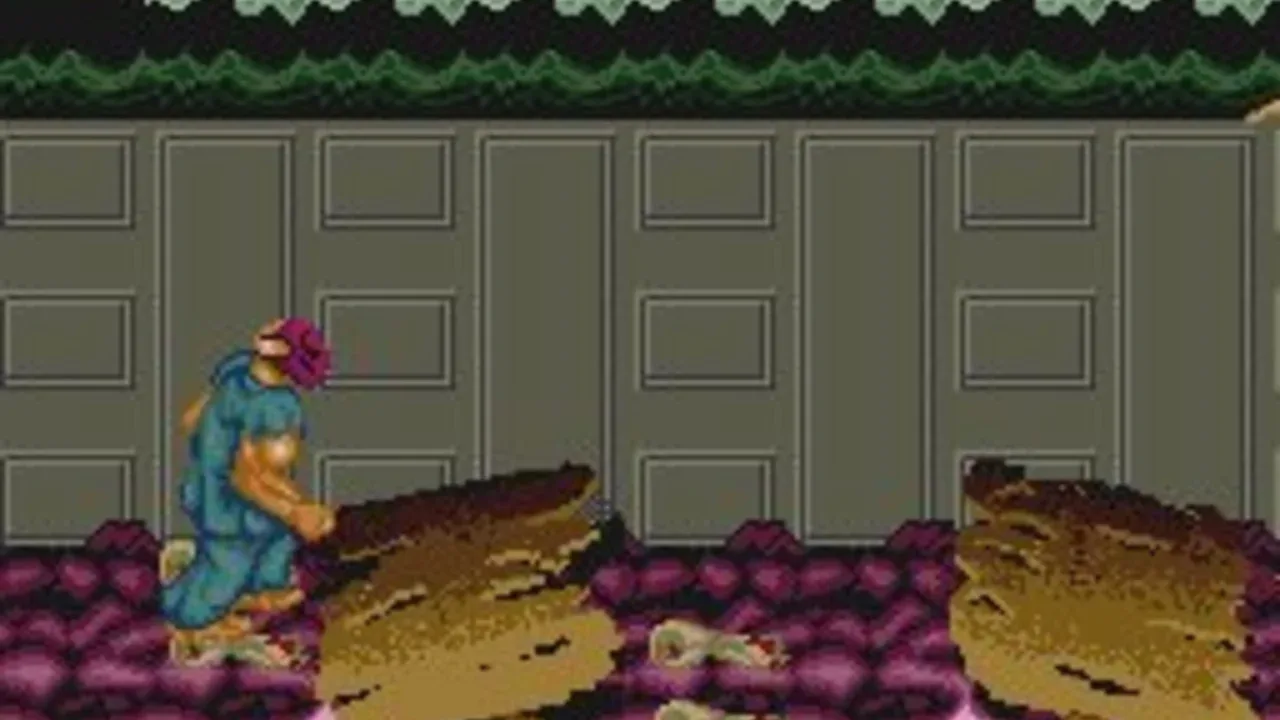
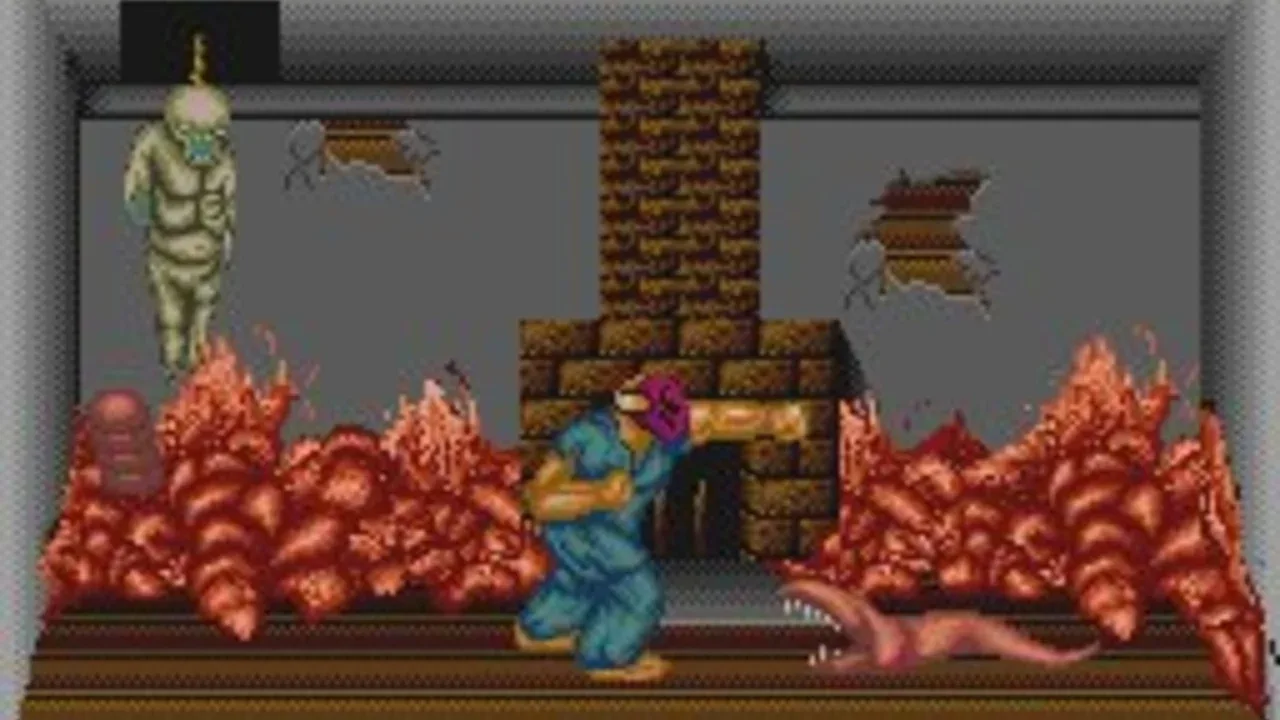
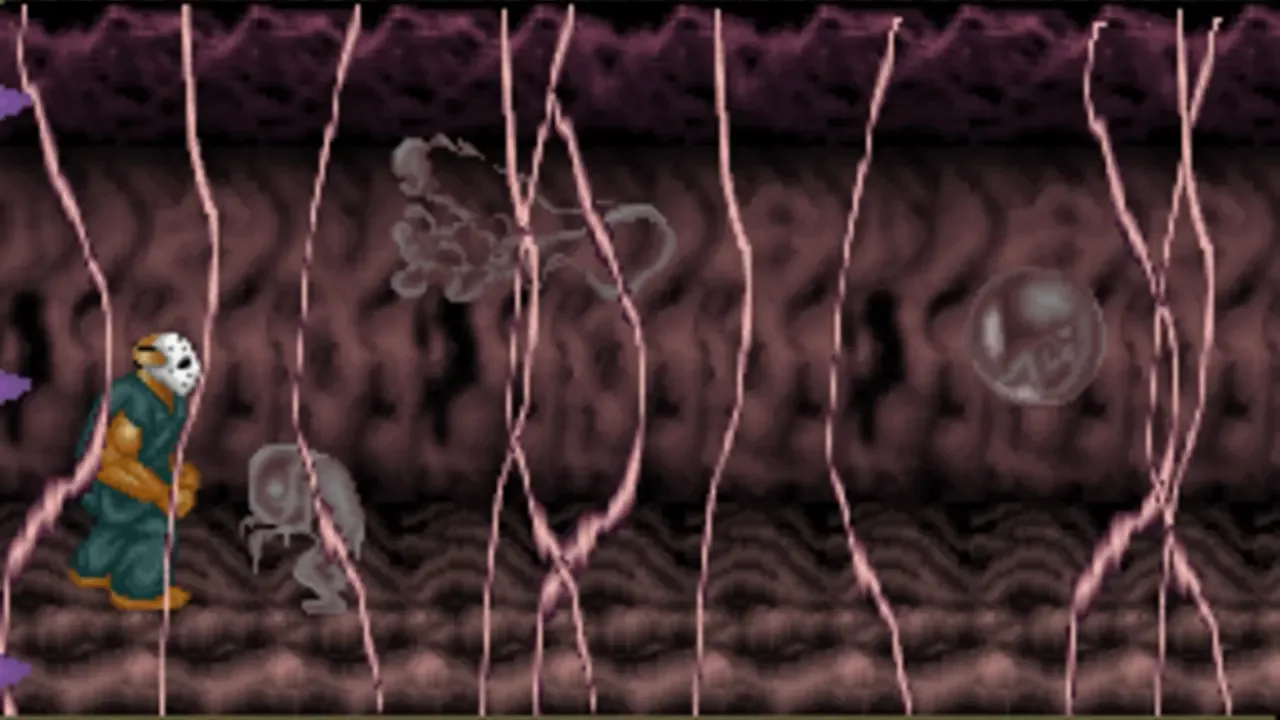
Splatterhouse 3 is a video game released by Namco for the Mega Drive/Genesis in 1993. It is the sequel to Splatterhouse 2 and was one of the first games to be given a rating by Sega's own Videogame Rating Council.
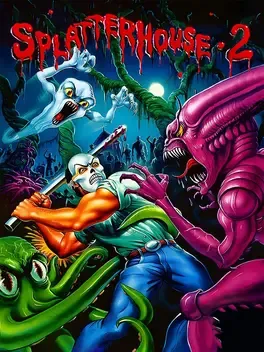
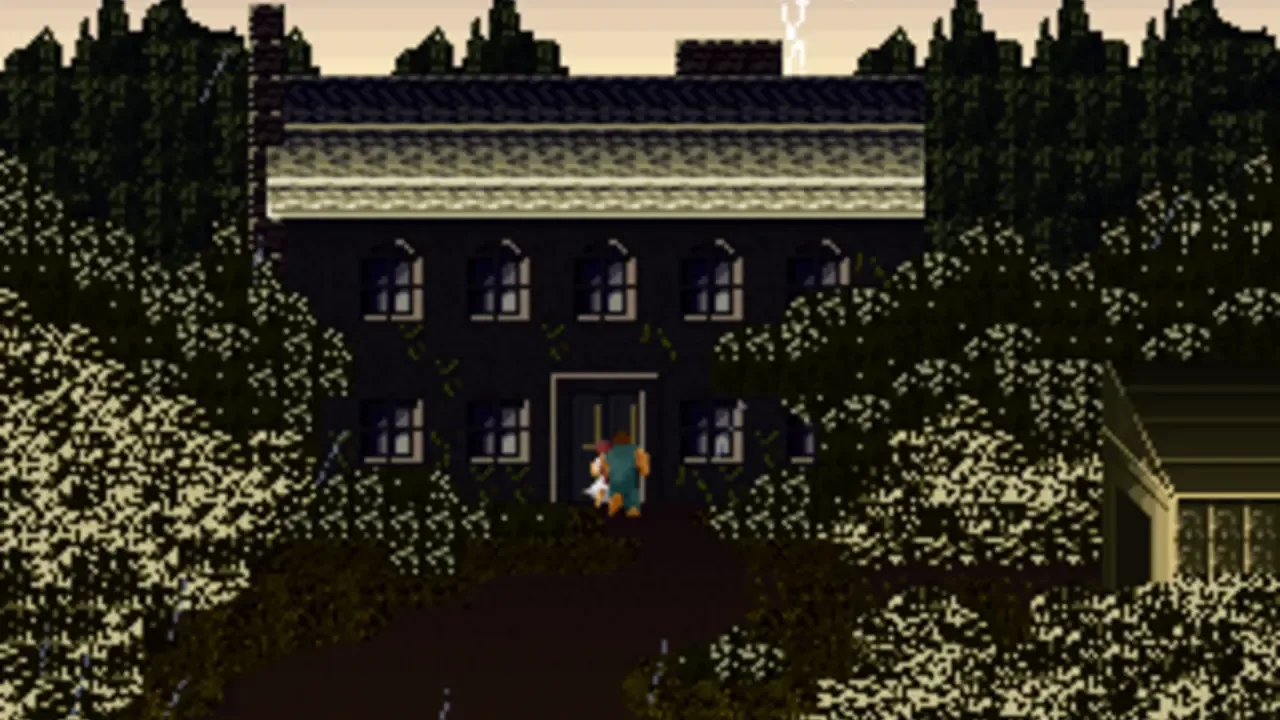
Three months have gone by since the events of the first game. The Terror Mask, which has reformed after breaking at the climax of the first game, appears to Rick and repeatedly tempts him to "go back to the house", telling him that Jennifer "doesn't have to die". It closes by telling Rick "You need me.". Rick succeeds in rescuing Jennifer, and the House sinks into the bottom of the river.
Could be interesting
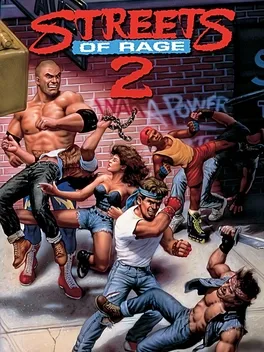
Mr. X and the Syndicate are back, this time taking Adam hostage! Take on the role of Axel, Blaze, Skate, or Max to rescue Adam, and destroy Mr. X once and for all.
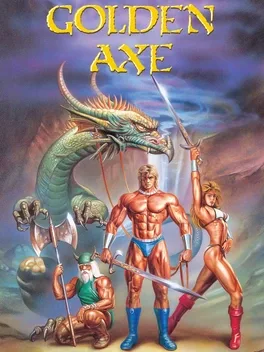
Progress is made through the game by fighting through Death Adder's henchmen, including men armed with clubs and maces, skeleton warriors, and knights. Players are able to attack using their weapon, jump and cast spells that hurt all enemies on the screen. The force of this magic depends on the number of "bars" of magic power currently available. The bars are filled by collecting blue 'magic potions' attained by kicking little sprites who then drop the potions. These sprites appear during regular levels and during bonus stages in between levels. The male warrior Ax is able to cast earth spells. The dwarf Gilius, casts lightning spells and the female warrior Tyris casts fire magic. Each character has a different number of maximum magic bars and varying ranges of attack. Various steeds known as bizarrians are found in the game. These can be ridden when the enemy rider is knocked off, or if one is found dormant. The least powerful steed is known as the Cockatrice, which can be used to knock down enemies with a swipe of its tail. The more powerful dragon, which can either shoot fireballs or breathe fire, is found later in the game.
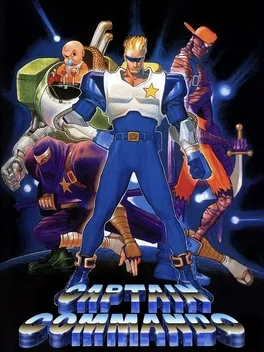
Captain Commando is a futuristic side-scrolling beat 'em up video game. The game stars the titular superhero who was originally conceived as a fictional spokesman used by Capcom USA in the company's console games during the late 1980s. Among its unique features are the option for 4 simultaneous co-op play and the ability to control mecha suits scattered on the stages.
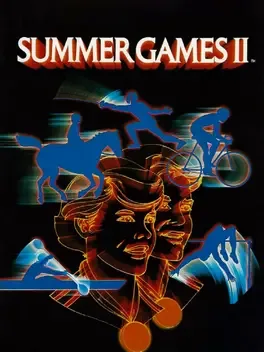
Sure Summer Games was great. but why stop there? Summer Games II will take you even farther with eight challenging. new events. You and up to seven other contestants can compete in your favorite individual event or go for it all in the grand competition. Some events. like cycling. rowing and fencing even challenge you with realistic head-to-head competition. First. decide which oi the 18 different countries you‘re going to represent. Then. in true Olympic fashion. you will need the proper strategy and mental toughness. not just speed and agility to excel in each of the eight events. That’s why we included a feature that lets you practice each event until you're ready for the real competition Remember. it’s not too early to get ready for 1988. the the right diet, proper training and lots of practice you just might make it- In the meantime, put on your sweatsuit. grab that joystick and let Summer Games ll give you eight new ways to Go For The Gold! -Includes Cycling, Fencing. Kayaking. Triple Jump. Rowing. High Jump. Javelin and Equestrian Events -Opening. Closing and Awards Ceremony With National Anthems -Compete Against The Computer or Your Friends -Individual and Head-To-Heed Competition -One to Eight Players
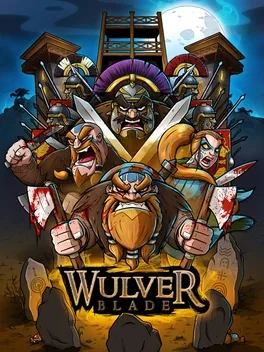
Wulverblade puts you in the role of Britons' greatest warriors as you resist the oppressive expansion of the Roman Legions and the traitorous allied tribes.
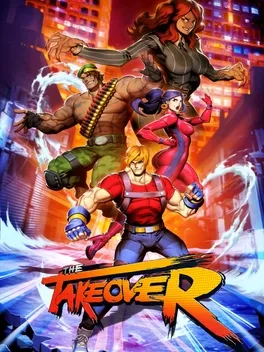
The Takeover is a side-scrolling beat'em up inspired by 90's classics such as Streets of Rage and Final Fight. Battle solo or alongside a friend in local co-op while listening to awesome tunes from Little V Mills, Richie Branson, James Ronald and industry legend Yuzo Koshiro!
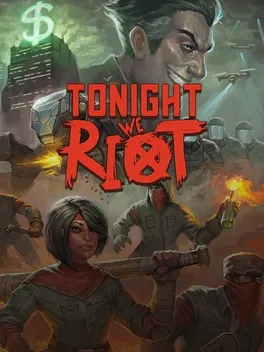
Civil unrest awaits as Tonight We Riot drops players into the boots of everyday working class rebels fighting against the oppression of global capitalism run amok in a dystopian future where the few wealthy elite dominate the entire civilized world. Between its solid gameplay, catchy synth music, retro feel, and challenging gameplay, it definitely looks like this is one mob more than ready to put up a spectacular fight. The chaotic mess of action ABSOLUTELY provides some nice catharsis. Tonight We Riot is the Socialist Revolution You're Looking For
Splatterhouse 3 is a video game released by Namco for the Mega Drive/Genesis in 1993. It is the sequel to Splatterhouse 2 and was one of the first games to be given a rating by Sega's own Videogame Rating Council.
Three months have gone by since the events of the first game. The Terror Mask, which has reformed after breaking at the climax of the first game, appears to Rick and repeatedly tempts him to "go back to the house", telling him that Jennifer "doesn't have to die". It closes by telling Rick "You need me.". Rick succeeds in rescuing Jennifer, and the House sinks into the bottom of the river.
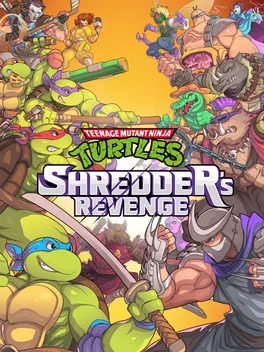
Teenage Mutant Ninja Turtles: Shredder's Revenge is a side-scrolling beat 'em up developed by Tribute Games and published by DotEmu. Inspired by the 1987 Teenage Mutant Ninja Turtles animated series, the game pays homage to classic TMNT titles like Turtles in Time, featuring retro-inspired pixel art and dynamic combat. Players control Leonardo, Michelangelo, Donatello, Raphael, or other allies, each with unique abilities, as they battle through various levels to thwart Shredder and Krang's plans to conquer New York City. The game supports solo play or co-op for up to six players, blending nostalgic design with modern gameplay mechanics.