
Street Fighter II


Parent game
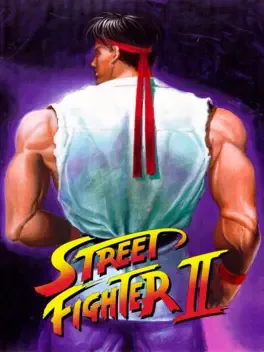
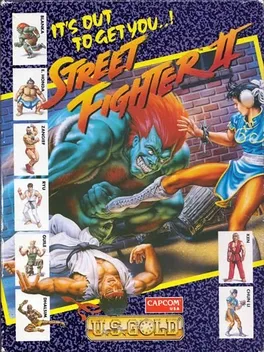
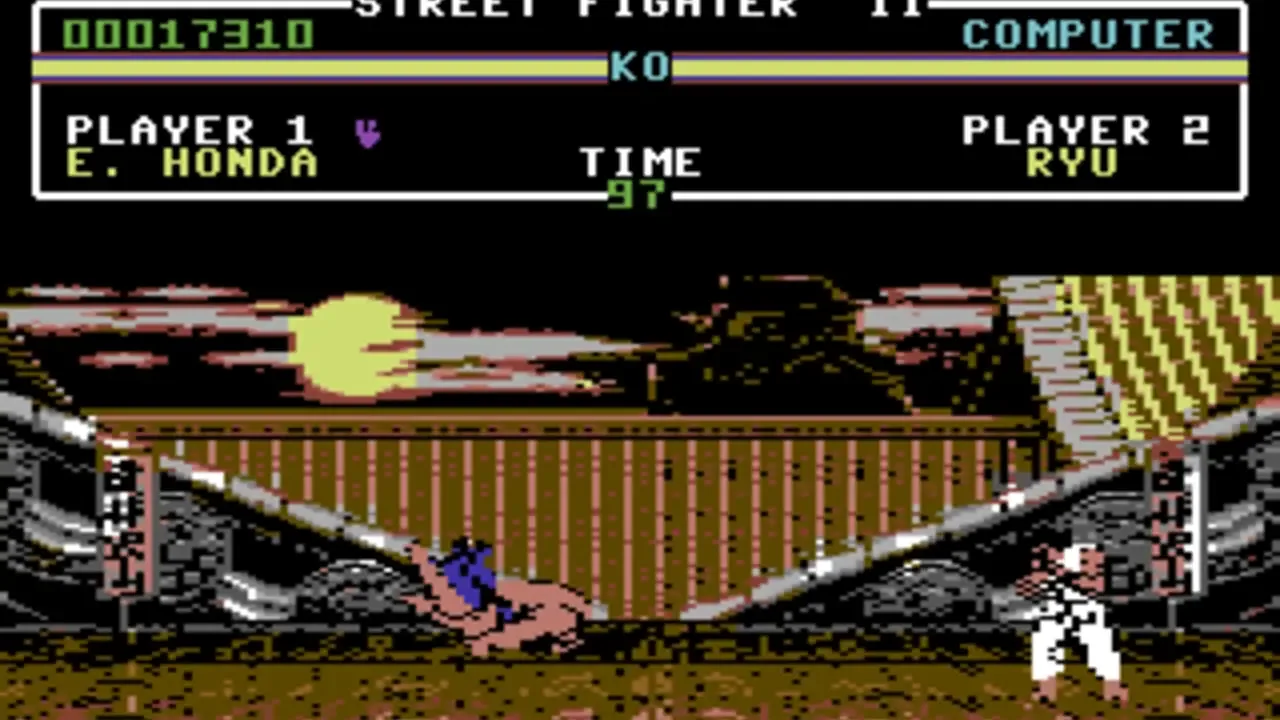
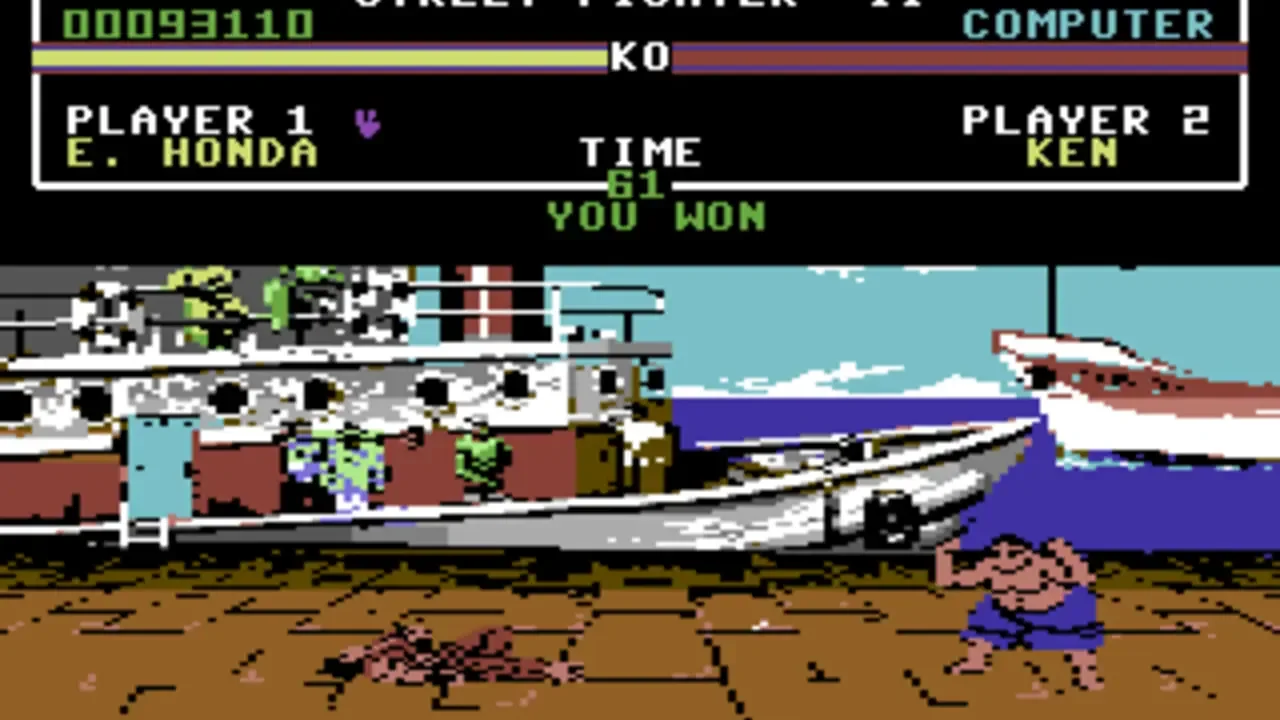
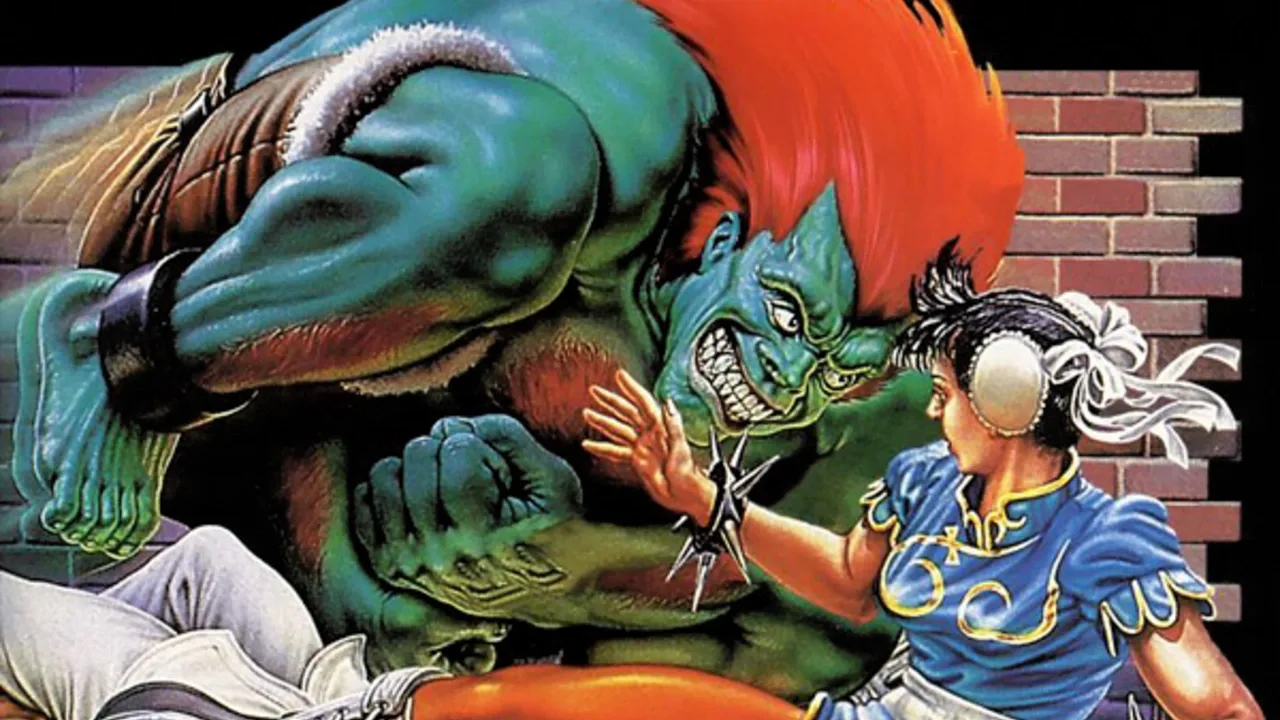
A sequel to Street Fighter, Street Fighter II improved upon the many concepts introduced in the first game, including the use of command-based special moves and a six-button configuration, while offering players a selection of multiple playable characters, each with their own unique fighting style and special moves. Street Fighter II is credited with starting the fighting game boom during the 1990s. Its success led to the production of several updated versions, each offering additional features and characters over previous versions, as well as many home versions. Some home versions of the Street Fighter II games have sold millions of copies, with the SNES port of the first Street Fighter II being Capcom's best-selling consumer game of all time as of 2008. Street Fighter II follows several of the conventions and rules already established by its original 1987 predecessor. The player engages opponents in one-on-one, close-quarters combat in a series of best-of-two-out-of-three matches. The objective of each round is to deplete the opponent's vitality before the timer runs out. If both opponents knock each other out at the same time or the timer runs out with both fighters having an equal amount of vitality left, a "double KO" or "draw game" is declared. Additional rounds will be played until sudden death. In the first Street Fighter II, a match could last up to 10 rounds if there was no clear winner; this was reduced to 4 rounds in the Champion Edition and onward. If there is no clear winner by the end of the final round, then either the computer-controlled opponent will win by default in a single-player match, or both fighters will lose in a 2-player match. After every third match in single-player mode, the player will participate in a "bonus game" for additional points. The bonus games include (in order) a car-breaking event; a barrel-breaking bonus game where the barrels are dropped off from a conveyor belt above the player; and a drum-breaking bonus game where drums are flammable and piled over each other. The bonus games were removed from the arcade version of Super Street Fighter II Turbo. As in the original, the game's controls use an eight-directional joystick and six attack buttons. The player uses the joystick to jump, crouch, move the character towards or away from the opponent, and guard against the opponent's attacks. There are three punch buttons and three kick buttons, each with varying strength and speed (Light, Medium, and Heavy). The player can perform a variety of basic moves in any position, including grabbing/throwing attacks, which were not featured in the original Street Fighter. Like in the original, the player can perform special moves by inputting a combination of directional and button-based commands. Street Fighter II differs from the original in that it features multiple playable characters, each with distinct fighting styles and special moves. Additionally, the player can "cancel" an animation by performing another move, enabling combinations of basic and special moves. Both of these features would be expanded upon in subsequent installments.
Part of collection:
Street Fighter
(last 3 games)
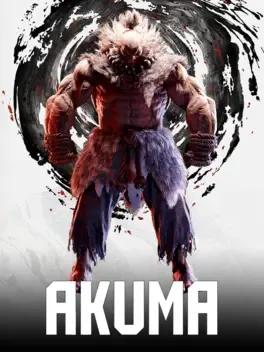
Akuma is the fourth DLC character for Street Fighter 6 and final character in the Year 1 Character/Ultimate Pass. A demon of combat that has welcomed the Satsui no Hado into his being in his quest to become the ultimate master of the fist.
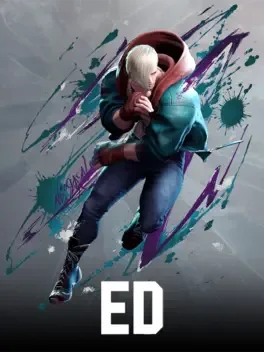
Ed is the third DLC character for Street Fighter 6 in the Year 1 Character/Ultimate Pass. A Psycho Power-wielding youth aged up rapidly by Shadaloo's experimentation, on a journey and a mission to free other subjects. He gets his short temper and foul mouth from Balrog, his former mentor.

A.K.I. is the second DLC character for Street Fighter 6 in the Year 1 Character/Ultimate Pass. A poison-wielding apprentice of F.A.N.G, the former Shadaloo officer. Enchanted by the power of toxins, nothing brings her more joy than testing them on a new target—other than attention from her “master,” that is.
Part of collection:
Street Fighter II
(last 3 games)
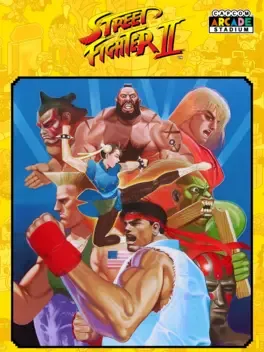
Add Street Fighter II: The World Warrior to your Capcom Arcade Stadium game line-up! Who is the true street fighter? Fighters from around the world stand up to finally answer that question. Each has their own secrets.
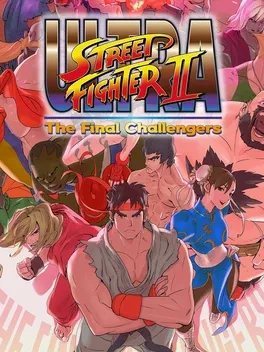
The newest iteration of SFII in nearly 10 years, Ultra Street Fighter II features all of the classic characters, a host of new single player and multiplayer features, as well as two new fighters: Evil Ryu and Violent Ken! Nintendo Switch TV, Tabletop and Handheld modes allow you to play Ultra Street Fighter II at home or on-the-go!
Part of franchise:
Street Fighter
(last 3 games)
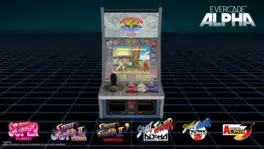
The Evercade Alpha Street Fighter Bartop Arcade includes six titles from the legendary Street Fighter series by Capcom, including Street Fighter II‘ Champion Edition, Super Street Fighter II Turbo, Street Fighter Alpha: Warriors’ Dreams, Street Fighter Alpha 2, Street Fighter Alpha 3 and Super Puzzle Fighter II Turbo.
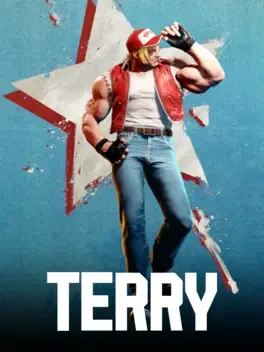
Terry is the second DLC character in the Street Fighter 6: Year 2 Character/Ultimate Pass. A passionate fighter that hones his craft as he travels all over the world. Also known as the "Hungry Wolf". He came to Metro City after hearing about the opening of the Pao Pao Cafe.
Akuma is the fourth DLC character for Street Fighter 6 and final character in the Year 1 Character/Ultimate Pass. A demon of combat that has welcomed the Satsui no Hado into his being in his quest to become the ultimate master of the fist.
Could be interesting
Web browser arena shooter.
2XKO is a 2v2 fighting game featuring the iconic characters from Arcane and League of Legends.
Made for mobile, Battlelands Royale is a casual Battle Royale game for everyone to enjoy. With 32 players and 3-5 minute matches it’s a whole lot of fun! No waiting in lobbies; no complicated menus to navigate. Just play, parachute, loot, and survive!
From TV Animation One Piece: Grand Battle! is a Japanese fighting video game developed by Ganbarion and published by Bandai. It is the first game in the One Piece: Grand Battle series and the second game to be based on the One Piece manga and anime. This game's introduction uses the theme song We Are! (ウィーアー! Wī Ā!) from the One Piece Anime.
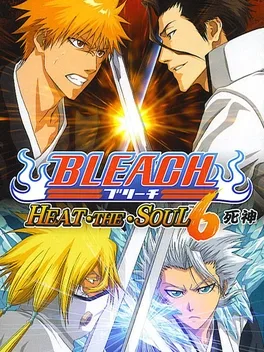
Bleach: Heat the Soul 6 is the sixth game in the Heat the Soul series based on Tite Kubo's Bleach, which was released in Japan on May 14, 2009. It includes more Arrancar Resurrections like that of Nnoitora, Szayelapporo Grantz or Nel(Gamuza). The game has a new championship mode added in which you can fight tournament style similar to Bleach Soul Carnival and a customization mode exclusive to Heat the Soul 6. The game's story mode starts from the day Ichigo got his powers to the Espada/Soul Reaper showdowns to date in the anime. It boasts an amazing character roster consisting of 74 playable characters including Senna, Sojiro Kusaka, Dark Rukia, and the Visored and Tessai in their Soul Reaper uniforms from the "Turn Back the Pendulum" arc. Its opening theme is "Koyoi, Tsuki ga Miezu Tomo" by Porno Graffitti which was also used for Bleach: Fade to Black.
Street Fighter EX3 is the final game in the Street Fighter EX series series, taking the gameplay and additional moves of EX2, and adding a tag-team element. Multiple characters from the famous Street Fighter series return and clash with Arika's own characters.
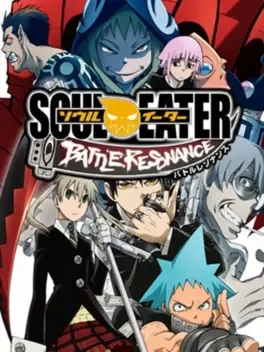
Wrought your weapon into a death scythe in the fighting game Soul Eater: Battle Resonance, find 99 souls born from the egg of the kishins and one witch's soul. Maka and Soul Eater have failed this task once by mistaking the soul of Blair the cat as a witch and could not bear to fail again. Following the plot of the first 24 episodes of the anime, you get to take part in the fights Maka and gang participated in and experience the coolness of the characters at first hand. For those who have never seen the anime, be amazed at the comical situations the characters managed to get themselves into, for the long time fans, this game is filled to the brim with new story elements and costumes as well as items. Get a rare insight into the characters minds and their wardrobes.
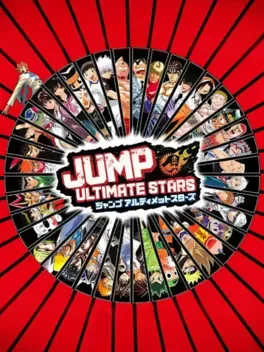
Jump Ultimate Stars is a fighting video game developed by Ganbarion and published by Nintendo for the Nintendo DS. It is the sequel to Jump Super Stars. The game was released in Japan on November 23, 2006. The game keeps many features from its predecessor, and adds many more. The game boasts 305 characters (56 of which are fully playable) from 41 different Shōnen manga series.
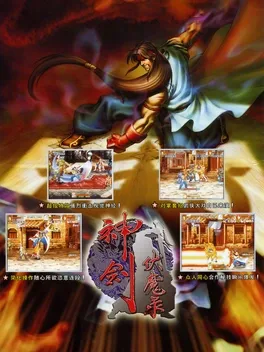
The Gladiator is an Action game, developed and published by IGS (Taiwan), which was released in 2003.
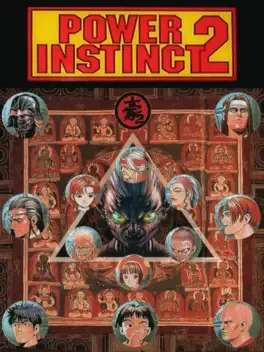
The original Arcade version of Power Instinct 2 released in Japan in October 1994. The game adds 5 new characters to the series but doesn't retain the extra modes added to the console ports of the previous title. The game was ported to PlayStation in Japan with an additional mode and characters related to the next Arcade release for the series, Goketsuji Legends.