
Taikou Risshiden


Buy
Part of collection:
Taikou Risshiden
(last 3 games)
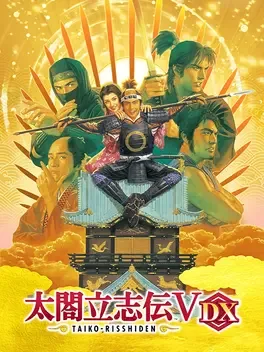
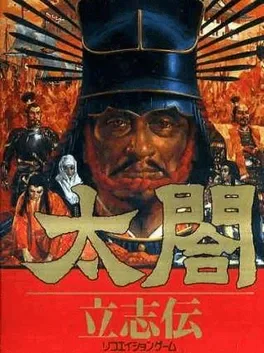
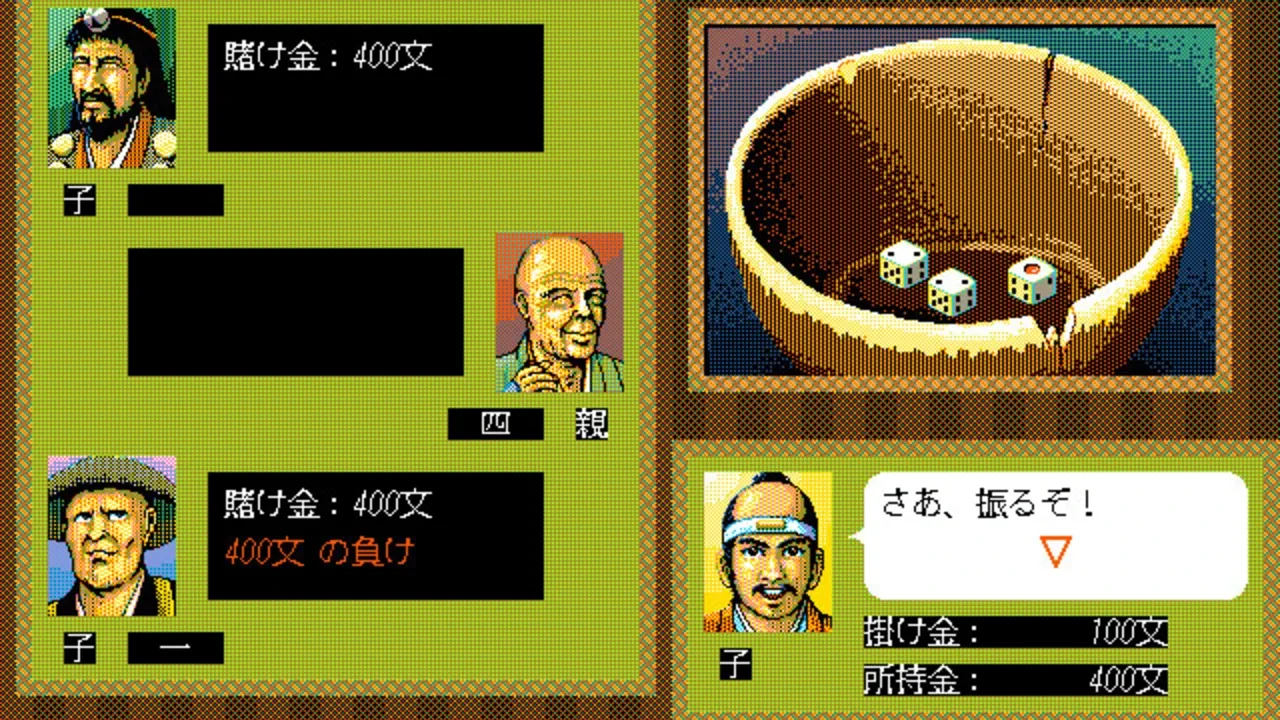
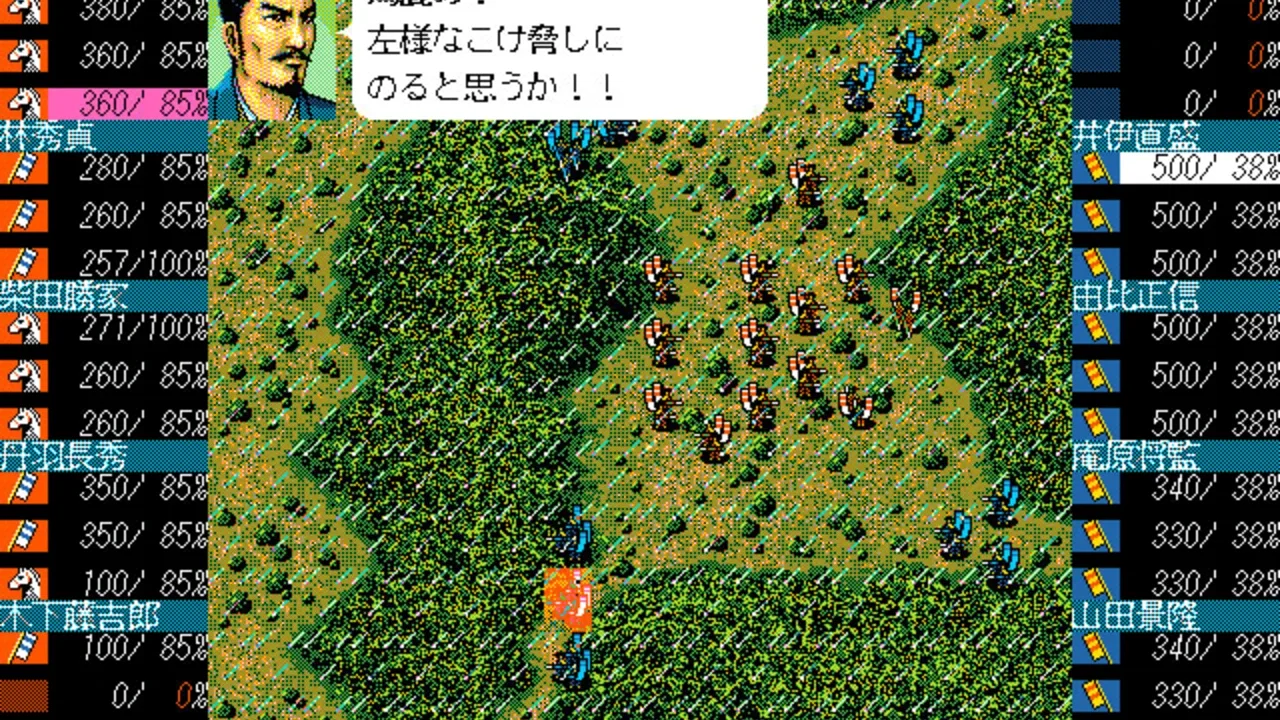
A remaster of the classic "Taikou Risshiden V" with new features! You take on the role of Toyotomi Hideyoshi and other real-life historical figures who lived through the war-torn 16th century Japan and aim to realize their dreams and ambitions. This HD remaster features more than 100 new characters, new scenarios, new events, new endings, new skills, and many other new elements and quality-of-life features such as an auto-save function and an ending list.
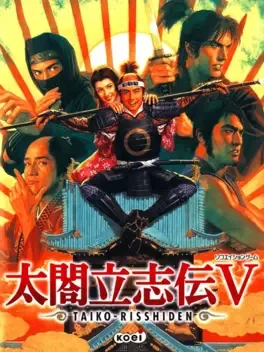
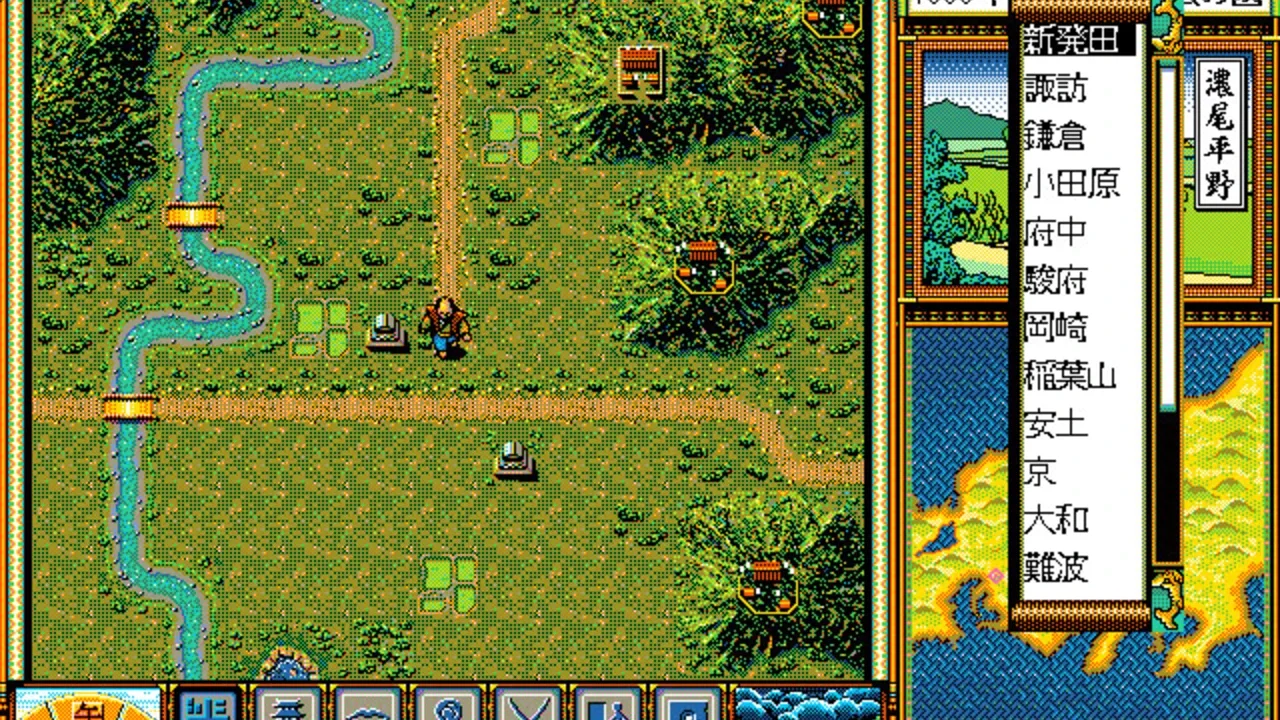
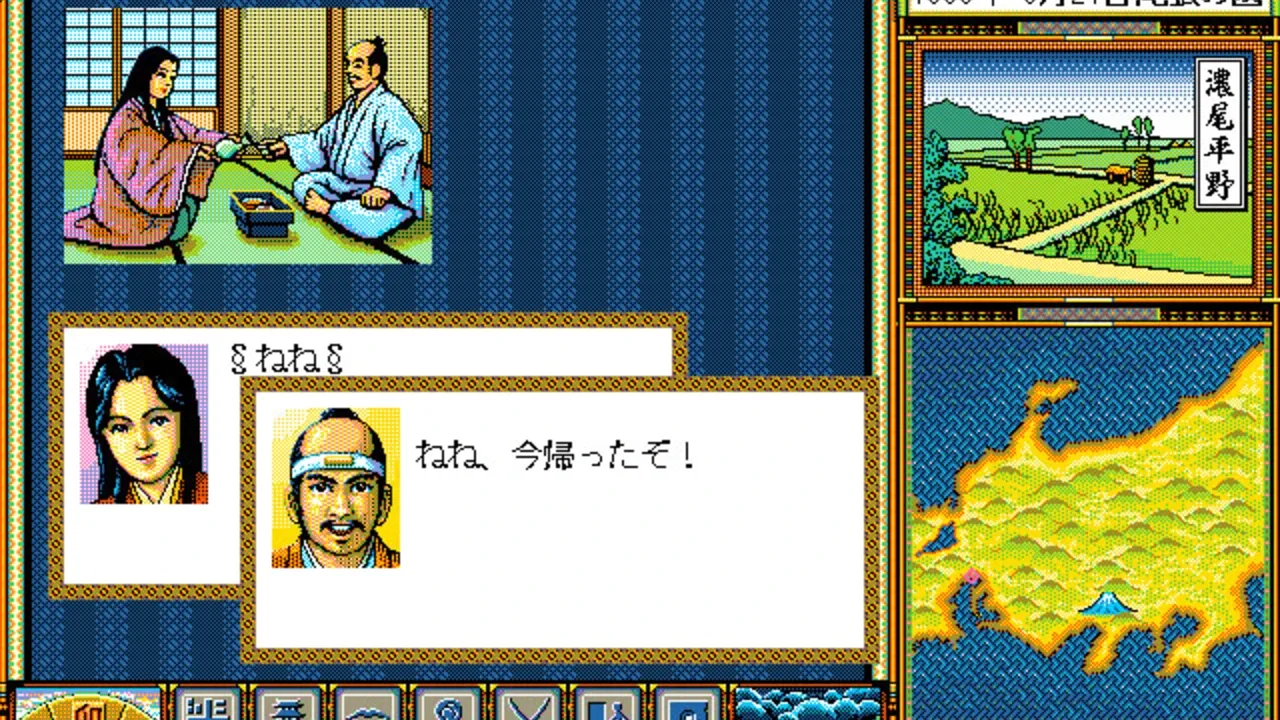
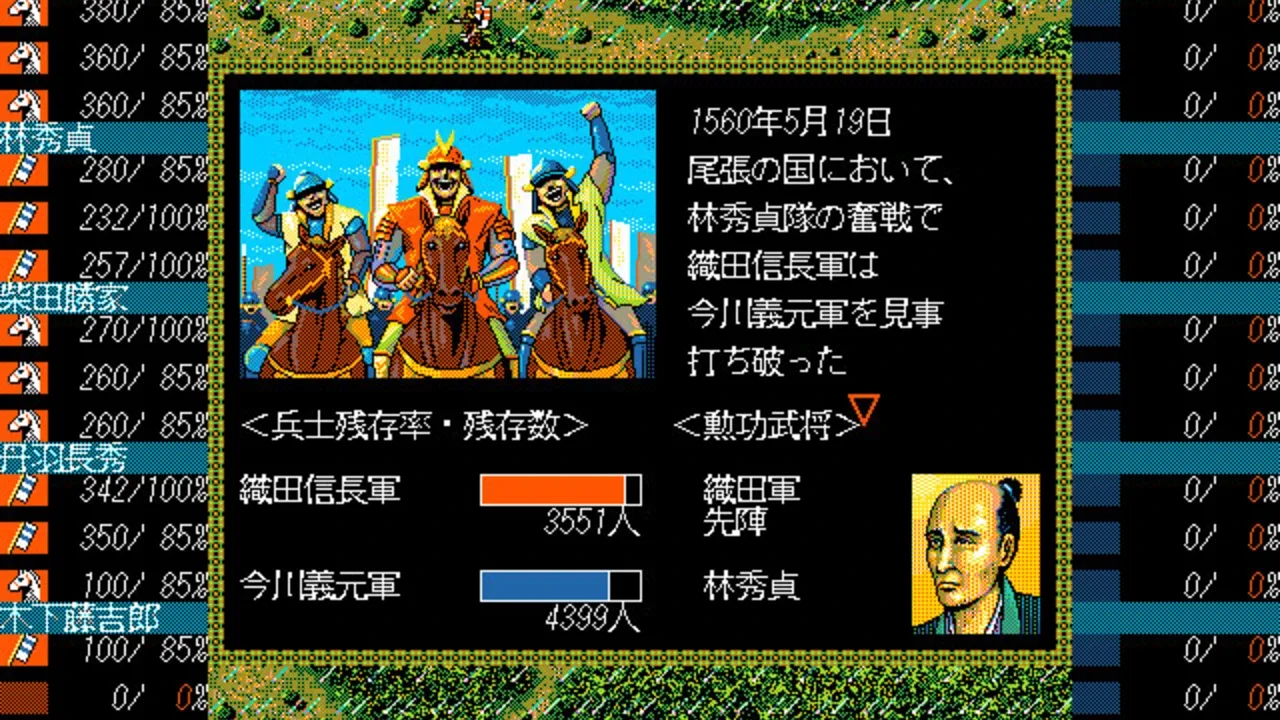
Taikou Risshiden V is the latest title of a Japanese video game series Taikou Risshiden (turn-based sandbox role-playing video games/turn-based strategy) produced by Koei. It was released on PC and PlayStation 2 in 2004 followed by a port to PlayStation Portable in 2009. The first title of the series was released on NEC PC-9801 in 1992 followed by ports to Super Famicom and Genesis/Mega Drive. It was later re-released on the Wii Virtual Console on September 1, 2009, ported from the Super Famicom version. The name of the game roughly means "the Taikou's success story". The characters are taken from the Momoyama period in Japan. In the previous Taikou Risshiden IV, a character was selected from the choices of a samurai, a ninja or a merchant. In Taikou Risshiden V, new roles include a blademaster, a pirate, a doctor, a tea master, and a blacksmith, counting eight roles in total. The player meets various historical figures of the era in the game.
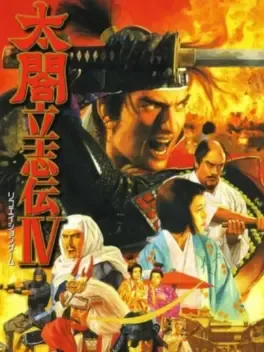
Taikou Risshiden IV is a Strategy game, developed by Koei/Inis and published by Koei, which was released in Japan in 2001.
Could be interesting
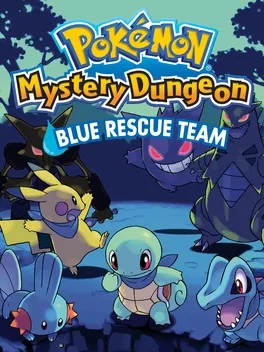
You, a regular human, find yourself trapped in the body of a Pokémon in a world inhabited by Pokémon. Without any other choice, you go on rescue missions through randomly generated dungeons with your newly-acquired partner and friend to save the world and get back to your human life.
Journey into the dark side of an ancient civilization. Radiating an ominous light in its path, the Chaos Comet threatens the existence of the planet. Battles erupt and a tentative peace is returned to the lands. Danger lurks as the Chaos Comet orbits and dreadful beasts lie awaiting. In the Age of Exploration a boy named Will is born. Tragedy strikes during an expedition to the Tower of Babel separating Will from his father. Telekinetic forces awaken as Will returns to South Cape. Armed with his transformation abilities of two great warriors, Will must save the planet. Gaia, Will's guiding spirit bestows magical powers and advice along his journey. With the help of his friends Will must battle relentless enemies and solve the puzzles of the ancient ruins. Patience and knowledge are essential to reunite this father and son.
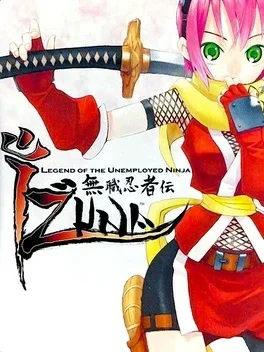
Izuna and her ninja clan are looking for a place to settle down after their old master Mugen decided that ninjas were obsolete, and booted them from his castle. Upon arriving at a village that's suitably out of the way for their "Grandboss", Gen-An, they decide to stay at an inn when Grandboss wanders off. While trying to find Grandboss, Izuna manages to offend the gods of the village, and everyone in the area starts behaving strangely. Now Izuna has to descend into the various shrines for the gods in order to set things right.
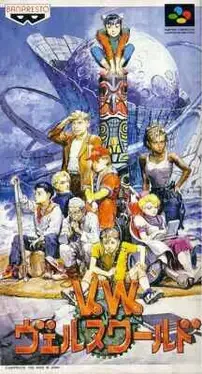
Verne World is a role-playing game exclusively released in Japan. The game revolves around the main character being trapped in a theme park based around the works of Jules Verne such as 'A Journey to the Center of the Earth' and 'Twenty Thousand Leagues Under the Sea'.
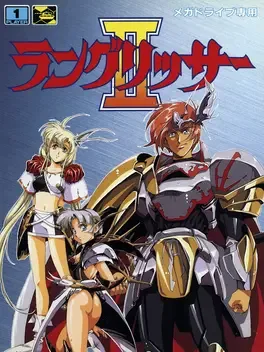
Langrisser II is a turn-based strategy game that was developed by Team Career, part of Masaya, and published by the parent company NCS Corporation. This version of the game was released on the Nintendo Wii through the Virtual console and was later released for Windows though a classic games service. Unlike the first Langrisser, known as Warsong internationally, almost all of the other games and remakes in the series have not been released outside of Japan.
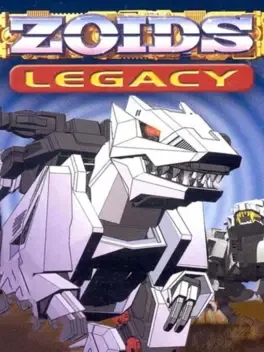
At the outer reaches of the universe, the human inhabitants on the Planet Zi remain locked in combat. The population, divided between good and evil, uses gargantuan life forms called Zoids to battle each other for control of this world. During a recent weapons experiment, Planet Zi underwent an accidental time-space fusion, creating a collision of Zoids warriors from two eras, the Chaotic Century and the New Century. Now, all hopes of returning Planet Zi to normal rest with Zeru, a promising Zoids warrior. Help Van, Fiona, Bit Cloud and Zeru use the full power of the ZOIDS to bring peace to their world. As the story unfolds, players can customize and upgrade their own unique Zoids to improve its efficiency and perform combination attack moves. Released in Japan as Zoids Saga II, Legacy features more than 140 different types of Zoids, each can be customized with different weapons and new color schemes.
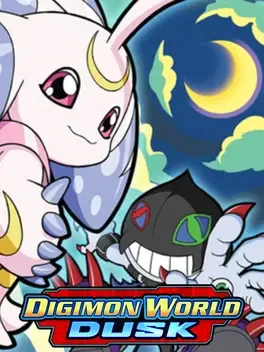
Digimon World Dusk, originally released as Digimon Story Moonlight in Japan, is a Digimon video game for the Nintendo DS handheld game console. It was released in Japan on March 29, 2007 and North America on September 18, 2007. It serves as the second game in the Digimon Story series, though it was marketed as a game within the Digimon World series in North America.
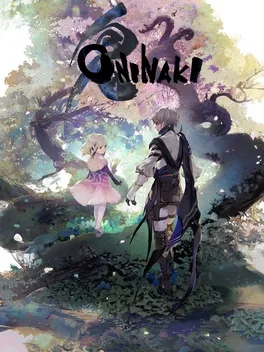
The all-new Action-RPG, ONINAKI tells the story of one Watcher on a journey to protect Life, after Death.
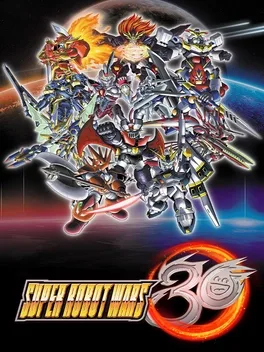
30 years on, the battle for our world's future continues. Super Robot Wars is a tactical RPG that brings characters and robots from a variety of mecha anime together to battle their mutual foes.

Experience the ultimate life simulator in To Pixelia. Create your own story, choose your character's look and design your home. Climb the career ladder, compose songs, cook, fight, drive and take care of your health. Live the life you've always wanted.