
Tekken 6


Buy
Parent game
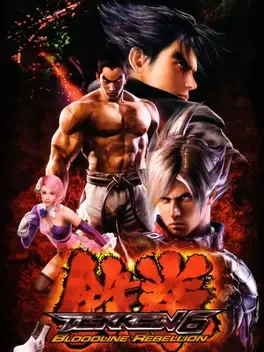
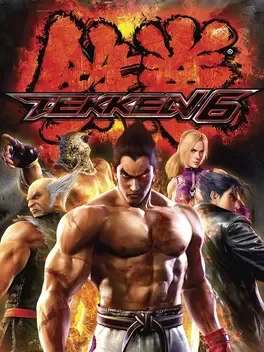
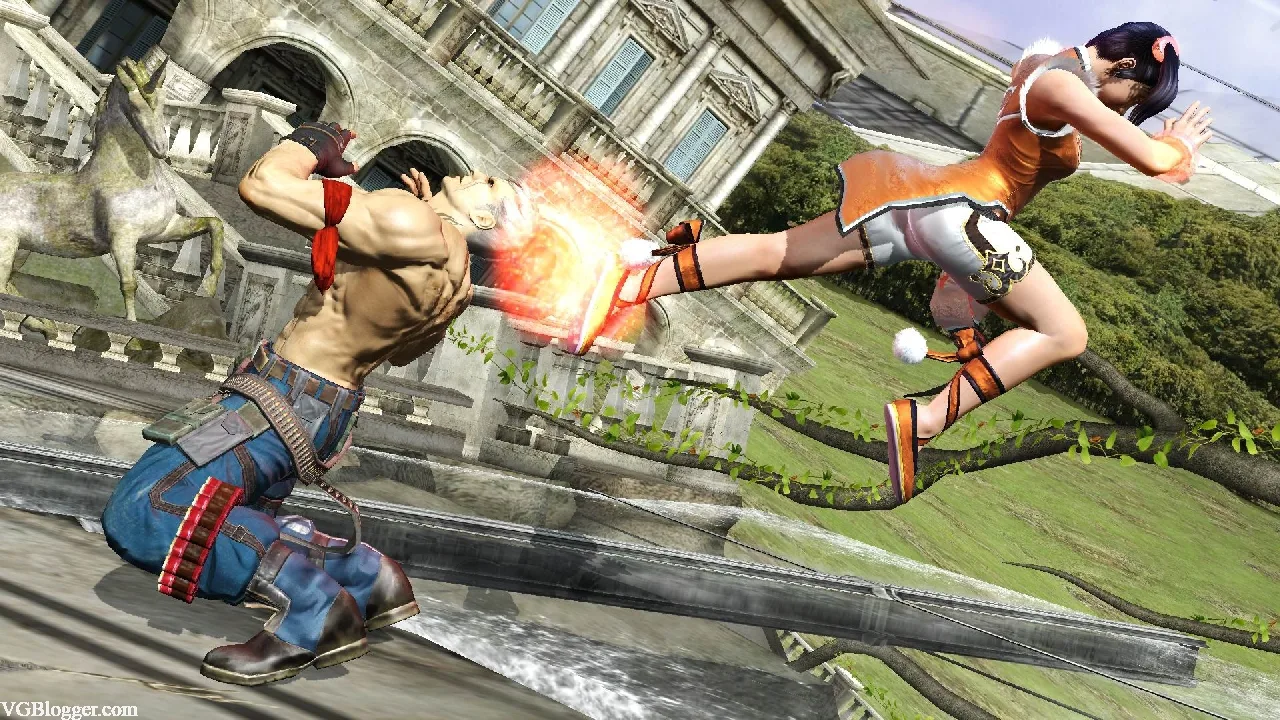
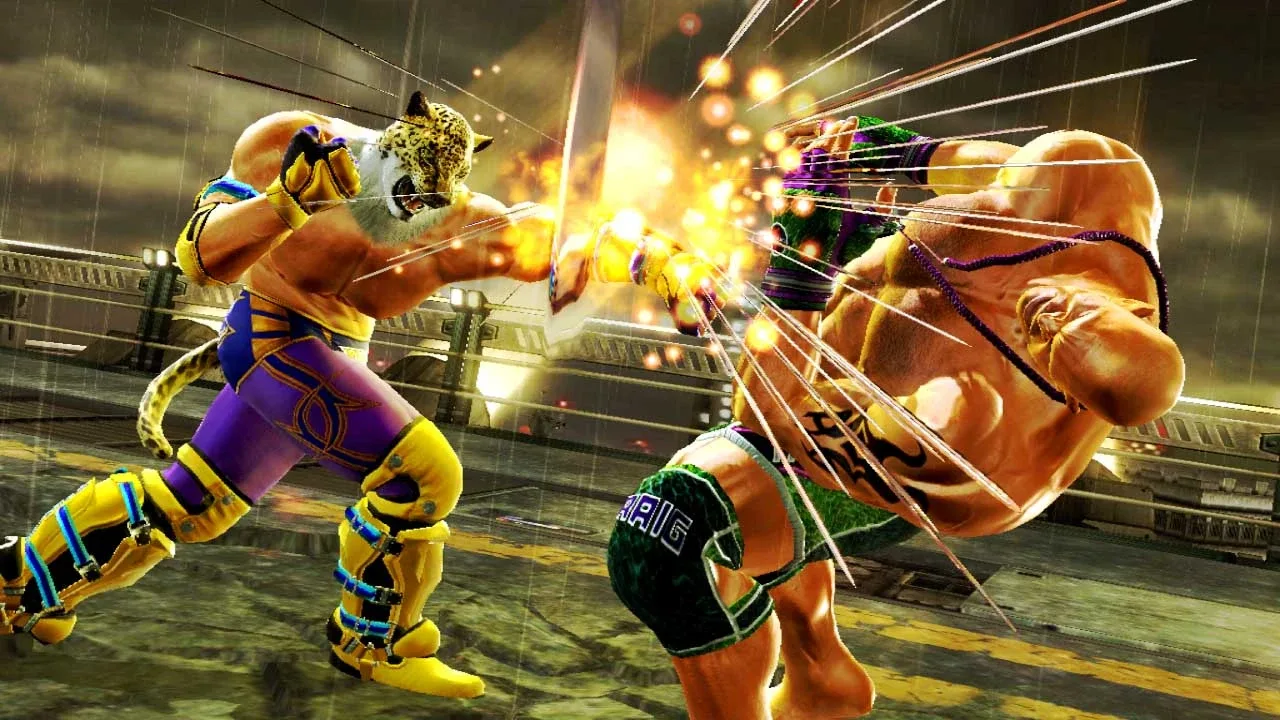
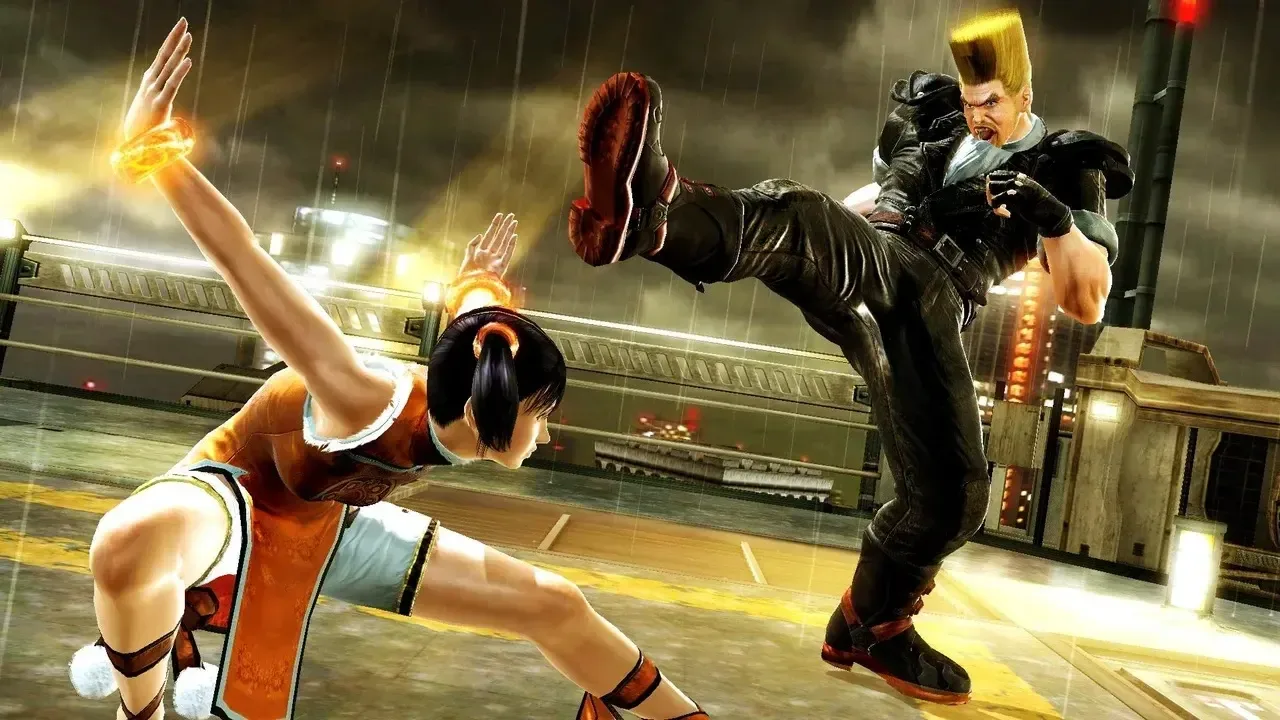
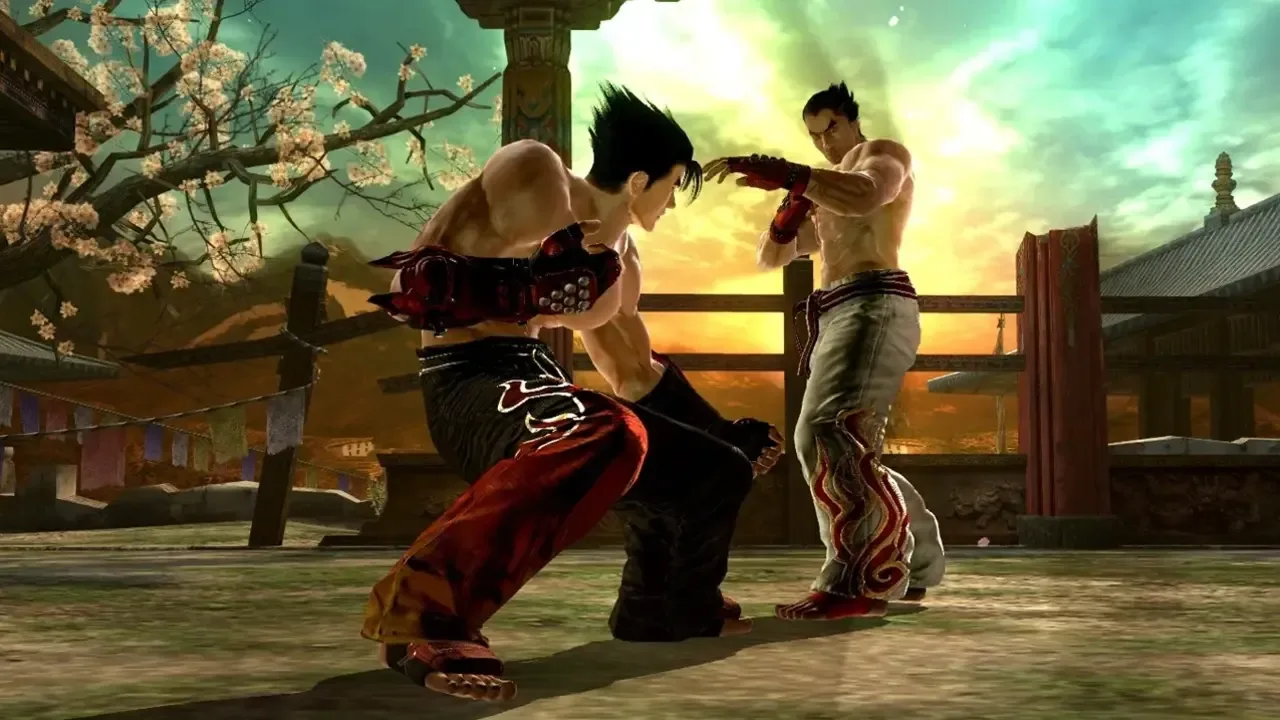
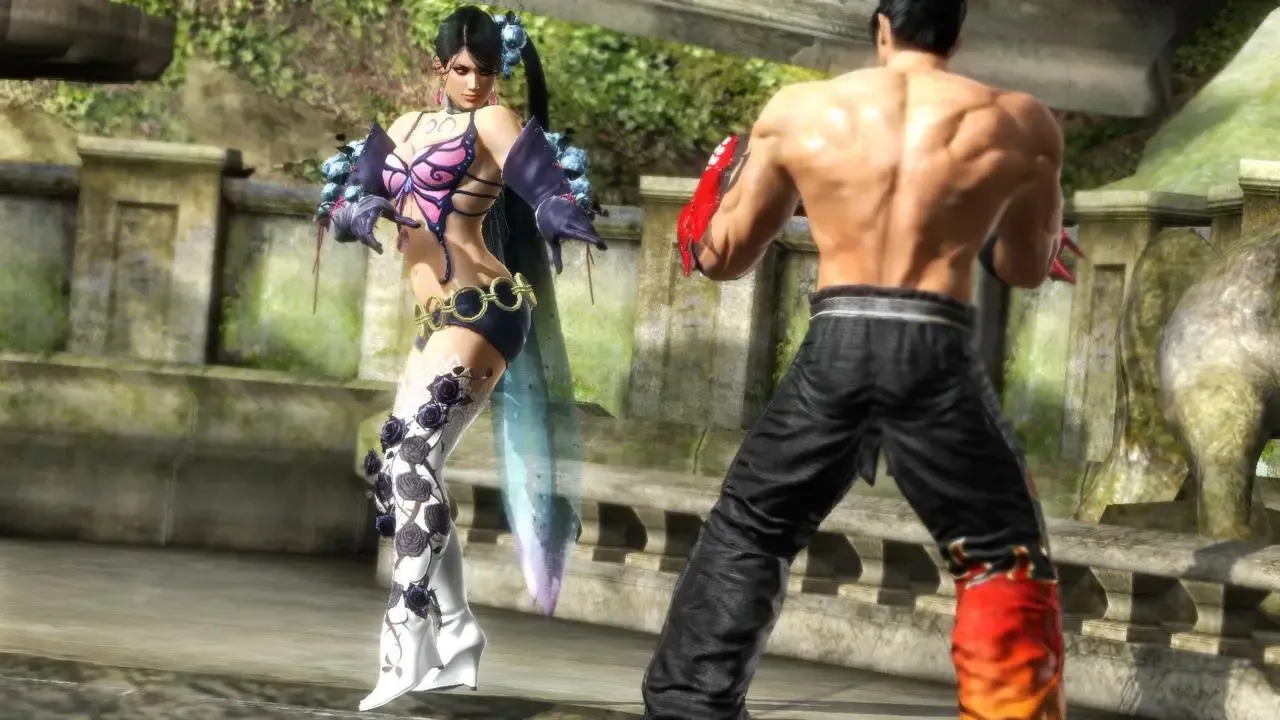
Tekken 6: Bloodline Rebellion is an update to Tekken 6. It features new characters, stages, items and customization options. It also gives the game a balance update from characters and items. It was released to Japanese arcades on December 18, 2008, and the console version of Tekken 6 is based on this arcade version. This new version features two new characters: Alisa Bosconovitch, an android with jet wings and spinning limbs who was built in the image of Dr. Bosconovitch's deceased daughter, and Lars Alexandersson, an unknown descendant of Heihachi Mishima and leader of a rebellious Tekken Force faction fighting Jin's tyranny. A number of new items and customization options are featured in this expansion. The game also features all-new CG character art, just as there was a change in art from Tekken 5 to Tekken 5: Dark Resurrection. Upgrade kits were also available for owners of original Tekken 6 machines.
Part of collection:
Tekken
(last 3 games)
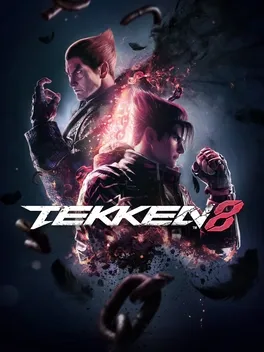
Tekken 8 is a 3D fighting game and the eighth main installment in the Tekken series, notable for being the first entry to debut on home consoles rather than in arcades. Built on Unreal Engine 5, the game introduces the "Heat" system, which rewards aggressive play by granting enhanced moves and chip damage while in an activated state, and replaces the prior "Screw" mechanic with "Tornado" hits. The game features crossplay across PlayStation 5, Windows, and Xbox Series X/S. Additional modes include Arcade Quest, an online lobby with customizable avatars and tournament play, and a cinematic story mode. It is the final Tekken game involving longtime series director Katsuhiro Harada before his departure from Bandai Namco.
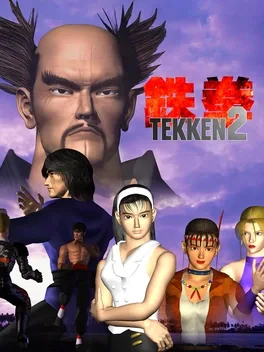
A port of Tekken 2, enhanced with up-rendering, rewind, quick save, and custom video filters. The game was originally released on PlayStation and added more content to the original arcade game, such as new characters and additional game modes.
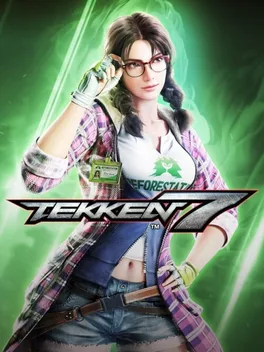
Julia Chang, top spokeswoman for her great reforestation program, has joined the fray! Dazzle and overwhelm your opponents with her powerful fighting style based on Xin Yi Liu He Quan and Baji Quan!
Part of franchise:
Tekken
(last 3 games)
Tekken 8 is a 3D fighting game and the eighth main installment in the Tekken series, notable for being the first entry to debut on home consoles rather than in arcades. Built on Unreal Engine 5, the game introduces the "Heat" system, which rewards aggressive play by granting enhanced moves and chip damage while in an activated state, and replaces the prior "Screw" mechanic with "Tornado" hits. The game features crossplay across PlayStation 5, Windows, and Xbox Series X/S. Additional modes include Arcade Quest, an online lobby with customizable avatars and tournament play, and a cinematic story mode. It is the final Tekken game involving longtime series director Katsuhiro Harada before his departure from Bandai Namco.
A port of Tekken 2, enhanced with up-rendering, rewind, quick save, and custom video filters. The game was originally released on PlayStation and added more content to the original arcade game, such as new characters and additional game modes.
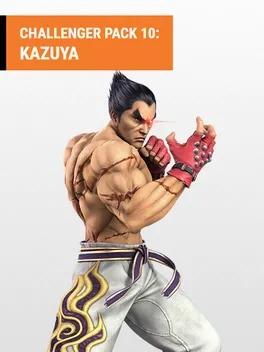
From the Tekken series, Kazuya Mishima brings his demonic DNA into the fray as a DLC fighter in the Super Smash Bros. Ultimate game. Kazuya’s fighting style captures the distinct style of the Tekken series as he gets up close and personal with heavy strikes and incredible comeback power. His specials tap into his Devil Gene with moves like the beam-shooting Devil Blaster and high-flying Devil Wings. The son of Tekken icon Heihachi Mishima, Kazuya has a chip on his shoulder and destructive power. What makes Kazuya Mishima unique in this game are his standard attacks—rather than 4 directional standard attacks, he has 8. This addition of diagonal inputs mimics his abilities in the Tekken games and make him an unpredictable fighter with a lot of combo options. The stage added with this fighter is the Mishima Dojo, which starts out with all four directions closed off. A strong launch or direct attack can shatter the walls and ceilings, allowing for opponents to get KO’d.
Could be interesting
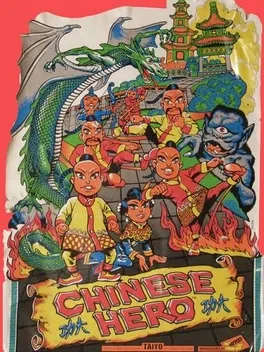
Chinese Hero is an arcade action game developed by Nihon Game (now Culture Brain) and published by Taiyo System in October 1984. Chinese Hero is the first game in the Super Chinese series by Culture Brain. It was ported to the Nintendo Entertainment System as Kung Fu Heroes in Japan by the company Nihon Game in 1986 and was released in North America in 1989. Kung-Fu Heroes features an overhead view and up to two players may play simultaneously. It is a direct port of the earlier arcade game Chinese Hero developed by Nihon Game at the time the company was involved in the coin-up industry. Kung-Fu Heroes is an NES port of Chinese Hero, and unlike other titles in the series, it does not incorporate any role-playing video game elements in the gameplay.
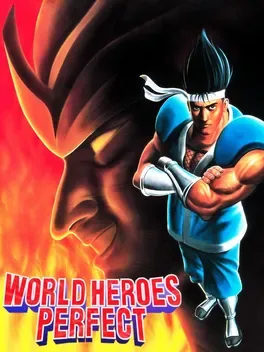
One year after both the conclusion of the World Heroes Battle Fest and the defeat of Zeus, invitations has been sent to the 16 fighters by Dr. Brown, informing them of a new World Heroes tournament that'll help finally settle the question of who's the strongest fighter in history. With the 16 fighters preparing themselves in order to finally determine on who's the strongest fighter in history, Zeus seeks to gain his revenge against those who had caused his downfall, but little does Zeus and the rest of the fighters know and realize that an old enemy from the past is also back and that he too has his own personal desire for revenge as well.
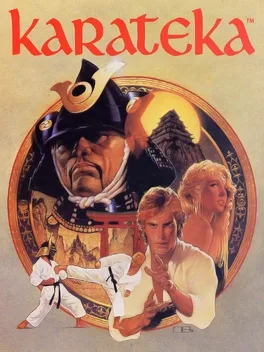
Karateka is a 1984 beat'em up video game by Jordan Mechner, and was his first game created while attending Yale University. It was originally programmed for the Apple II, and was later ported to several other home computers and early gaming consoles. The game was published in North America by Brøderbund, and in Europe by Ariolasoft. The player controls an unnamed protagonist who is attempting to rescue his love interest, the Princess Mariko, from Akuma's castle fortress. The game exhibits a combination of a side-scrolling platform and fighting game elements. The player uses punches and kicks to defeat Akuma and his guards and make his way deeper into the fortress. The game, as with most at the time of development, lacked checkpoints or the ability to save the game, making it a challenge to complete in a single sitting. Karateka has been well-received, particularly for its realistic animations used for the game's characters. The game was considered a breakthrough success for Mechner, and would eventually result in his development of the Prince of Persia franchise. A high-definition remake, spearheaded by Mechner, was released as a downloadable title for the Xbox 360, Microsoft Windows, PlayStation 3, with planned ports for the iOS and Wii U systems.

Dead or Alive is a 1996 arcade fighting game by Tecmo for the Sega Model 2 (2A CRX and 2B CRX) arcade hardware and the first game in their Dead or Alive franchise. It was ported to the Sega Saturn in 1997. A limited edition was also released for the Saturn which came with an art book. An enhanced port including new characters was released for PlayStation, and later backported for arcade under the title "Dead or Alive++".

The unlikely combination of Def Jam recording artists and underground wrestling is the subject of this Electronic Arts release, which features the 3D likenesses of such musicians as Ludacris, Redman, DMX, Scarface, Ghostface Killa, Method Man, and more as playable characters. Developed by AKI Corporation, whose previous experience in the genre includes titles WWF No Mercy and WCW/NWO Revenge, Def Jam Vendetta offers an estimated 1,500 animations for each of the 45 included characters. A total of ten different venues are available, and one of the featured modes offers a storyline complete with soap opera-style drama to go along with the suplexes and body slams. Up to four players can compete in Single, Tag-Team, Handicap, or Battle Royale matches.
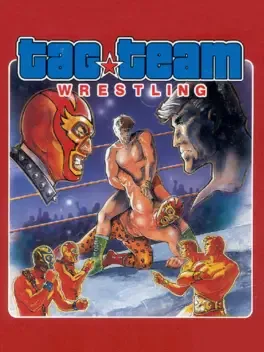
You are challenged to match the awesome skills of your opponents...to gain the Title in the World Super Championships of TAG TEAM WRESTLING Teamwork and stamina are the keys, as you and your partner battle your way through the Title Matches on your quest for the Belt. Attack your opponents with Body Slams, Drop Kicks, Backbreakers, Flying Head Butts, or even throwing them out of the ring! To win, its a pin for a count of three. Nothing can match the super excitement as the crowd cheers over this mania on the mat. Prepare yourself for Tag Team Wrestling!
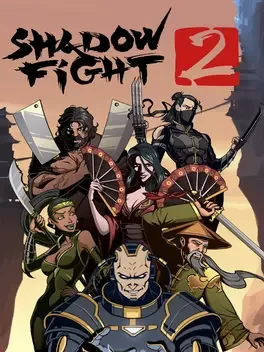
Walk through the Gates of Shadows into the dangerous world full of memorable fights and brave heroes. These lands are waiting for a risky adventurer to appear and save them from the oppression of a sinister invader from another dimension! Discover a thrilling mix of two world's most popular game genres - Fighting & RPG. Gather a huge arsenal of lethal weapons, combine your gear and upgrade dozens of skills and moves!
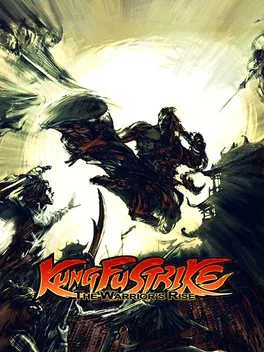
Taking its inspiration from ancient Chinese tales of revenge and retribution, then adding a dash of over-the-top martial arts and old school arcade fun, Kung Fu Strike features 28 stages of fast-paced combo-based fighting. Blend powerful punches, high kicks and perfectly timed blocks to pull off devastating combos, all thanks to a fluid combat system that turns brawling into an art form.
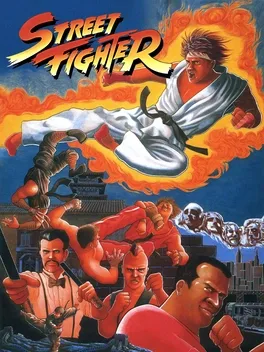
Street Fighter is the first fighting game produced by Capcom and the very first game in the Street Fighter series. While it did not achieve the same popularity as its sequels when it was first released, the original Street Fighter introduced some of the conventions made standard in later games such as attack buttons and special command-based techniques.
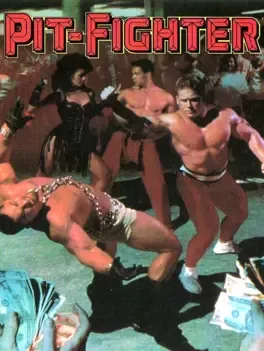
The gameplay is similar to Taito's Violence Fight and SNK's Street Smart. The player must jump, punch, and kick their opponent until his/her energy runs out. If the player presses all three of the buttons at a time, the character will perform a "super move". The player begins Pit-Fighter by choosing one of the three playable characters, who all have different moves, speed, and power. In the player select screen in the arcade version, each player has a color to select the fighters with: for player one it's blue, for player two it's red and for player three it's yellow. As many as three people can play at a time, but there will be extra opponents to fight during any of this game's 15 different matches. Every third fight is a bonus round known as a Grudge Match.[1] In a Grudge Match, the player must fight against a CPU controlled clone of his or her fighter (if playing alone) or the other players in a multiplayer game. Getting knocked down three times eliminates a player from the Grudge Match, the winner is the last man standing. Losing the Grudge Match does not eliminate a player, but the winner gets bonus money. The final battle, the "Championship Match", is between the player and the mysterious entity that taunts between matches every once in a while, the Masked Warrior. If more than one person is playing the game before this match, they must fight each other to the death until only one becomes victorious and can fight him. Sometimes during matches the player will come across foreign objects such as knives, crates, sticks, motorcycles, and bar stools that can be thrown at you or your opponent. The player may also come across a power-up known as the "power pill". If the player or the opponent grab this item, one will become temporarily stronger and take less damage from hits. At times even the crowd will interfere in the fights. Two characters, known as Knife Man (Milt Loper) and Knife Woman (Dianne Bertucci), will come out of the crowd and stab the player with their daggers. The player can take these nuisances out with one hit. Sometimes there is also a fat bearded man with a stick. If the player knocks him down, the player can take the stick and use it against the current opponent. The audience will also push any fighter that ends up among them, and stays there more than a few seconds. They will be forced back into the fighting area.