


Buy
Could be interesting
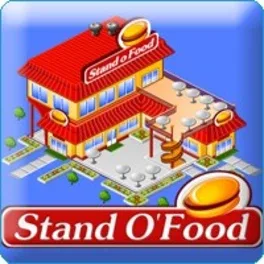
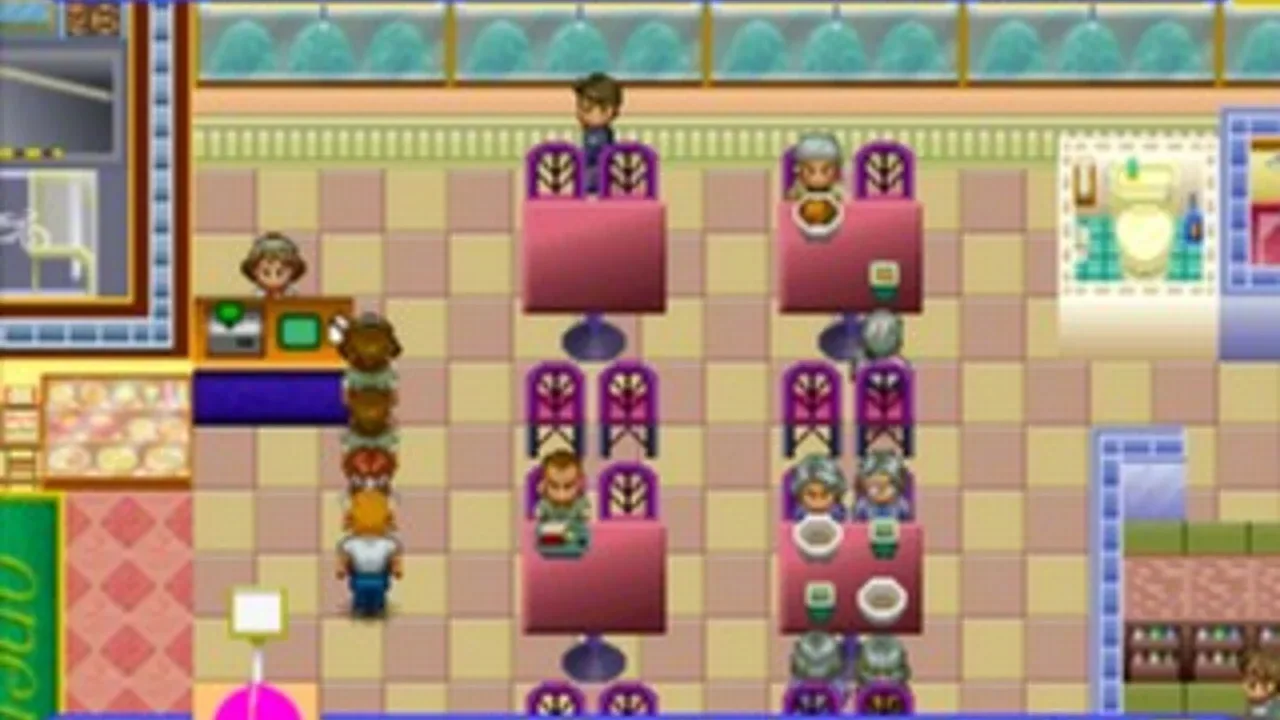
Stand o' Food challenges you to feed a host of hungry patrons before they leave in a huff!
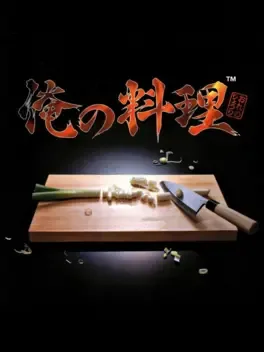
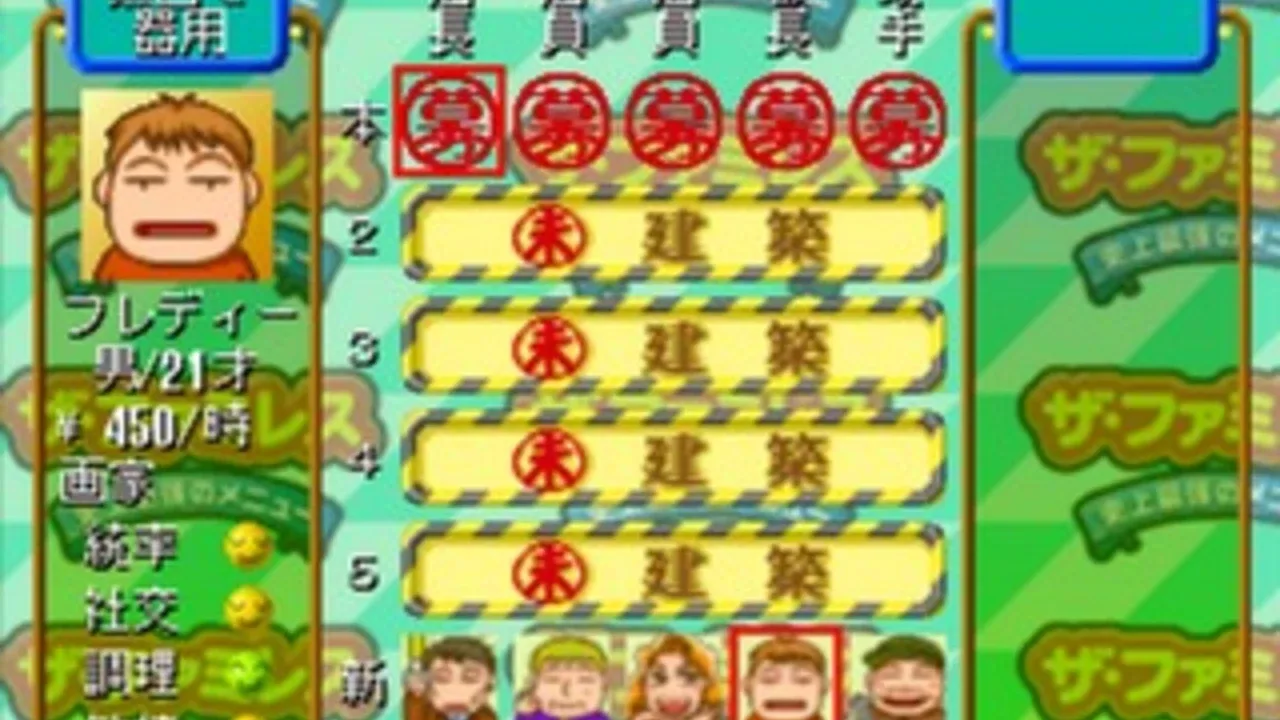
Ore no Ryouri was developed by Agenda and released by Sony for the original PlayStation. Players must successfully manage different types of restaurants, utilizing the DualShock's analog sticks to perform various tasks.
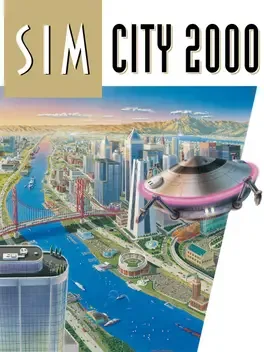
It has all the features, flexibility, art, animation, and power you need to create an environment of your dreams. Choose from a selection of bonus cities and scenarios to rule or ruin as you please. Build schools, libraries, hospitals, zoos, prisons, power plants, and much more... Lay down roads, railways, and highways. Explore the underground layer and build subways and utilities without compromising your aesthetics. Customize different buildings or design your own graphics sets from scratch. This is the ultimate classic Maxis city-building and management simulation. If this game were any more realistic, it'd be illegal to turn it off!
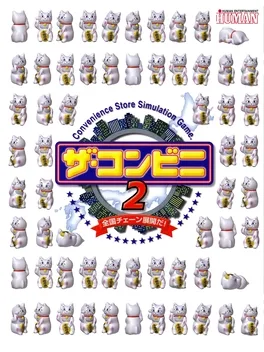
A convenience store simulation game.
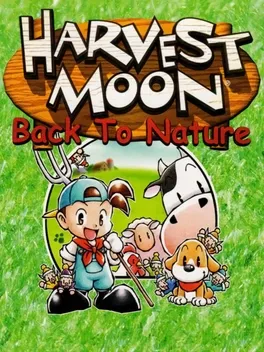
Natsume's farm simulation series makes its debut on the PlayStation with Harvest Moon: Back to Nature. It is the first Harvest Moon game for a non-Nintendo console. Starting with a few rudimentary implements and very little money, players begin the arduous task of reviving their grandfather's farm and thereby claiming their place as its rightful heir. Players are given three years to achieve this goal. A year consists of four seasons, each of which lasts 30 days. Different crops can be planted each season, but before the seeds can be planted, the land must be cleared and then the soil tilled. Seeds must also be watered until the fruit or vegetable matures. Once the crops are ready for harvest, they can be placed in a shipping bin where they'll be collected and paid for. In addition to farming, players will interact with local villagers and partake in seasonal events such as the Tomato Festival and Fireworks Display. As more money is earned, players can expand their farm and begin to raise livestock such as chickens and cows.
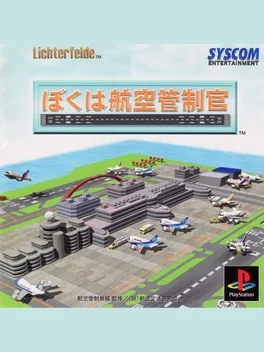
Boku wa Koukuu Kanseikan is a Strategy game, developed by Graphic Research and published by Tamsoft, which was released in Japan in 2001.
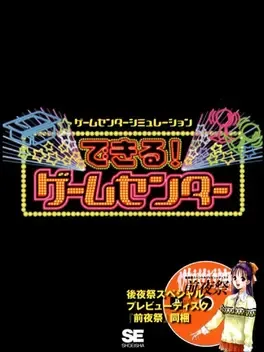
Simulation title where players can run their very own game center, with many parodies and homages of popular arcade titles.
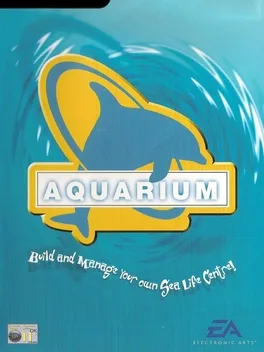
Theme Aquarium is a simulation video game in which the player creates and controls a sea life aquarium. It was originally released on 17 December 1998 for PlayStation only in Japan. The game was later ported to Microsoft Windows under the name Aquarium and was released in Europe. It was developed by Bullfrog production after the acquisition by Electronic Arts, since at the time Bullfrog was one of the most successful developer at breaching the Japanese market (with Populous and Theme Park). EA then decided to developed a Theme game exclusive to the Japanese Market. The western release did not have the Bullfrog branding.
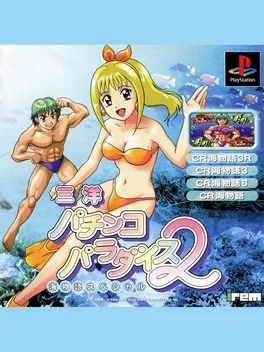
Pachinko Paradise 2 is the second title in Irem's long-running pachinko simulation series. It features reproductions of four pachinko machines made by Sanyo Bussan: CR Umi Monogatari 3R, CR Umi Monogatari 3, CR Umi Monogatari 6, and CR Umi Monogatari. There are two modes available: Tsūjō (Normal) mode allows the player to modify a wide range of settings for each machine, while Jissen (Battle) mode challenges the player to win as many balls as possible on the default settings with a limited starting pool and time limit. There is also a View mode where the various animations that play on the in-game display can be freely viewed. Unlike the previous title, there is no story mode.
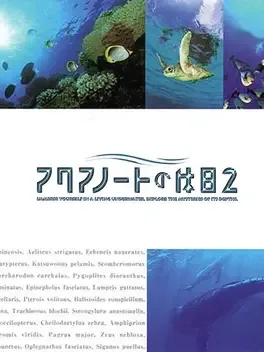
Aquanaut's Holiday 2 is the sequel to Aquanaut's Holiday. Like in its predecessor, the player takes control of a submersible in order to explore the sea depths and discover a variety of animal species. Contrary to the first game's only area, the sequel has many different areas following different themes to explore.