
The Last Blade: Beyond the Destiny


Buy
Part of collection:
The Last Blade
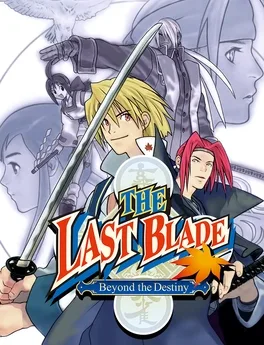
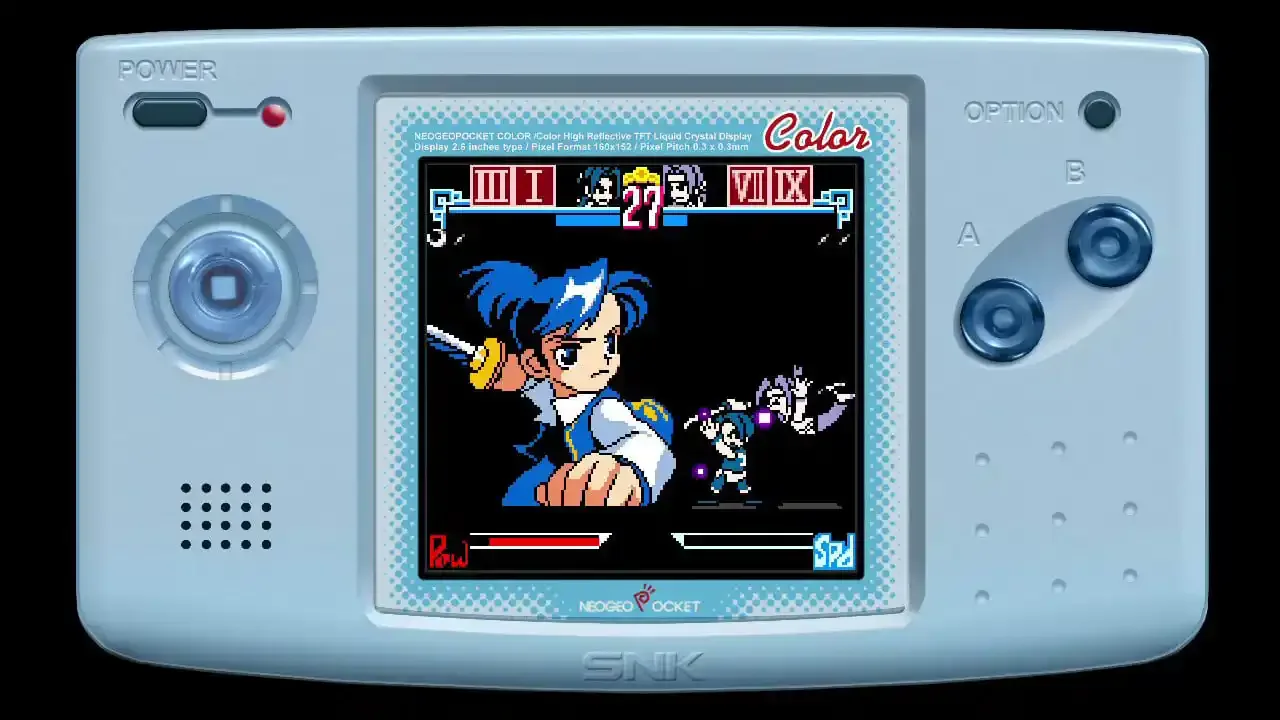
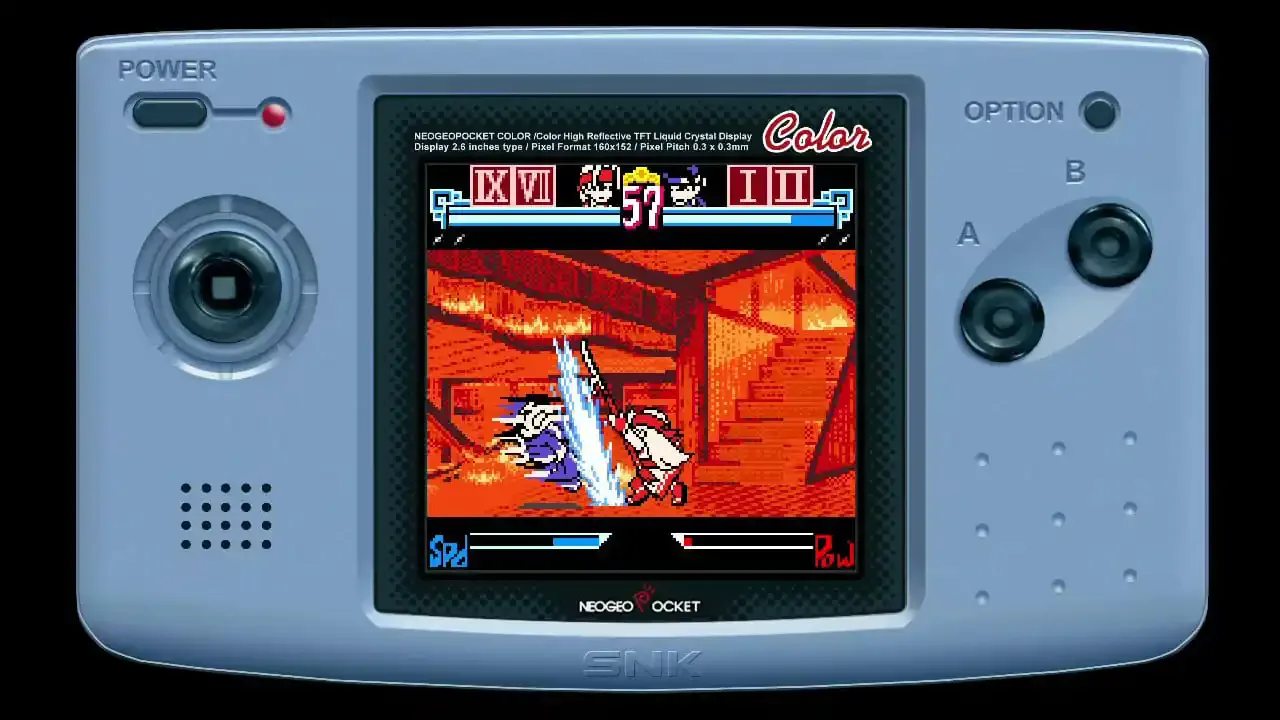
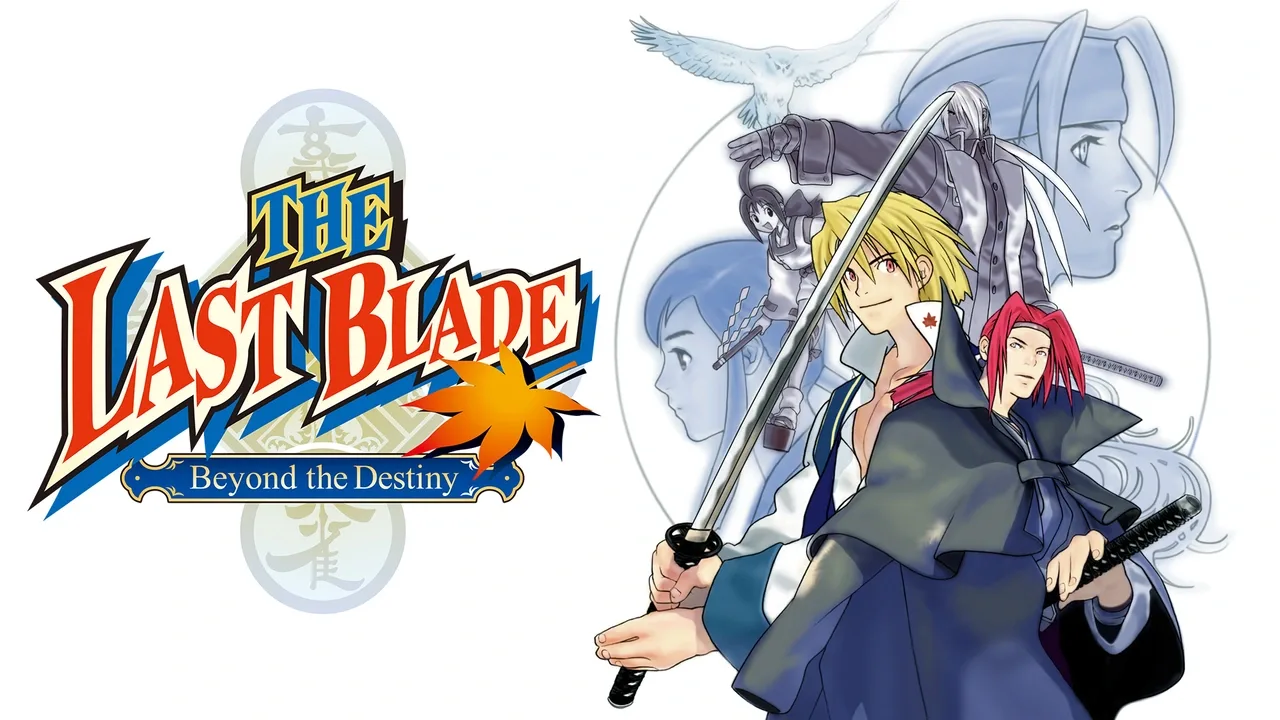
1863. History's hidden secret is revealed. During the age known as "Bakumatsu", 135 years ago, chaos rules! It's all yours: A new type of weapon fighting game in which Power and Speed weapons, in addition to various Repel moves can be used to experience a new sensation in video game thrills!
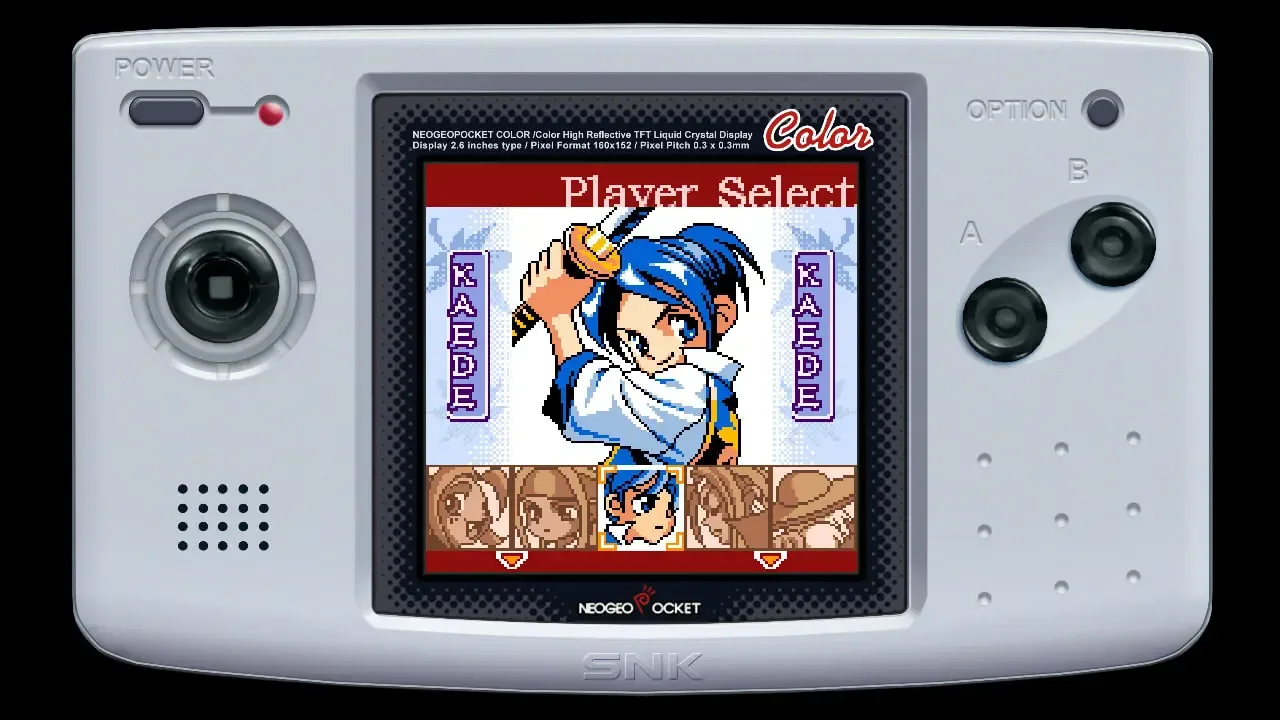
The Last Blade 2 is a 2D fighting game which features anime-style characters that fight each other with swords, clubs, and even fishing poles. These characters pull off their special moves with that 'quarter-circle-to-half-circle' and 'double-half-circle' controller motions, reminiscent of Street Fighter.
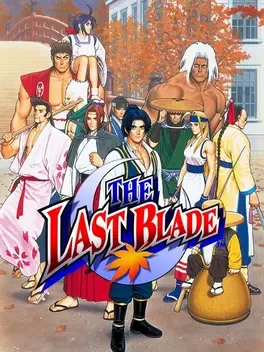
The Last Blade is a fighting game developed and published by SNK and released in arcades in 1997. It is set in a fictional version of late 19th-century Japan and features a roster of sword-wielding characters. The game uses a weapon-based combat system with selectable fighting styles that emphasize speed or power. Its presentation draws heavily on historical themes and traditional Japanese aesthetics.
Could be interesting
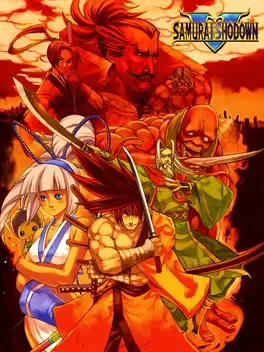
Samurai Shodown V brings back the classic side-scrolling action with a completely new storyline, new characters and new moves. A samurai's quest to prove himself against the Shogun leads to a gathering of the world's greatest warriors to compete for the right to be named the greatest.
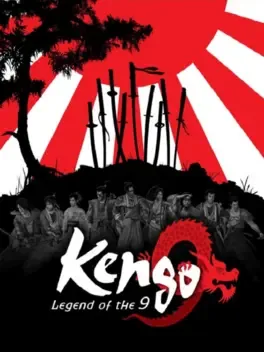
In feudal Japan, it was kill or be killed for the samurai. Kengo: Legend of the 9 lets you battle as one of nine famous samurai warriors while mastering expert techniques to gain an advantage over your foes. Become a Kengo Master as you fight your way through lush, high-definition Japanese environments.
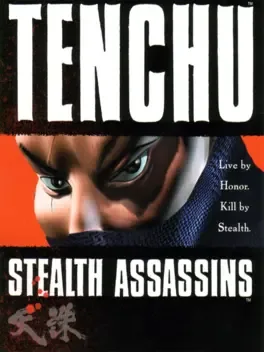
Tenchu: Stealth Assassins is an action-adventure stealth game developed by Acquire and published by Sony Music Entertainment Japan in Japan and Activision worldwide for the PlayStation in 1998. Tenchu is known for its stealth gameplay and the eerie settings of feudal Japan. Tenchu was one of the first ninja games to incorporate stealth, a very crucial aspect of ninjutsu. However, aside from featuring traditional martial arts in battles, the game incorporates elements of historical fantasy and Japanese mythology. The game also used motion capture, where actor/martial artist Sho Kosugi and his son Kane were hired as actors for the game's combat moves.
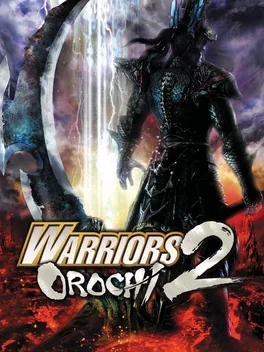
Warriors Orochi 2 is a 2008 video game developed by Koei (now Tecmo Koei) and Omega Force for the PlayStation 2. It is the sequel to Warriors Orochi, a crossover video game of the Dynasty Warriors and Samurai Warriors series. The game was released on September 23 in North America and September 19 in Europe. A version for the Xbox 360 was released on September 4, 2008 in Japan, and alongside the PS2 releases in North America and Europe. A PlayStation Portable version has been released in Japan, North America and Europe.
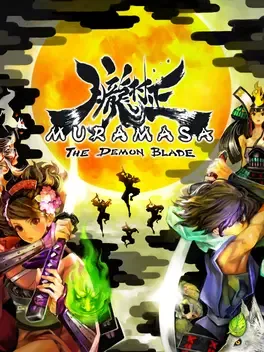
Based on ancient Japanese lore, Murumasa: The Demon Blade plunges players into the mystical Genroku era, ruled by the skilled shogun Tsunayoshi Tokogawa. But this culture is threatened; Tokugawa's thirst for power leads to a conflict over the enormously powerful, though cursed, Demon Blades. Used in hatred, drenched in blood, the cursed blades condemn those who use them to tragedy, madness, and untimely deaths. As chaos spreads, denizens from the netherworld breach their realm as these malevolent swords summon evil spirits -- and the Dragon and Demon Gods as well. Featuring hand-drawn 2D art reflecting the heritage and tone of the storyline, Muramasa: The Demon Blade transports players into a little known mythology, envisioned by the creators of the critically acclaimed Odin Sphere. Players take on the role of a male ninja or female kunoichi, utilizing their ninja prowess to traverse the clever side-scrolling levels that feature vertical progression as well as the traditional horizontal stage advancement.
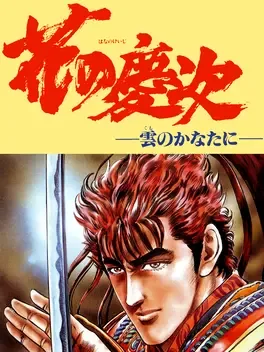
Hana no Keiji: Kumo no Kanata ni is a weapon-based versus fighting game based on the manga of the same title (created by Tetsuo Hara). There are two playable modes, in one you can follow the manga story, while in other you can fight against the computer or player two. There are eight different characters and scenarios to choose from. When following the manga story, there are different paths depending on the choice that the player makes. The most significant thing about the versus battle is that the characters can lose their weapons as much as recover them. Also, a special trick can be executed when the player has enough energy.
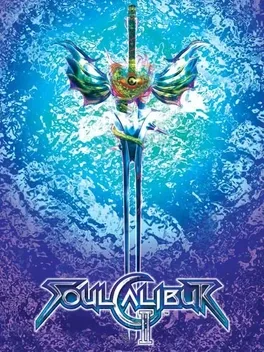
SoulCalibur II is the third installment in the Soul series and continues the tradition of his predecessors with improved graphics, new characters and new levels. A majority of the action takes place in Weapon Master mode where you have to choose a character and travel a set map to fight the many other warriors through different levels and challenges. Console ports were released, including guest characters from other franchises. The Arcade version has a unique mode called "Conquest Mode". This mode, which uses a name and password system to save data, allows the player to select one army among four. The player then fights against enemies in a series of eight 1-round battles, win or lose (the first seven are based on the player's rank, and the eighth is chosen by the player – this can only be interrupted by a Versus challenger.) After each round, the player earns EXP and can be promoted, and the game also rates the player in four categories: Soul, Power, Wisdom and Skill. The game also keeps track of which moves the player knows and uses most often. After the eight battles, territory control is updated and the player has the option to fight a bonus round against their character played by the AI.
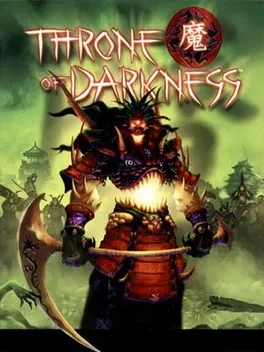
Japanese mythology and fast-paced multiplayer mayhem combine to make Throne of Darkness a must-have title for action oriented role-playing fans. Players will control a team of seven unique samurai against a massive single player experience or in online cooperative and competitive play modes. Guide your seven unique samurai as they seek to overthrow the evil that has overtaken the kingdom and avenge their slain Daimyo. From the gates of the clan citadel to the spire of the Dark Warlord's castle, you'll face more than 30 varieties of fantastic creatures from Japanese myth, including legions of undead warriors, fearsome demons, and giant dragons - all animated in breathtaking 16-bit color. Ten unique levels and dozens of side quests combine to create a truly original combat experience. Throne of Darkness introduces an innovative multi-character control interface that allows for the simultaneous command of up to four characters through a series of tactical "plays," or formations. Each play is designed to combine the unique strengths of each samurai - such as the ranged attacks of the archer and the two-sword technique of the berserker - into a distinct tactical advantage. Play calling allows for a high level of control and coordination between the player and computer-controlled samurai never before seen in the genre. In Throne of Darkness' multiplayer mode, up to 35 simultaneous players vie for the mantle of Dark Warlord in a king-of-the-hill style competition. Through competition and cooperation, four clans of seven samurai challenge the Dark Warlord, his seven lieutenants, and his countless minions, all of which can be controlled by a human player. Once the Dark Warlord is defeated, the conquering team becomes the new warlord.
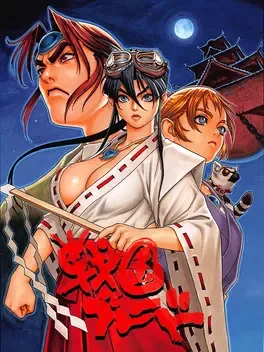
Sengoku Blade: Sengoku Ace Episode II, originally released in Japan as Tengai, is a horizontally scrolling shoot 'em up video game released for arcade machines in 1996 by Psikyo as a sequel to the 1993 shooter Sengoku Ace. It was later released as a part of Psikyo Shooting Collection Vol. 2: Sengoku Ace & Sengoku Blade for the PlayStation 2. The game is set in a historical fantasy version of the Sengoku period of Japanese history, featuring demons, magic and steam-powered robotics. It was followed by Sengoku Cannon: Sengoku Ace Episode III, released for the PlayStation Portable in 2005.

SoulCalibur is a weapon-based 3D fighting game developed by Project Soul and produced by Namco. It is the second game in the Soul series, preceded by Soul Edge (1996). Originally released in arcades in 1998, it ran on the Namco System 12 hardware. In 1999 it was ported to the Dreamcast with improved graphics and new features. The North American version was released in September 1999 as a launch title for the Dreamcast and was part of the successful launch of the new console. It became available as a downloadable title on Xbox 360's Xbox Live Marketplace in 2008. The title brought many innovations to the fighting game genre that include a heavy emphasis on weapons and a unique eight-way movement system. Soulcalibur is widely regarded as one of the best Dreamcast titles and is one of the most critically acclaimed fighting games of all time.