
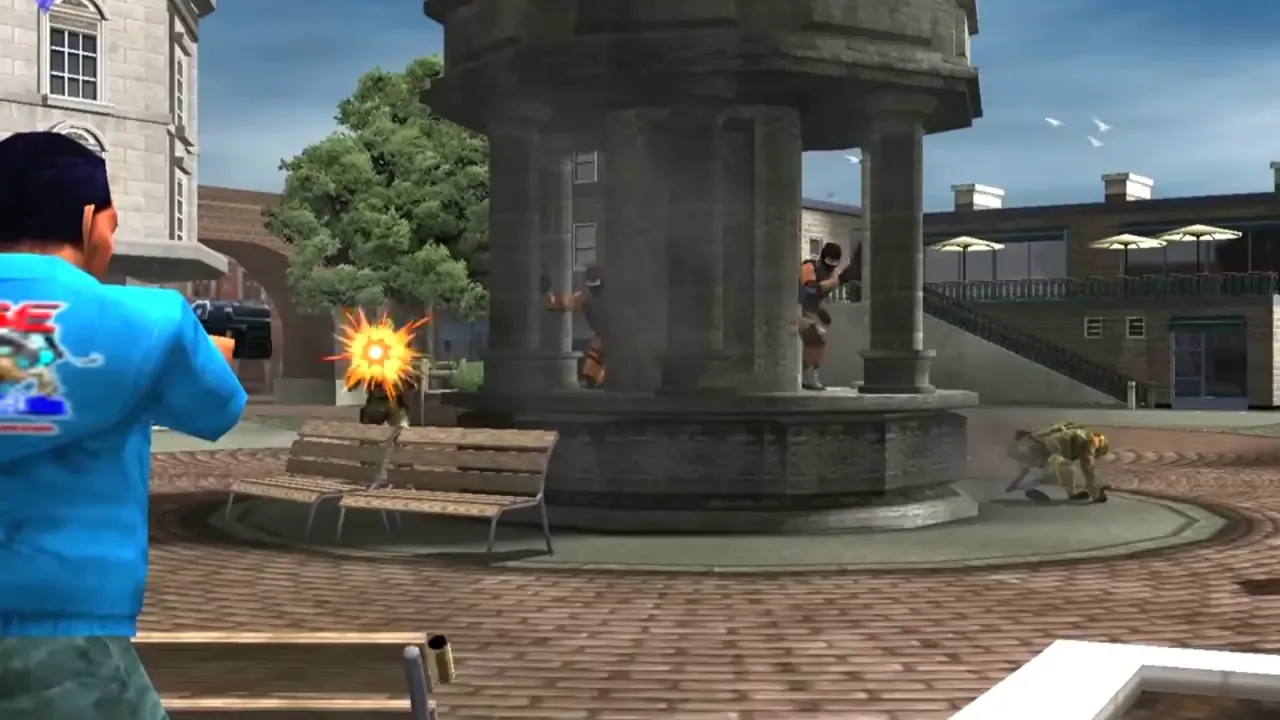
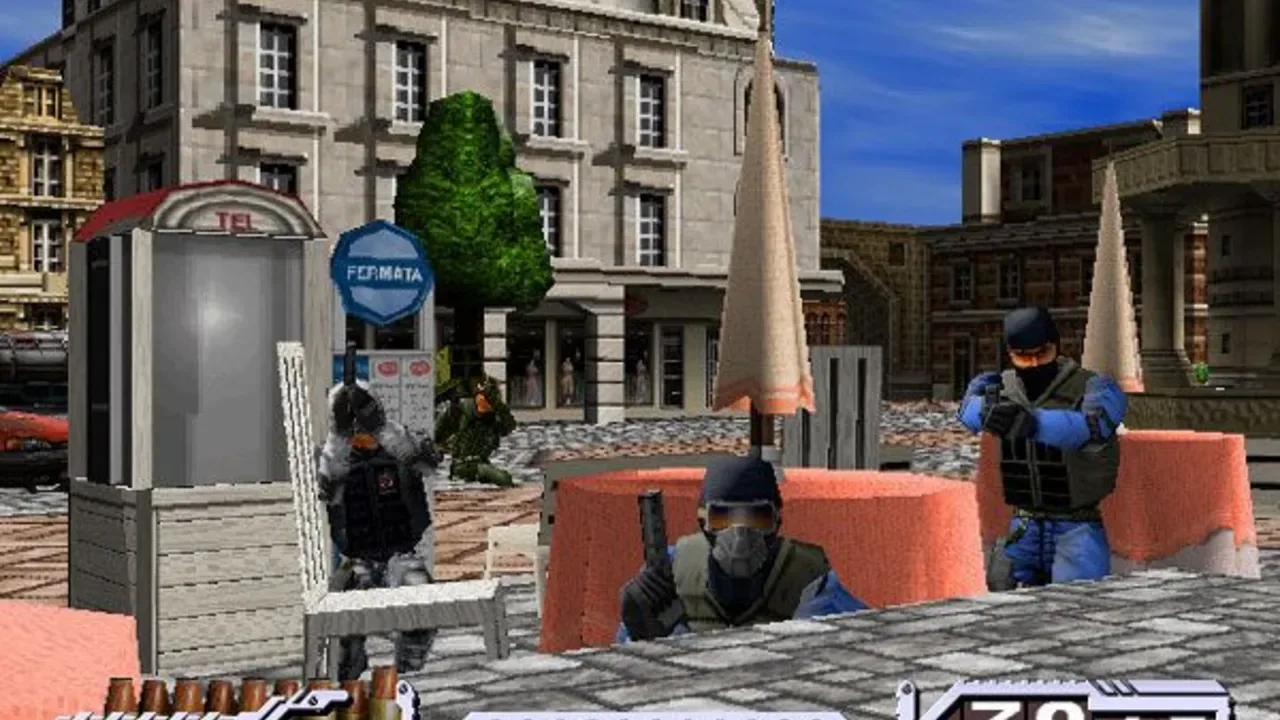
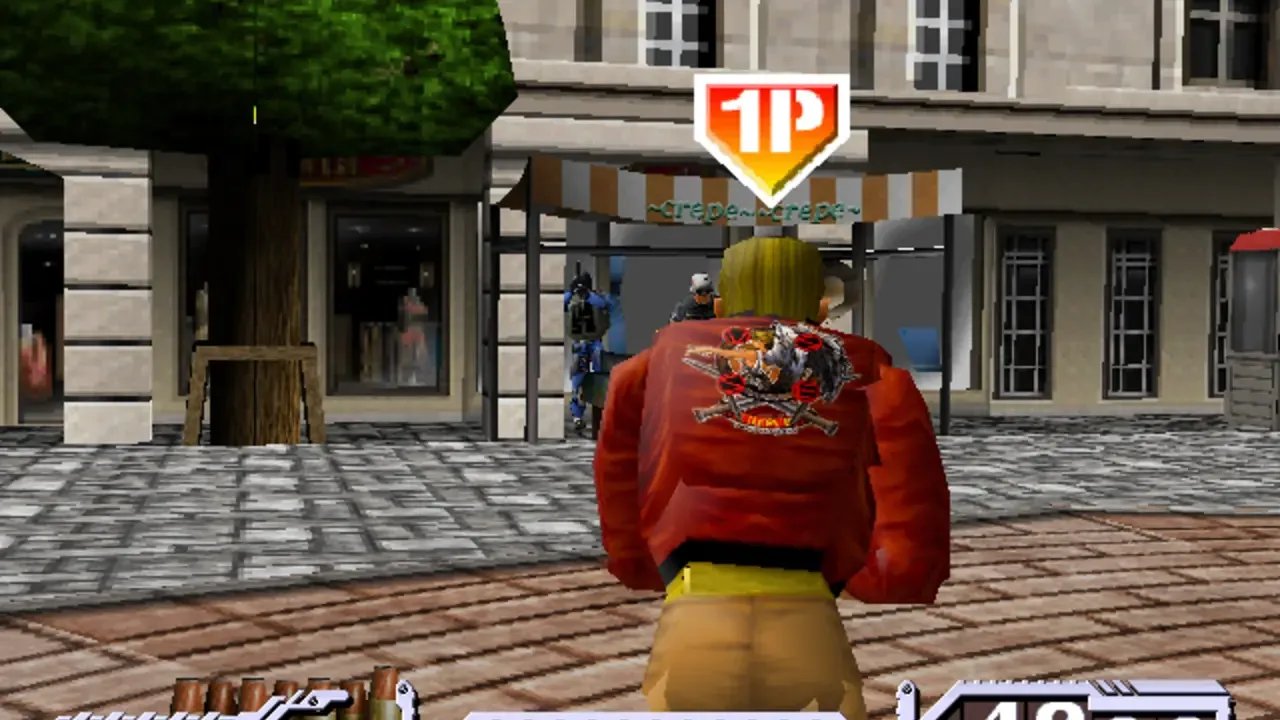
Time Crisis II


Buy
Part of collection:
Time Crisis
(last 3 games)
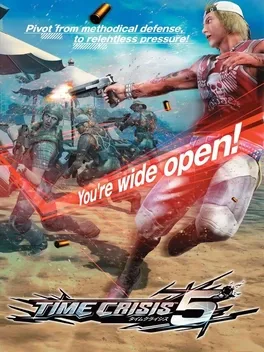
Namco's long-running light gun series returns to arcades with Time Crisis 5.
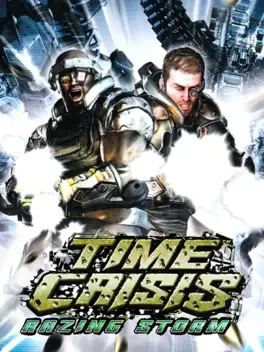
Time Crisis: Razing Storm, known in Japan as Big 3 Gun Shooting, is a compilation of light gun rail shooter video games by Namco for the PlayStation 3 home console. Featuring full compatibility with both the GunCon 3 light gun and the PlayStation Move motion control system, the compilation consists of ports of various arcade games. Developed by Nex Entertainment and published by Namco Bandai Games, the compilation was released in North America on October 19, 2010 and in Japan on October 21, 2010, which is the launch date of the PlayStation Move in Japan. It will also be released as part of a bundle with the PlayStation Move, PlayStation Eye and the Shooting attachment for the PlayStation Move in Japan and other Asian countries such as Singapore.

A unique Time Crisis game created for the iPhone, iPod touch and Android. It features touch screen aiming and uses the accelerometer to approximate the "cover pedal" of the arcade games.
Could be interesting
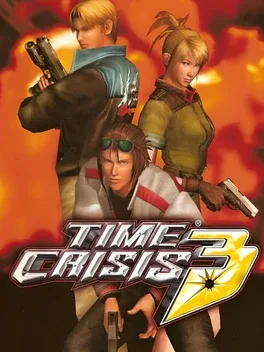
The third installment in Namco's light gun shooting franchise, Time Crisis 3 offers exciting, fast-paced shooting action by the world renowned VSSE agents as they fight to save an innocent nation from total annihilation. Choose from four weapons--machine gun, handgun, shotgun, and grenade-- to blast your way past enemies. Practice your sharpshooting skills in Sniper Combat and multiple gameplay modes. The game also includes multiple gameplay modes, a new playable character, and the original Time Crisis. It's time to warm up that trigger finger and step into the action.
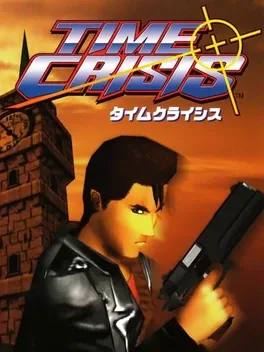
Time Crisis is a light gun shooter arcade game released by Namco in December 1995. It was later ported for the PlayStation in 1997, bundled with the Guncon light gun controller. Time Crisis is a three-dimensional first-person rail shooter similar to Virtua Cop and The House of the Dead installments, in which the player uses a light gun to fire at on-screen enemies. Time Crisis is best known for its cover system, in which players can duck behind cover to avoid enemy fire and reload their weapons. There are three stages, each consisting of three areas and a boss battle. The unique features are described below. A foot pedal that performs multiple functions: when the pedal is released, the player takes cover to conserve hit points while reloading the gun. While the pedal is released, the player cannot attack. In console conversions, a button command replicates the foot pedal's functions. The player loses a life if he/she is hit by a direct bullet or obstacle whilst not taking cover, with the game ending if he/she loses all lives. A light gun (introduced in Point Blank), which utilized a special memory chip to synchronize areas of the screen's image as the player rotated the gun around. The light gun also features a blowback function, which simulates real-life gun recoil. A countdown timer, recharged by clearing an area of enemies. As running down the clock causes an instant game over, the player must take risks, shooting enemies rapidly and hiding only when necessary. A time extension is rewarded when an area is passed, and there are also time bonuses awarded for shooting certain enemies quickly. The PlayStation port features an exclusive side-story mode, in which the player's performance, such as how quickly he can clear an area, affects the path he takes through the game, resulting in multiple possibilities.
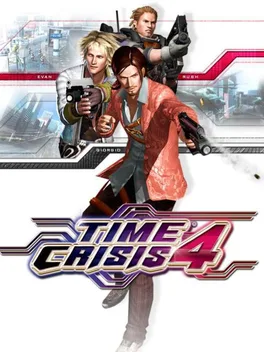
Time Crisis 4 is the fourth installment in the Time Crisis series which introduces new features to the cover-based light gun shooter gameplay engine of its predecessors alongside a new story and roster of characters.
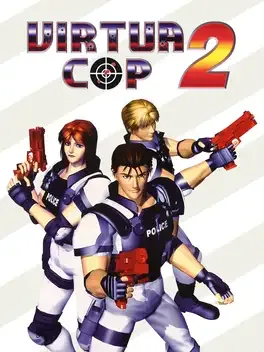
During the events of the first, the original Virtua Cops, Michael "Rage" Hardy and James "Smarty" Cools shut down the E.V.I.L Inc. criminal empire. Three of its leaders, King, Boss, and Kong are all in the maximum security federal pen. And the final, fourth member of the E.V.I.L Inc. gang, international terrorist Joe Fang is believed to have been killed in a helicopter crash, though his body was never found. After the downfall of E.V.I.L Inc., a comprehensive investigation of their black market and gun-running activities was launched in the Virtua City bank. Last year it looked as though the Virtua Squad had finally put an end to the E.V.I.L Syndicate’s reign of crime over Virtua City. The gangleaders were all either behind bars, in intensive care, or under 6 feet of dirt. And the Virtua City Police Special Investigations Unit got a new member in the shape of Janet Marshall, an expert in criminal psychology profiling. Then trouble started brewing in unlikely places.... The vice-president of the Virtua City Bank was killed in shady circumstances that were only officially termed "accidental". And the swollen accounts of the now-defunct E.V.I.L Syndicate, which he had been suspected of laundering, were emptied overnight. The missing funds amounted to more than the GNP of most small countries. Meanwhile, on the other side of town, alarms break the quiet and calm of the Virtua City air. A daring daylight raid on the biggest jeweler’s in the state! And at the site of the new subway construction, there’s been an unusual amount of unexplained activity involving some very suspicious-looking materiel. Looks like the E.V.I.L is reborn.
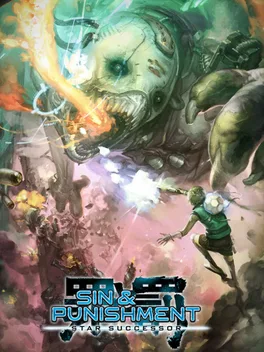
Sin & Punishment: Star Successor is an arcade style rail shooter that allows for a range of movement around the immediate level as the player is funneled along their path. Players can assume the role of either the male or female character, Isa and Kachi. Each can fight on the ground or in the sky with the right equipment, and utilize a diverse mix of evasive maneuvers, melee attacks in close quarters and unique special attacks. The world of Sin & Punishment: Star Successor is packed with enemies ranging from swarms of low to mid-level enemies to over-the-top bosses. In battling all these, players must use their particular mix of offensive and defensive skills to continually build point multiplier bonuses as they cash in on the enemies that they conquer. The game supports a variety of controller/controller configurations, two-player play and an online international leaderboard.
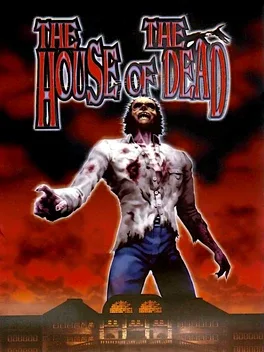
The House of the Dead is a first-person, light gun arcade game. Players assume the role of agents Thomas Rogan and "G" in their efforts to repel the dangerous, inhumane experiments of Dr. Curien, a madman.
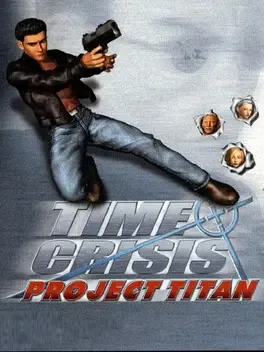
Project Titan features the same gameplay as the other Time Crisis games. It also retains the signature foot pedal. Players by default are in hiding position. They are shielded from taking fire, but they cannot fire back. In order to begin play, players must step on the pedal and begin firing. Stepping off the pad also allows the player to reload the gun. This game introduces the a new gameplay mechanic that allows the player to move to multiple fixed locations, which are activated by shooting yellow arrows while the player is hiding. This feature was later reused in the arcade version of Time Crisis 4.
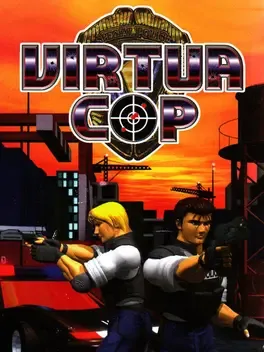
Players assume the role of police officers in a first-person perspective and use a light gun to shoot criminals and advance through the game, with penalties for shooting civilians. The players could also shoot powerups that grants him a weapon or a life. The weapon is lost if the player is hit, but not if he shoots a civilian. Virtua Cop was notable for its use of polygonal graphics, which were subsequently used in both House of the Dead and Time Crisis, instead of the two dimensional sprites that were popular for previous games in the same genre. It is also notable for being one of the first games to allow the player to shoot through glass. Its name derived from this graphical style, which was previously used in Virtua Fighter, Virtua Striker and Virtua Racing.
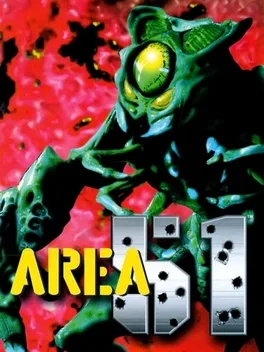
Area 51 is a light gun arcade game released by Atari Games. It takes its name from the Area 51 military facility.
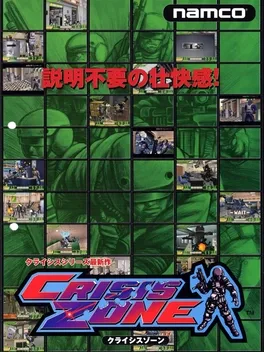
Crisis Zone is a light gun arcade game released by Namco in 1999, a spin-off of the Time Crisis series. As a feature, it handles a large machine gun type controller instead of a handgun like the conventional work. In 2004, the Playstation2 version was released with Guncon2 support.