
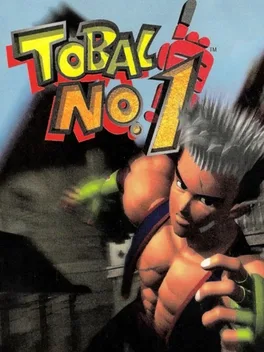
Tobal No. 1


Buy
Part of collection:
Tobal
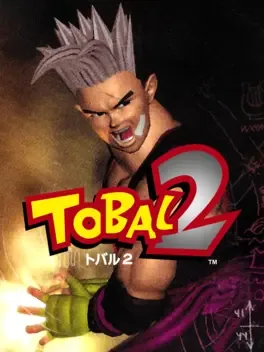
The fighting system in Tobal 2 is the same as in the previous game. The player can freely navigate 3D fighting arenas under the condition that he or she faces the opponent. High, medium, and low attacks can be executed using assigned buttons. As in Tobal No. 1, the grappling and blocking system offers the player a variety of offensive and defensive maneuvers. A new unblockable fireball attack has been added for each character. Tobal 2 was released on the same day as Sony's Dual Analog Controller in Japan, noted as the first game compatible with the peripheral. Graphically, the game features Gouraud shaded and higher-resolution character models compared to Tobal No. 1, but still runs at 60 frames per second.
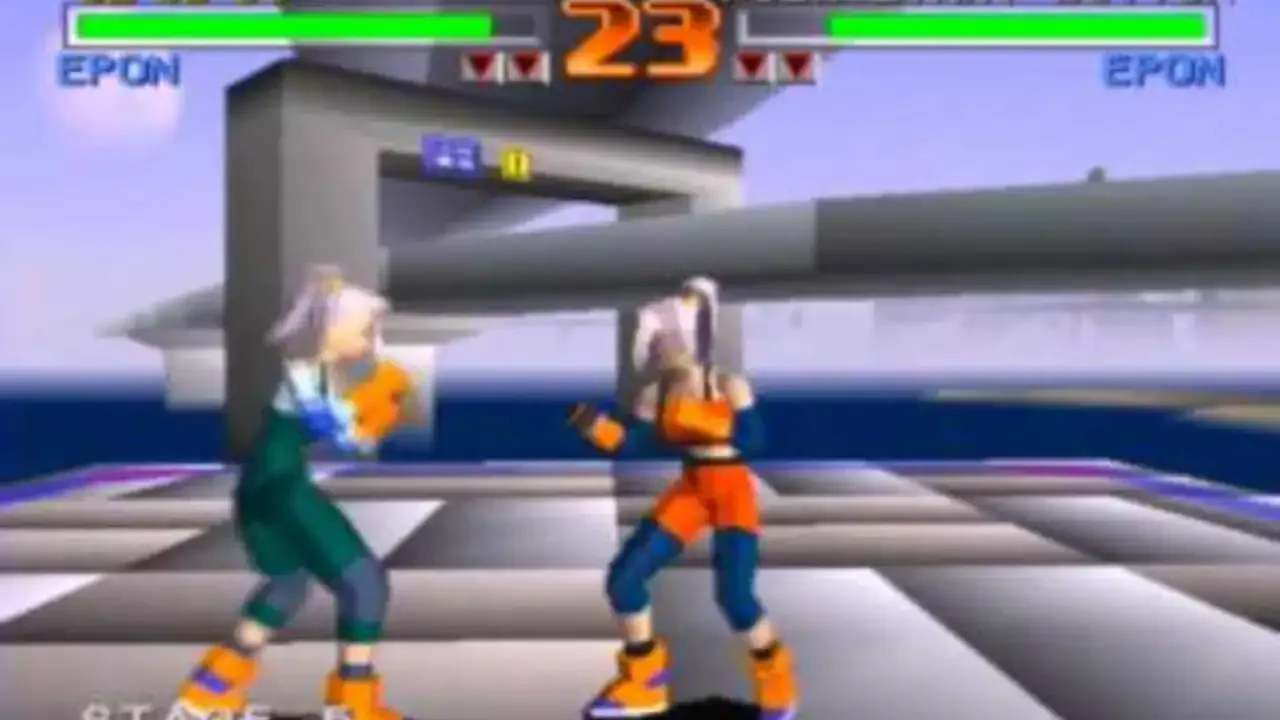
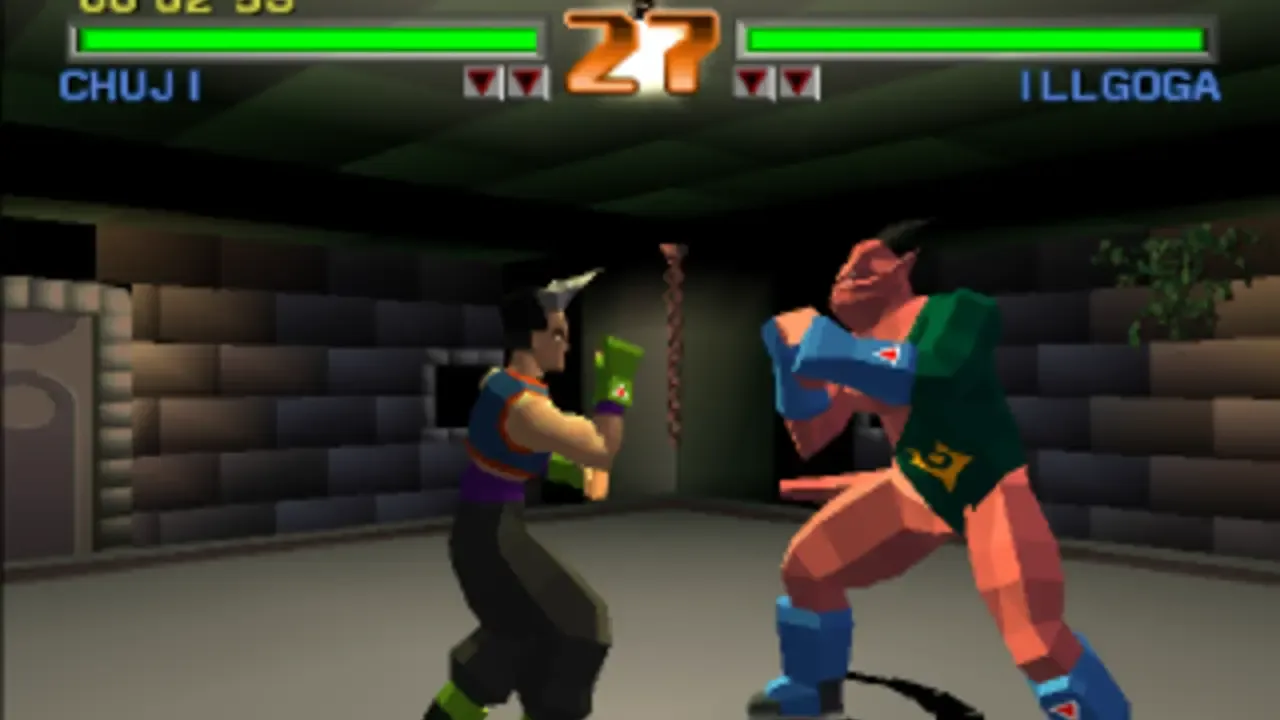
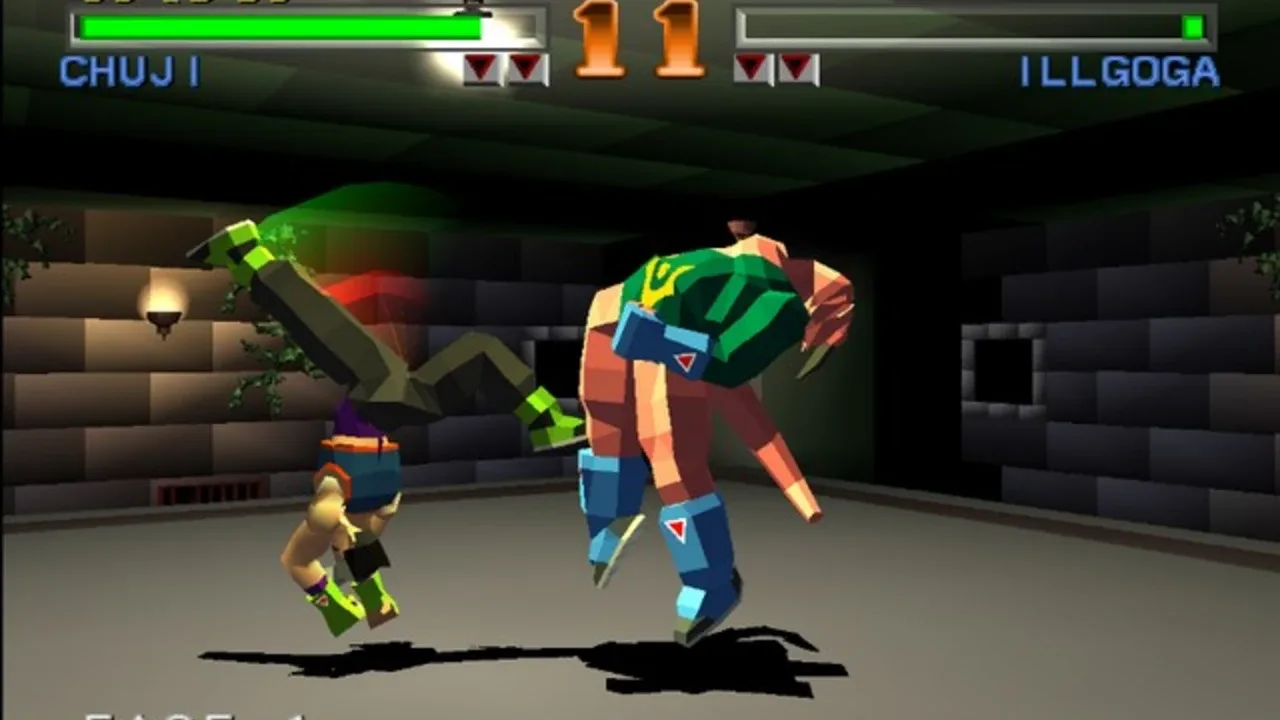
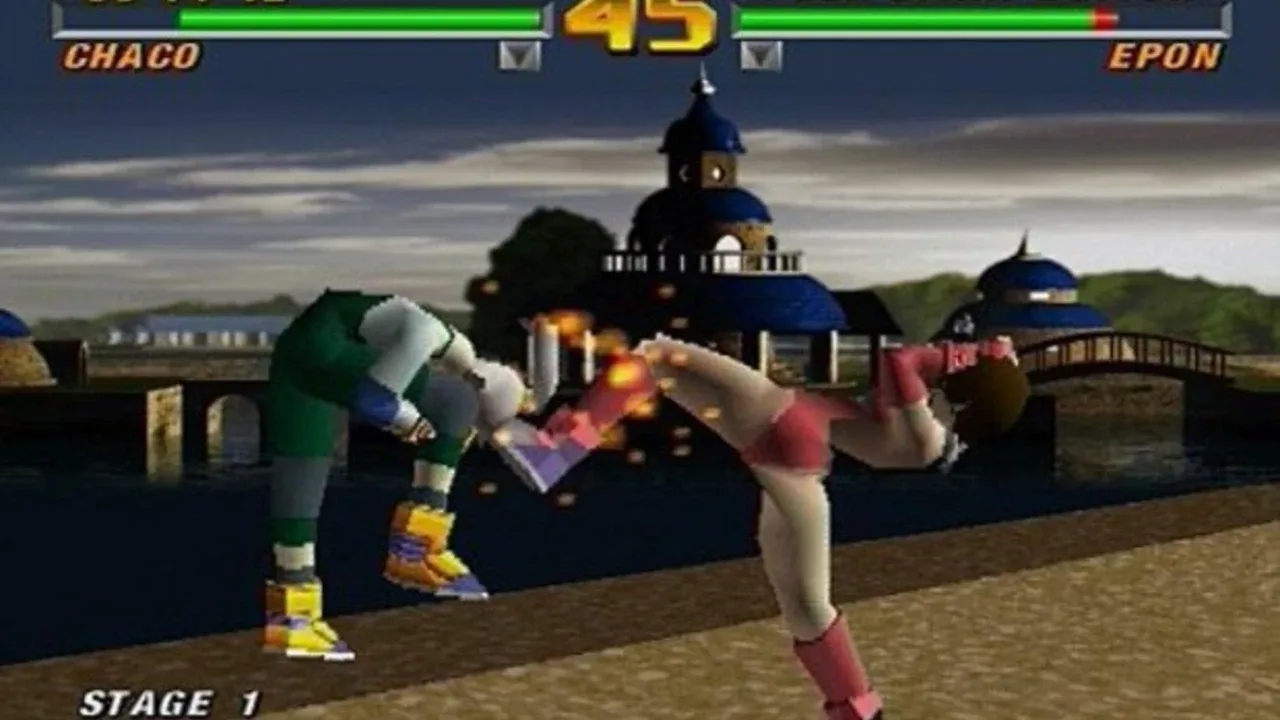
Fighting game with a unique quest mode, from Square. The publisher enlisted the help of Seiichi Ishii, who had previously worked on both Tekken and Virtua Fighter. On these strengths, Square helped Ishii start his own development company, Dream Factory, and Tobal No.1 is the first game from the developer. The game offers some 3D movement for more behind-the-back attacks that fighting games released around the same time. Tobal also introduced an interesting grapple move, which allows you to grab your opponent and, depending on your button execution, throw them in a myriad of ways. The game features Gouraud-shaded players displayed in hi-res mode (640x480) and shipped with an included Final Fantasy VII demo.
Could be interesting

Dead or Alive is a 1996 arcade fighting game by Tecmo for the Sega Model 2 (2A CRX and 2B CRX) arcade hardware and the first game in their Dead or Alive franchise. It was ported to the Sega Saturn in 1997. A limited edition was also released for the Saturn which came with an art book. An enhanced port including new characters was released for PlayStation, and later backported for arcade under the title "Dead or Alive++".
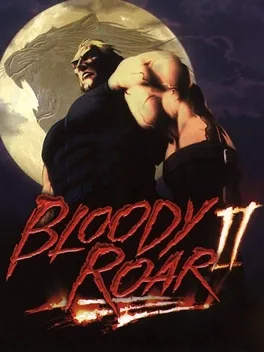
Bloody Roar 2, is a brawler arcade game developed by Eighting/Raizing in 1999. (Also known as Bloody Roar 2: Bringer of the New Age in Japan/Europe and Bloody Roar II: The New Breed in the United States.) Bloody Roar series differs from other fighting games as every character has a beast mode that can be used to use new attacks, recover some of lost health and generally to be faster and/or more powerful with their attacks.
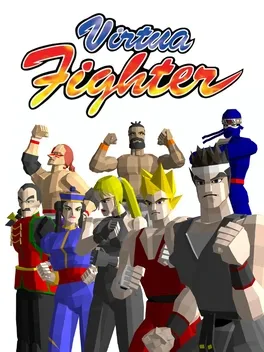
A classic fighting game by Sega, considered one of the first 3D fighting games.
The Synthesis of breathtaking 3D animation with the heart and soul of a 2D classic is now complete! A city lay in ruins as rival gangs are at war all vying for the chance to rule the underworld of Southtown. A small group destined to take the city back has established a meeting with the maniacal leader of the most powerful gang, "Mephistopheles". On one condition, to be in this meeting, one must prove themselves by defeating the greatest fighters in the world.
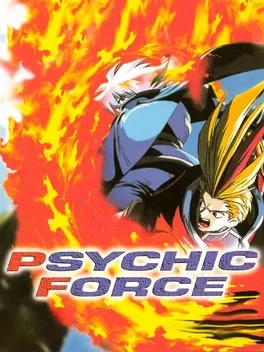
The plot of Psychic Force takes place in the year 2010, where selected individuals are blessed with the power of psychic abilities. All people imbued with this power are called "Psychiccers" and uses a specific element such as fire, light, wind, electricity, gravity, time, or ice in fighting. Psychiccers are shunned by normal people in general because of their unnatural abilities and that most cases turn violent and deadly from within sight. All of that changes one day when a mysterious Psychiccer organization known as NOA appears and offers Psychiccers a place from within their company. Headed by a young British Psychiccer man named Keith Evans, NOA seeks to create a perfect utopia for Psychiccers and that they'll eliminate anyone who tries to stand in their way. Challenging NOA's ambition is a small independent group known as Anti-NOA and that one of its members, a young American Psychiccer man named Burn Griffiths, seeks to confront and stop his old friend Keith from going through with his extreme plans of creating a Psychiccer-only world.

Bloody Roar, known as Bloody Roar: Hyper Beast Duel in Europe and Japan, is a fighting video game originally developed by Raizing (now Eighting) as an arcade game. It was later adapted for the PlayStation by Hudson Soft and published by Sony Computer Entertainment for the PlayStation. The arcade version was released on July 7, 1997 and was titled Beastorizer in North America. The PlayStation version was released in Japan on November 6, 1997, in North America (under the title Bloody Roar) on October 31, 1997 and in Europe on March 1998. Bloody Roar is the first game in the Bloody Roar video game series and was followed by four sequels on multiple platforms. The game's story centers on a group of warriors known as "zoanthropes", who have the power to transform into half-human half-animal "Beasts", and the Tylon Corporation, and underground organization that seeks to use zoanthropes as mind-controlled weapons. The game received generally positive reviews from critics for its originality and graphics, while the audio received mixed opinions. The game's success resulted in its re-release for The Best range on October 14, 1999. The game was re-released on the PlayStation Network in North America on August 20, 2009.
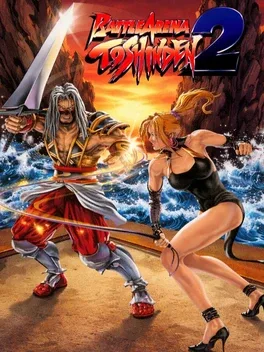
CHOOSE YOUR WEAPON…and do battle against the greatest warriors of the world! Each martial arts fighter has been personally selected to represent his/her special techniques and tactics in a winner-takes-all secret tournament that defies death. Your favorite characters are back in the arena with new moves and special attacks-Eiji, the master swordsman, Sofia and her deadly whip, and Mondo with his powerful spear! Two mysterious new contenders also join the battle with original moves and abilities that give them the chance to dominate the action! Learn brand new special moves, master the fight, and prepare for your day in Arena!
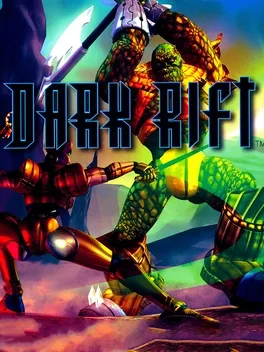
Dark Rift delivers hyper-active 3D fighting with a sci-fi theme! Compete against eight exotic and powerful characters and two very large bosses. Motion captured character animations enhance the realism. The arsenal includes multiple-hit combos, back-crunching grabs, juggles, projectiles, and punishing special moves. Tune into individual character stereo sound tracking. Fight in Tournament, 2-Player or Training modes.
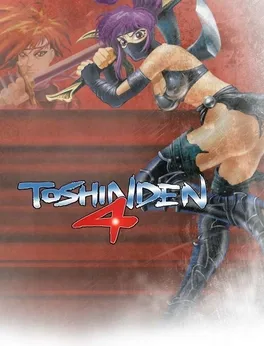
Battle Arena Toshinden 4 is a spectacular 3d combat tournament that goes beyond the limits in an all-out battle where reflexes, skills and timing are essential to defeat the many adversaries. Each bout is played within an incredible 3d location, with every move and counter attack displayed in stunning detail. Toshinden 4 blends a wealth of stunning showcase moves with all the traditional moves. The result is a free-flowing fight boasting cinematic visuals. New "overdrive" mode allows you to produce devastating combinations of moves and the innovative team battle mode creates a truly incredible battle royale.
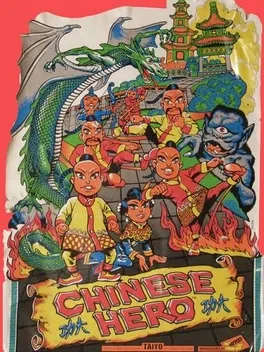
Chinese Hero is an arcade action game developed by Nihon Game (now Culture Brain) and published by Taiyo System in October 1984. Chinese Hero is the first game in the Super Chinese series by Culture Brain. It was ported to the Nintendo Entertainment System as Kung Fu Heroes in Japan by the company Nihon Game in 1986 and was released in North America in 1989. Kung-Fu Heroes features an overhead view and up to two players may play simultaneously. It is a direct port of the earlier arcade game Chinese Hero developed by Nihon Game at the time the company was involved in the coin-up industry. Kung-Fu Heroes is an NES port of Chinese Hero, and unlike other titles in the series, it does not incorporate any role-playing video game elements in the gameplay.