
Wheel of Fortune Puzzle Pop
Buy
Part of franchise:
Wheel of Fortune
(last 3 games)
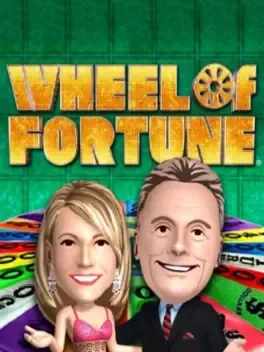
This is a DS game based on the popular game show of the same name.
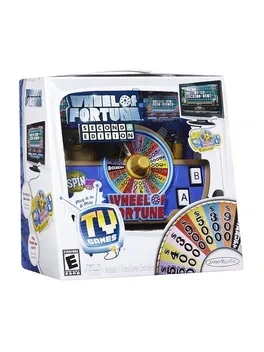
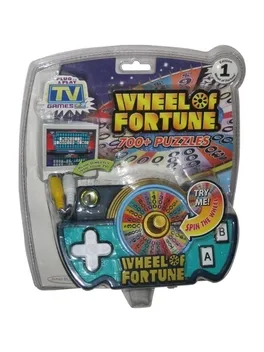
Wheel of Fortune is a TV game based upon the hit game show Wheel of Fortune. It was released in 2005 by Jakks Pacific. The game is just Wheel of Fortune but it features a spinning wheel. You can either spin with the wheel or press B for a random spin.
Could be interesting
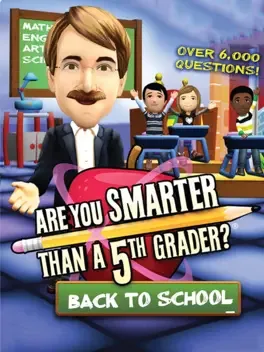
Are You Smarter Than a 5th Grader? Back to School is a trivia game based on the TV game show Are You Smarter Than a 5th Grader.
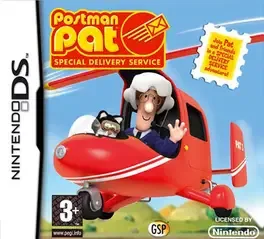
A hidden object game based on the English TV show.
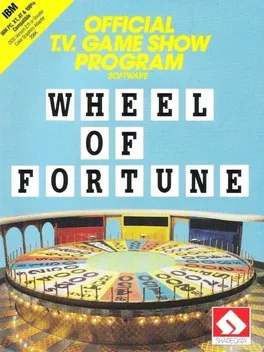
A very basic translation of the popular game show Wheel of Fortune, where you guess letters until you can guess the phrase. This CGA version has three old-school rounds of Wheel of Fortune (where the puzzles are simply "Phrase", "Title", "Person", etc.) and then a bonus round. You can compete against two computer players or up to three people can play against each other.
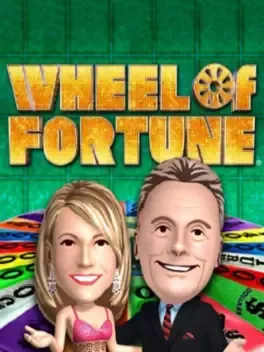
Spin the wheel along with Pat Sajak and Vanna White on the virtual version of America's Game!
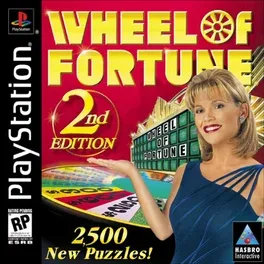
Wheel of Fortune: 2nd Edition is a Miscellaneous game, developed by Artech Studios and published by Hasbro Interactive, which was released in 2000.

No info
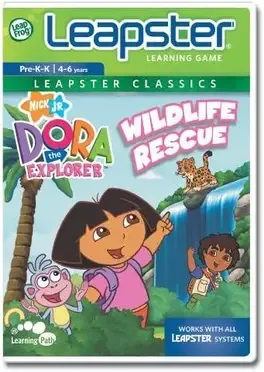
Dora the Explorer: Wildlife Rescue is a game for the Leapster
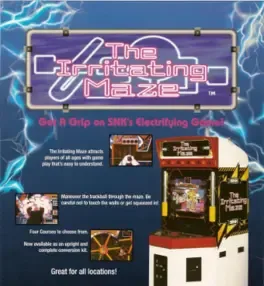
The Irritating Maze quite literally lives up to its name. It's a maze, of sorts, and it's one hell of an irritating game. In fact, it is one of the most irritating games that most will ever come across. But it does have its charms, namely its offbeat gameplay. The graphics are bright and colorful, with a lot of eye candy everywhere. Depending on your point of view, this may or may not be a good thing, as all that coloring and eye candy has been designed specifically to distract you from beating the level. All that glitter is isolated to the areas immediately surrounding the track, and if you look off the beaten path you'll notice that the graphics there are quite sparse and simplistic. The sound and music are passable, though not particularly good. The Irritating Maze's songs sound like generic puzzle game music and are generally pretty forgettable, but they do fit the game's mood. You'll hear an announcer's voice at certain points of the game telling you that you've passed a checkpoint or something like that. The announcer sounds reasonably excited, though if you listen you can hear a little bit of electronic fuzz distorting the voice clips. One sound clip stands out above the rest though, and that's the electric zap effect that plays when you lose. When this clip is combined with the associated graphics, the effect is literally shocking. One of the biggest reasons why the game is so irritating is that you have to control your character's conducting rod with a trackball. For most people, the trackball is not an ideal input device for precise control, especially when put under the stress of time limits. A digital joystick or D-pad would actually allow you to have more precise control, but then having to deal with unfamiliar controls is part of the "fun." At first you'll find the innovative gameplay to be a lot of fun, much like Marble Madness. But unlike Marble Madness, The Irritating Maze's gameplay gets old relatively quickly, and you'll find yourself not caring enough to give the level another go. The Irritating Maze is different enough to be entertaining for a couple of minutes but not quite polished enough to be a lot of fun for the long haul. Give it a quarter or two and see how you do.

Blockbusters is a British television game show based upon an American game show of the same name in which contestants answer trivia questions to complete a path across or down a game board of hexagons.
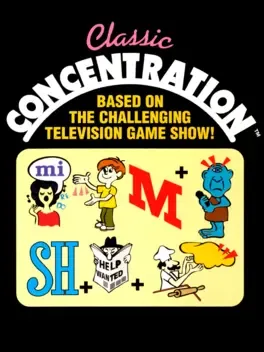
Concentration was a popular game show in the mid-to-late 1980s and this game was adapted from that television program. Two players can play against each other, or one person can play against a computer generated opponent. The answer to the puzzle is hidden by tiles. The tiles have words denoting game prizes ("Mexico", "Camera", "Telescope", for example) and your object is to find the two matching worded tiles. Exposing two at a time, your memory is taxed as more prize tiles are revealed and then covered over again. As more tiles are matched, the hidden puzzle is revealed. Solve the puzzle and you win the game.