
Willow


Buy
Part of franchise:
Willow
(last 3 games)
Ready. Set. Blitz! Collect and play with hundreds of Disney, Pixar and Star Wars emojis like never before in an exciting matching game! Play fast paced rounds of match-3 to earn prizes, complete missions, and discover new emojis. Collect Disney, Pixar and Star Wars emoji characters and items from The Little Mermaid, The Lion King, Cinderella, Zootopia, The Muppets, Disney|Pixar's Toy Story, Monsters, Inc., Finding Dory and more!
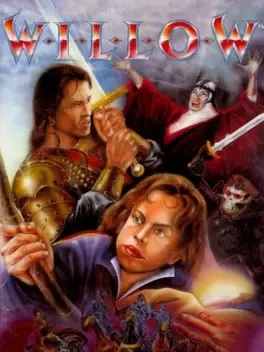
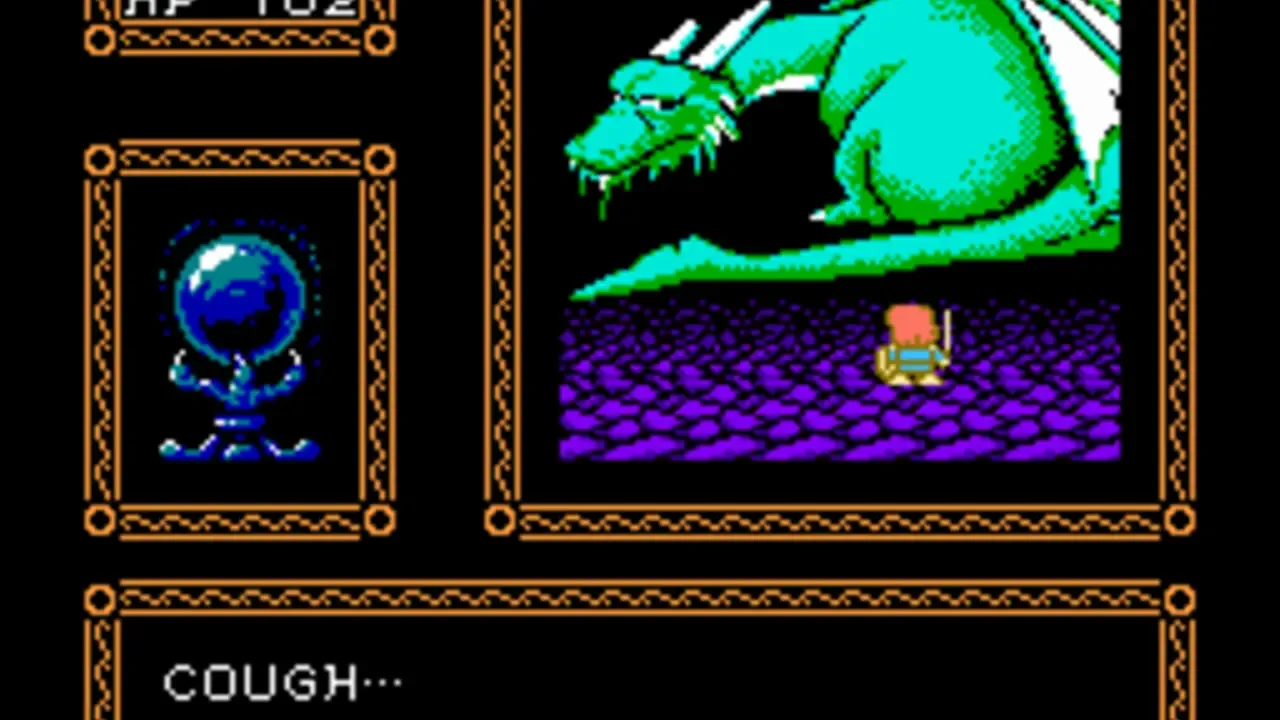
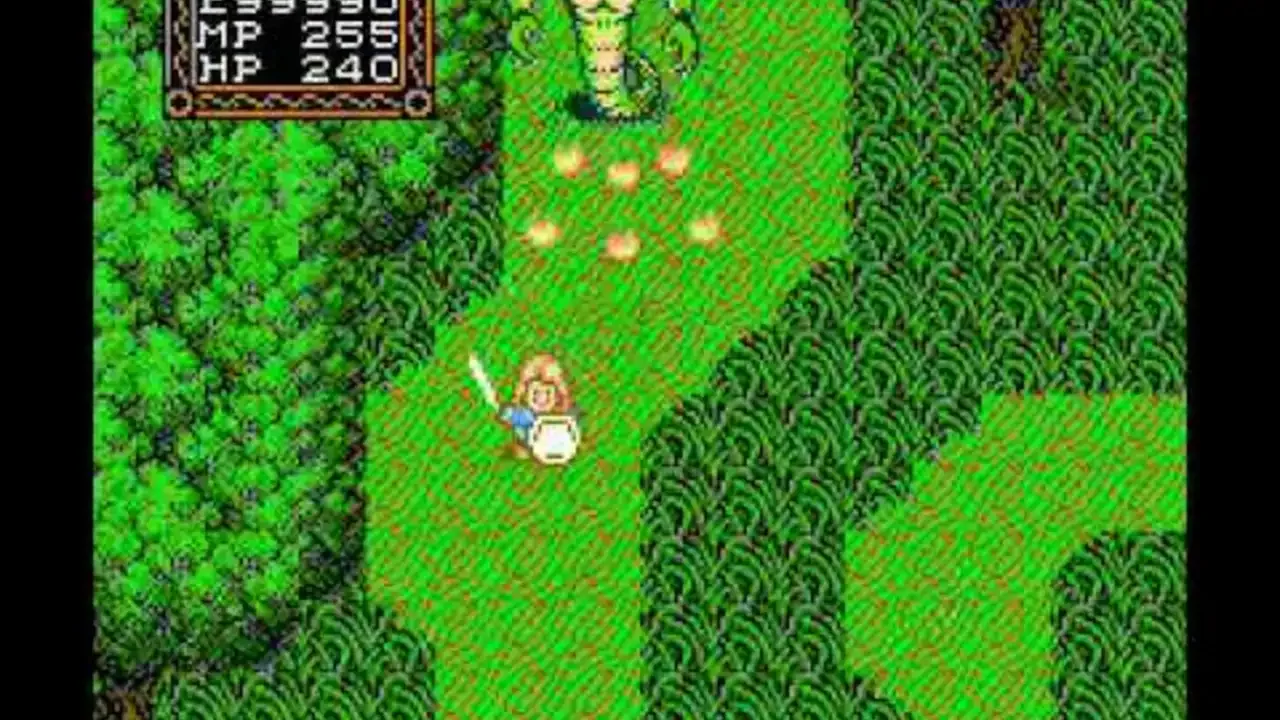
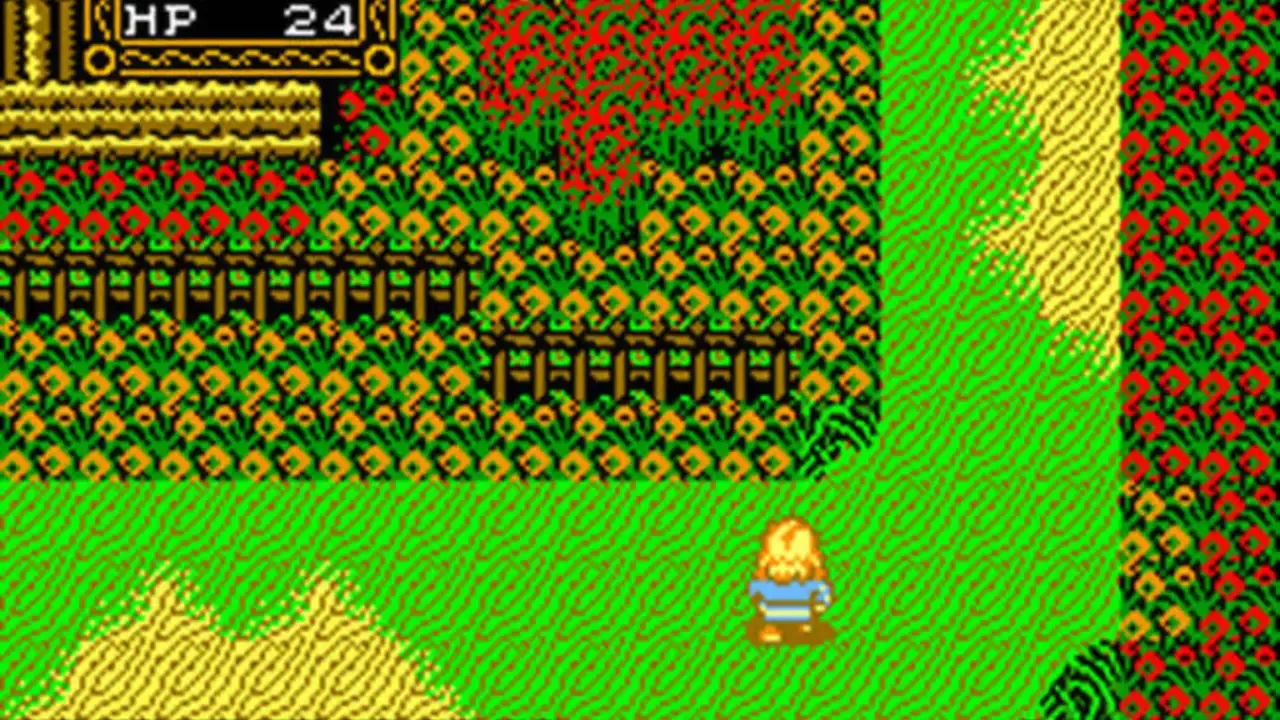
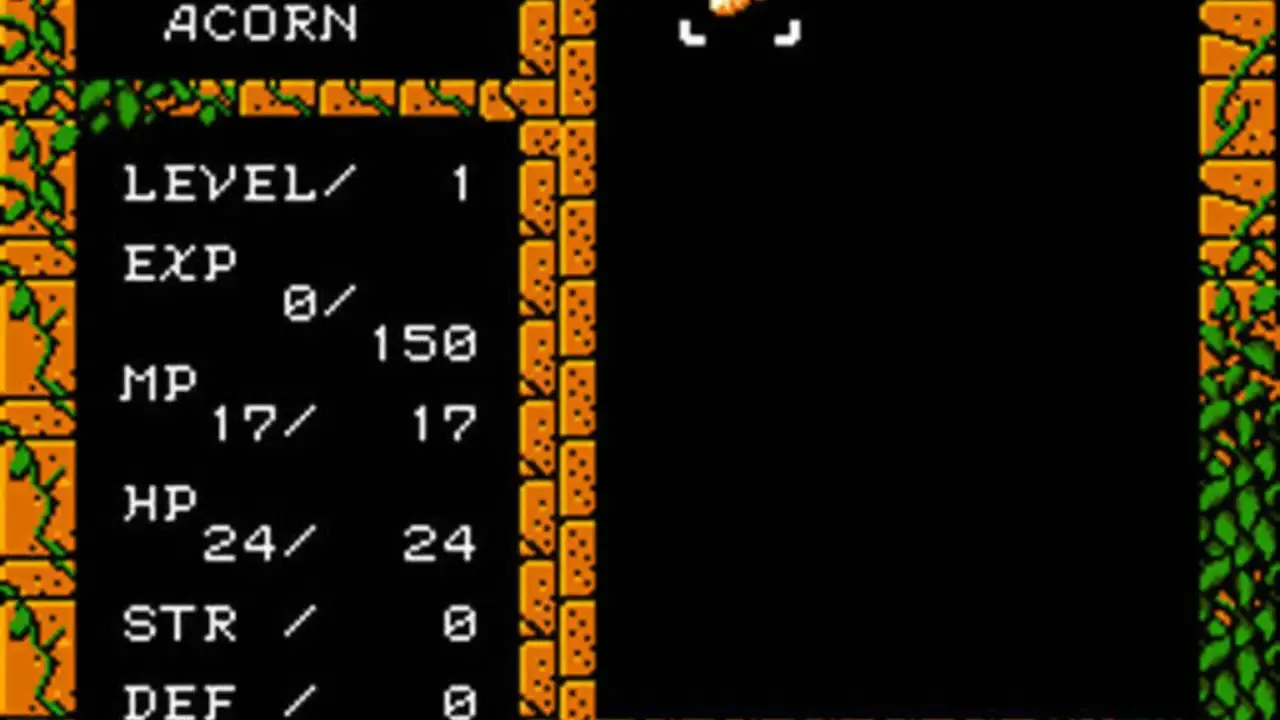
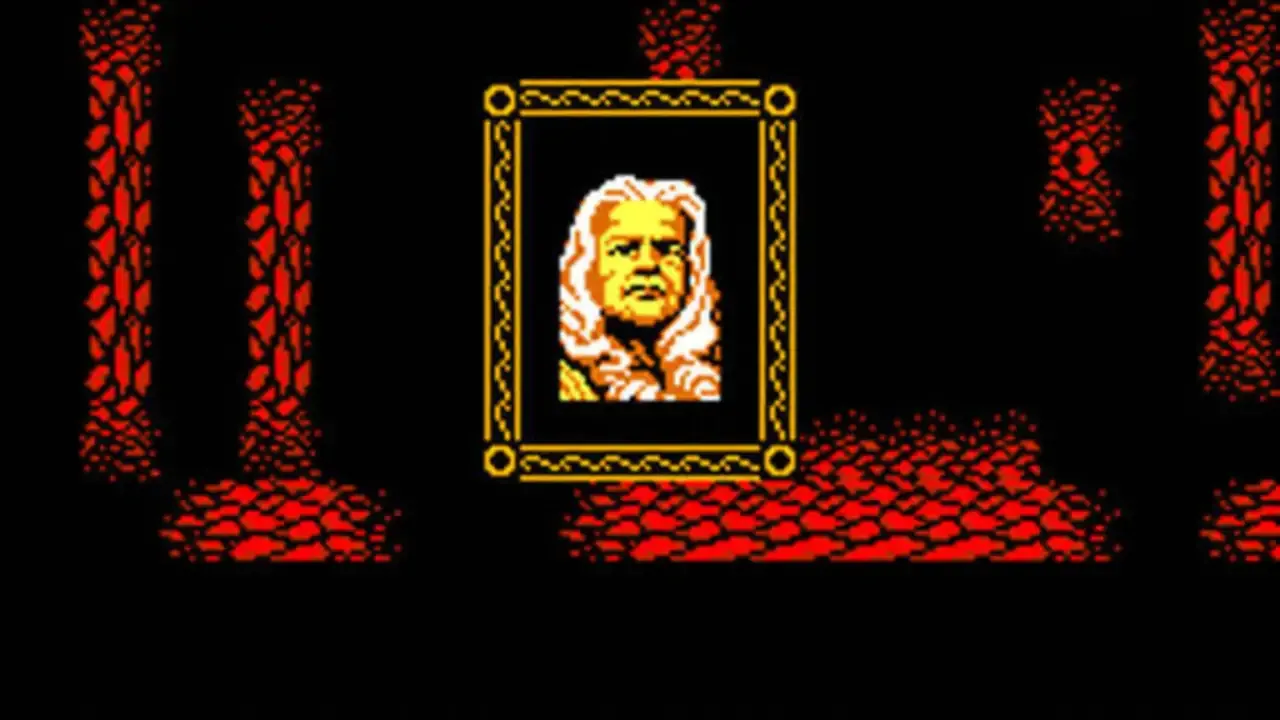
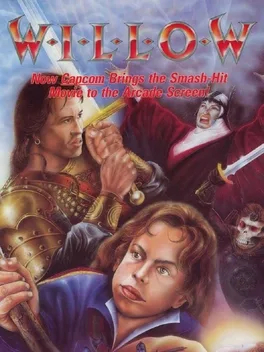
The version of Willow released for the Nintendo Entertainment System and the Famicom is an adventure game in the vein of The Legend of Zelda. The game has the player taking on the role of Willow. Unlike the film and arcade game, Willow generally travels alone, only briefly meeting other characters. In the tradition of The Legend of Zelda, Willow wields a sword and shield and many supplementary items along with a wide variety of magic spells. As the game progresses and Willow defeats enemies, he gains experience points and levels as in a role-playing video game.
Could be interesting
J.R.R. Tolkien's Middle-earth is a land of beauty, magic, and darkness. In The Lord of the Rings: The Fellowship of the Ring, you follow Tolkien's narrative from the Shire to the halls of Moria, and finally to the banks of the River Anduin. Gameplay alternates between melee, archery, sorcery, and stealth as you control Frodo, Gandalf, and Aragorn. Join this band of heroes in their quest to destroy the One Ring, which contains all the power of the dark lord Sauron.
King's Field is a first-person 3D RPG which takes place in the underground tomb of the kingdom of Verdite. The player takes the role of Jean who explores 3D dungeons all alone in this dark fantasy-world with his sword and magic spells. A lot of challenges await Jean. The player will gain a great sense of accomplishment when overcoming tough situations in the game.
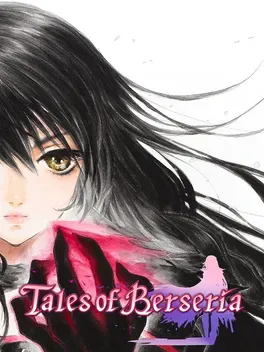
In Tales Of Berseria players embark on a journey as they assume the role of Velvet, a young woman whose once gentle nature has been replaced and overcome with a festering anger and hatred after a traumatic experience three years prior to the events within Tales Of Berseria imbued her left hand with a special ability. Along her journey, Velvet will meet a whole cast of characters, including a young boy named Laphicet. If Velvet is the embodiment of "darkness," then Laphicet is created in the image of "light" and will be an important ally to Velvet.
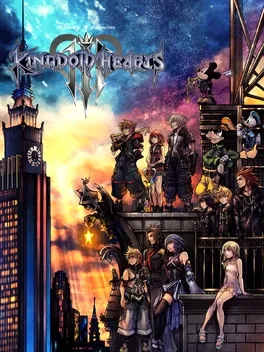
Kingdom Hearts III is the third main installment in the Kingdom Hearts series developed and published by Square Enix. It was initially released January 2019 for the PlayStation 4 and the Xbox One. An expansion, Kingdom Hearts III Re Mind was released in January 2020. The story takes place after the events of Kingdom Hearts 3D: Dream Drop Distance. It features an older Sora as the main protagonist, who sets forth on a new adventure to search for seven guardians of light in an attempt to stop Xehanort from bringing about a second Keyblade War. Sora is joined by Donald Duck, Goofy, Mickey Mouse, Riku, Kairi, and others. Along the way, Sora travels to many worlds from Disney and Pixar intellectual properties, and cross paths with the real Organization XIII. Kingdom Hearts III features hack and slash combat reminiscent of Kingdom Hearts II, with elements from later handheld entries, allowing the player to control Sora in a party with Donald, Goofy, and up to two other Disney characters from the various worlds he visits. A major addition compared is the Formchange mechanic, which allows his currently equipped Keyblade to grant him special abilities and change shape. Sora can equip up to three Keyblades at a time, and cycle between them to use his abilities. Another addition is the Attractions mechanic, which occasionally allows Sora to summon and pilot a vehicle inspired by Disney theme park attractions. At certain points throughout the game, the player will be able to control other characters.
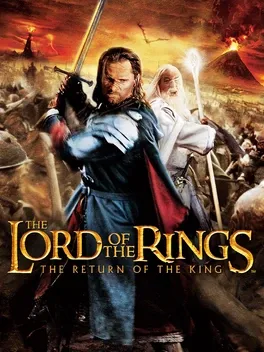
The video game adaption of the acclaimed film of the same name. The Lord of the Rings: The Return of the King is a follow up the well received adaption of the first two films in the trilogy. The game expands on what The Two Towers accomplished, with the action and adventure sequel introducing three separate story lines from the movie: one following Aragorn, Legolas, and Gimli, as The Two Towers did, another following Gandalf, and a third following Frodo and Sam, with Merry, Pippin, and Faramir serving as unlockable characters. Gameplay features were also expanded upon, including multiplayer.
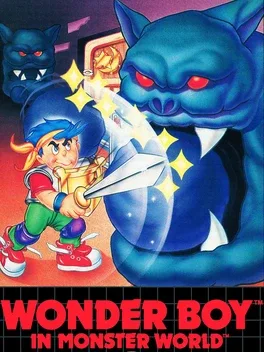
Monsters have taken over the land, and every day the citizens fear for their lives, hoping that a hero will step forth and bring peace to the embattled country.
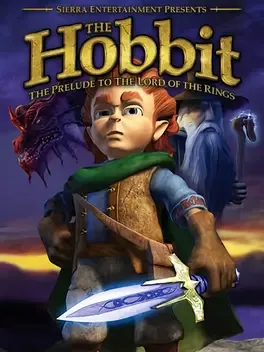
Step into the hairy hobbits' feet of Bilbo Baggins in Vivendi Universal Games' take on Tolkien's prequel to the massive Lord of the Rings trilogy.
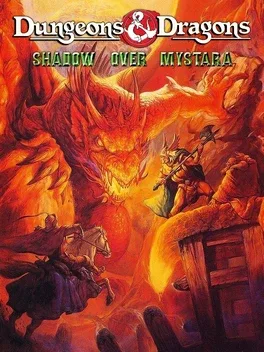
Shadow over Mystara is a side-scrolling beat-'em-up with role-play elements that make it stand out from other similar games released at the time. In addition to the original four heroes found in its predecessor, Dungeons & Dragons: Tower of Doom (Cleric, Dwarf, Elf and Fighter), Shadow of Mystara adds a Thief and a Magic-User to the selection. Furthermore, with the inclusion of two separate versions of each character's sprite set, the game allows up to two players to select the same character (in Tower of Doom each of the characters could only be selected once), effectively giving the game 12 "different" characters to choose from. The two Clerics and two Magic Users also have subtle differences within their spell books. The controls are using four buttons: Attack, Jump, Select (brings up a small inventory ring around the character allowing the player to choose what item is set in the Use slot) and Use. The Cleric, Elf and Magic-User also have two extra rings for their spells, with the Jump button used to switch from ring to ring. While the game uses the same kick harness as the previous game, the Select and Use buttons are reversed. Shadow over Mystara also introduced a selection of special moves which are executed by moving the joystick and tapping the buttons in certain combinations, in a way similar to the Street Fighter series. The characters (except for the Magic-User) have a Dashing Attack as well as a Rising Attack which can be used to combo monsters or even juggle them in the air. Most characters (again, with the exception of the Magic-User and also Cleric) also have a Megacrush, a move common to nearly all of Capcom side-scrollers, which damages all enemies standing close enough to the character but in turn also damaging the player themselves.
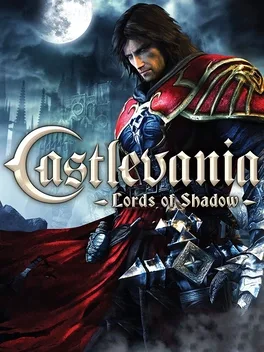
Gabriel Belmont learns of a mask with the power to raise the dead and sets out on a mission to obtain it to bring his recently murdered wife back from the dead. Lords of Shadow builds upon the combat systems first explored in this series in 2003's Lament of Innocence and adds more violent kills to the mix. Inspiration for these changes seems to have come from 2005's God of War.
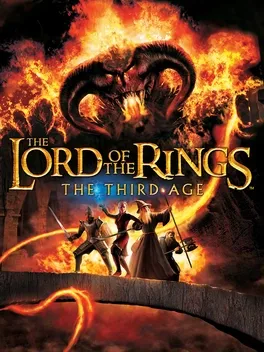
The Lord of the Rings:The Third Age introduces entirely new characters which aren't mentioned in the books or movies. The game does relate to the movies by including scenes from all three movies, with new background speech by Ian McKellen (Gandalf). There are seven playable characters in the game which have been created specifically for it, as well a small appearances by characters such as Gandalf, Aragorn, Eowyn, Faramir, and Gothmog. The game covers events in all three movies/books, mostly with references to major events shown through cut scenes, or the scenes from the movies with Ian McKellan's narration. A classic RPG game, The Lord of the Rings: The Third Age has gameplay elements similar to Final Fantasy, where you have a party of characters, each with a different set of skills and attributes, who gain levels, making them stronger as the game progresses. Battles are turn-based, and let the gamer make different decisions on what they want to do to change the outcome of the battle. The game travels through many areas throughout Tolkien's Middle Earth, including The Pelennor Fields and Moria.