
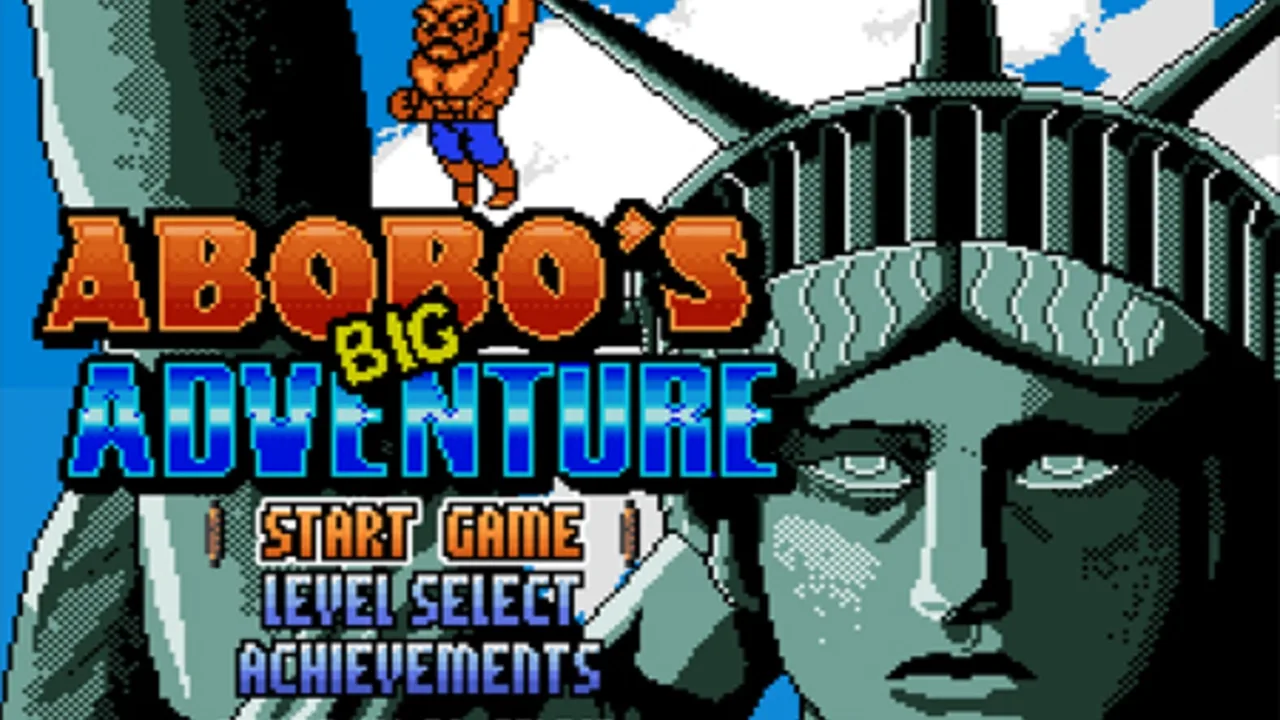
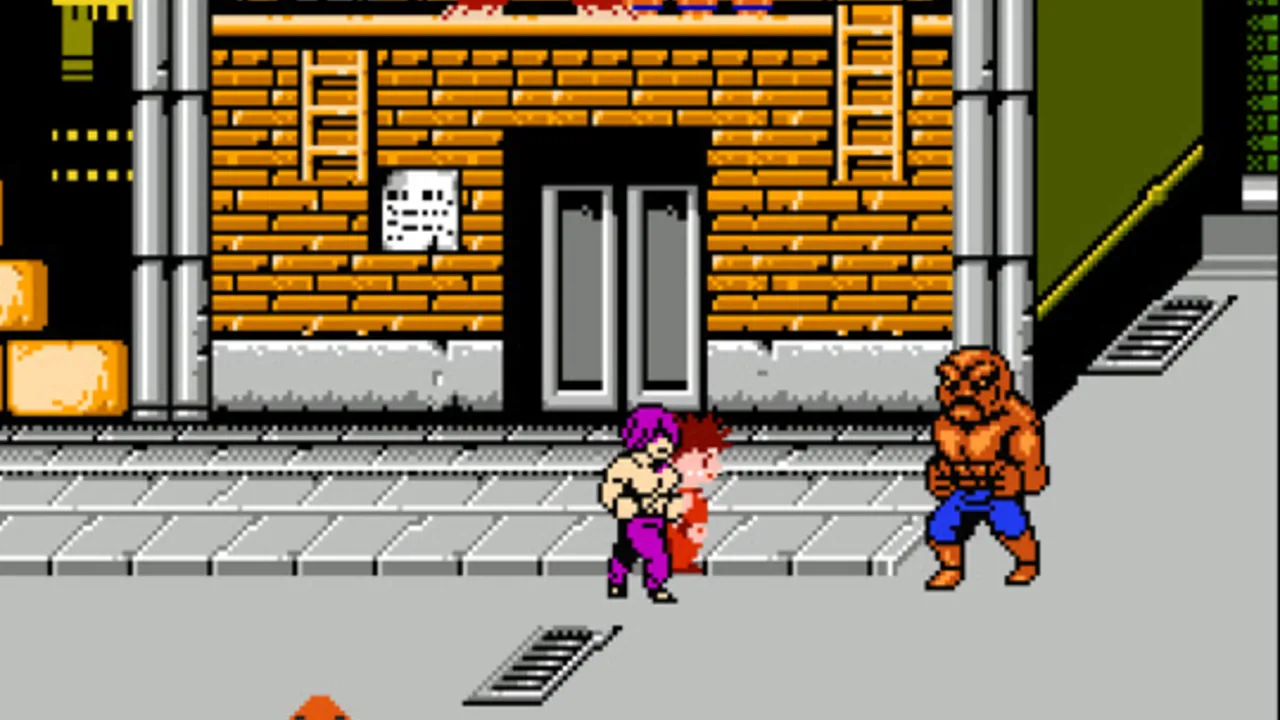
Abobo's Big Adventure


Buy
Could be interesting
Retro platforming action in this adaptation of a terrible movie.
Seven years after defeating Carlos Calaca, Juan Aguacate is forced to don his luchador mask again to face a new threat - this time to the very fabric of space and time. Punch your way through a whole new Metroid-vania style world and try to save the Mexiverse!
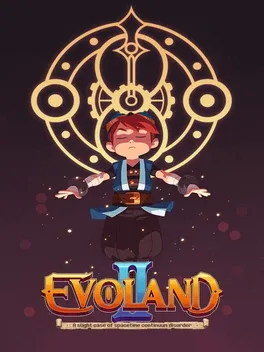
Evoland 2 is the spiritual successor to the original Evoland with its graphics style changing as you travel through time and its gameplay evolving as you move along the storyline. It is also a much bigger game and a classic RPG at heart, with a complex scenario based on time travel, dozens of characters with their own backgrounds and ambitions and vastly different gameplay styles that are linked to the story and the player’s actions.
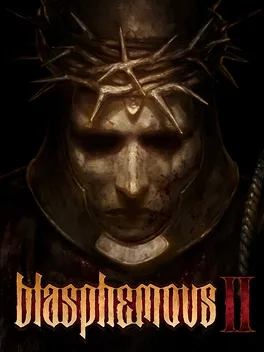
The Penitent One awakens as Blasphemous 2 joins him once again in an endless struggle against The Miracle. Dive into a perilous new world filled with mysteries and secrets to discover, and tear your way through monstrous foes that stand between you and your quest to end the cycle one and for all.
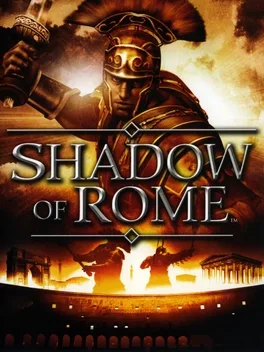
The year is 44 B.C. The grandeur of the Republic of Rome has been tarnished by political corruption and society has been overrun by unruliness and violence. Julius Caesar advocates for drastic reform but he is met with opposition and murdered. The horrific news finds its way to the ears of one soldier, Agrippa, whose father is accused of the murder. Unfortunately, time is running out for Agrippa as his father is to be publicly executed by the winner of the next gladiatorial event. Venture throughout ancient Rome with the help of Agrippas best friend, Octavius, and a female gladiator named switch between Agrippa and Octavius, each of whom have their own area of expertise, to rescue Agrippas father and uncover the switch between Agrippa and Octavius, each of truth.
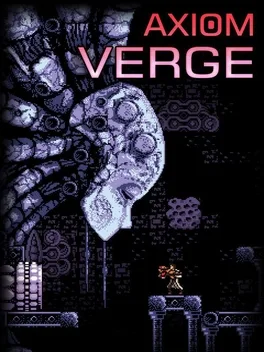
After a lab accident, a scientist awakens in a mysterious, alien world. Is this a distant planet? The far future? Or a complex virtual-reality computer simulation? Plumb the recesses of a large, labyrinthine world in order to learn its secrets and uncover your role within it. Discover tons of weapons, items, and abilities, each with their own unique behaviors and usage. You’ll need your wits to find them all. Combat bizarre biomechanoid constructs, the deadly fallout of an ancient war, and the demons of your own psyche. And finally, break the game itself by using glitches to corrupt foes and solve puzzles in the environment. Life. Afterlife. Real. Virtual. Dream. Nightmare. It's a thin line. It's Axiom Verge.
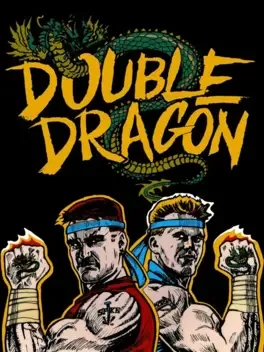
Double Dragon is a 1987 beat 'em up video game developed by Technōs Japan and distributed by Taito for arcades across Asia, North America and Europe. It is the first title in the Double Dragon franchise. The player character has a repertoire of martial arts techniques which they can perform using the joystick and three action buttons (kick, jump, and punch) individually or in combination. Techniques range from basic punches and kicks to more elaborate manoeuvres like hair-grabbing moves and elbow strikes. When playing with another player, one can assist the other by grabbing their partner's opponent from behind. Caution should be taken, though, as some enemies can do the same thing to the players. The player begins the game with a certain number of extra lives and a life gauge which depletes as the player takes hits. If the life gauge runs out or the time limit reaches zero, the player will lose a life. There is a small variety of enemy characters that the player will face through the course of the game. Certain enemies carry melee weapons, which can be knocked out of their hands and picked up to use against them. Available weapons include baseball bats, whips, throwing knives, and dynamite; in addition, rocks, oil drums, and boxes can be found in certain places. The game is divided into four stages or "missions," consisting of a city slum, a factory, the woods, and the gang's hideout. The game normally ends if a single player defeats the final boss alone. However, if two players complete the game together, they are forced to fight each other to determine who will win Marian's affections.

Join the ranks of the Spiral Knights. Stranded on an alien world, you must explore the ever-changing Clockworks beneath its surface.
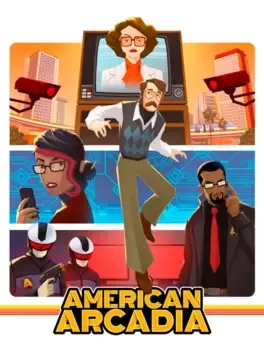
Escape from a televised utopia in Out of the Blue’s brand new puzzle-platformer game. Welcome to Arcadia! A 70's retro-futuristic metropolis where all its citizens enjoy a life of luxury and comfort… unaware that they’re being broadcast live 24/7! Arcadia is not an ordinary city, but the most watched reality show on the planet - where a drop in popularity ratings comes at the highest cost: death. Uncover the truth and escape with your life in American Arcadia!
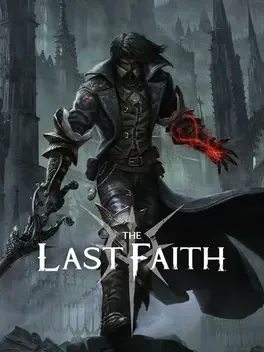
The Last Faith is an exploration-based Metroidvania, action side-scrolling platformer with dark and gothic horror themes at its core. An ancient religion is ruling for centuries the world left to its fate. The once majestic capital and full of a glorious past, is now decadent and haunted by a fatal disease. Eric will have to subvert the words of the hidden prophecy and discover the truth behind the now corrupted and ravaged world.