
Aquanaut's Holiday: Memories of Summer 1996



Buy
Parent game
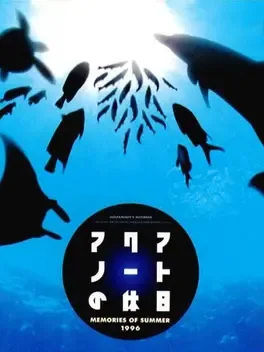
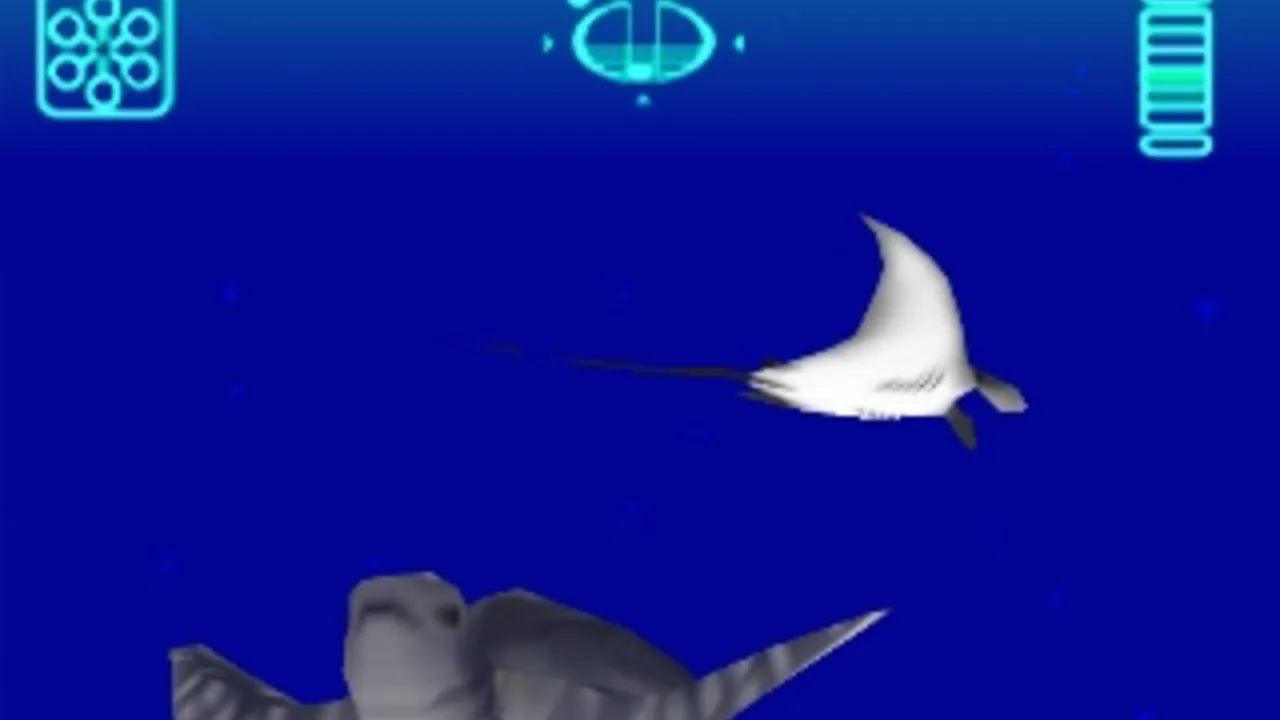
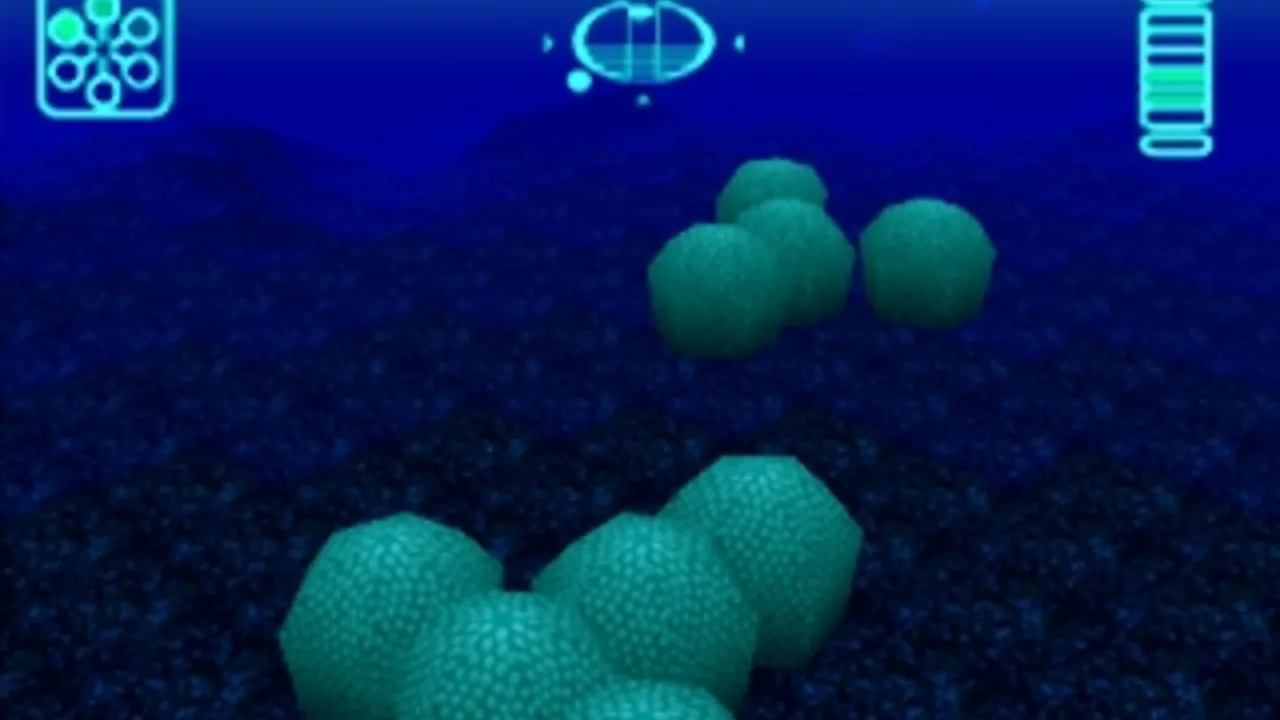
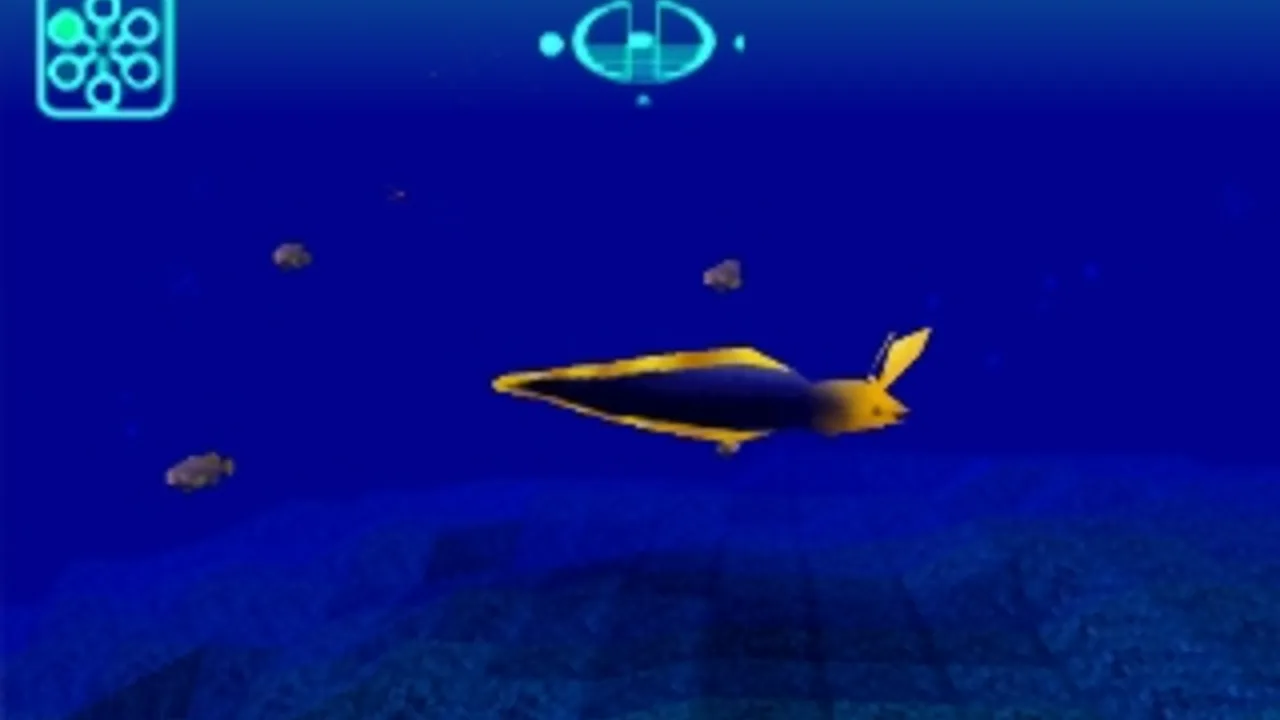
The ocean is another world. Beneath the surface of the sea, all the sounds and the stress of society are muffled away to nothing. In Aquanaut's Holiday, the player takes the role of a renowned oceanographer has been pushed to the limit by the constant attention of the press, environmentalists, and the government. It's time to leave it all behind, on an open-ended mission to explore one of the last unmapped areas in the ocean and create a new coral reef there. The game is played entirely at the player's pace. The only real goals and time limits are those that the player sets. The main point of the experience is simply to explore the virtual undersea environments. The game provides several ways in which to interact with the wildlife, and information gained from the local sea creatures can provide clues toward how to design a better coral reef. There are shipwrecks and ruins to discover, dozens of species of fish and sea life to observe, and no reasons to hurry.
Could be interesting

Suikoden is a Japanese-style role-playing game with several unusual additions. There are three kinds of combat in the game, the most common one being the traditional turn-based party combat (players can have up to six people in their active party). Magic runes can be equipped on the player's characters which allow limited usage of offensive and healing spells. There are also a few army battles, where the player must control whole units of fighters, archers, magicians, etc., and one-on-one fights (duels).

R4: Ridge Racer Type 4 is the fourth game in the Ridge Racer series. It includes eight tracks (with reverse variants, for a total of 16 layouts) and 321 vehicles, all of which are fictional. This iteration was one of the first PlayStation titles to feature Gouraud shading on polygons, giving the game a visual depth that was previously missing. It was also the first Ridge Racer game on the system to feature two-player split-screen mode and offered two different driving models.
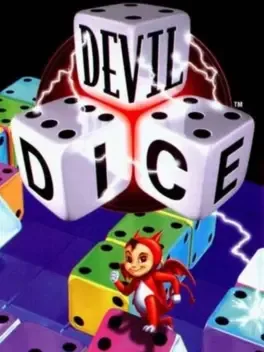
Devil Dice is a unique puzzle game, where the player controls a small devil that runs around a grid covered in large dice. The player can both stand atop dice, and stand on the ground (with the dice towering above). When standing on the dice, the player can move from die to die, or can roll a die in the direction he or she runs, revealing a different face as the die rotates. Creating a group of adjacent dice with identical pips—the size of which must be at least the number of pips—causes those dice to slowly sink into the field before disappearing. Chain reactions are possible by adding additional dice to a sinking set. Different types of dice are available in some modes, with different properties to make the game more challenging. It was originally created by developer Shift on the "homebrew" Yaroze platform, and later turned into a commercial game. Released in 1998, it is one of only a handful of games to make the leap from the Yaroze to commercial release. The game is a million-seller and a demo version was released as a PlayStation Classic game for the PlayStation 3 and PlayStation Portable on November 7, 2007.
Reel Fishing is designed to create a realistic angling experience in the comfort of the gamer's living room. Strategy comes in choosing the right lure for the circumstance and it takes skill to hook the big ones and reel them in successfully. Underwater shots and "fish-eye" views of the lure offer a perspective on the sport that few ever see on an actual outing. Players can even take a "picture" of their prize catch before releasing it back into the virtual wild.

Published in 1993, the original Super Sidekicks (known as Tokuten Ou, "Goal-Scoring King" in Japan) was SNK's first soccer video game. It features 12 teams divided into two groups which compete for the "SNK Cup" (the main differences between teams is their formations on the field): Group A: Germany, Italy, Spain, England, Mexico, Japan Group B: Argentina, Holland, Brazil, France, United States, South Korea The players' team plays against all the others in their group, then it goes into an elimination tournament's semifinals and then the final to win the cup. There was also a hidden feature in the game, which wasn't documented, and affects a single player game. During a free kick for the CPU if the player has tapped button A for player two, the CPU performs a short-shot, while pressing the button A performs a longer kick.
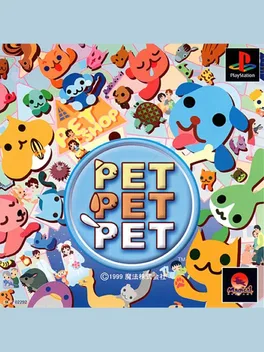
Pet Pet Pet is a mix between a virtual pet simulation and a strategy game. In the game the player is the owner of a pet shop in the town, he can buy new pets for the shop (the game features a lot of different animals from dogs, cats, rabbits, penguins, etc.) to different pet providers, and also can buy meals, toys, clothes for the animals that he can also sell in his shop. The most important feature of the game is that the player can follow the life of the different animals that he sells, for example if he sold a dog to a old woman he can anytime go to see the dog and play with him, teach him new things, etc. In that part of the game the game changes to a proper simulation game and there are different orders that the player can use. Other features of the game is that he can also train his pets in the shop before sell them, the player can also buy new buildings like hospital and other facilities to increase his pet emporium on the town. And anytime he can click over anyone in town to know the kind of pets that they prefer, etc.

Released in December 1996 in Japan for Windows 95, this was the first A-Train game to use 3D graphics with a PowerVR graphics accelerator.
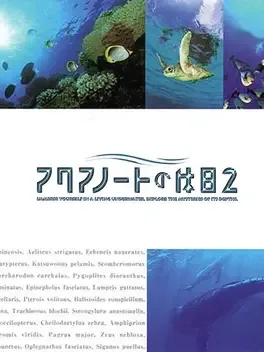
Aquanaut's Holiday 2 is the sequel to Aquanaut's Holiday. Like in its predecessor, the player takes control of a submersible in order to explore the sea depths and discover a variety of animal species. Contrary to the first game's only area, the sequel has many different areas following different themes to explore.
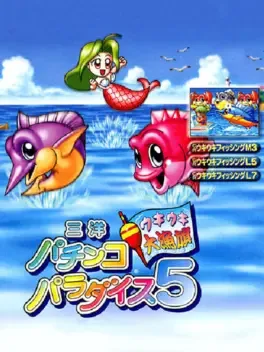
Pachinko Paradise 5 is one of the many titles in Irem's long-running pachinko simulation series. It features reproductions of three pachinko machines made by Sanyo Bussan: CR Ukiuki Fishing M3, CR Ukiuki Fishing L5, CR Ukiuki Fishing L7. There are two modes available: Tsūjō (Normal) mode allows the player to modify a wide range of settings for each machine, while Jissen (Battle) mode challenges the player to win as many balls as possible on the default settings with a limited starting pool and time limit. There is also a View mode where the various animations that play on the in-game display can be freely viewed. There is no story mode.
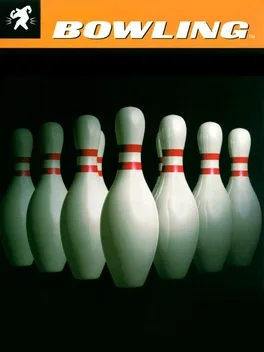
A simulation of the classic game of the same name. As you can imagine from the name, this is a no-frills game, but it still comes with three modes, (normal, special, and quest) and multiplayer options. (1-4 players, with computer players as desired.)