
Avernum


Buy
Parent game
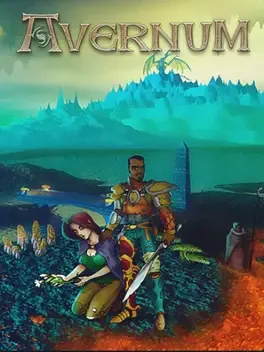
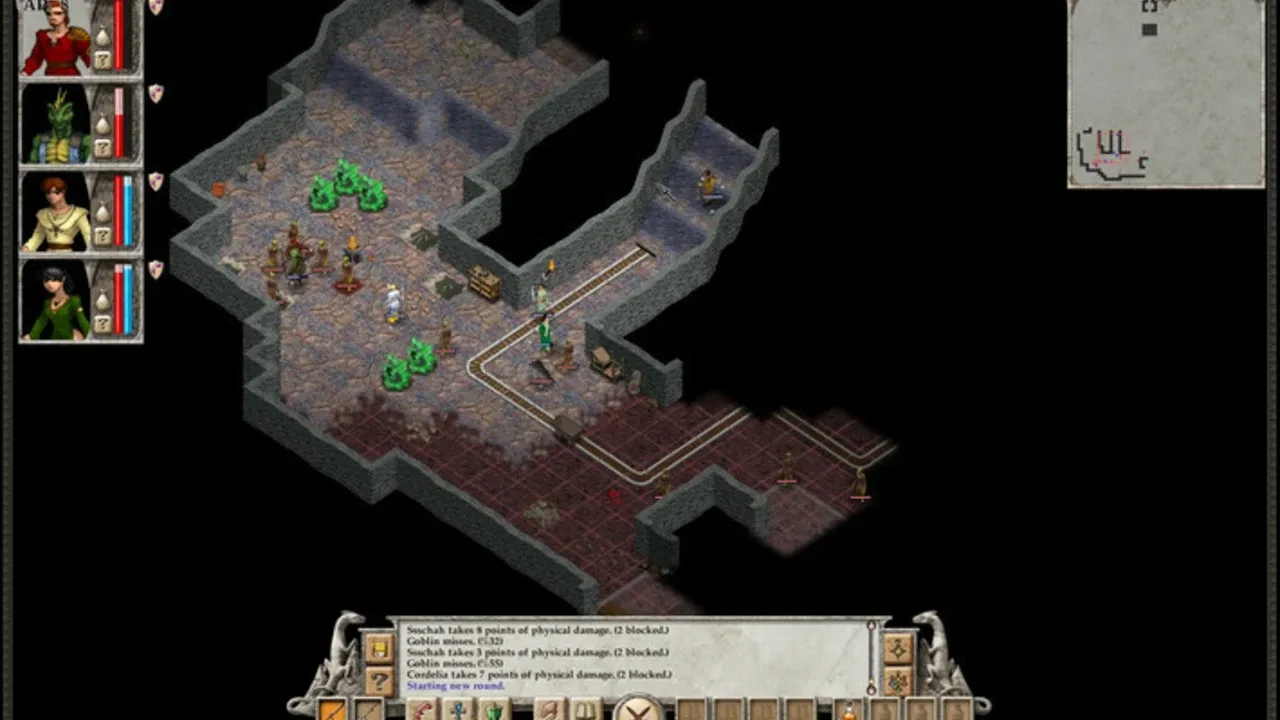
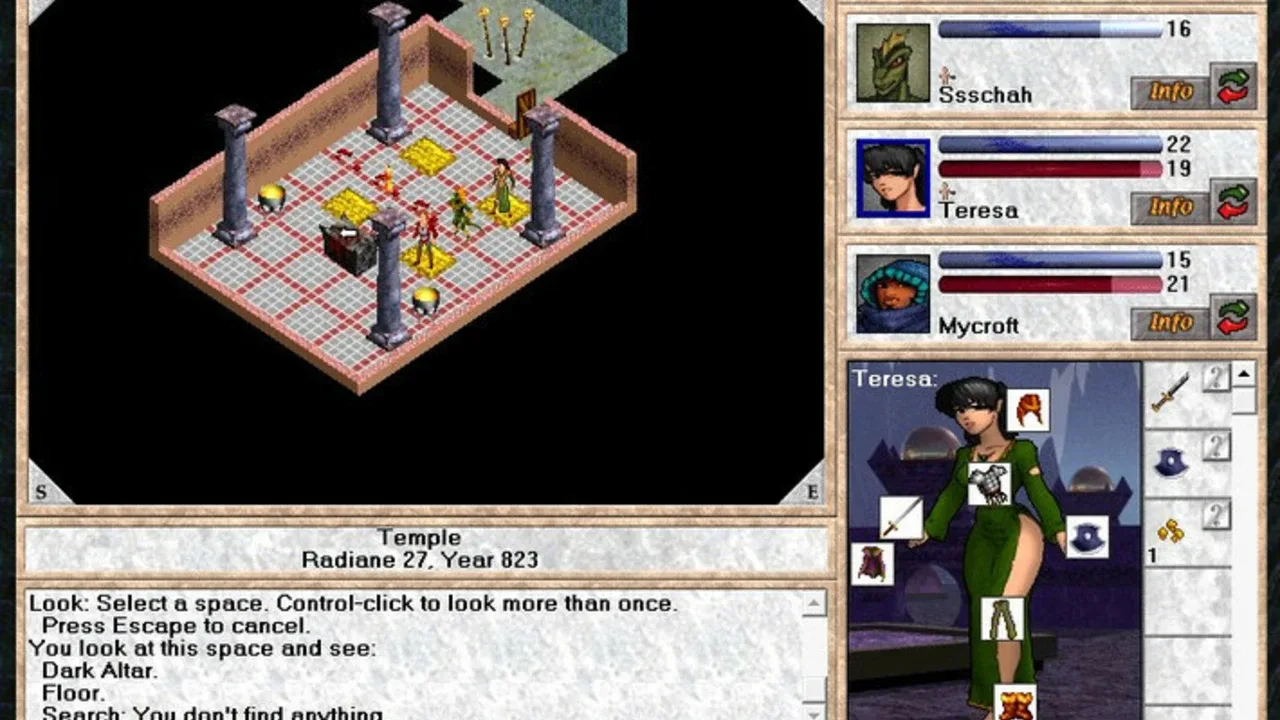
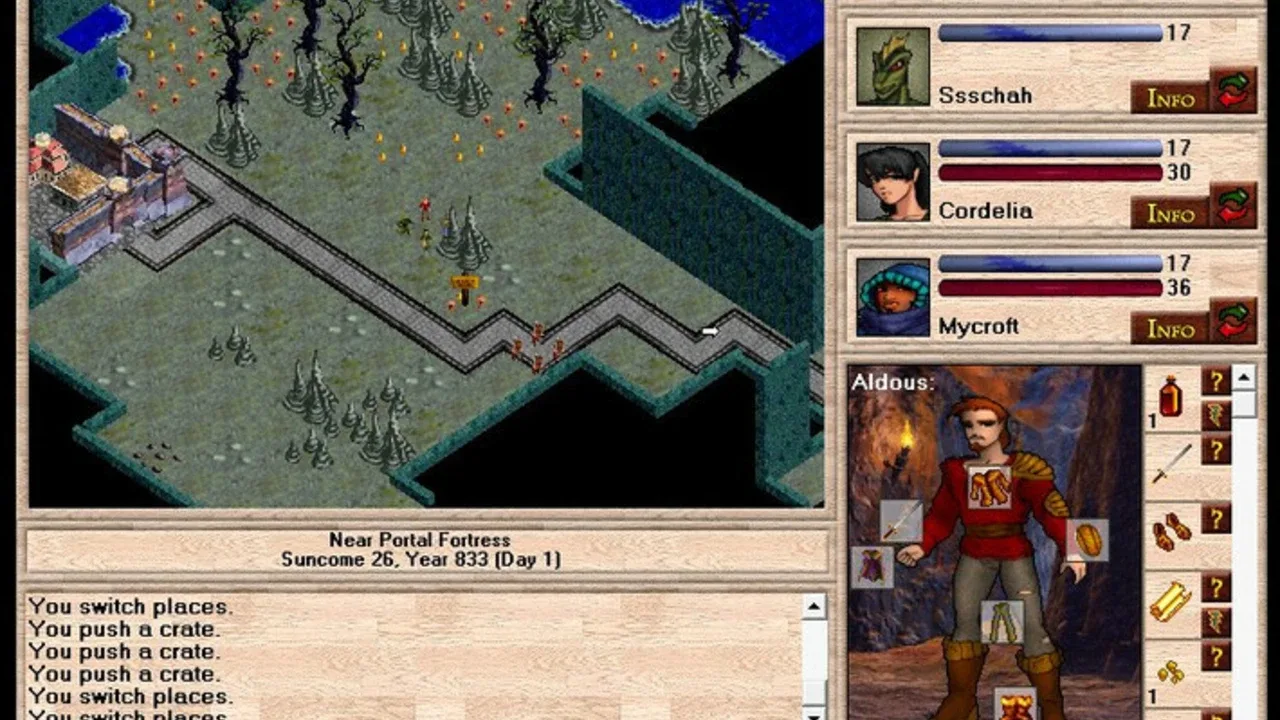
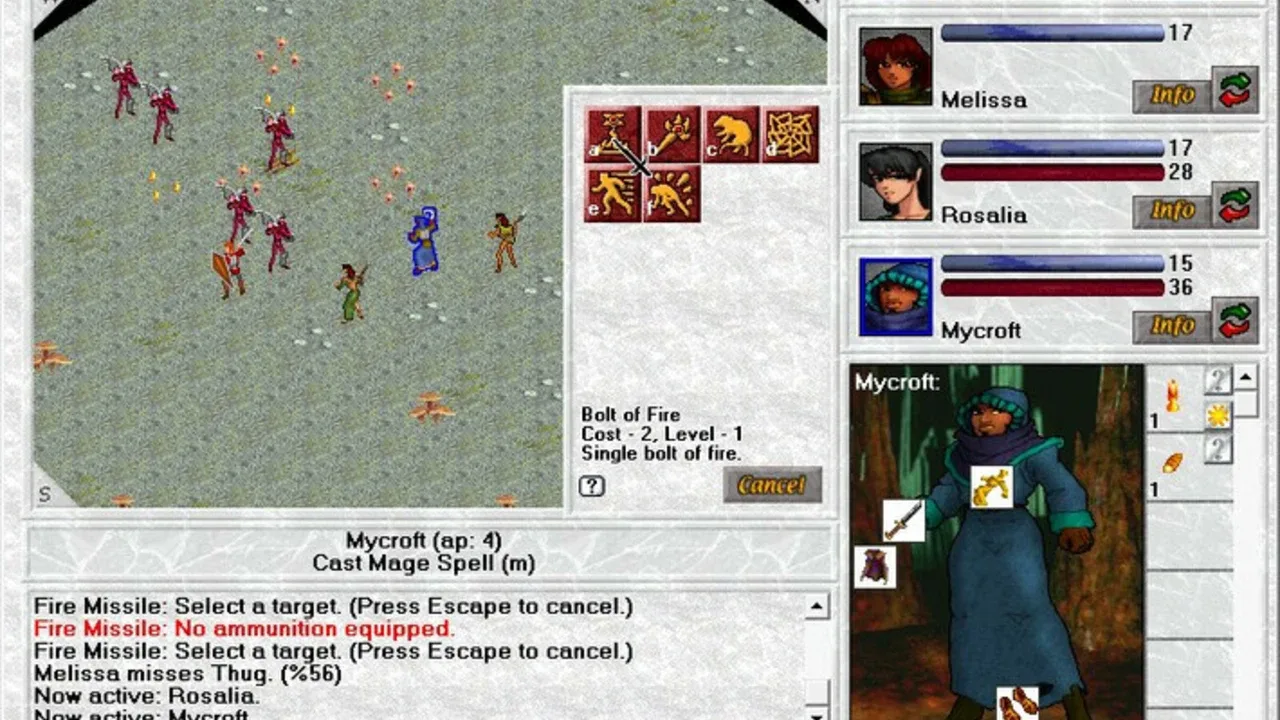
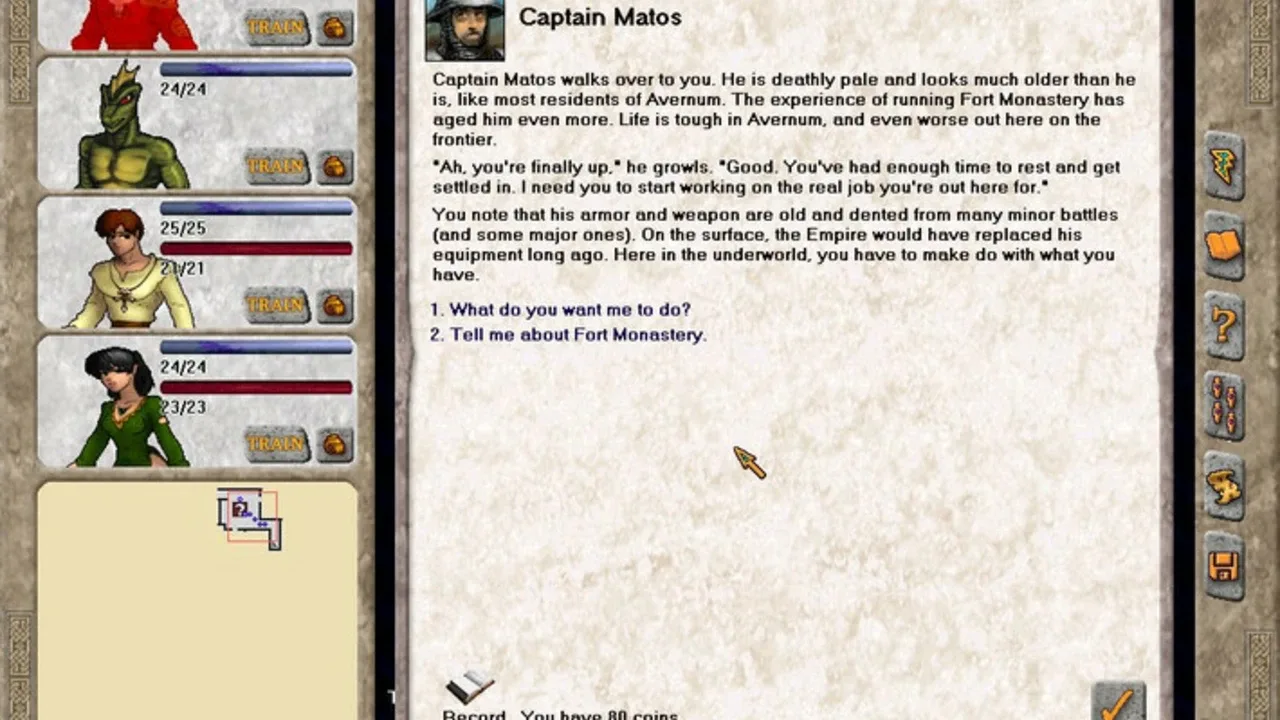
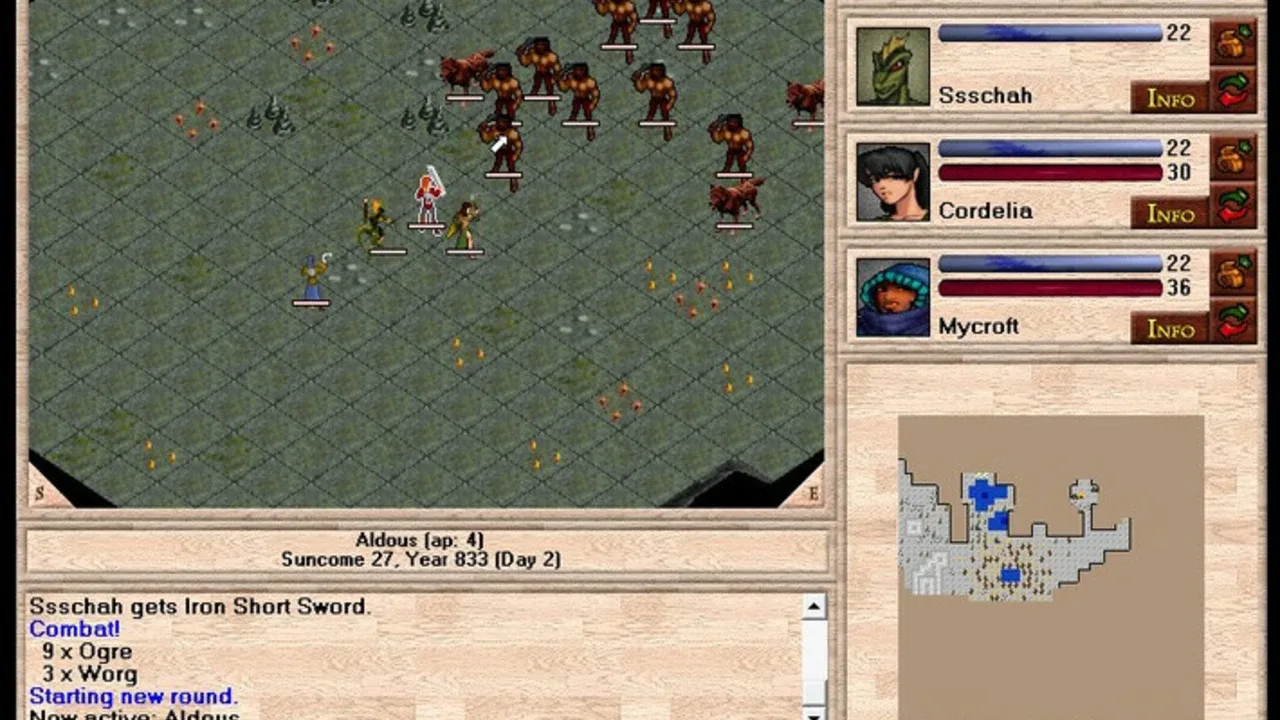
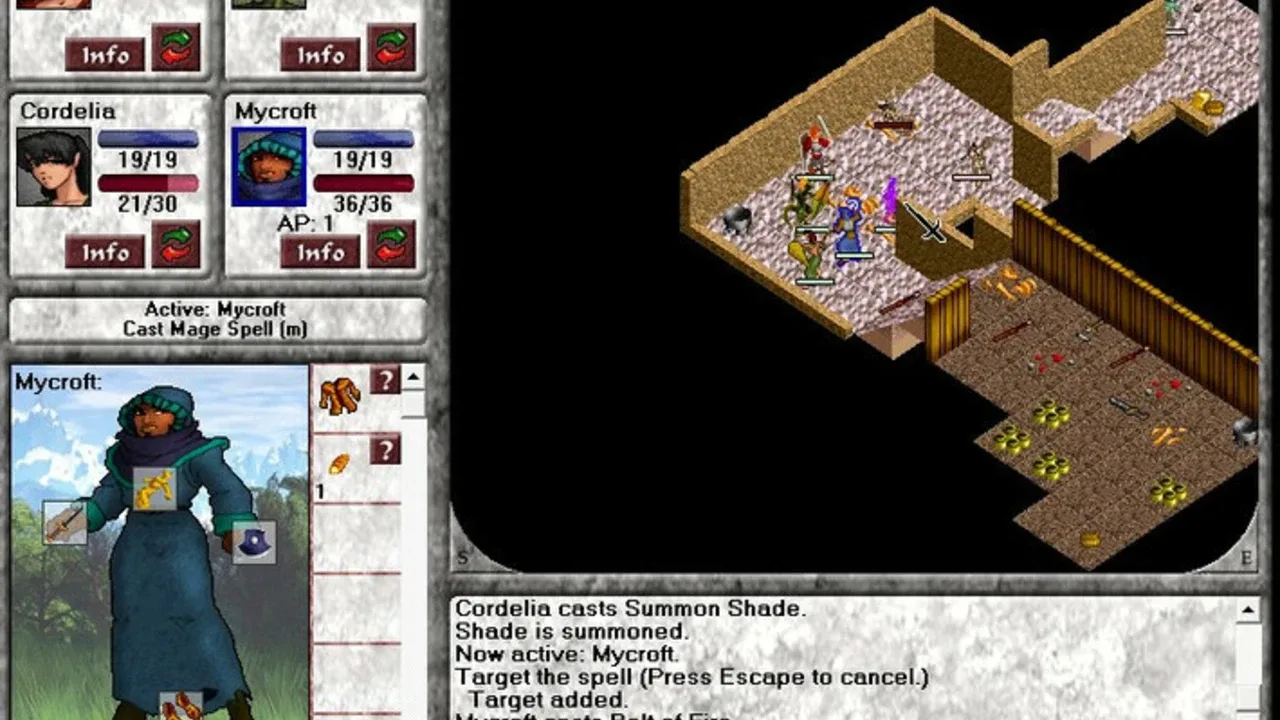
The first game in the Exile trilogy by Spiderweb Software. Criminals and outcasts are banished to the caves of Exile by the cruel Empire, and it's up to you to help the exiles survive, or gain revenge on the Empire above.
Part of collection:
Avernum
(last 3 games)
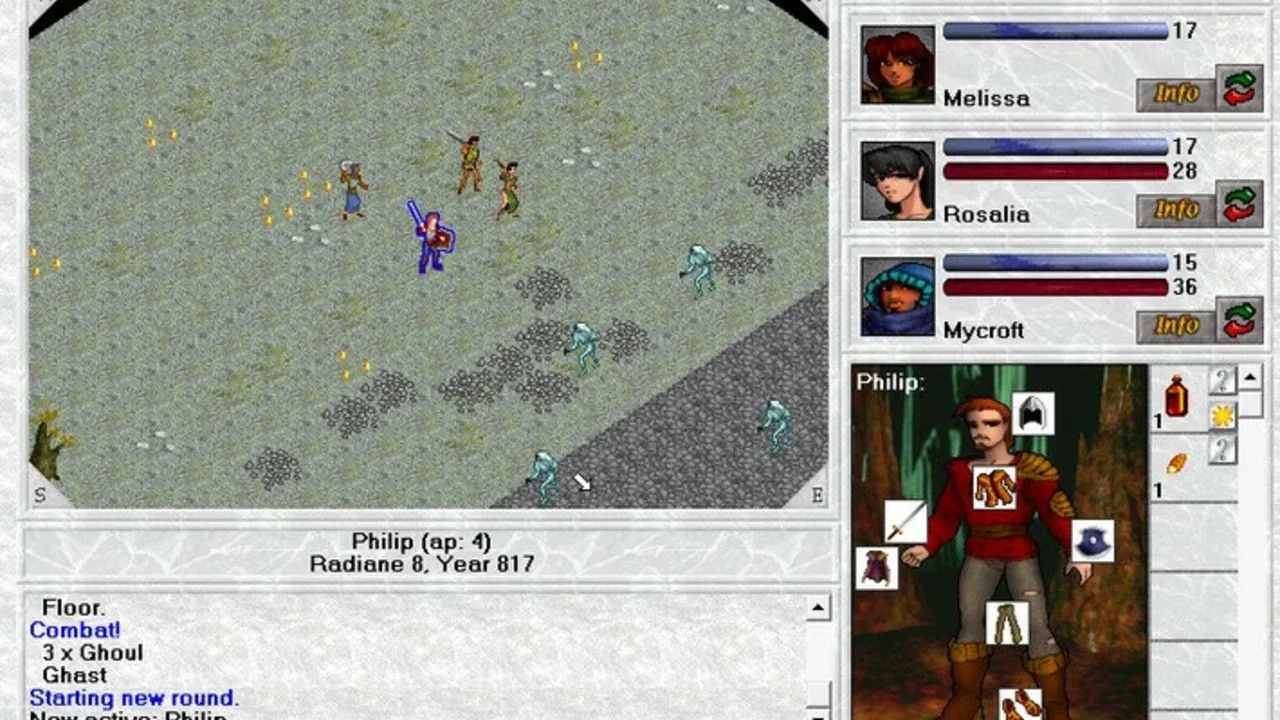
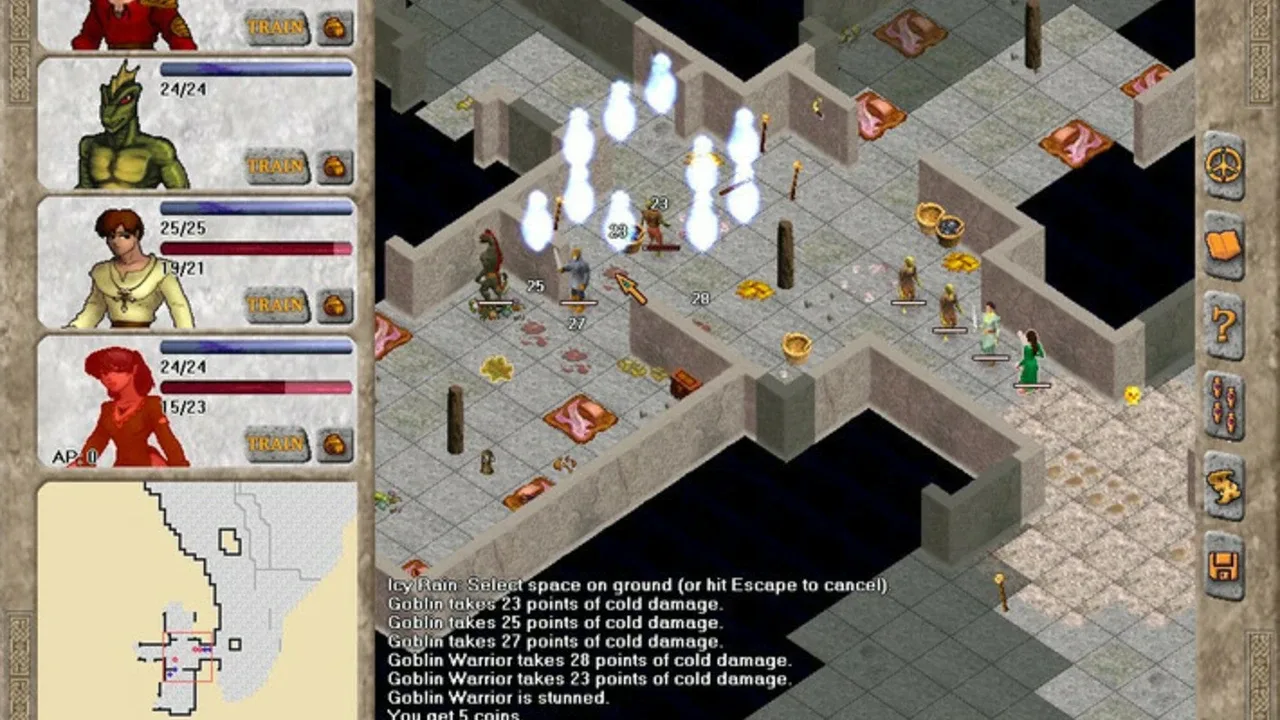
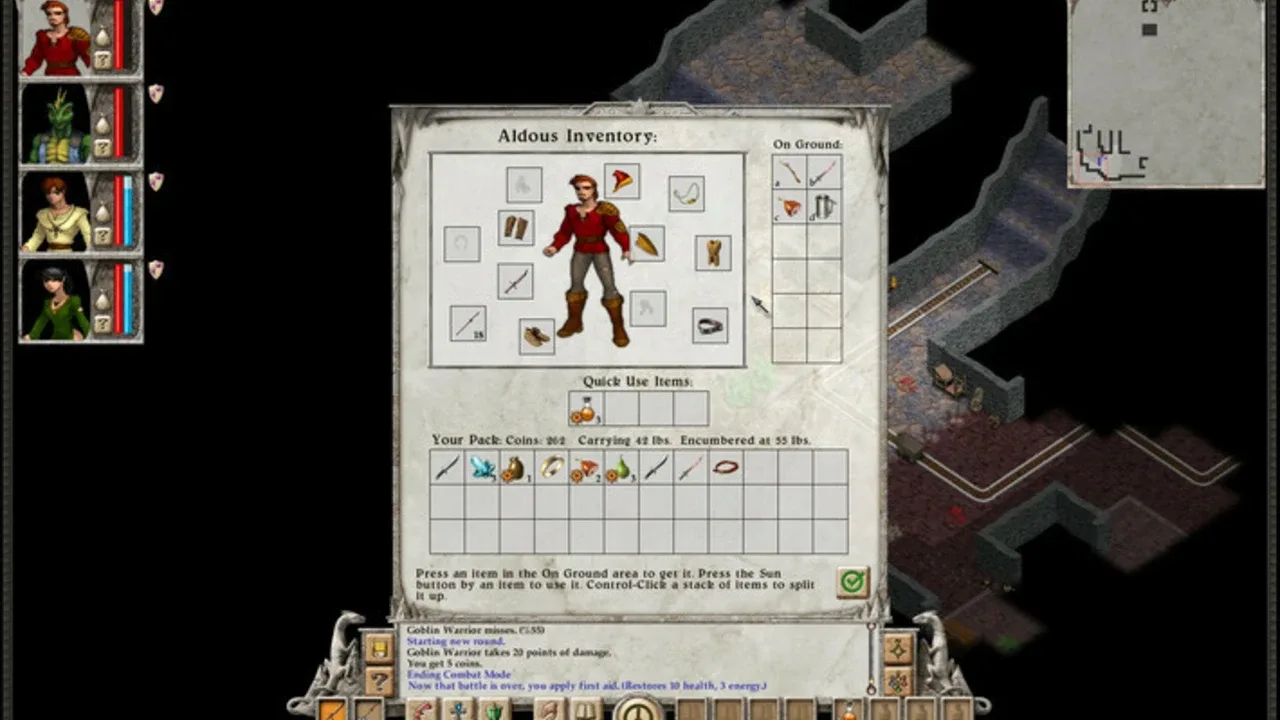
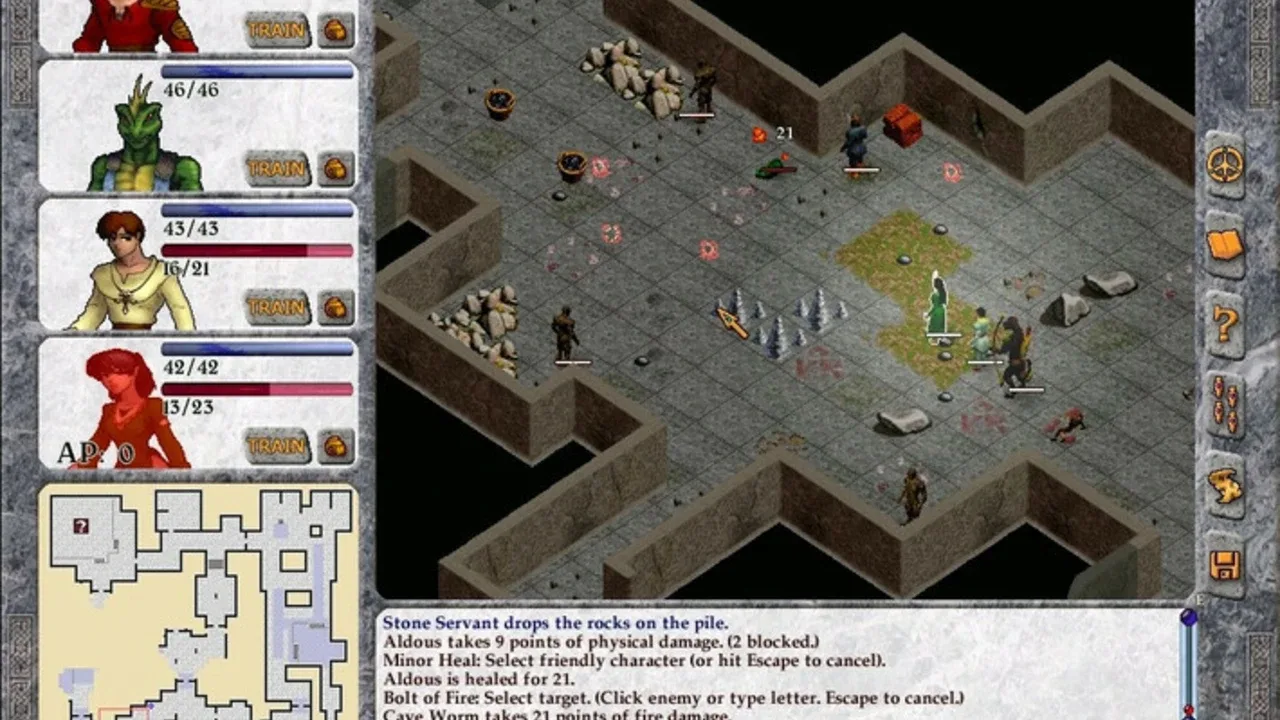
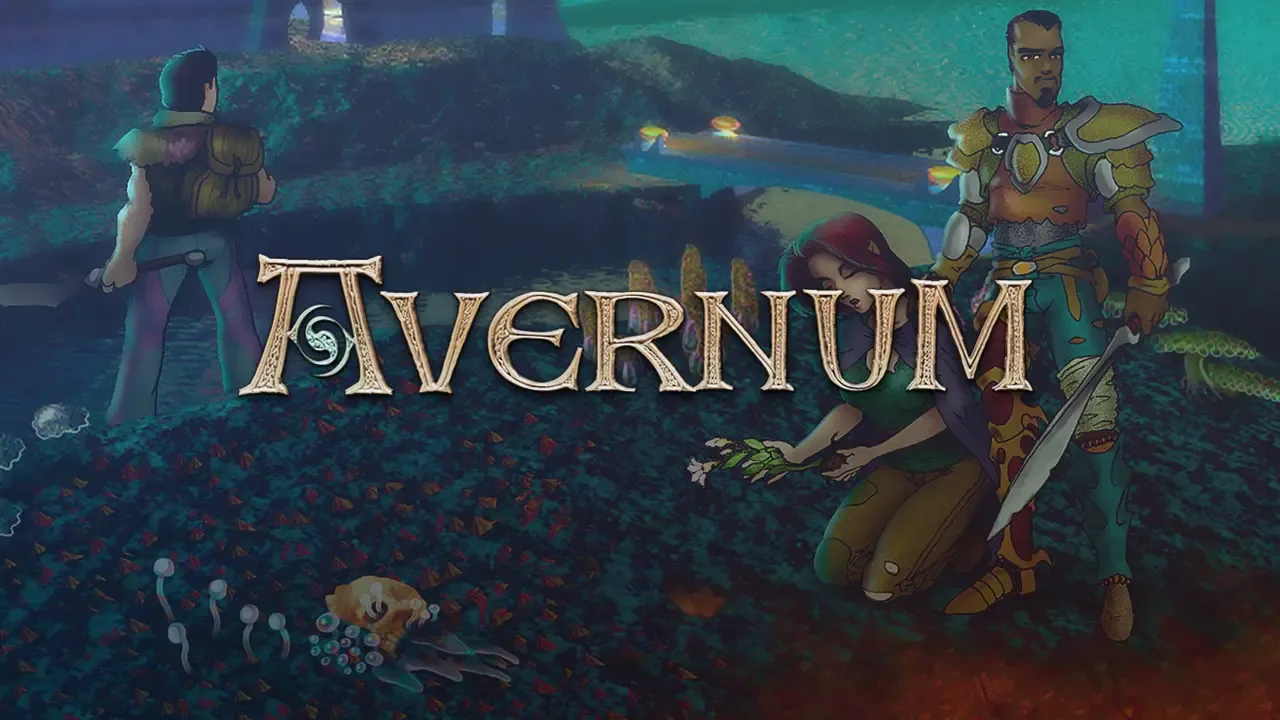
Epic, indie fantasy role-playing adventure with many hours of gameplay. Explore an enormous world that evolves as time passes. Towns are destroyed. Refugees flee. Disasters happen. Features an intricate battle system with multitudes of abilities, character traits, and unique magical artifacts.
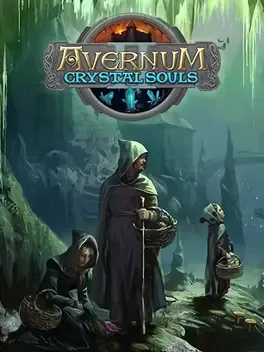
Huge indie fantasy role-playing adventure in a massive, underground land. Packed with over 100 towns and dungeons and an epic story. Fight to complete up to three distinct game-winning quests. Master over 60 spells and abilities. Hunt for hundreds of magical artifacts. Over 50 hours of gameplay.
Avernum: The Complete Saga features six complete dungeon crawling RPGs plus Blades of Avernum, a collection of smaller adventure modules as well as a scenario editor to create your own adventures and cunning characters to share with your friends.
Part of franchise:
Avernum
(last 3 games)
Avernum: The Complete Saga features six complete dungeon crawling RPGs plus Blades of Avernum, a collection of smaller adventure modules as well as a scenario editor to create your own adventures and cunning characters to share with your friends.
Blades of Avernum is a fantasy role-playing system that includes four follow-up adventures to the Avernum series as well as a scenario creator for users to make their own.
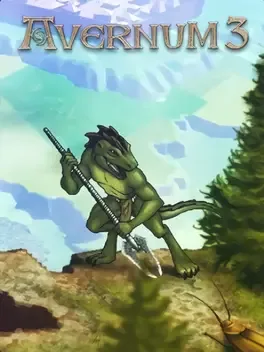
Ten years after Avernum 2, you arrive on the surface from which you were once cast only to find that the Empire has been beset by plagues and hordes of monsters. You must find the source of the destruction or there will be no surface left to return to.
Could be interesting
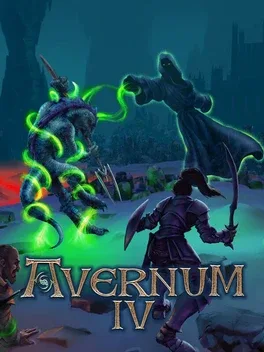
Avernum is one of the great tales of indie gaming, an epic series of fantasy role-playing adventurers set in an enormous, subterranean nation. Avernum is a land underground, a subterranean nation full of rogues, misfits, and brigands, struggling for survival and wealth in the monster-infested darkness. Avernum 4 is the first chapter in the Great Trials Trilogy, three games that tell the tale of your land’s struggles in the face of powerful forces that seek to destroy it.
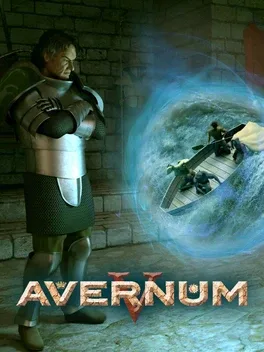
Avernum is one of the great tales of indie gaming, an epic series of fantasy role-playing adventurers set in an enormous, subterranean nation. Avernum is a land underground, a subterranean nation full of rogues, misfits, and brigands, struggling for survival and wealth in the monster-infested darkness. Avernum 5 is the second chapter in the Great Trials Trilogy, three games that tell the tale of this land’s struggles in the face of powerful forces that seek to destroy it.
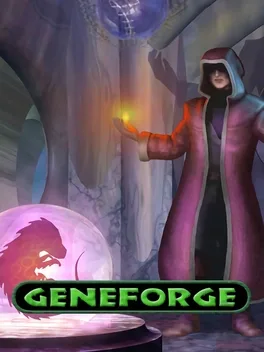
Geneforge is an Indie fantasy role-playing game, the first game in the five-part Geneforge Saga. It features an enormous world, the ability to create your own army of lethal, totally obedient creatures, and a cunning enemy AI with foes who can go on patrols, stalk you, and run for help. Geneforge has a huge and open storyline. You have the freedom to choose your own path and decide how the story will turn out. You can fight the evil overlord or you can join him. You can help the peasants or you can torment them. You can be the bold hero or you can just try to get away. No matter what you choose, Geneforge offers an enormous adventure with plenty of replay value.
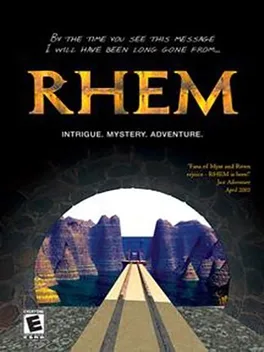
Rhem is an adventure game in which the player explores a barren, maze-like landscape of water ponds, walkways, and brick buildings with the aid of a partial map. The game has several puzzles involving machines and symbols.
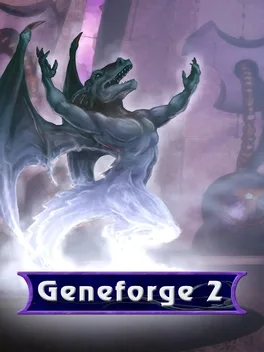
Geneforge 2 is a fantasy role-playing epic with a science fiction twist. In Geneforge 2, you explore a huge world, choose which side you will fight for, and make your own horde of completely obedient mutant monsters.
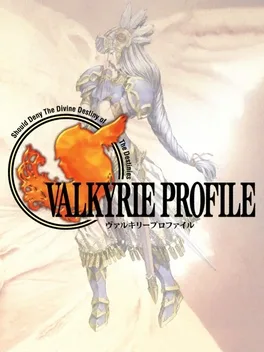
Valkyrie Profile is a role-playing video game developed by tri-Ace and published by Enix (now Square Enix) for the PlayStation. It was released on December 22, 1999 in Japan and on August 29, 2000 in North America. An enhanced port of the game was later released for the PlayStation Portable under the name Valkyrie Profile: Lenneth on March 2, 2006 in Japan, July 18, 2006 in North America, and April 27, 2007 in Europe.
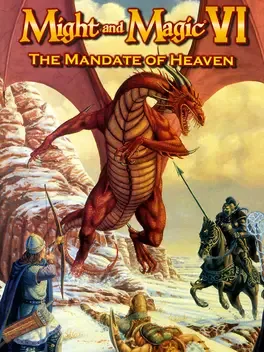
The Ironfist Dynasty is tottering on the brink of ruin. As endless calamities plague the kingdom of Enroth, evil doomsday cultists plan to overthrow child Prince Nicolai and claim the throne for their charismatic leader. Fear grips the land and the people wonder if their sovereign has lost the Mandate of Heaven - the divine right to rule. The enemies of reason are at the gate and only extraordinary heroes can stem the tide of darkness. Will you answer the call? From the depths of the deepest dungeons, to the intrigues of the royal court, you will lead a band of adventurers on a dangerous journey of amazing depth and intelligence. With a completely new 3D graphics engine and a non-linear adventure system, Might and Magic VI: The Mandate of Heaven brings a unique role-playing experience to life.
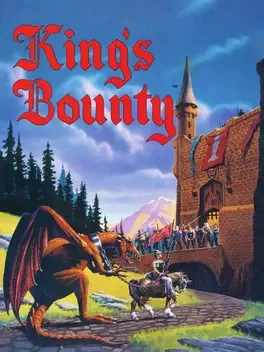
While King Maximus ruled the land, life was good in the four continents. The Sceptre of Order rested safely in his hands, keeping at bay the forces of darkness that infested the world. Children were happy. Merchants prospered. Honest folks made honest livings. And nobody complained much. But far across the waters, Arech Dragonbreath, leader of the Dark Legions, looked enviously upon the wealth and splendor of the four continents. With the aid of great magic, Arech stole into the chambers of King Maximus and wrested the Sceptre from the grip of the sleeping King. He then released his evil forces, ordering his minions and lieutenants to seize the land in whatever manner they pleased (as long as it involved considerable amounts of pain and terror). Arech retired to his new lair on the four continents and waited for King Maximus’s certain resistance. The King and his forces, however, offered none. Fearing some kind of trickery, Arech peered into his prophetic crystal to see what Maximus was up to. The crystal showed the King lying in bed, his face pale and gaunt like death itself. Over the King stood a noble young knight with the strength and resolve of great leader. The King was speaking. "Come here" he gasped, "I am weak and breath is a luxury. Please." He extended his hand and the great leader drew close. "You must restore my kingdom. I, too, must be restored. I am tied to this land and as it dies, so do I. My days here are numbered. You must recover the Sceptre if I and my land are to live."Arech watched this exchange and quickly buried the Sceptre somewhere on the four continents. He draw a map of its location, then shredded it into 25 pieces. He gave one to each of his 16 villainous nobles, kept one for himself, and the other eight he hid with powerful artifacts around the four continents. Your time grows short, leader. You have your quest and King Maximus’s last hope. May you be guarded in your journey by the Spirits of Order. Good luck!

Breath of Fire IV is a single-player game that continues the story with these "dragon people," who gave their lives to eradicate the evil goddess and restore peace in their world. This time around, battle has broken out between two powerful continents, and the fair Princess Elena has disappeared during a tour of the war-torn region. The princess's sister, Nina, who reigns o'er the Windia Kingdom, vows to retrieve her missing sibling. She meets Ryu along the way, who joins the epic quest
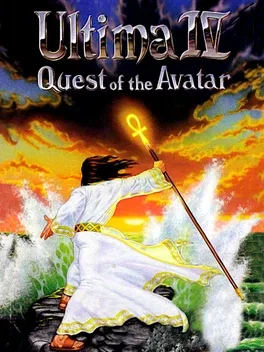
Following the defeat of the evil triad in the previous three Ultima games, the world of Sosaria changed beyond recognition: continents rose and sank, and new cities were built, heralding the advent of a different civilization. Unified by the reign of the benevolent monarch Lord British, the new world was renamed Britannia. Lord British wished to base people's well-being on the ethical principles of Truth, Love, and Courage, proclaiming the Eight Virtues (Honesty, Compassion, Valor, Justice, Sacrifice, Honor, Spirituality, and Humility) as the ideal everyone should strive for. The person who could accomplish full understanding and realization of these virtues would serve as a spiritual leader and a moral example for the inhabitants of Britannia; he alone would be able to obtain holy artifacts, descend into the Stygian Abyss, and access the Codex of Ultimate Wisdom. This person is the Avatar. The fourth game in the Ultima series features an improved game engine, with color graphics and enhanced character interaction: the player can have conversations with non-playable characters by typing names of various topics. However, the main difference between Ultima IV and its predecessors in the series (as well as other role-playing games) lies in the game's objectives and the ways to fulfill them. Instead of building up a character by any means possible in order to face a villain in the end of the game, in Ultima IV the player is trying to become the Avatar, a role model for people. This means upholding the Eight Virtues, basically trying to become a better person. Making morally conscious decisions and helping other people is not done expecting a material reward, but because it is the actual goal of the game and the main focus of its gameplay. The game frowns on behavior typical of most other RPGs, such as backstabbing fleeing enemies or picking up everything that isn't nailed down even if it does not belong to the protagonist. This different approach established the game's reputation as the first "true" Ultima, influencing the design philosophy of later installments and the overall spirit of the series. Character creation is done by choosing responses to morally ambiguous questions. Each of the Eight Virtues corresponds to a character class; by determining the player's personal priorities in the virtues, the game assigns a class and a starting location for the Avatar. After emerging in Britannia, the player is free to explore it in various ways (on foot, moongate teleportation, on horseback, by ship, etc.). Certain items must be collected in any order to enter the Stygian Abyss and complete the game. The Avatar also has to reach the highest level in all virtues. This is achieved by various means: donating blood increases Sacrifice, not fleeing from combat increases Valor, etc. The process, however, is not irreversible: should the Avatar overpay a blind seller, he gains Compassion points; should he, on the other hand, cheat the seller by underpaying, his level in several virtues would decrease. These unorthodox features of the game co-exist with plenty of traditional RPG elements, such as dungeons to explore and hostile monsters to kill. Enemies are encountered on the world map as well as in dungeons; combat takes place on separate top-down screens, allowing player-controlled and enemy parties freely move on them. Characters accumulate experience points and level up, gaining higher amount of hit points and access to stronger magic spells. Like in the previous installments of the series, world map, town exploration and combat are presented from a top-down view, while the dungeons are pseudo-3D and are explored from first-person perspective. Ultima IV also introduces several new gameplay features to the series and role-playing games in general. A number of initially non-playable characters living in various areas of the game world are able to to join the party and fight alongside the hero, replacing traditional player-generated characters or mercenaries and adventurers available only in special locations. Additional new elements include buying and combining reagents in order to cast spells, puzzle rooms in dungeons, and others.