
Betrayal at Krondor


Buy
Part of collection:
Krondor
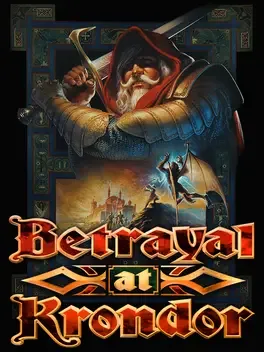
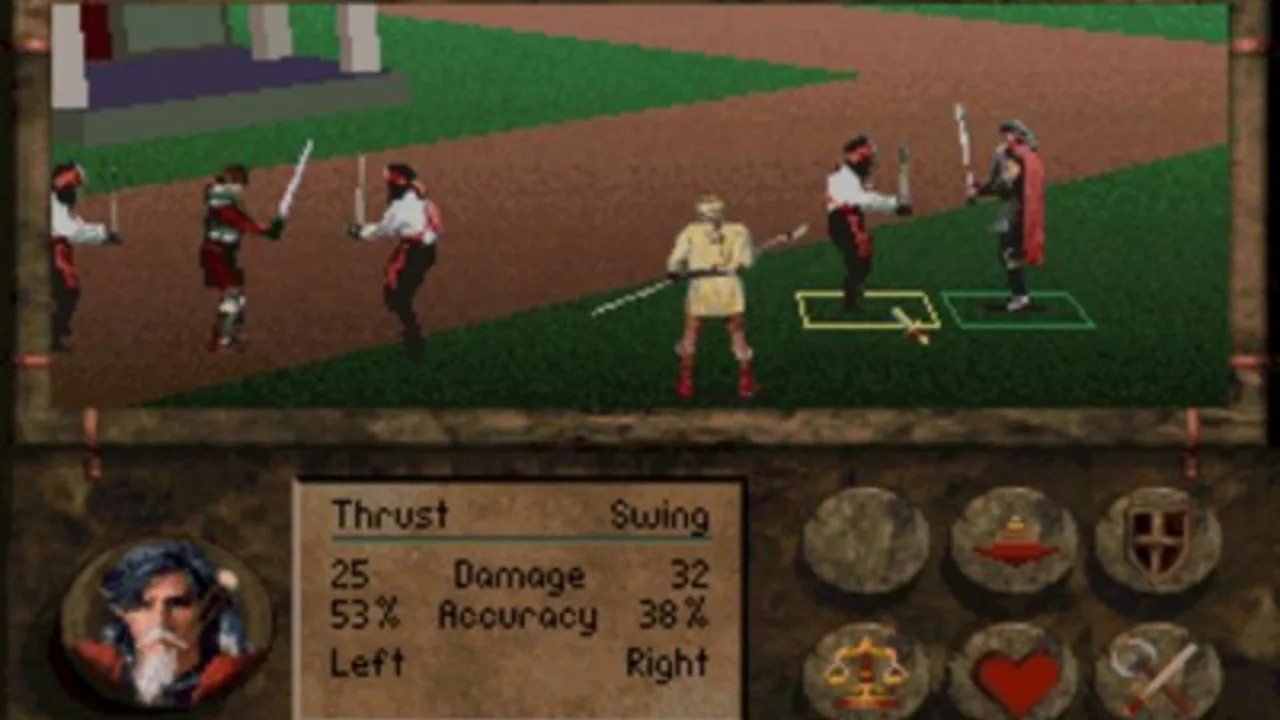
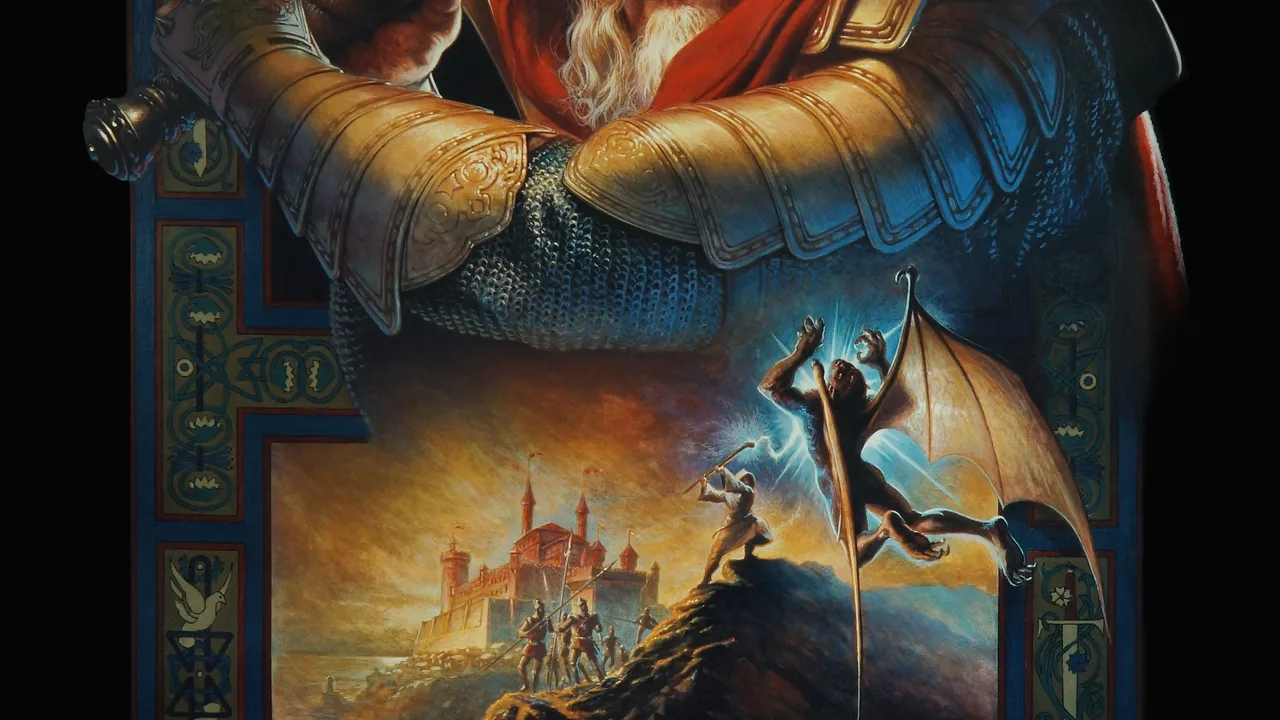
The story revolves around the disappearance of the Ishapian Church's most sacred relic, the Tear of the Gods. A band of ruthless pirates - in the employ of Sidi, a shadowy, half-mad sorcerer - attempt to seize the Tear from the Ishapian treasure ship; but in the process, they sink the ship accidentally, sending the Tear to the bottom of the Bitter Sea. Your efforts to recover the Tear inadvertently draw you and your group into a violent, three-sided battle over the relic. Your quest leads you from the dizzying heights of Krondor's Palace, through the twisting tunnels of the sewers beneath the city, and into the haunted depths of a temple dedicated to an evil as ancient as the gods themselves.
Betrayal at Krondor: Midkemia – a realm of enchantment and ancient magic where elves, dwarves and man once battled an unimaginable evil across rifts in time and space. The legends tell of a boy named Pug who would become Master Magician. His friend, Tomas, would wield the unearthly armor of the Valheru and command the armies of Elvandar to fight the final titanic battle at Sethanon. In Betrayal at Krondor experience an all-new tale in the Riftwar legacy as you travel the world of Ramar.
Could be interesting
Protect the Light, Condemn the Dark! A Millennium of peace is about to be torn asunder by the spread of darkness. A war with the Witches 1,000 years ago nearly destroyed the planet, and now they have returned. Character Designs by Kaito Shibano, music from Yasunori Mitsuda, and solid storylines combine to give Tactical RPG Fans the kind of portable gaming experience they've been craving! Take the battle online! Fight your friends over the Nintendo Wi-Fi Connection! Luminous Arc's versatile controls allow you to choose between +Control Pad and left/right-handed stylus controls!
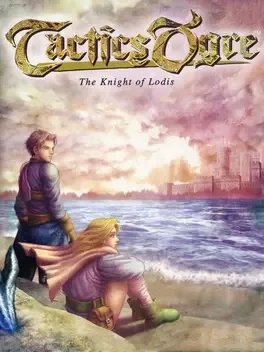
"Highlights and Key Features: - Over 40 hours of gameplay and multiple endings! - Discover powerful character classes with the new Emblem System! - Cast a wide assortment of magic spells to defeat the enemy! - Go head-to-head against a friend by using the Game Boy® Advance Game Link® cable! - All new Quest Mode enables you to discover hidden items and weapons not available in the main game. - Utilize the Exchange Mode to trade items, spell books and characters with a friend. - Save up to 3 games!"
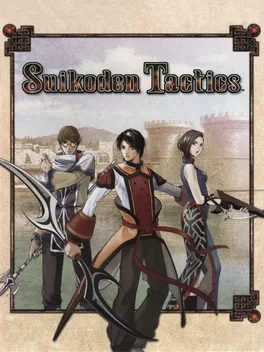
Breaking from its traditional role-playing roots, Suikoden Tactics incorporates simulation and strategy elements to take players on an adventure never seen before in the franchise. Told through the eyes of Kyril, a young adventurer investigating the sudden appearance of hideous creatures in the island nations, Suikoden Tactics unfolds another perspective to the events of Suikoden IV and the legendary "Rune Cannons." In all, there are more than 25 different battle scenarios, the ability to modify and customize your character as the game progresses, and a unique "Combination Attack system" that allows players to combine the powers of numerous characters in combat as they build friendships.
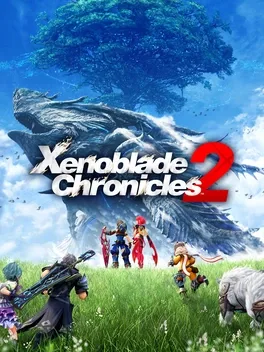
The next adventure is on the Nintendo Switch console set on the backs of colossal, living Titans. Discover each Titan's diverse regions, culture, wildlife, equipment, and hidden secrets. Find, bond with, and command weaponized life forms known as Blades to earn abilities and enhance them. Uncover the history of Alrest and the mystery of its endless ocean of clouds.
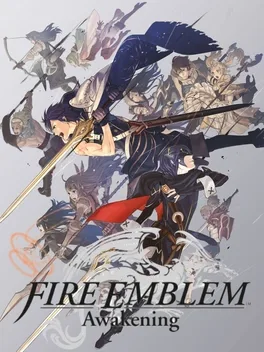
Armies clash as the world burns. As an inevitable war draws ever closer, you must stand with Chrom and his forces--knights, mages, archers, and more--commanding them against the armies of kingdoms, empires, and the dead themselves. Plan your strategery. Move your troops on the battlefield, then choose their weapon and attack. Using the new Pair Up and Dual systems, support your attacks with the help of nearby allies and watch their skills and relationships grow.
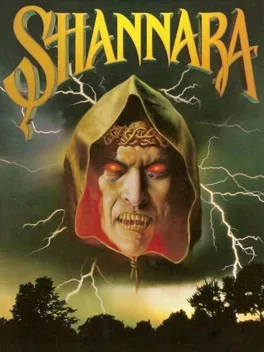
Shannara is a computer game released in 1995 for DOS and Microsoft Windows. It is based on the Shannara series of books by Terry Brooks. The game has some elements taken from RPGs, such as top-down world-map traveling and occasional turn-based battles. However, there is no real role-playing system in the game (statistics, experience points, levels, etc.). The battles serve to emphasize the danger of traveling the wilderness, or appear as story-related events; sometimes, they are treated like puzzles, with specific actions leading to victory.
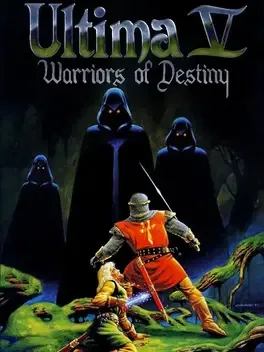
After a century of relative peace, the Avatar of Virtue is summoned back to the medieval kingdom of Britannia to deal with a new threat: the usurper Lord Blackthorn, a formerly honorable nobleman who has been corrupted by strange new creatures called the Shadowlords. After the recent disappearance of the true king, Lord British, the realm has fallen under martial law. Blackthorn now rules the land by brutally enforcing the eight Virtues upon the people of Britannia - corrupting their meaning in the process. The Avatar must gather together his former companions, now made outlaws by Blackthorn's regime, and venture forth to defeat the vile Shadowlords and recover the true king from the shadowy depths of the Underworld.
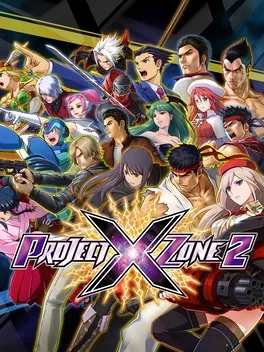
In the sequel to the original world crossing adventure, legendary characters from Japan's most prolific video game publishers come together to create the biggest mashup strategy game ever! Developed by MONOLITH SOFTWARE INC., Project X Zone 2 gives gamers the opportunity to play as their favorite characters from a multitude of franchises and form teams of characters hailing from classic and current franchises and engage enemies through strategic turn-based battles.
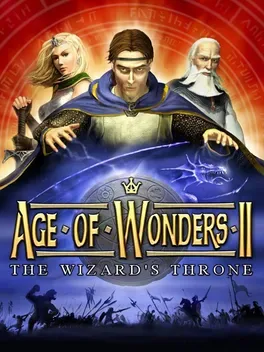
Age of Wonders II is the wildly anticipated sequel to the award-winning strategy phenomenon. Delivering an invigorating mix of Empire Building, Role-playing, and Warfare, Age of Wonders II brings turn-based strategy to new heights. Awakened to join an immortal group of Wizards in the Circle of Evermore, you must restore balance to a world on the brink of collapse.
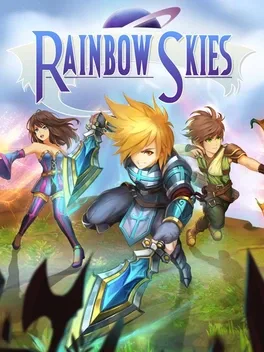
From the makers of Rainbow Moon comes Rainbow Skies, a new fantasy role-playing game. Immerse yourself in a colorful and vibrant world, filled to the brim with friends and foes, murky dungeons, turn-based battles, towns, shops, and everything else your role-playing heart desires. Tamable monsters, upgradable characters, and a variety of weapons and equipment offer you a wide range of customization and character development possibilities. Tons of optional and endgame content, side and treasure hunt quests, a humorous story, and other exciting content will keep you hooked for countless hours.