
Big Bang Mini


Buy
Part of collection:
Toy Bot Diaries
(last 3 games)
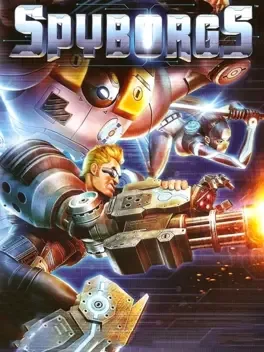
Spyborgs sees players controlling a member of a team of cyborg secret agents, each with their own unique abilities, through several levels populated by enemies. The game is designed to be played co-operatively with two players, though the AI will take control of the other character in single player games. Players can also gain experience points to upgrade their character's abilities. For each level, players can choose two out of the three Spyborgs, which include: Clandestine, formerly known as Kuno Ichi, a quick and nimble female ninja Bouncer, a lumbering but powerful robot Stinger, a soldier with a cybernetic gun arm. Played using the Wii Remote, motion controls initiate special attacks while the two characters can team up their attacks for additional damage. Alternatively, players can also choose to play with the buttons on the Wii Remote instead.
A spin off of IUGO's Toy Bot series
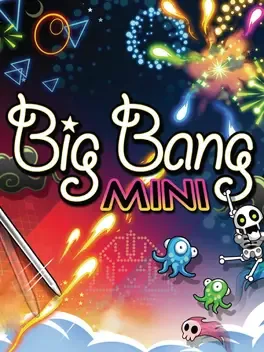
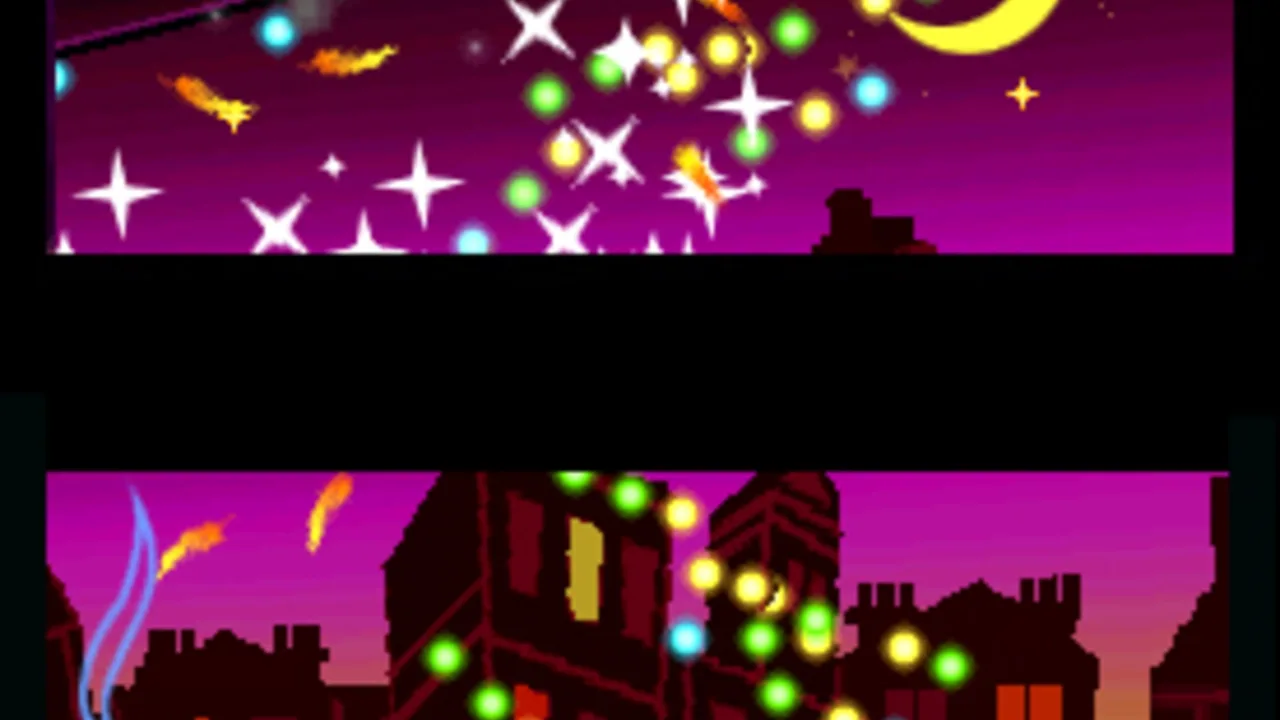
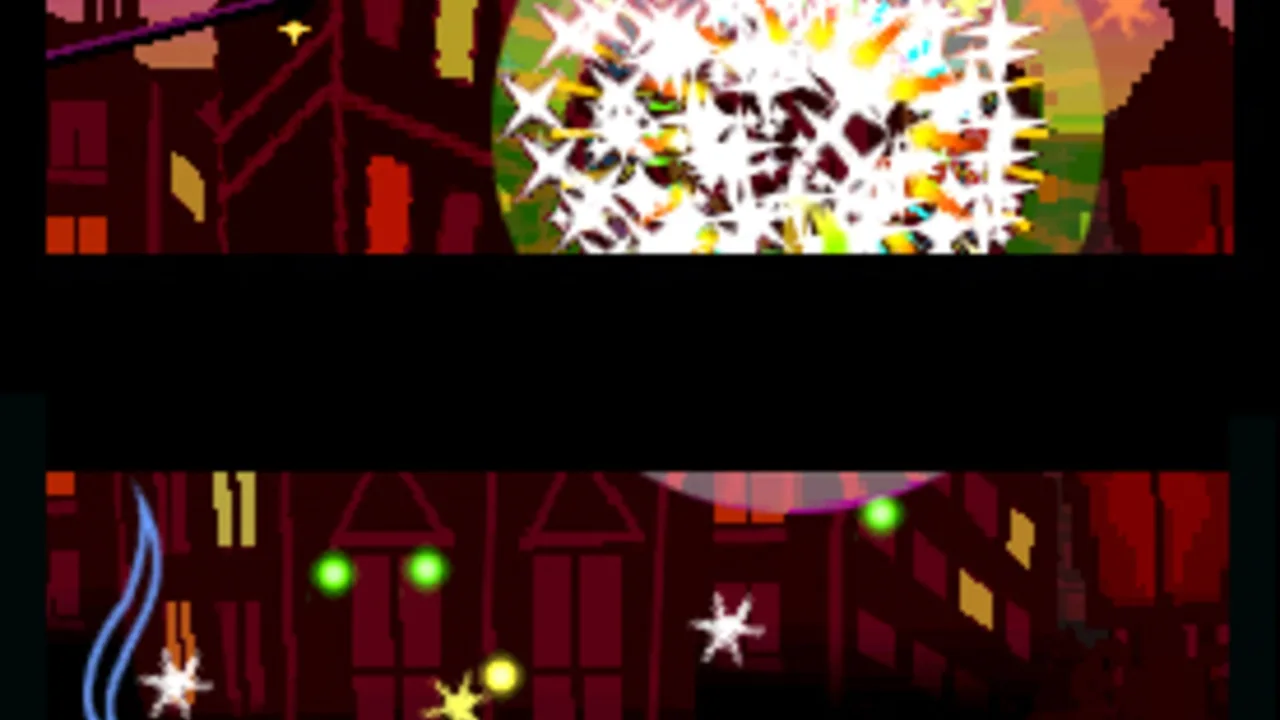
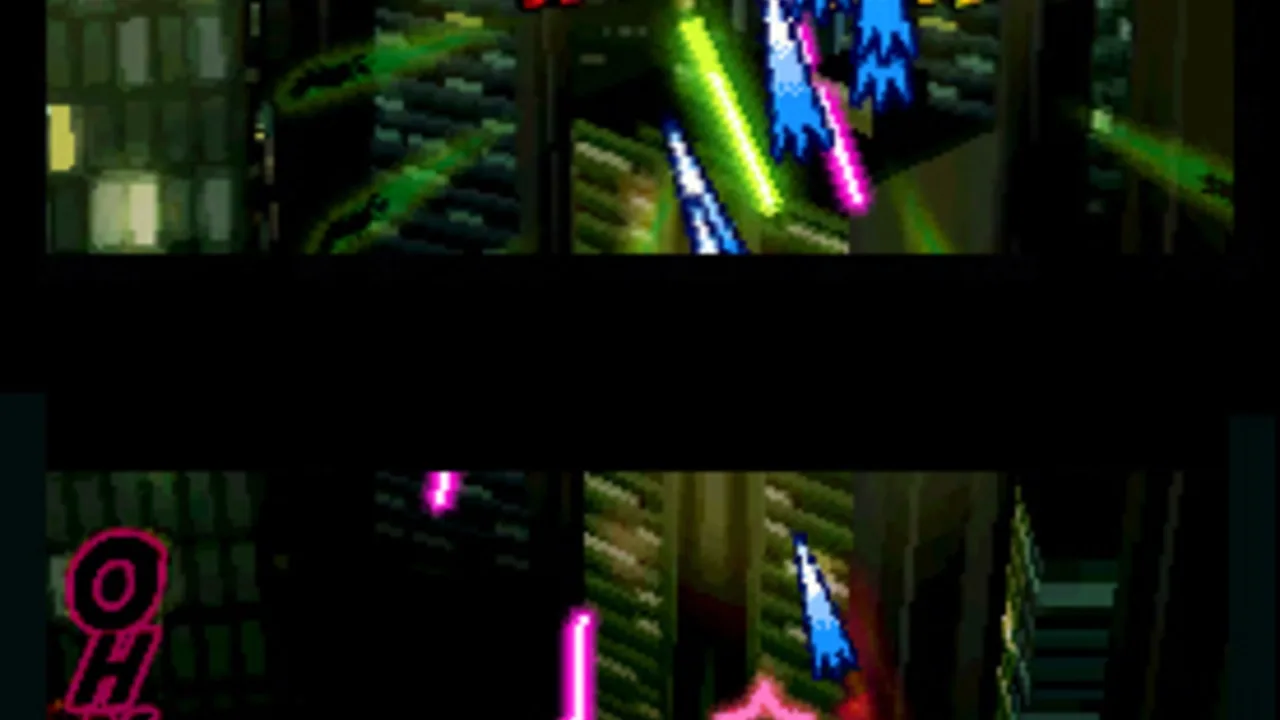
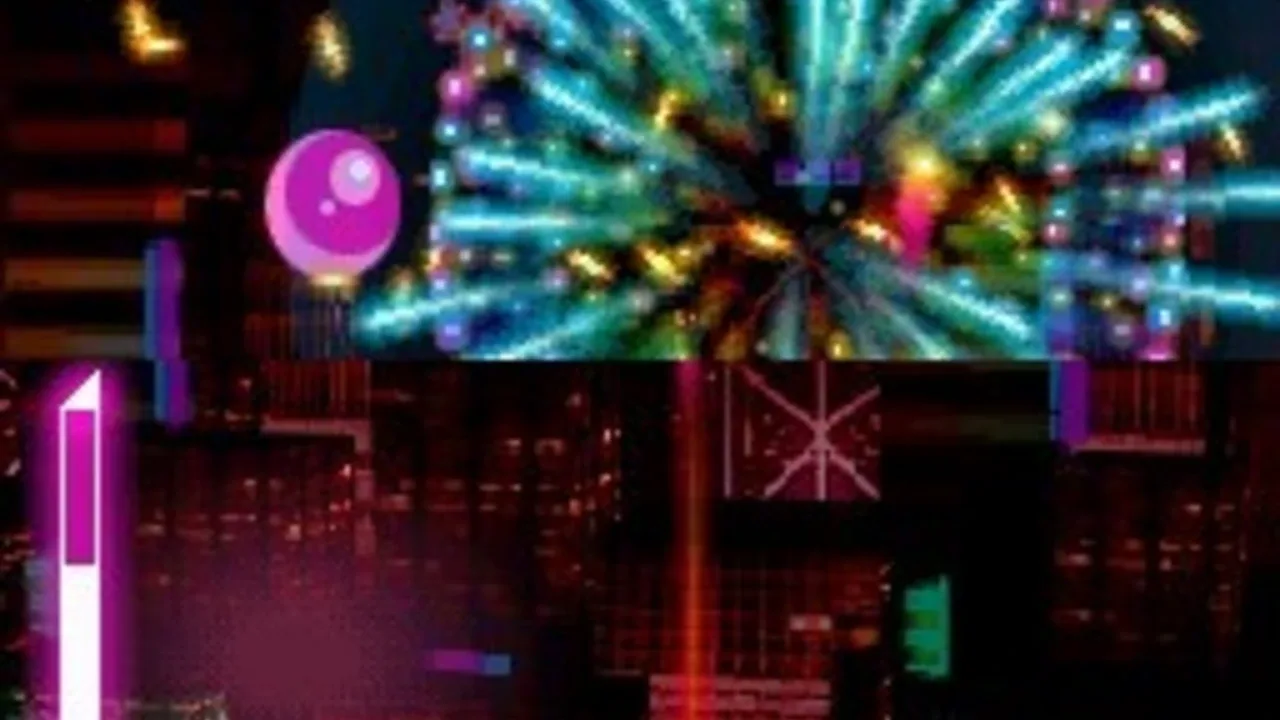
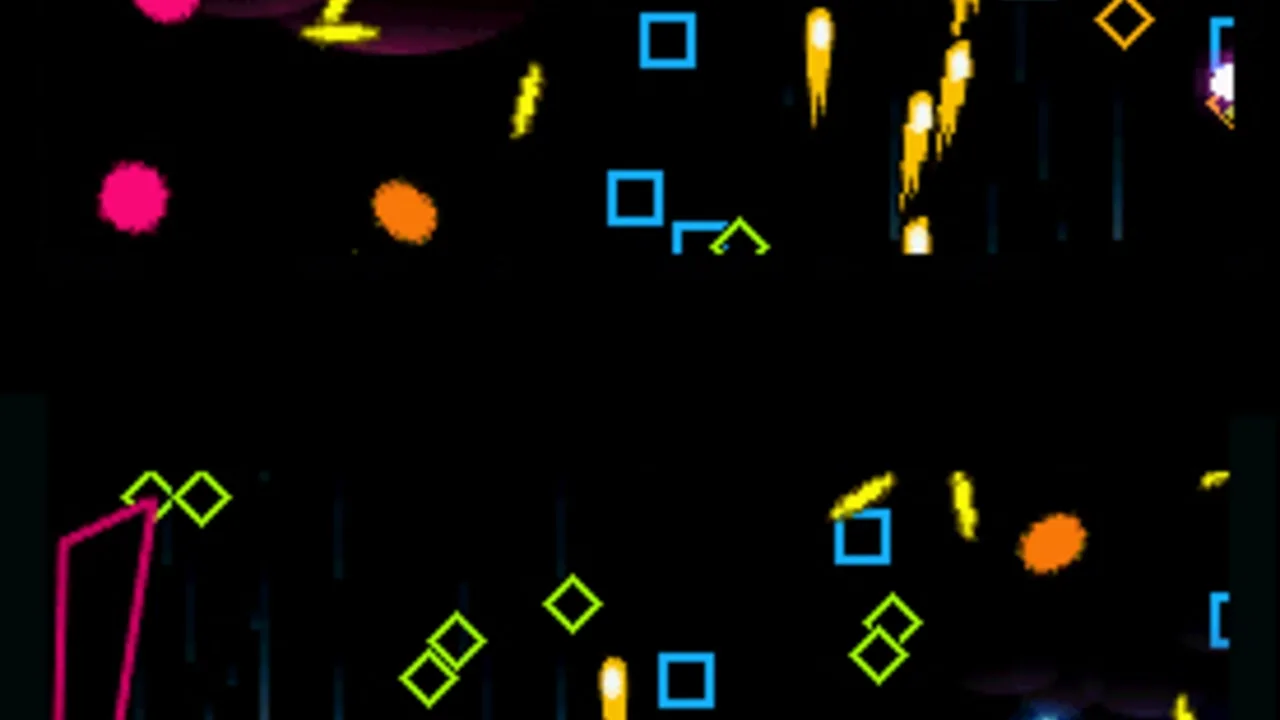
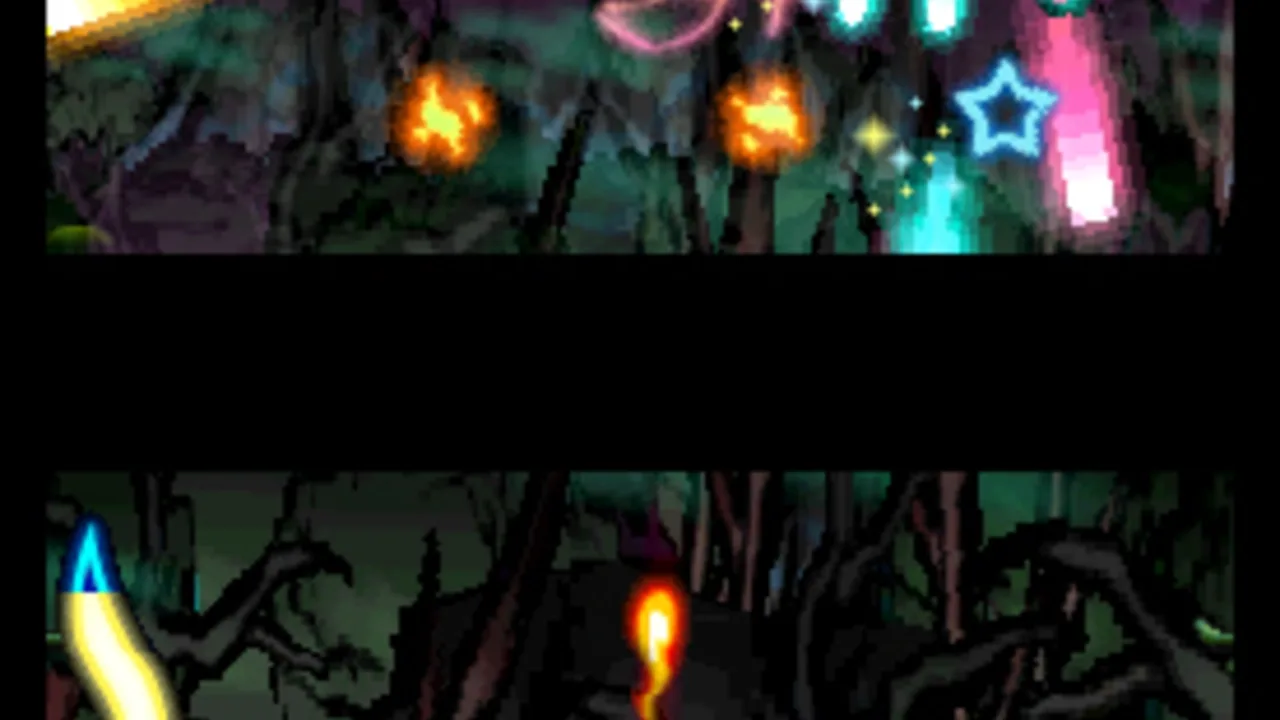
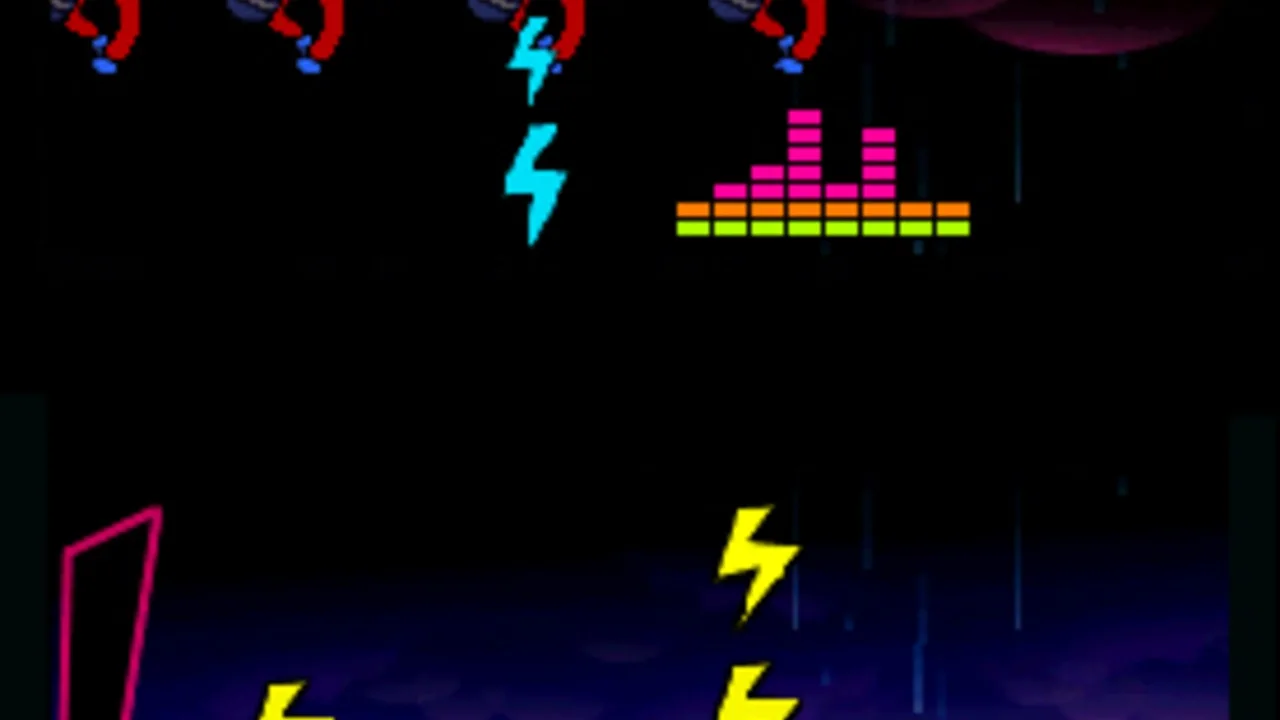
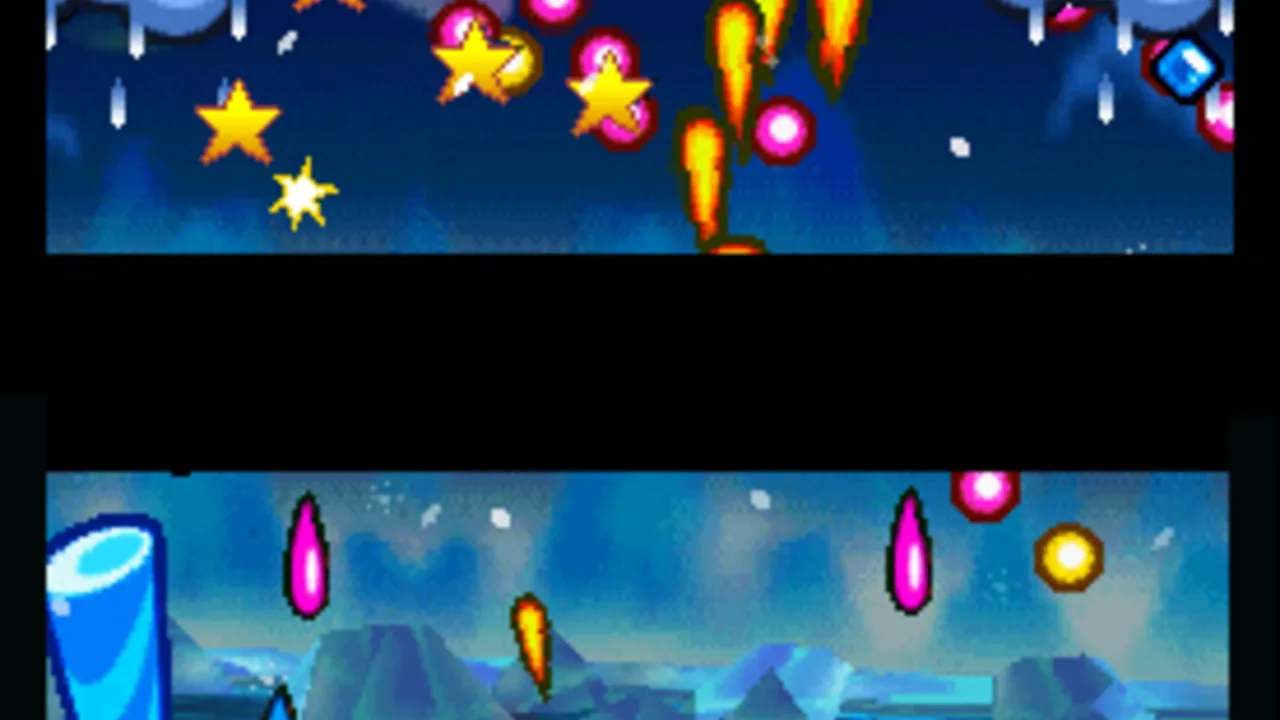
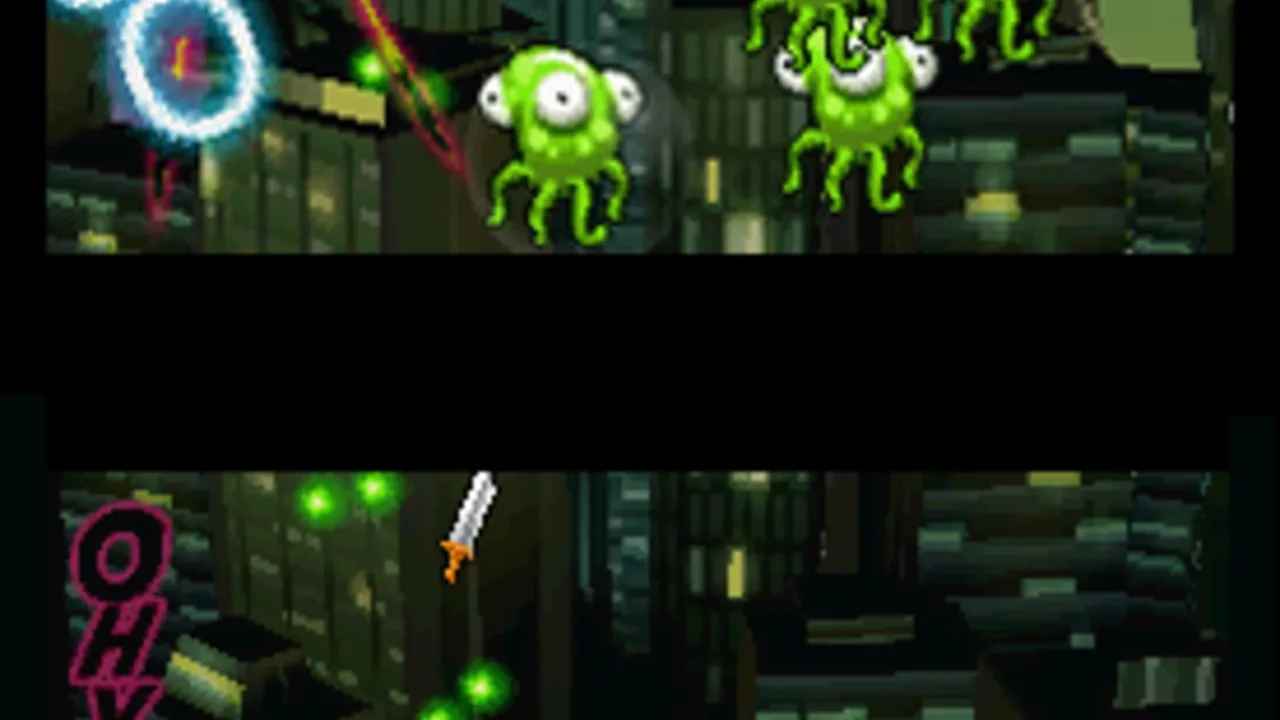
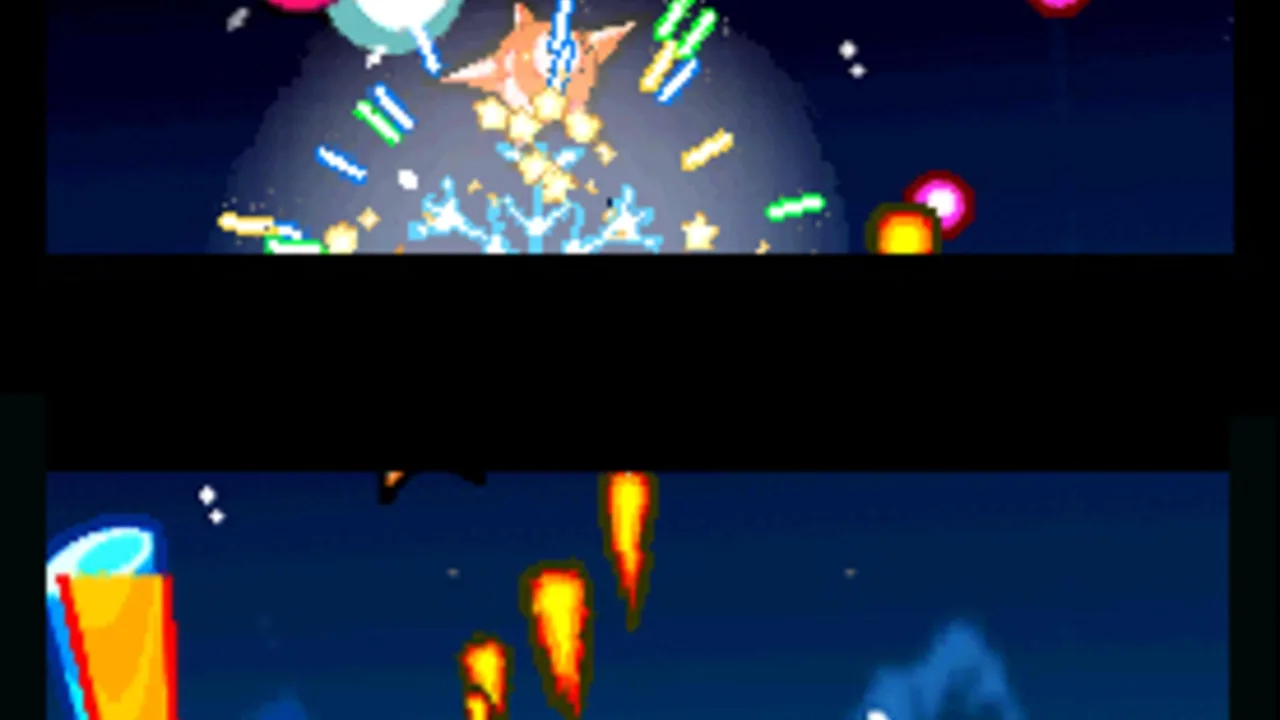
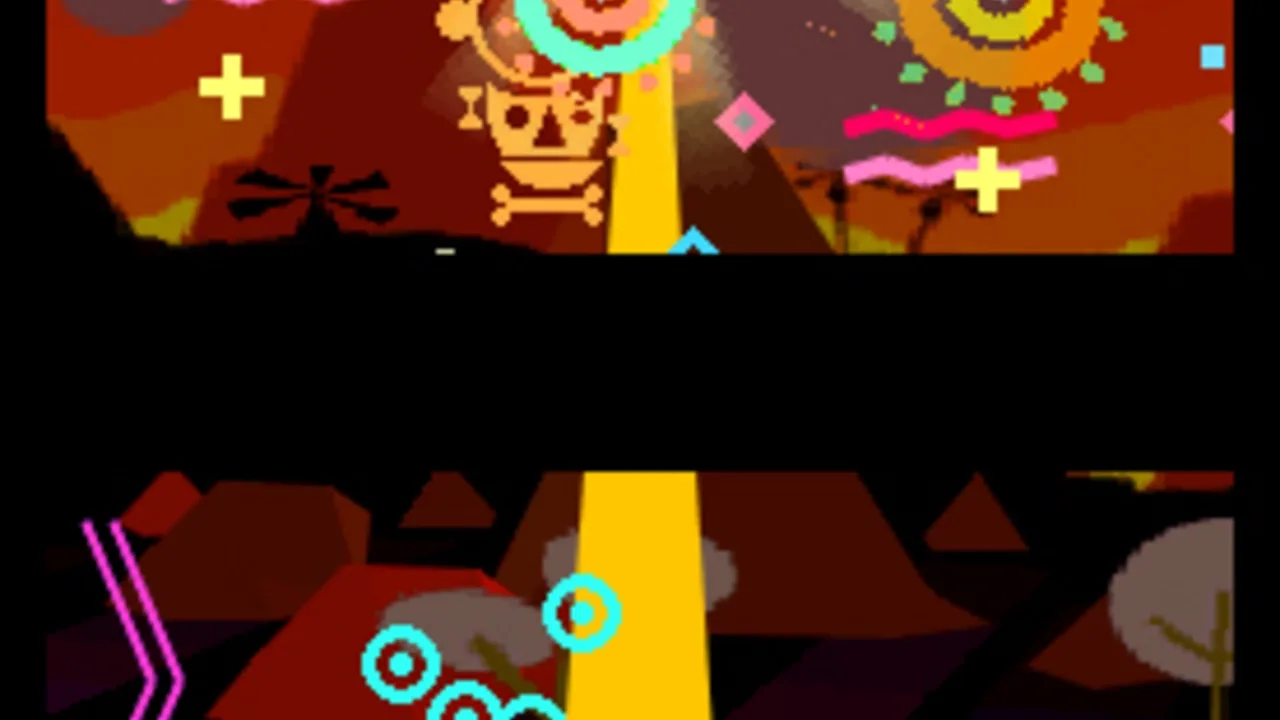
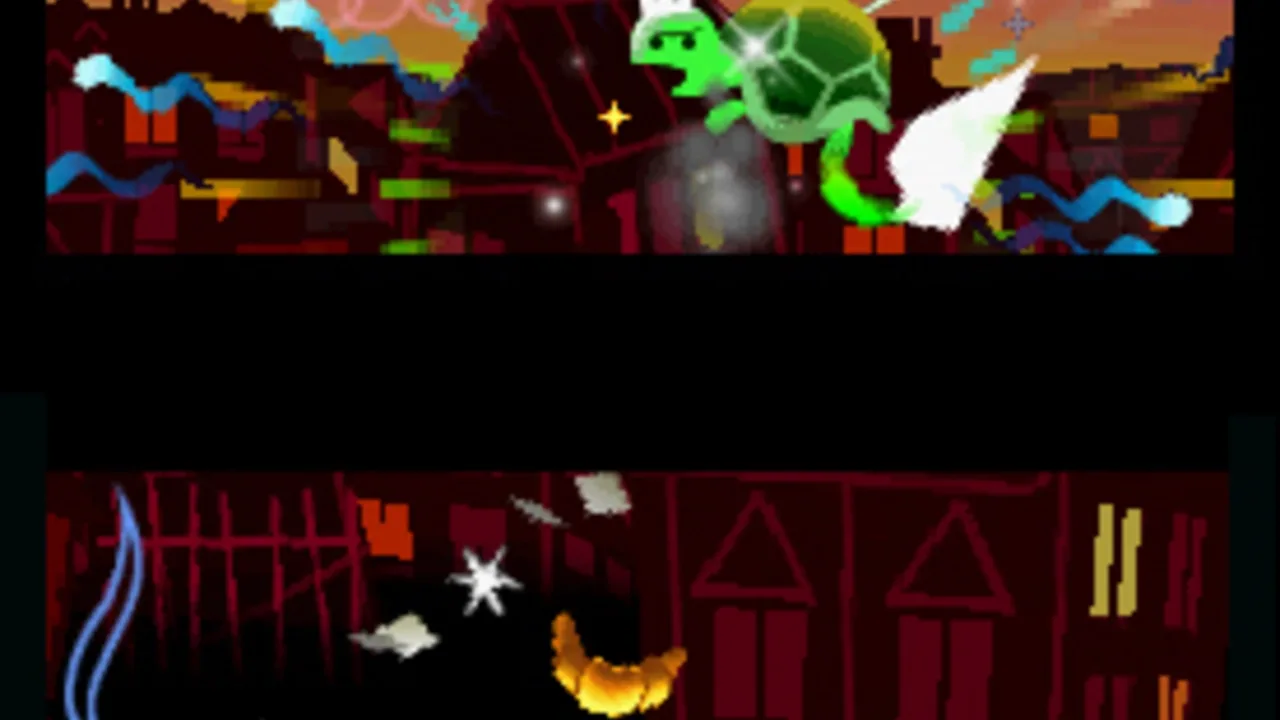
Big Bang Mini is a bidimensional shoot 'em up with "bullet hell" influences. Even the player's projectile can become dangerous, when they explode and return in the lower screen. Developed by Arkedo and published by SouthPeak Games.
Could be interesting
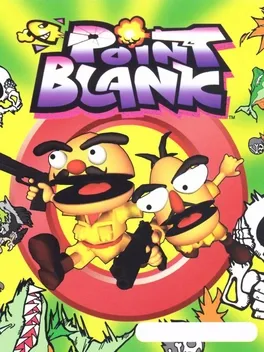
Point Blank is a first-person arcade shooter developed by Namco. Players use two attached light guns to hit targets onscreen; missions require speed, quick judgment or pinpoint accuracy. The game consists of non-violent, all-ages, shooting contests like shooting targets, shooting cardboard targets, etc.
A microgame collection that was commissioned by Metro Trains Melbourne; the game was developed in order to promote safety around trains.
Air Gallet, released in Japan as Akuu Gallet is a vertically scrolling shoot 'em up arcade game developed by Gazelle (one of the offshoots of Toaplan) and released by Banpresto in 1996. It runs on the Cave MK 1 hardware. It features the voice of narrator of Lenne Hardt and Jeff Manning.
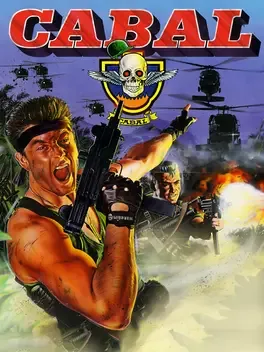
Originating in the arcades, Cabal is a shooter where the protagonist runs back and forth along the bottom of the screen, ducking and dodging bullets and grenades from the enemy. The roll maneuver from the arcade was not implemented in the PC version. The player returns fire by moving a target around the screen which also moves the player character and may expose him to enemy fire.
Wario and his pals learn fun, wacky moves after discovering a strange book and a mystical device called the Form Baton. Familiar characters from the WarioWare universe will return to this installment and some new ones will appear. Players must clear fast-paced sets of microgames, changing the way they hold the Wii Remote each time.
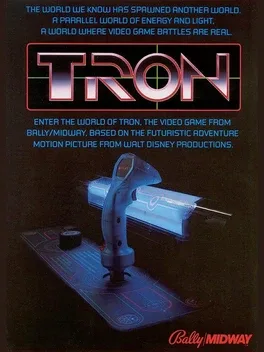
Tron is a coin-operated arcade video game manufactured and distributed by Bally Midway in 1982. It is based on the Walt Disney Productions motion picture Tron released in the same year. The game consists of four subgames inspired by the events of the science fiction film. It features some characters and equipment seen in the film, e.g. the Light Cycles, battle tanks, the Input/Output Tower.
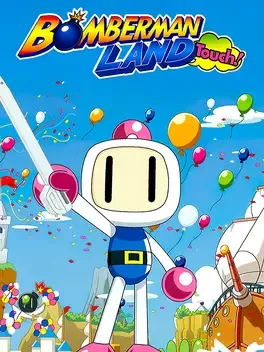
The fun of the Bomberman series returns to the Nintendo DS, this time with not only classic Bomberman gameplay, but a whole new selection of addictive mini games to play alone, or over Nintendo's Wi-Fi connection! Navigate your way through an amusement park filled with addictive mini games with intuitive stylus control, while working to unlock all the games.
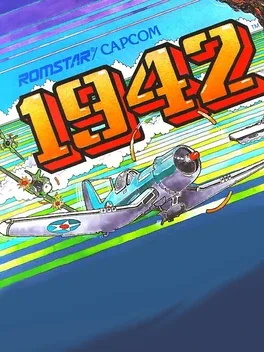
1942 is a vertically scrolling shoot 'em up made by Capcom that was released for the arcade in 1984. The goal is to reach Tokyo and destroy the entire Japanese air fleet. The player pilots a plane dubbed the "Super Ace" . The player has to shoot down enemy planes; to avoid enemy fire, the player can perform a roll or "loop-the-loop". During the game the player may collect a series of power-ups, one of them allowing the plane to be escorted by two other smaller fighters in a Tip Tow formation.
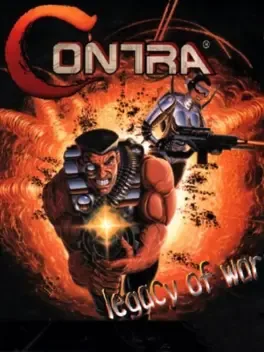
Contra: Legacy of War is a 3D action game produced by Konami and developed by Appaloosa Interactive that was originally released in 1996 for the PlayStation and Sega Saturn. It was the first of two Contra games that were externally developed by Appaloosa, followed by C: The Contra Adventure in 1998. The game marks the series' jump to three-dimensional graphics and controversial changes in gameplay. Legacy of War was released packaged with a pair of 3D anaglyph glasses, which the game supported. Legacy of War bears the distinction for being the first console game in the series to retain both the Contra title and human characters during its release in Europe and Australia (where the console series has been known as Probotector from the first NES game and up until Contra: Hard Corps). The game was scheduled to be released in Japan as well, but was canceled.
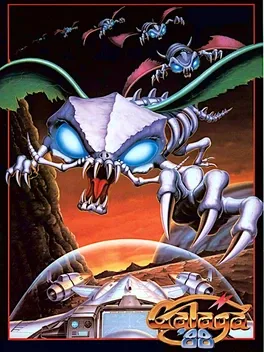
The gameplay in Galaga '88 is built on the same premise as that of the original Galaga game, but is in many ways more complex and more difficult. The game is divided into a series of 29 Stages distributed through eight Worlds. The starship Galaga accelerates between Stages and Worlds and even to higher dimensions (go to the section on Dimensional Travel below to find out more). With the exception of the third and eighth, each World culminates in a Challenging Stage. There are six such stages to engage in any full game, and each begins with the on-screen announcement "That's Galactic Dancin'!" and has its own YM2151-generated song to which the enemy formations dance. In any given Challenging Stage, both the design of the enemies and their dancing formations shall vary according to the player's current Dimension. As in Galaga, the objective is to destroy all forty enemies before they fly away off the screen. However, refraining completely from touching any controls for the duration of a Challenging Stage awards a "secret bonus" ranging in value from 10000 to 25000 points, and equal to the "special bonus" which would have been awarded for destroying all forty enemy aliens instead. Galaga '88 introduces a variety of new enemies and behaviors. Most of these special enemies are worth varying amounts of bonus points when destroyed. Some enemies can combine into larger enemies which take multiple hits to destroy, while others arrive in eggs, explode in a shower of fireworks, grow with multiple hits, or sport armor which makes them invincible while in formation. Certain enemies drop small formations of tiny creatures that wiggle their way down the screen, and still others can act as escorts to incoming groups of enemies and then quickly dive at the player before leaving the game. Most stages also include various obstacles which appear once the enemy formation has been assembled. These can be destroyed with either one or several shots, and the first one on each stage will leave a "Warp Capsule". At the start of the game, the player can select how many Galaga starships to start with (one or two), affecting their number of remaining lives. The game ends after the final boss is defeated (or when the player's last ship is destroyed or captured) - in the latter case, the player can continue the game for an additional credit. The Game Over screen shows the player's hit-miss ratio and a visual representation of their progress. If the player reaches Stage 27, the game also shows a picture of the final boss (damaged if defeated, but silhouetted if not). If the arcade operator has set the "continue" option to "on", the player also cannot continue if he is defeated on Stages 27-29.