
Zaxxon


Buy
Part of collection:
Zaxxon
(last 3 games)
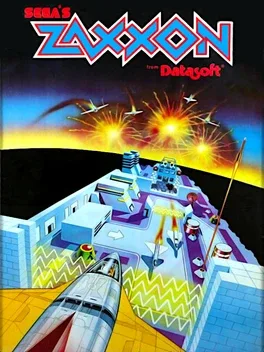
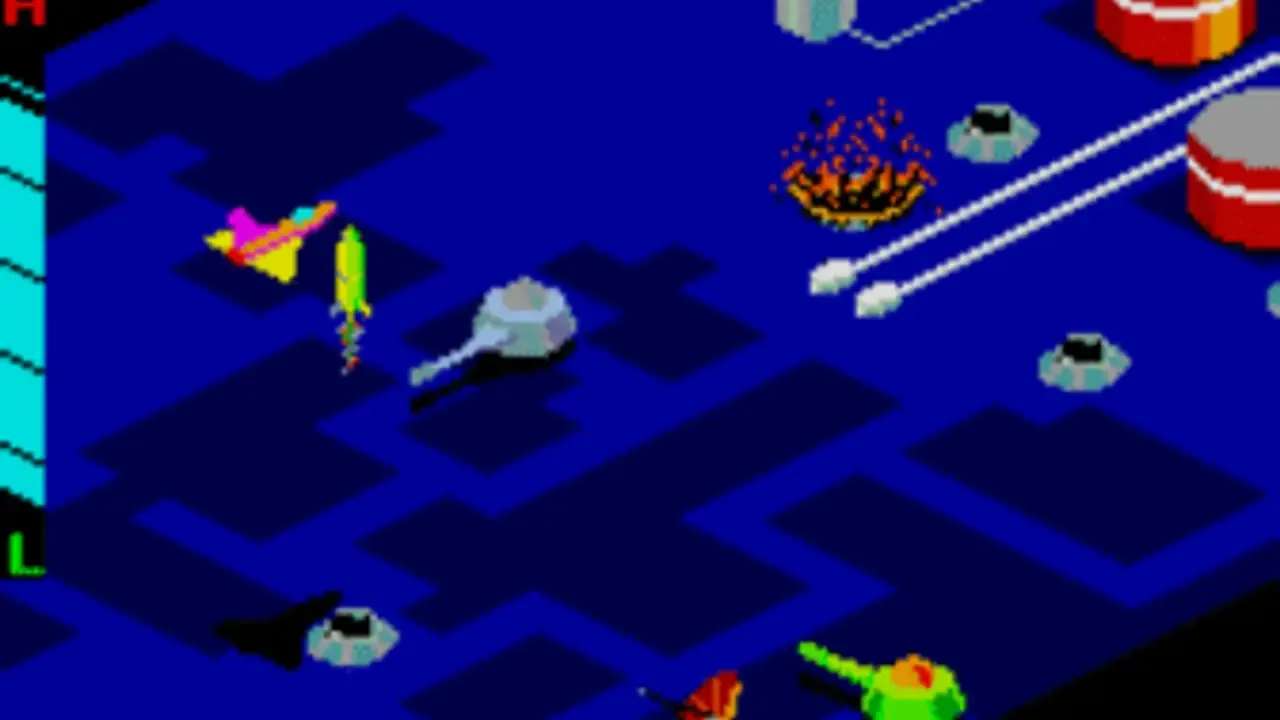
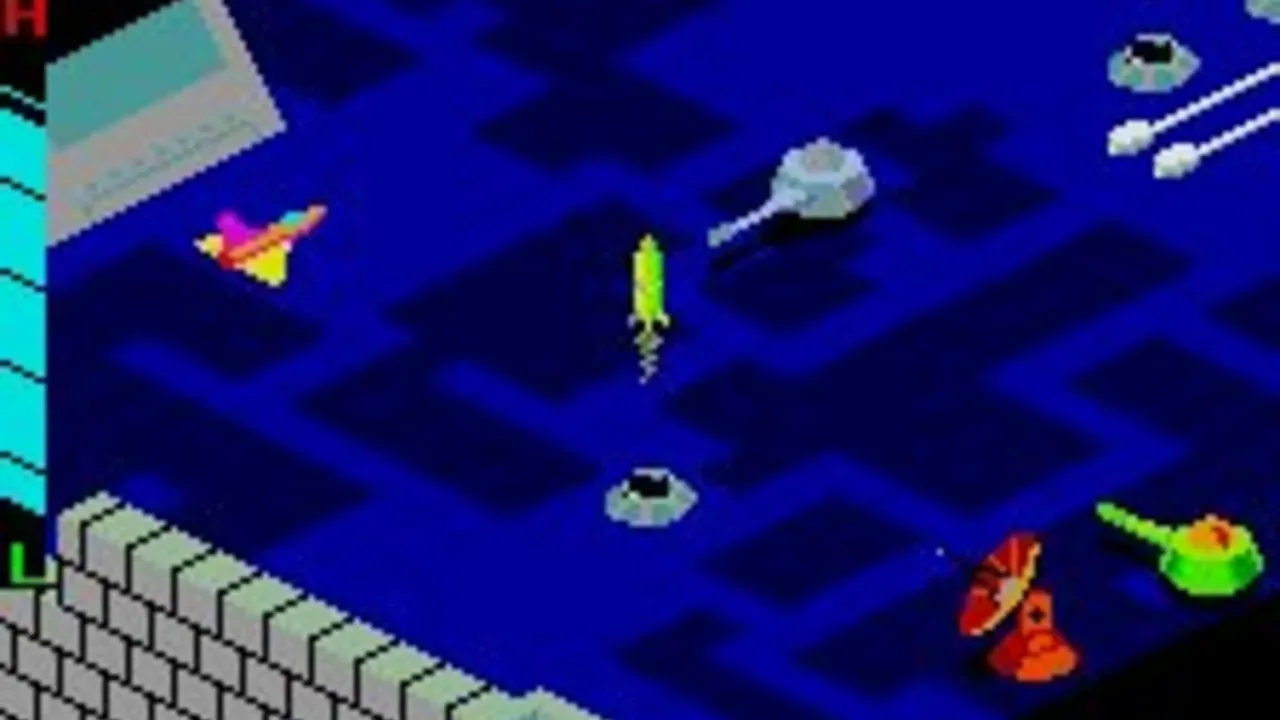
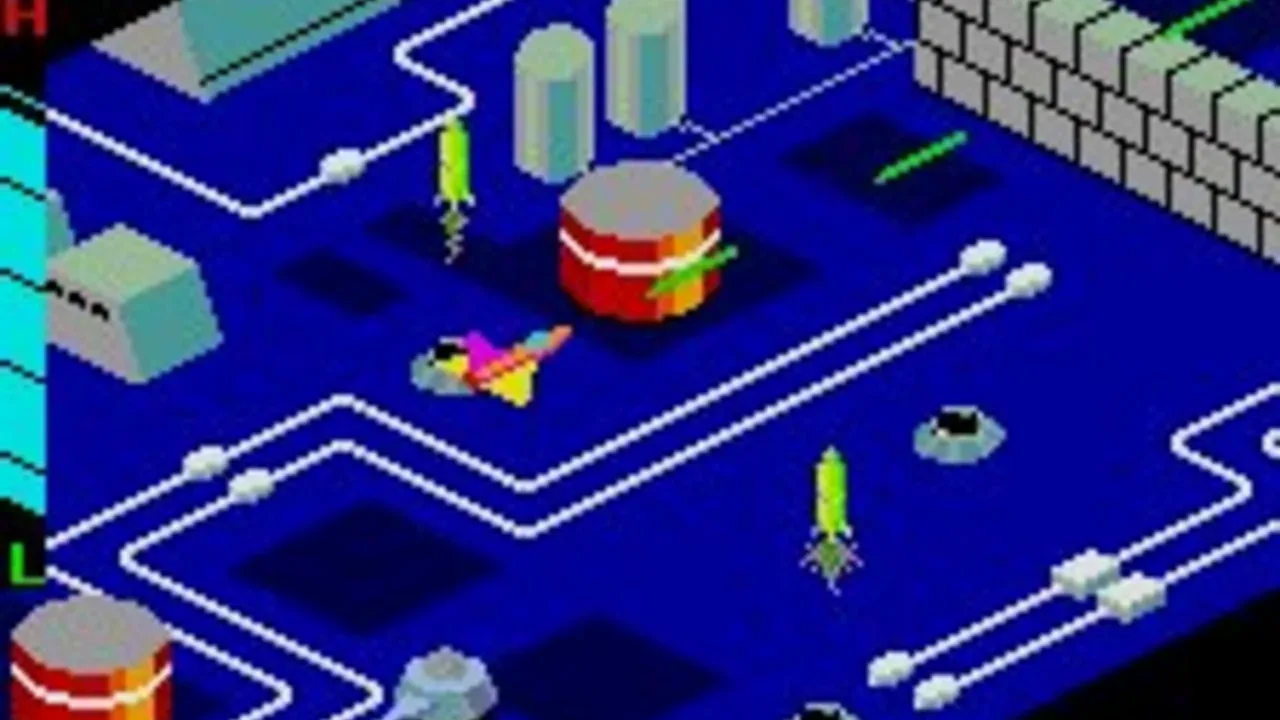
This 32X-exclusive sci-fi shooter is similar gameplay-wise to Sega's arcade game Zaxxon. The graphics consist of a diagonally scrolling playfield which creates a pseudo 3D environment. The backgrounds are drawn using 2D scrolling planes, but the enemy and ship objects are drawn using 3D flat-shaded polygons. Although the basic goal of each of the 9 levels is to shoot everything without getting shot, the game has a strategic element. Your basic spacecraft has very little firepower, and can only sustain one hit. To make matters worse, there are very few power-ups. In order to survive, you have to jump on top of enemies and take control of their weapons systems. This system allows for a large variety of player-controllable ships.
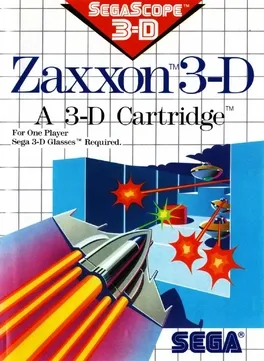
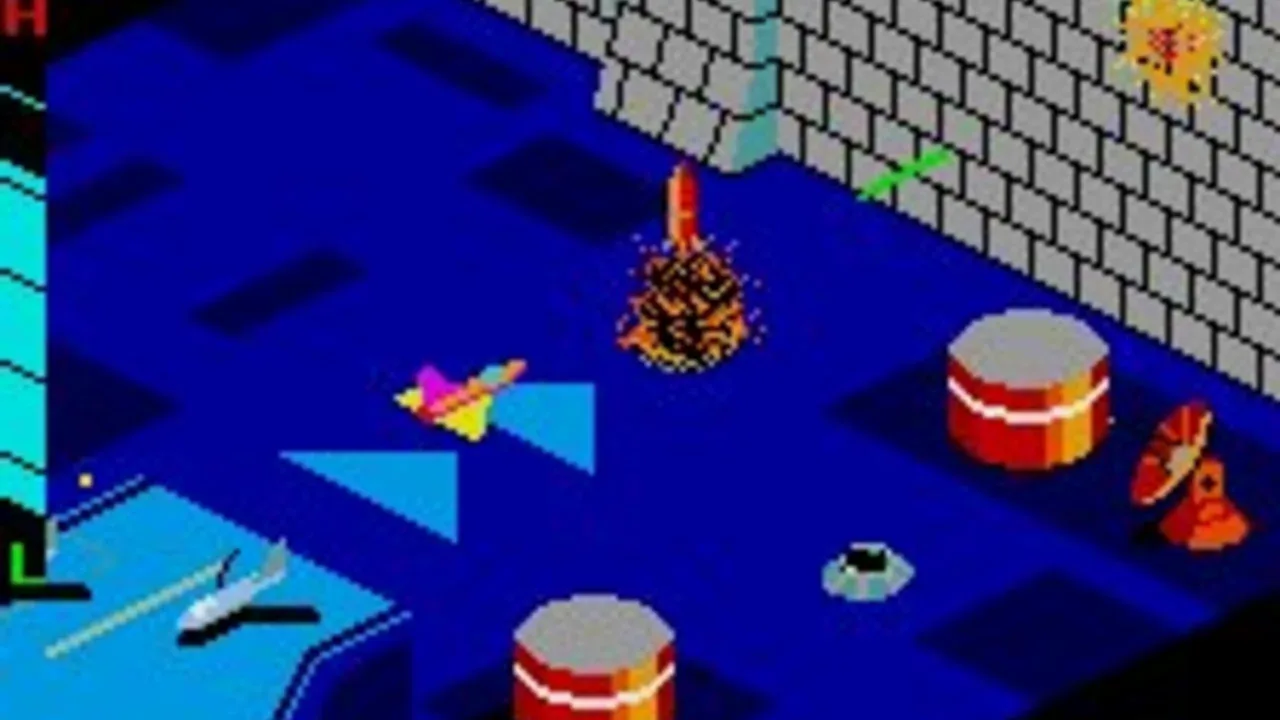
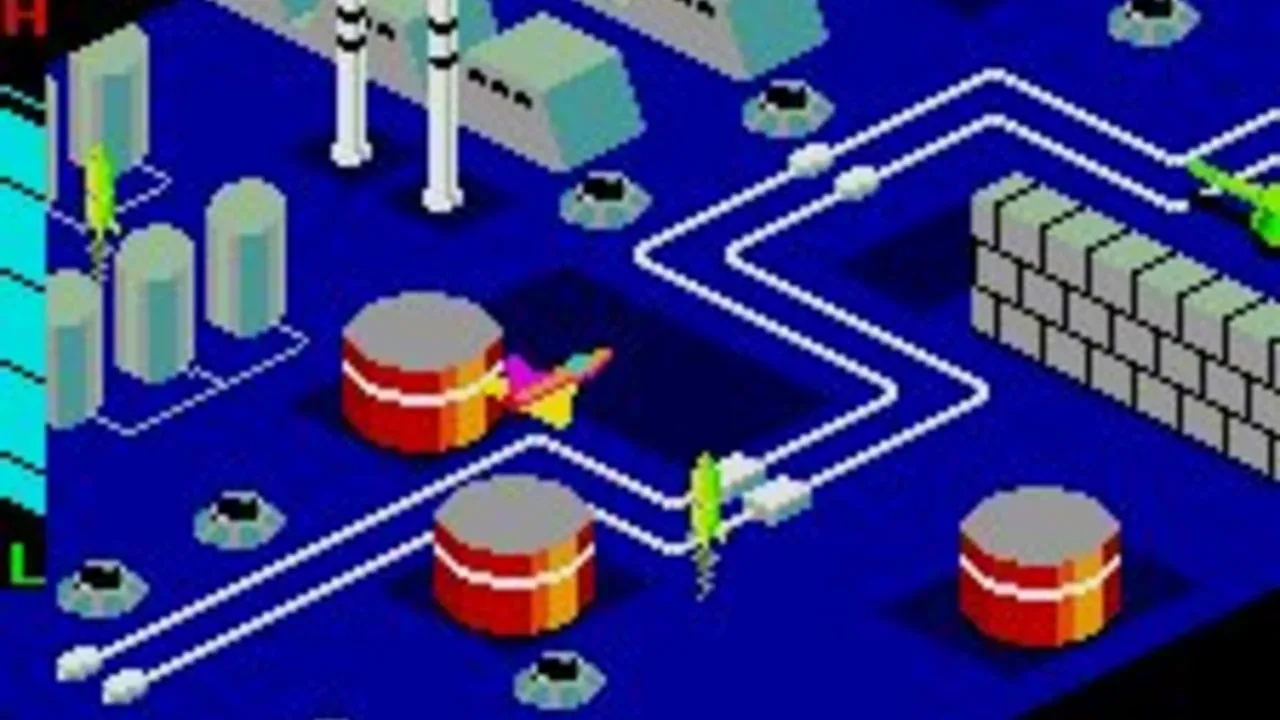
The enemy has built battle fortresses in the farthest reaches of space. There's only one way in... and one way out. Your Mission: To infiltrate the enemy's defenses and destroy their motherships!
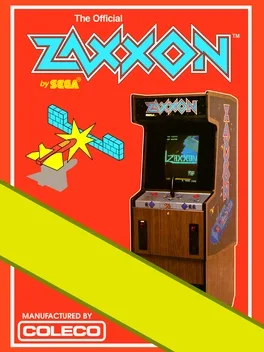
A Port of Zaxxon for Atari 2600 and Intellivision. This version of the game uses a third person perspective as opposed to the isometric view of the original arcade game.
Could be interesting
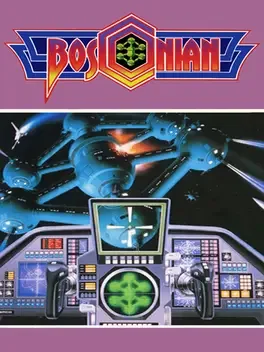
The object of Bosconian is to score as many points as possible by destroying enemy bases and ships. The player controls a small fighter ship that can move in eight directions and can fire both forward and backward. Each level consists of a number of green space stations that must all be destroyed to advance to the next level (a semi-transparent mini-map helps identify their location). Each station consists of six cannons arranged in a hexagon, surrounding a central core. The player must either destroy all six cannons or shoot the core to destroy a station, and in later levels the core is capable of defending itself. Additionally, the player must avoid or destroy asteroids, mines, and a variety of enemy missiles and ships that attempt to collide with the player's ship. Enemies occasionally launch formation attacks — destroying the leader causes all remaining enemies to disperse, but destroying all enemies in a formation scores extra bonus points. A spy ship (worth a random bonus value) also appears occasionally, which must be destroyed or the enemies will go berserk.
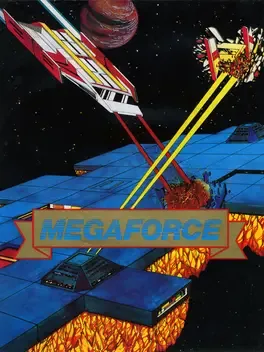
In the game, the player pilots a starship called the Final Star, while shooting various enemies and destroying enemy structures for points. Unlike later vertical scrolling shooters, like Toaplan's Twin Cobra, the Final Star had only two levels of weapon power, and no secondary weapons like missiles and/or bombs. Each stage in the game was named after a letter of the Greek alphabet. In certain versions of the game, there is an additional level called "Infinity" (represented by the infinity symbol) which occurs after Omega, after which the game repeats indefinitely.
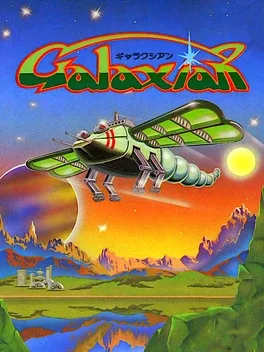
Galaxian is a shooter arcade game developed by Namco in 1979. It was released by Namco in Japan and a few months later by Midway Games in North America. The game was developed to compete with Taito Corporation's Space Invaders, released a year earlier, and featured a similar space theme. The player controls a space ship in the bottom part of the screen and shoots at enemies descending from the top of the screen. The game was received very well by the public and has continued to be a game with a competitive community to this day. It was followed by a successful sequel called Galaga in 1981 and two less known sequels called Gaplus in 1984 and Galaga '88 in 1987. Galaxian was one of the most popular games in the golden age of arcade video games.
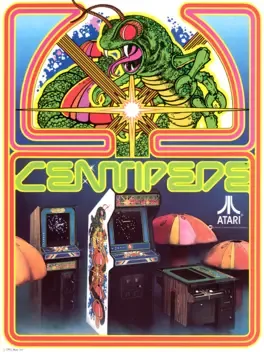
Centipede is a vertically-oriented shoot 'em up arcade game produced by Atari, Inc. in 1980. The game was designed by Ed Logg along with Dona Bailey, one of the few female game programmers in the industry at this time. It was also the first arcade coin-operated game to have a significant female player base. The player defends against swarms of insects, completing a round after eliminating the centipede that winds down the playing field.

There are many scrolling shooters but none of them is like "Sky Force". This stunning shoot ‘em up game combines the classic arcade elements with the new possibilities offered by current technology. The new installment in the series just came out in a spectacular style. "Sky Force 2014" was a huge success, acclaimed by gamers and critics. "Reloaded" gives players more of what they loved in the previous "Sky Force". Get ready for your device getting hot and your finger getting sore. Prepare yourself for exciting new missions, more powerful enemies and breathtaking boss battles! "Sky Force Reloaded" offers gorgeous 3D graphics, intense gameplay and a lot of new features. The options to boost up your planes are incredible. Yes, that’s right, PLANES! There’s a satisfying number of planes to choose from. Each with different strengths and weaknesses. Cater to your inner collector by hunting in-game buff cards and unlocking a number of achievements.
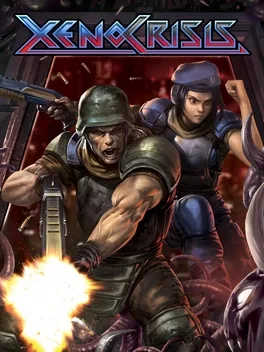
Xeno Crisis is an arena shooter in which one or two players take control of battle-hardened marines embarking on a deadly mission to confront an alien menace and get home alive! Run and gun your way through thousands of adversaries as you explore the devastated research outpost, searching for survivors, and ultimately facing the origin of the outpost's demise. Outpost 88 is divided into seven distinct areas, each being randomly generated with each play, meaning that your strategy must evolve on the fly if you're to succeed in your mission. Collect dog-tags from vanquished enemies to upgrade your equipment between areas and look out for special weapons which will give you a momentary advantage.
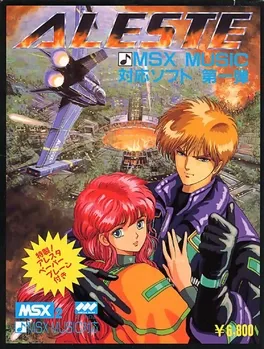
Your planet has been overrun by the meanest mutant vegetation ever created in a genetics laboratory. It's taken over buildings, labs, fighter craft... even people! And it's getting bigger... and meaner... with each passing second. But it hasn't taken over you. Now, you're going in on a mission to deliver a POWER STRIKE! You have a special attack ship with the ability to use weapons you free from the ground. The action is hot and heavy. The enemy is coming faster than you could ever believe! So fight hard and fast. If you don't turn the mutated vegetation into a giant tossed salad, they'll turn you into toast!
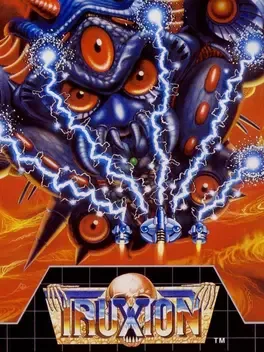
Truxton is a 1988 vertically scrolling, shoot 'em up arcade game developed by Toaplan, later ported to the Mega Drive (worldwide) and the PC Engine (Japan-only). Like many other scrolling shooters, the game is set in outer space, where the player takes control of a small spaceship across several planets. The game is played with an eight-way joystick and two buttons (a shot and a bomb button) through five large levels and their bosses (which then loop forever, at higher difficulties).
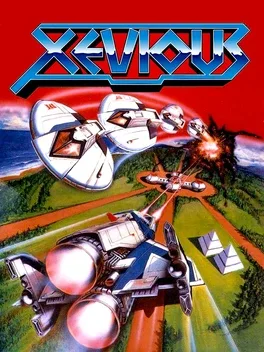
It's a nightmare, but it's true! Research shows that we are the actual aliens on Earth, and the ruthless Xevions are the original inhabitants. Now the Xevions want Earth back -- minus humans! Their invasion forces are fierce -- the land is crawling with deadly Domogram Rovers; the sky is black with Toroid Patrol Fleets and Zoshi Death Squads. Our puny weapons offer no defense. Earth's only hope is our powerful new Solvalou Fighter Plane. Its pilot will have a single mission: Penetrate the enemy ranks and destroy the Xevious Mother Ship. The mission is dangerous. We can't guarantee success. But at this point, it's do or die! One small problem. We still need a pilot. Any volunteers?
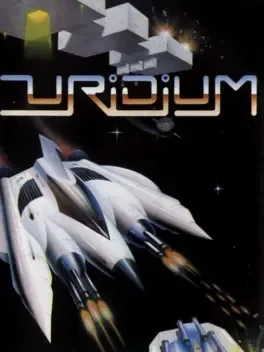
Uridium (released on the NES as The Last Starfighter) is a science fiction side-scrolling shoot 'em up originally designed by Andrew Braybrook for the Commodore 64, and later ported to other 8-bit machines. It consists of fifteen levels, each named after a metal element, with the last level being called Uridium (a fictional metallic element, not to be confused with the real metallic element iridium). The manual quotes Robert Orchard, who invented the name as saying "I really thought it existed".