
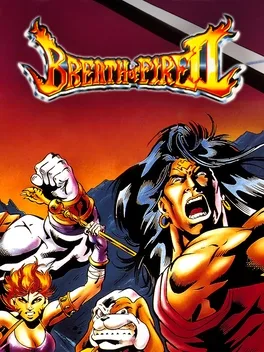
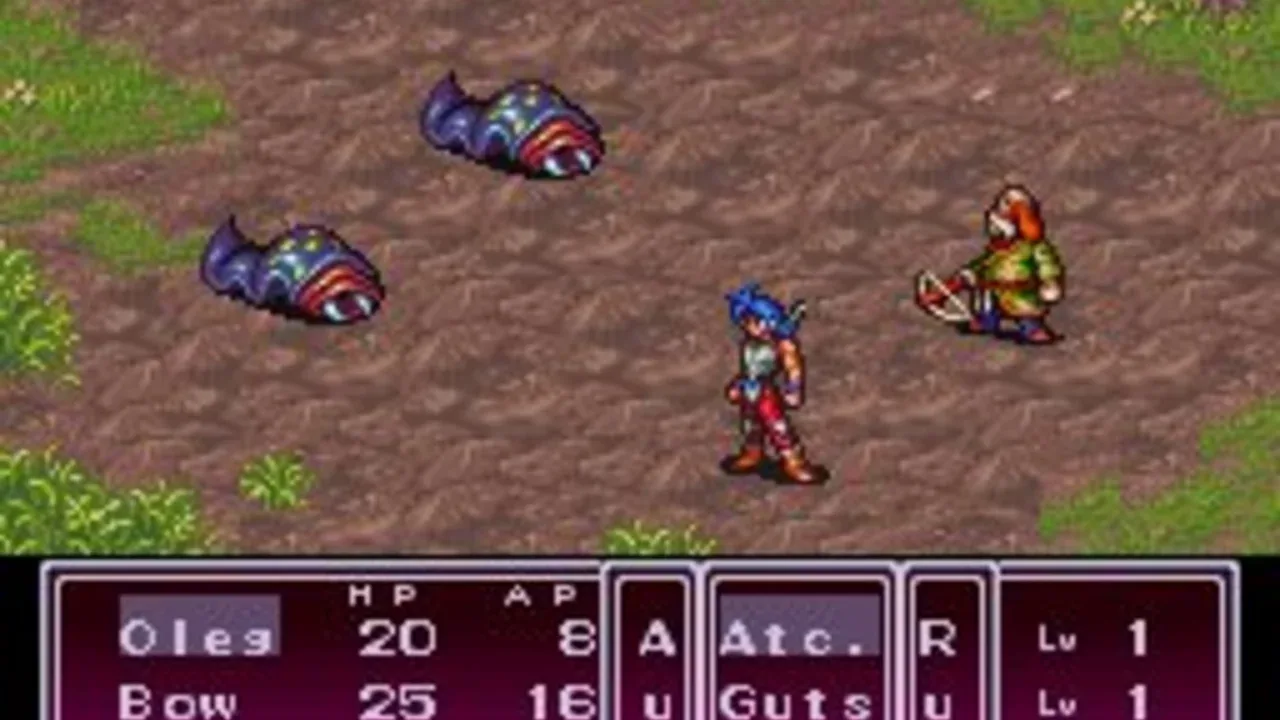
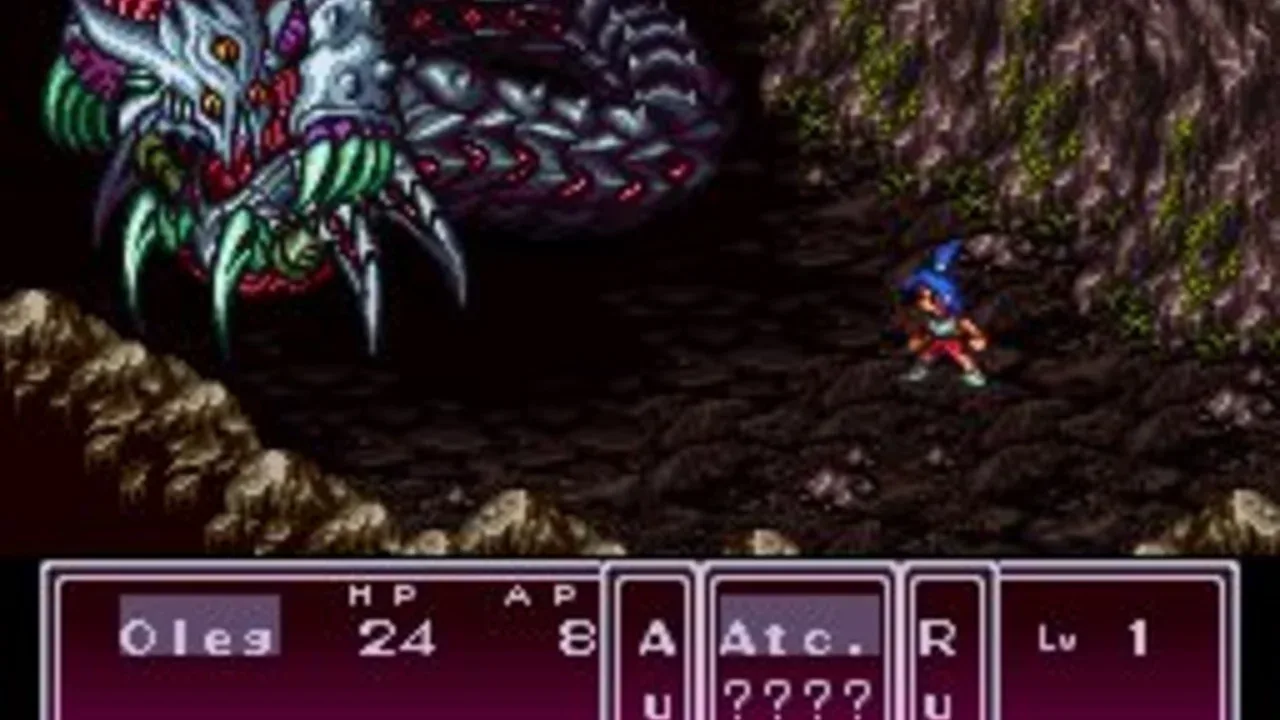
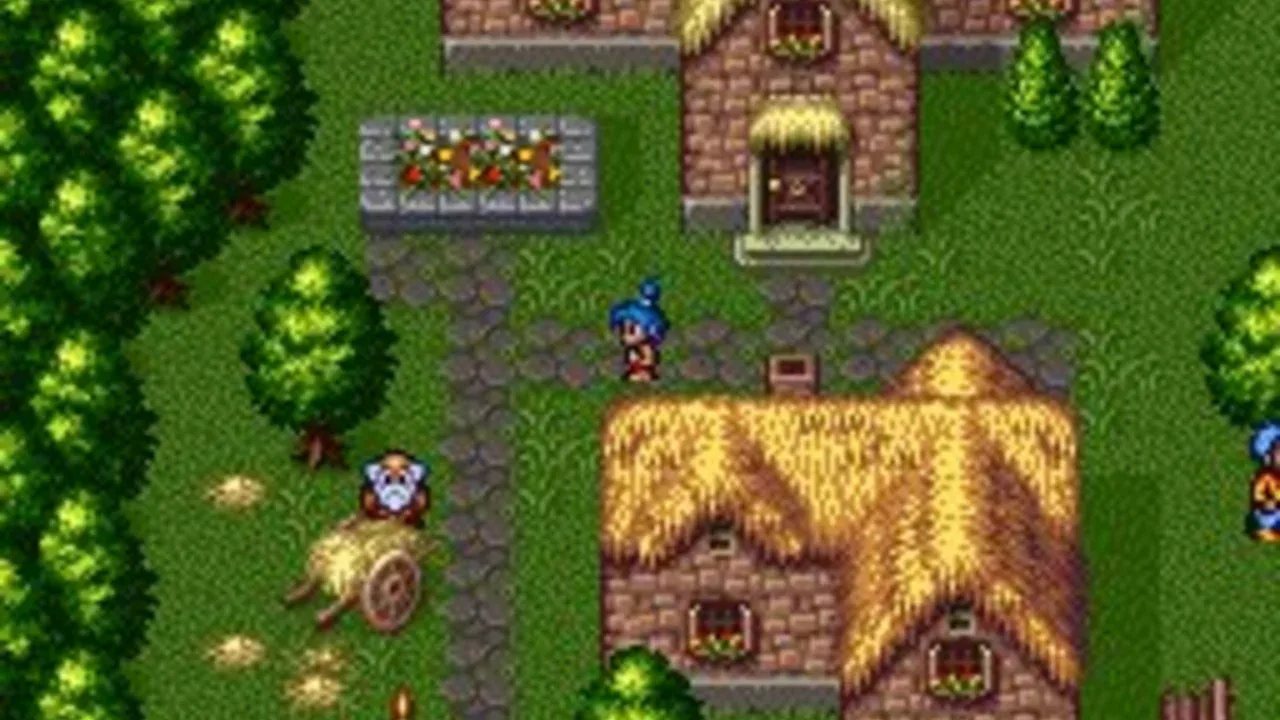
Breath of Fire II


Buy
Part of collection:
Breath of Fire
(last 3 games)
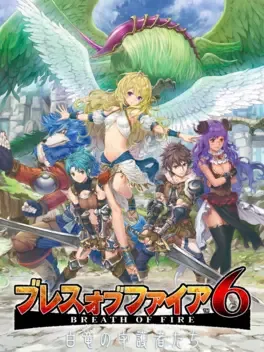
Breath of Fire 6: Hakuryū no Shugosha-tachi was a free-to-play online, web-based role-playing video game with microtransactions developed and published by Capcom as the sixth main installment of its Breath of Fire series. The game was released in Japan on February 24, 2016 for Microsoft Windows computers and Android devices, with an iOS release following on July 12, 2016. On September 27, 2017, all services for Breath of Fire 6 officially closed, after only six of the game's eight planned episodes were released.
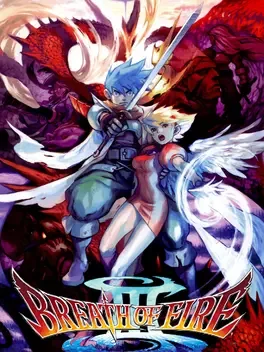
Capcom's third installment of its epic RPG. Breath of Fire III is the first installment of the Breath of Fire Series to appear on the PlayStation (And later ported to the PSP). Set free by the the workers of Dauna Mine, Ryu of the Brood learns to both understand his power, and to understand the history of his extinct kind. By both utilizing Ryu's unique power and the abilities of those whom assist him, players will uncover the history of the Brood, learn more about the characters, and the very reason why the Brood were wiped out. Players control Ryu and his allies on their journey, each of Ryu's friends have abilities only they can use, and they will have to work together to make their way through the obstacles and enemies that they encounter; creativity is key to your success in this game!
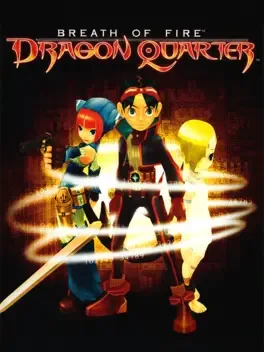
Breath of Fire: Dragon Quarter is a radical departure from the previous titles of the Breath of Fire series, and in some ways from standard Japanese-style role-playing games in general. The game is built like a huge dungeon crawler, with no overworld map. The combat is tactical: each character has action points (AP), which can be used to move around the screen during an enemy encounter, and perform a variety of combo attacks. There is no magic in the game, and many of the items found in dungeons are random. All the enemies are visible on screen. Depending on who first initiated a physical contact, the party or the enemies get an extra turn in battles. The game allows (and even encourages) the player to restart it from the beginning, keeping the items and the party experience. The game also features a special counter - Ryu can use his traditional dragon transformation abilities, but the counter raises with each such transformation, and when the counter reaches 100, the game is over. Raising the D-ratio allows characters to access new areas every time the game is replayed.
Could be interesting
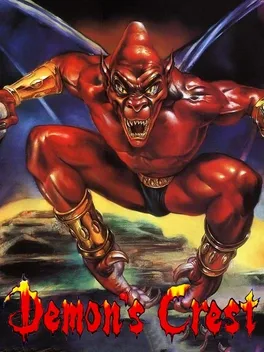
This is the third game featuring Firebrand from the Gargoyle's Quest series. It is side a scrolling platformer.
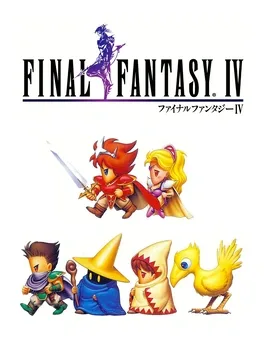
FINAL FANTASY IV is the fourth main installment in the FINAL FANTASY series, developed and published by Squaresoft. It was released in July 1991 for the Super Nintendo Entertainment System in Japan, and released as FINAL FANTASY II in North America in October 1991 with alterations made due to Nintendo of America's guidelines at the time.
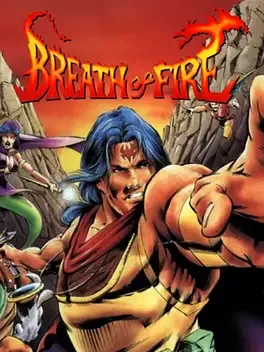
Recognized by Capcom as their first traditional role-playing video game, Breath of Fire would set the precedent for future entries in the series, and features character designs by company head of development Keiji Inafune, as well as music by members of Capcom's in-house sound team Alph Lyla. In 2001, the game was re-released for the Game Boy Advance handheld system with new save features and minor graphical enhancements, with the English version being released in Europe for the first time. Set in a fantasy world, Breath of Fire follows the journey of a boy named Ryu, one of the last surviving members of an ancient race with the ability to transform into mighty dragons, as he searches the world for his sister. During his quest, Ryu meets other warriors who share his quest, and comes into conflict with the Dark Dragon Clan, a militaristic empire who seeks to take over the world by reviving a mad goddess. The game experienced mostly positive reception upon release, and was followed by a direct sequel, Breath of Fire II, in 1994.
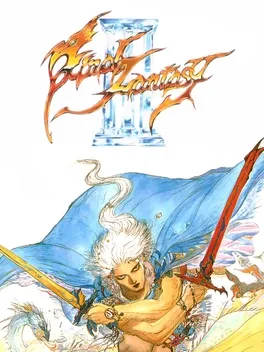
Final Fantasy III is the third FF game for the Famicom. The turn-based battle engine has been improved: if the enemy is defeated, the next character will automatically switch to another enemy, and not hit the air, like in the previous two games. The game itself is, like the previous games, a top-down RPG where your characters travel in the overworld, sometimes entering cities and dungeons to buy equipment, rest and fight random encounters and bosses with turn-based combat. Final Fantasy III also introduces various series staples, such as the Job system and the Moogle species.
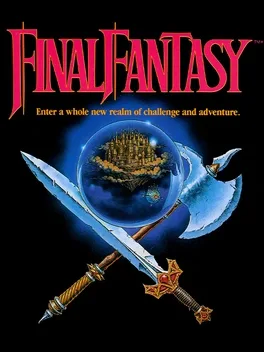
Final Fantasy, also known as FFI in re-releases, is the first role-playing game title in Square's flagship Final Fantasy series. The game puts players in control of four characters known as the Warriors of Light, and begins by asking the player to select the classes and names of each. The Warriors of Light can traverse the maps of dungeons and towns, which are connected by a world map, and will run into random encounters with enemies or fight bosses.
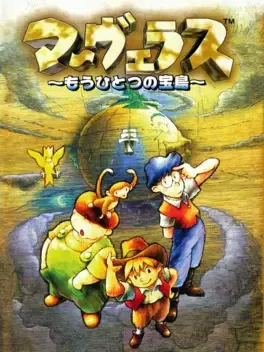
The great Captain Maverick was a pirate of legend who kept his treasure called "Marvelous" hidden that could only be found by those who were willing to solve puzzles that many deemed unsolvable. A group of children, however, will use their wits to prove them wrong when they go to the island where the treasure is said to be held. A group of pirates, however, have similar intentions. The game was referred as a spirit in Super Smash Bros. Ultimate, with the official romanization of "Marvelous: Mouhitotsu no Takarajima".
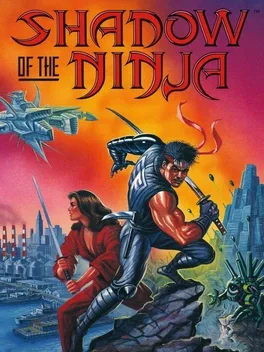
Shadow of the Ninja, originally released in Japan as Yami no Shigotonin Kage, and later released in Europe as Blue Shadow, is a 1990 futuristic ninja-themed side-scrolling action game by Natsume for the Nintendo Entertainment System.
Jazeta brought peace back to the land. But as long as evil and fear live in the human heart, the dreaded Dirth, Emperor of Darkness, will be plotting his return. The Emperor is stirring under the peaceful surface of Neutopia, bringing suffering to its people. Who will save them? Jazeta, the hero, is lost in a labyrinth in a foreign land. Can his son withstand the powers of the Emperor of Darkness to rescue the good people of Neutopia from fear and despair?
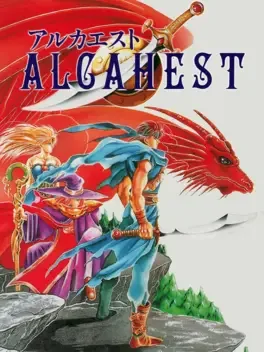
Alcahest is an action role-playing game with a top-down perspective that plays similar to The Legend of Zelda. It is divided into 8 stages that are progressed by finding items that aid the protagonist Alen on his quest, and end with a boss battle. After specific boss fights, the player will gain the abilities of one of the four elemental Guardians. Alen will also find five allies that will join him at predetermined points of some levels. They are the young wizard Garstein, the princess Elikshil, the knight Sirius, the android Magna and the shape-shifter dragon goddess Nevis. Though they cannot be controlled directly, allies will attack and use special moves when the corresponding button is pressed.
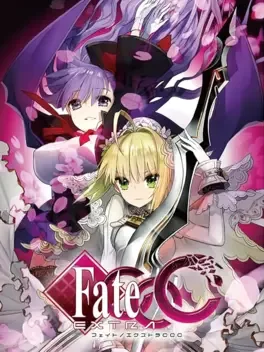
Fate/Extra CCC is a sequel and companion game to Fate/Extra. It has the same game mechanics as Fate/Extra with additional changes. Players can now escape battles and dungeon floor level. Each servants has more combat animation and their Noble Phantasm animation changed. One of the noticeable changes is there are more voices recording in cutscenes. Both genders of the Protagonist and the Servants will each have an alternate costume. There will be additional costumes for the Servants, and a save game from Fate/Extra will give the player character an alternate school gym outfit. All of the Characters have a Secret Garden and Punish Start session (if you collect enough information on the SG). It shows the fetishes, likes, dislikes, etc. The Secret Gardens may be Male pictures (if you choose the female protagonist, except for your Servants and bosses) or Female Pictures (if you choose the male protagonist, except for your Servants and bosses).