
Caesar III


Buy
Part of collection:
Caesar
(last 3 games)
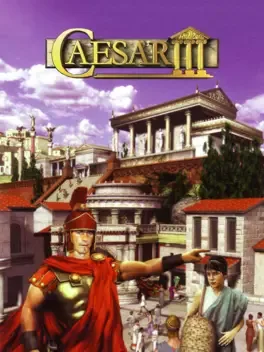
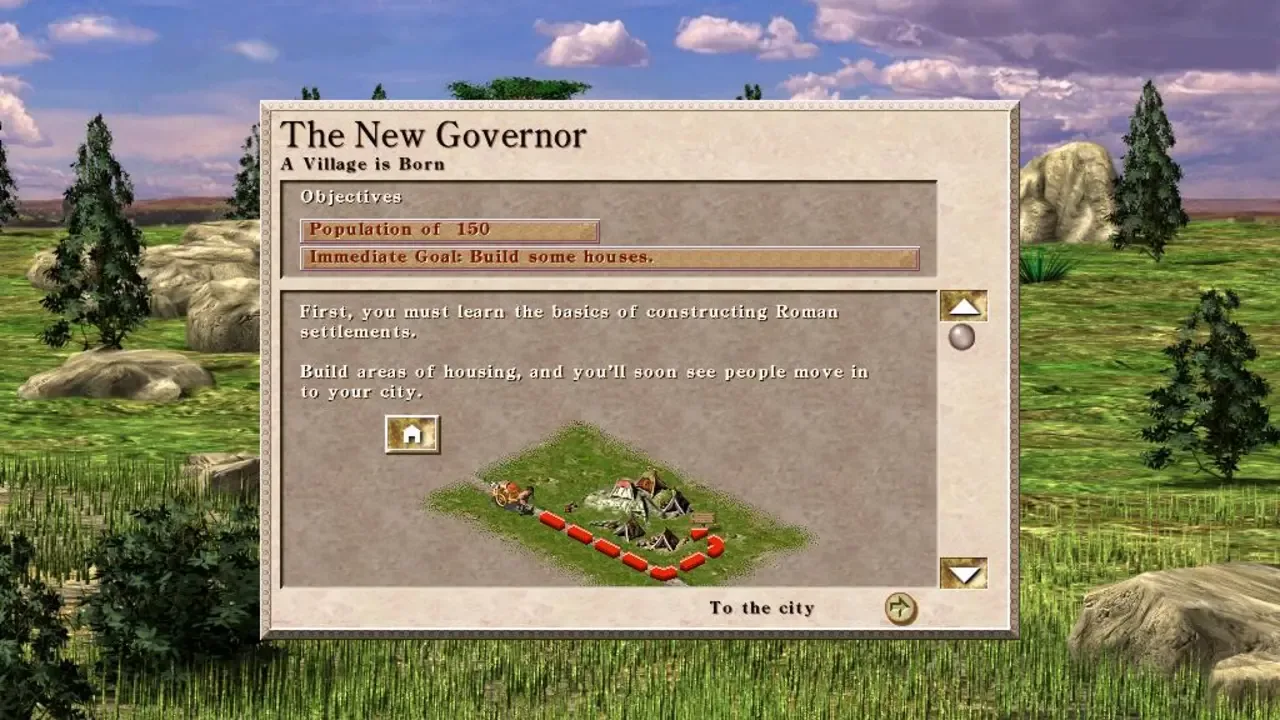
Starting as governor of a newly formed province in the Roman Empire your goal is simple: advance up the empire's political ladder to become the next Caesar.
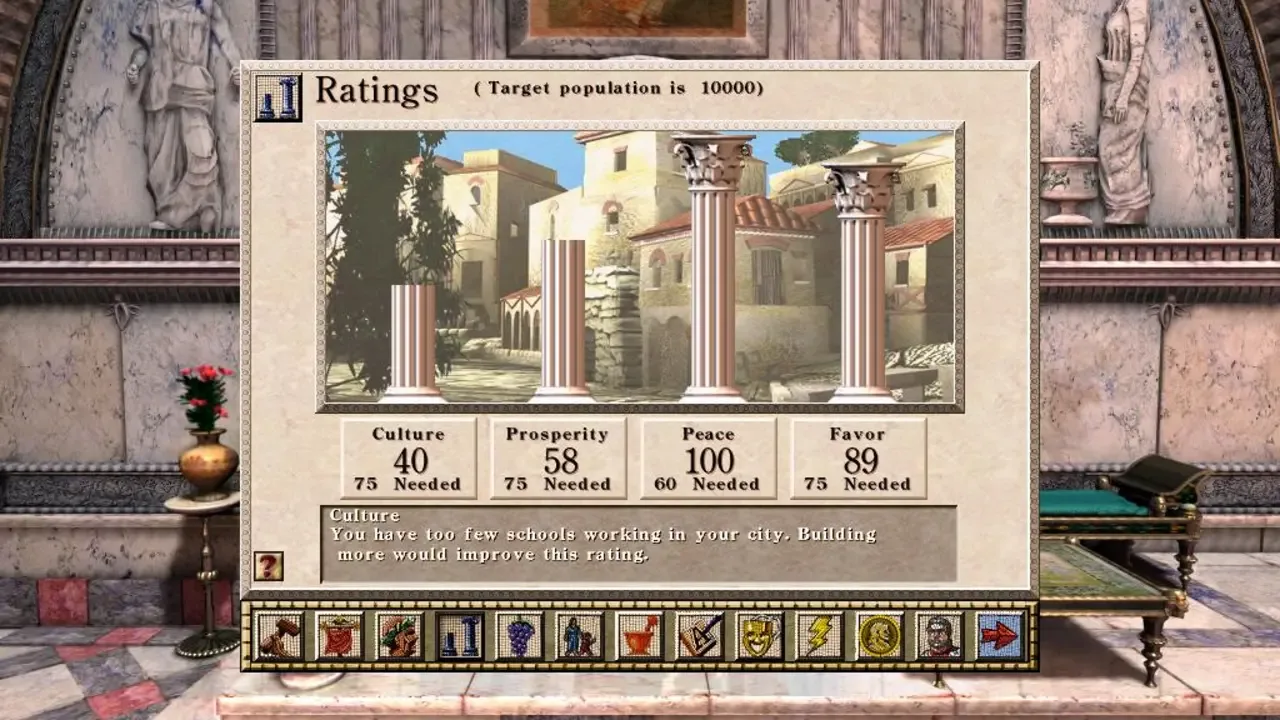
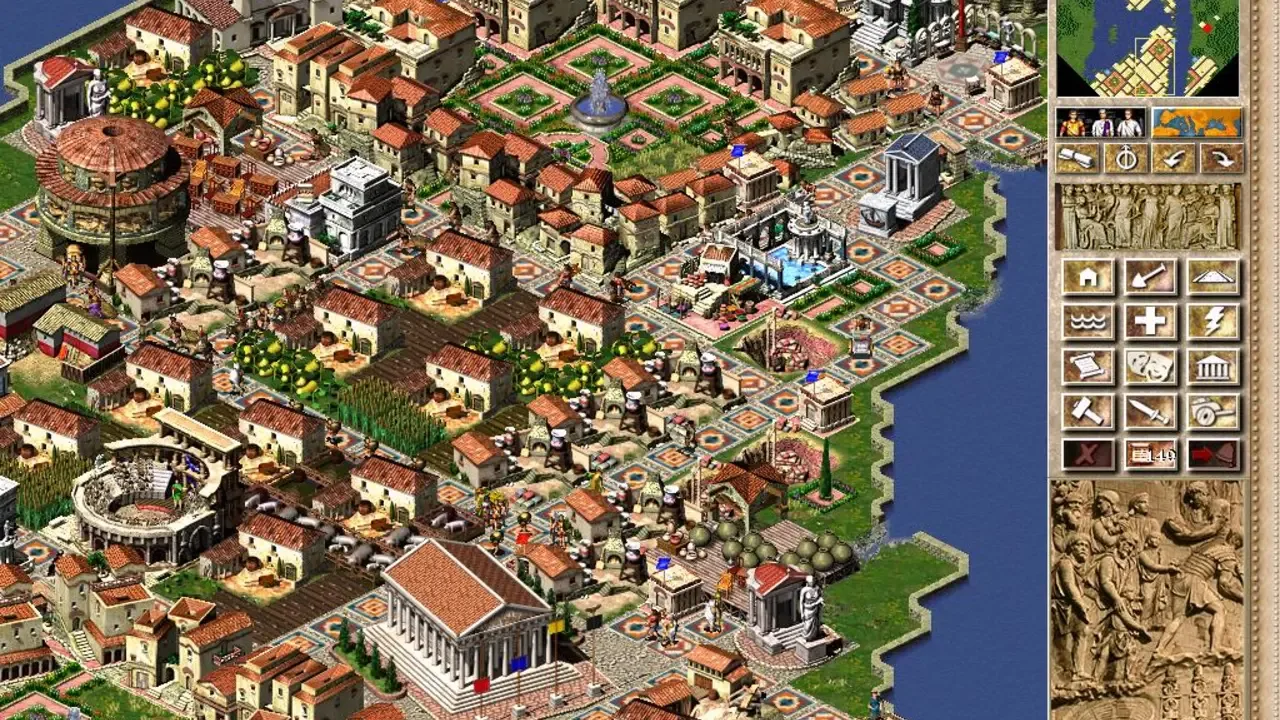
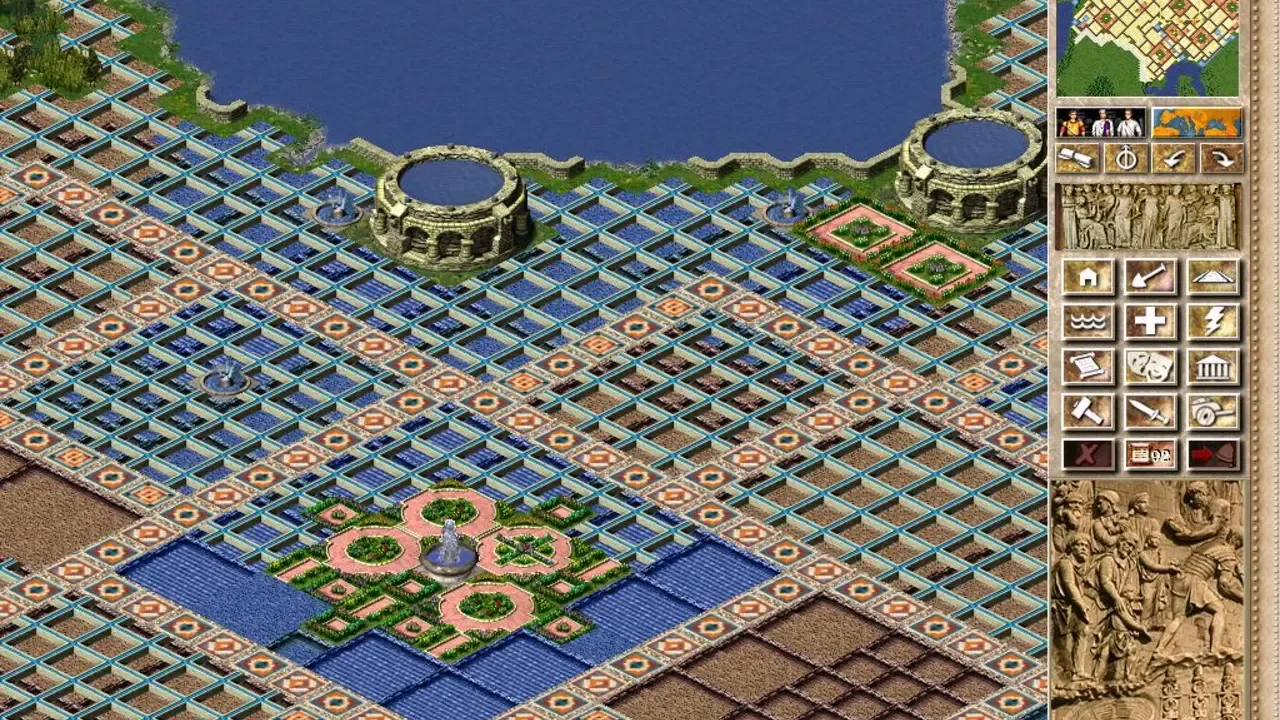
Caesar III is part of Sierra's City Building Series and was released in October 1998. Cities in Caesar III try to accurately reflect the life of Roman citizens: the lowest plebians live in tents and shacks, while the richest patricians live in villas. Staple foods include wheat, fruits, vegetables, and pork, and wine is required for some festivals and houses. Citizens wander the streets in their various garbs and can tell the player their name and how they feel about the city. The city is viewed in a two-dimensional isometric view with a fixed magnification level and can be rotated ninety degrees. Access to services such as market goods, entertainment, hygiene, education, and taxation are represented by "walkers," people sent out from their buildings to patrol the streets. Any house that a walker passes is considered to have access to the services of the walker's building. All movements of goods and coverage of walkers are accurately reflected by citizens walking the streets: a player can watch a farm's crop progress, and when it's ready, a worker will push a full cart from the farm to a nearby warehouse or granary; then return with an empty cart. Background music is played, which varies according to the situation (gentle themes to begin with, war drums during times of conflict and triumphal music when the player nears the objective). Crowd noises supplement musical themes, the sounds of manufacturing and the clash of weapons at appropriate times. There are two ways to play the game: Mission Mode, which is equivalent to the typical "campaign" modes of other strategy games, and City Construction Mode, in which the player plays one scenario from scratch.
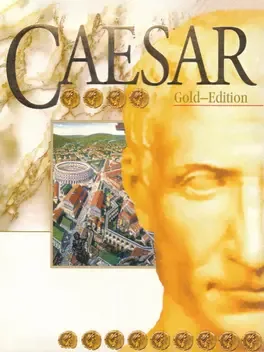
Caesar: Gold Edition contains: - Caesar - Caesar II - Sneak preview of Caesar III
Could be interesting
Starting as governor of a newly formed province in the Roman Empire your goal is simple: advance up the empire's political ladder to become the next Caesar.
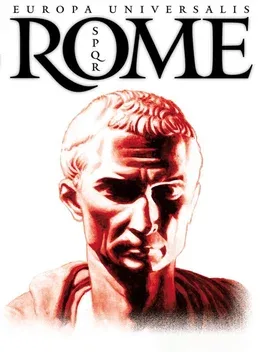
Experience one of the most defining periods in world history in an experience crafted by the masters of Grand Strategy. The greatest cultural and military civilizations are brought to life through this epic title rife with great strategic and tactical depth. Set during the golden age of the Roman Republic when the Senate ruled the Empire, Vae Victis features a massive number of additions and improvements to Europa Universalis: Rome, a game that was already one of the most prominent to depict that era in the widest scope. An overview of these key changes begins with government, which has received a lot of attention for the expansion in order to produce more fluid and balanced gameplay. The cast of historical characters of the ancient world have also had a significant overhaul across a variety of areas and with the addition of missions, decisions and laws.
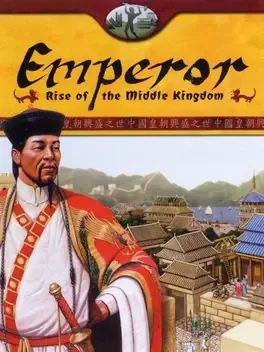
Emperor: The Rise of the Middle Kingdom is a game about politics, trade, and city design in ancient China. In Emperor, players progress through 3000 years of Chinese history, facing ever-changing economic, military, and diplomatic challenges as each Chinese dynasty waxes and wanes.
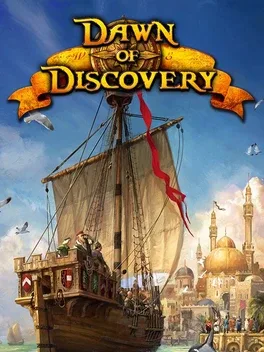
Dawn of Discovery (Known as "Anno 1404" in Europe) is a city-building and economic simulation game with real-time strategy elements. Released in 2009, it was developed by Related Designs, produced by Blue Byte, and published by Ubisoft. Though the game centers on a series of fictional events, the overall concept of the storyline is based upon real life aspects of medieval and renaissance history such as the Crusades, advancements in gothic architecture, construction of cathedrals, and hanseatic trade involving the rise of patrician merchants and early forms of capitalism.
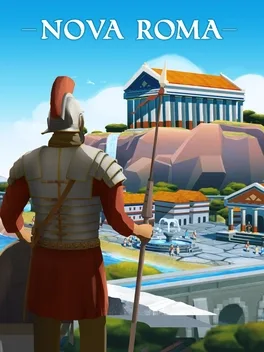
The glory of Rome is at your fingertips in this city-building game where you must appease the gods, enact laws, and develop complex supply chains to meet the needs of your citizens.
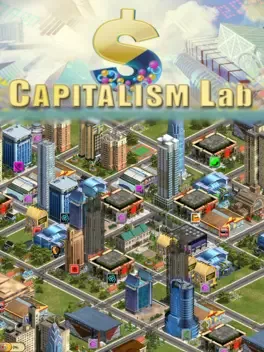
Capitalism Lab is the latest version in the Capitalism business simulation game series. It lets you build the business empire of your dream. You become a corporate CEO and face real-world challenges as you build a sprawling business empire covering retailing, manufacturing, agricultural business, mining, real estate, media and stock trading! Capitalism Lab improves upon the award-winning Capitalism II with a host of new features and improvements, including new products, realistic simulation of inflation (the first of its kind), greatly enhanced macroeconomic simulation, the ability to build community, sport facilities, and media firms, as well as improved screen resolutions, interfaces, smarter AI, and many other improvements!
In this highly anticipated next installment in the Age of Empires franchise from Ensemble Studios, Age of Empires III places players in the time period of roughly 1500–1850, picking up where Age of Empires II: The Age of Kings left off. As players work to establish their empire, they take on the role of a European power struggling to explore, colonize, and conquer North and South America. Age of Empires III introduces exciting new gameplay elements, including the all-new Home City and an incredible combat system. Players have new civilizations to discover, random maps to conquer, and a single-player campaign unlike any other. Players also find stunning graphics as a result of a revolutionary graphics engine that pushes the limits of PC graphics technology in an entirely new way.
Glory of the Roman Empire is the first of three games on the subject (CivCity: Rome, Caesar IV) that came out in 2006. The game has full 3D structures, units and environment. It has dozens of historically inspired structures and environments rendered in full detail in a 3D world. Buildings can be placed easily in every direction.
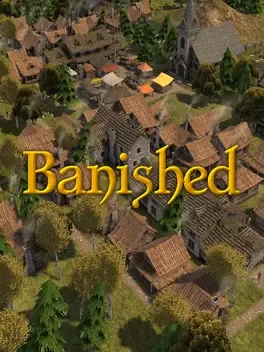
Welcome to the world of Banished! In this city-building strategy game, you control a group of exiled travelers who decide to restart their lives in a new land. They have only the clothes on their backs and a cart filled with supplies from their homeland. The objective of the game is to keep the population alive and grow it into a successful culture. Options for feeding the people include hunting and gathering, agriculture, trade, and fishing. However, sustainable practices must be considered to survive in the long term.
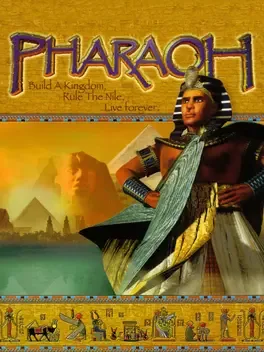
Pharaoh is a 1999 strategy game developed by Impressions Games and published by Sierra Entertainment.