
Double Dragon

Parent game
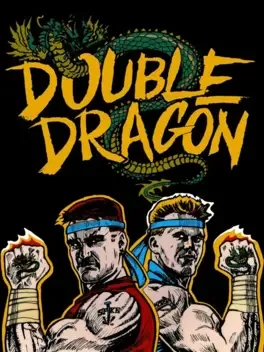
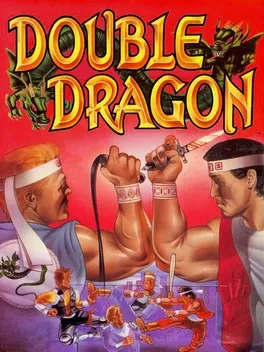
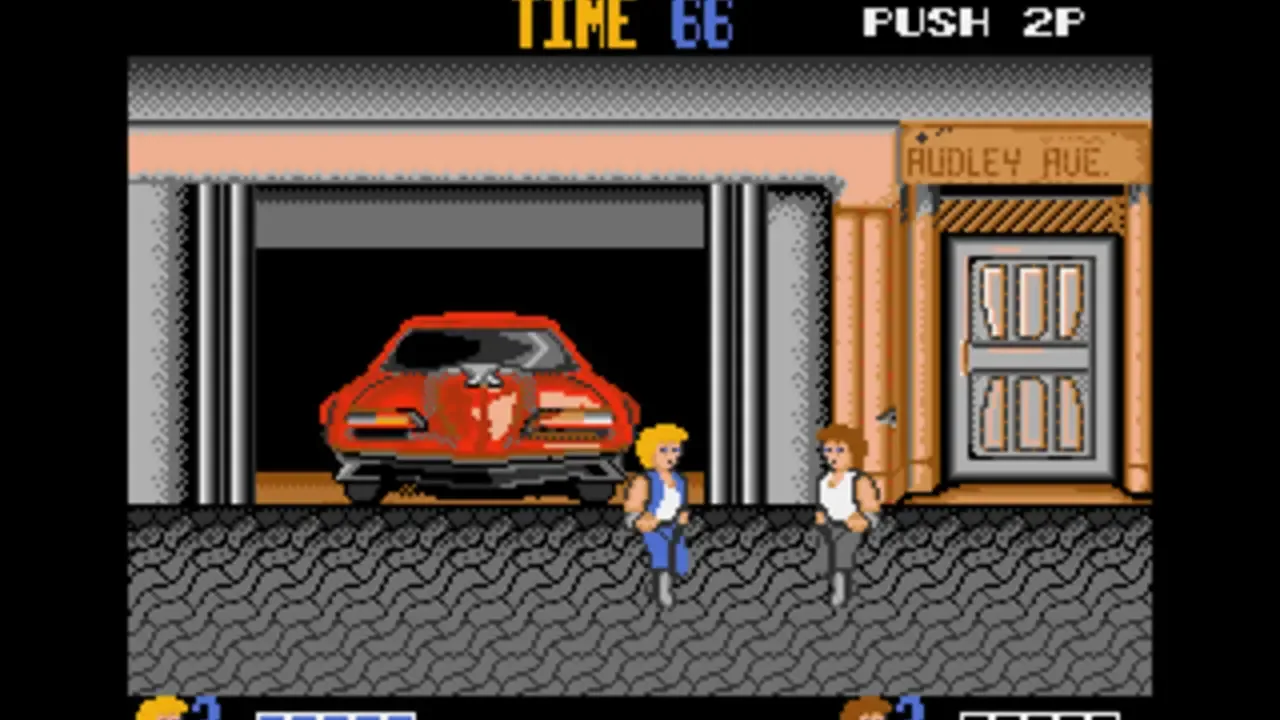
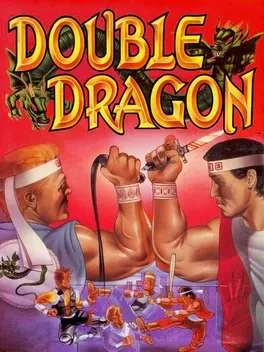
Double Dragon is a 1987 beat 'em up video game developed by Technōs Japan and distributed by Taito for arcades across Asia, North America and Europe. It is the first title in the Double Dragon franchise. The player character has a repertoire of martial arts techniques which they can perform using the joystick and three action buttons (kick, jump, and punch) individually or in combination. Techniques range from basic punches and kicks to more elaborate manoeuvres like hair-grabbing moves and elbow strikes. When playing with another player, one can assist the other by grabbing their partner's opponent from behind. Caution should be taken, though, as some enemies can do the same thing to the players. The player begins the game with a certain number of extra lives and a life gauge which depletes as the player takes hits. If the life gauge runs out or the time limit reaches zero, the player will lose a life. There is a small variety of enemy characters that the player will face through the course of the game. Certain enemies carry melee weapons, which can be knocked out of their hands and picked up to use against them. Available weapons include baseball bats, whips, throwing knives, and dynamite; in addition, rocks, oil drums, and boxes can be found in certain places. The game is divided into four stages or "missions," consisting of a city slum, a factory, the woods, and the gang's hideout. The game normally ends if a single player defeats the final boss alone. However, if two players complete the game together, they are forced to fight each other to determine who will win Marian's affections.
Part of collection:
Double Dragon
(last 3 games)
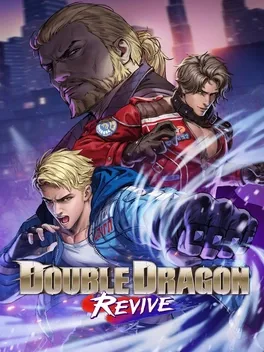
Double Dragon Revive faithfully reproduces the thrill of old school side-scrolling action games, with updated controls and difficulty settings for the modern era, and utilizing Arc System Works’ fighting game development experience. Jimmy Lee, Billy Lee, Roper, Abobo, and more will appear in stylish 3D.
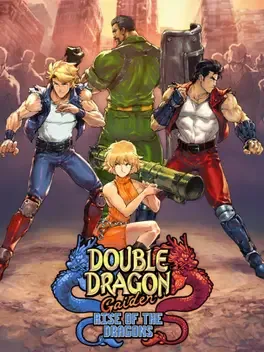
Prepare to throw down the Double Dragon way in this fresh addition to the iconic beat ‘em up franchise. Explore the early beginnings of the young Double Dragon brothers as they take on both new and familiar enemies in this alternate story. In this fresh roguelite take, every playthrough is brand new chance at new action. Featuring a unique and dynamic level structure, the difficulty of the missions you take on will change depending on the order you have selected them. Tag in and out as the classic duo Billy and Jimmy, switch it up with Marian and Uncle Matin, or experiment with 9 additional unlockable characters, each with their own special moves and unique playstyles. With 2 player local co-op, the action quadruples as you and a friend clean up the mean streets.
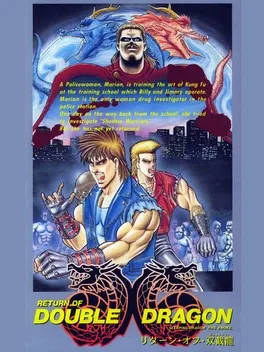
Return of Double Dragon features several significant differences from Super Double Dragon: the title theme and most of the background music were shuffled around (e.g. the Mission 1 theme from Super Double Dragon is played during Mission 4 in Return of Double Dragon) and the player can perform certain actions which cannot be done in Super Double Dragon (such as retrieving a boomerang after throwing it or hitting an opponent more than once successively with the hurricane kick). The enemy placement is also different in both versions and weapons such as knives and incendiary bombs do less damage in Return of Double Dragon. Enemies can duck end combo blows, thus preventing the player from finishing their combos. The final Mission also features two additional levels before the final battle. An Option Mode is included in Return of Double Dragon as well, allowing players to adjust the game's difficulty level, as well as listen to the game's music and sound effects.
Part of franchise:
Double Dragon
(last 3 games)
Double Dragon Revive faithfully reproduces the thrill of old school side-scrolling action games, with updated controls and difficulty settings for the modern era, and utilizing Arc System Works’ fighting game development experience. Jimmy Lee, Billy Lee, Roper, Abobo, and more will appear in stylish 3D.
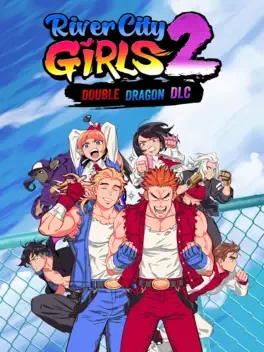
River City Girls 2: Double Dragon DLC is an upcoming DLC for River City Girls 2 which adds in Billy and Jimmy from Double Dragon as playable characters.
Prepare to throw down the Double Dragon way in this fresh addition to the iconic beat ‘em up franchise. Explore the early beginnings of the young Double Dragon brothers as they take on both new and familiar enemies in this alternate story. In this fresh roguelite take, every playthrough is brand new chance at new action. Featuring a unique and dynamic level structure, the difficulty of the missions you take on will change depending on the order you have selected them. Tag in and out as the classic duo Billy and Jimmy, switch it up with Marian and Uncle Matin, or experiment with 9 additional unlockable characters, each with their own special moves and unique playstyles. With 2 player local co-op, the action quadruples as you and a friend clean up the mean streets.
Could be interesting
The Avengers: The Mobile Game is an action game based on the 2012 movie of the same name. Loki has come to earth to conquer it with the help of an alien race known as the Chitauri. In the game the player takes control of Iron Man, Captain America, Thor and the Hulk. The game is a 2D side scrolling beat 'em up where the player each level controls a different hero. Along way Avenger badges can be collected, each badges 100 earns the player an extra live. Health can also be replenished. The levels of Iron Man, Captain America and the Hulk take place on the ground while Thor fly’s through the sky in his levels. Some sections involve climbing and the Hulk can pick up objects that can be hurled at enemies.
Double Dragon: The Revenge of Billy Lee is a beat 'em up game developed and published by Virgin Interactive in 1993 for Sega's Game Gear handheld console. It is a unique entry in the series, exclusive to the console, and implements many elements not seen in most other installments of the franchise. The game was entirely developed by Virgin Interactive, with no involvement from Technōs other than its licensing; as such, it implements many aspects not seen in most other installments of the Double Dragon franchise, such as the ability to use firearms. Furthermore, in contrast to the gameplay style and aesthetics already established by previous games, the Game Gear version takes a unique approach that is more similar to other beat 'em ups, such as the Streets of Rage series.
Sequel to the 3DS action game.
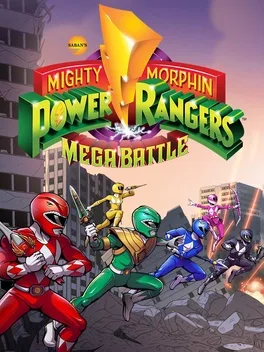
Power Rangers: Mega Battle is a 2D sidescrolling beat 'em up arcade game. The game was announced at the 2016 New York Comic Con with the teaser trailer for the game later uploaded to the Internet after the Power Rangers panel ended.
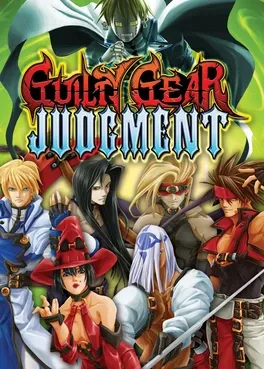
Guilty Gear Judgment (ギルティギア・ジャッジメント, Giruti Gia Jajjimento) is a spin-off game of the Guilty Gear series, exclusive to the PlayStation Portable, and the 11th overall installment. It also includes a slimmed-down version of Guilty Gear XX ♯Reload, developed by Arc System Works and published by Majesco in USA and Europe, and SEGA in Japan. It is the first game in the series to be released on PSP outside of Japan.
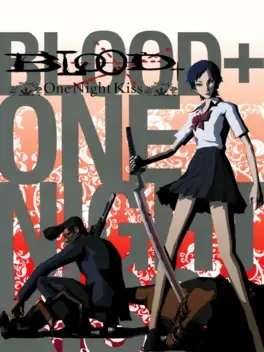
An action-adventure game following Saya Otonashi as she takes up a katana to rid the world of the vampiric Chiropterans.
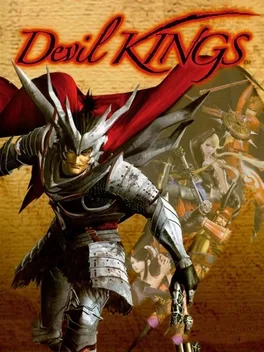
Devil Kings is in the same vein as the Dynasty Warriors series. Whereas in Dynasty Warriors, however, Koei focuses on ancient Chinese history, Devil Kings focuses more on feudal Japan, but with a fictional setting with the ability to use modern day weapons such as chain guns and shotguns as well as fighting legendary and fictional characters from the past. The story takes place as the Devil King, a king possessed by the soul of the Devil, has unleashed an unholy army on the world to bend it to his will as the player must stop him along with many of his minions including his wife Lady Butterfly, his general the Red Minotaur, as well as loyal assassins Scorpio and Venus. The gameplay is more arcade hack-and-slash style, with the ability of using magic spells to wipe out entire waves of enemies and as mentioned before, the ability to use modern day weapons along with historical weapons such as spears, swords among others. There are six playable characters to use as well, each with their own story told in CG and anime cutscenes as well as two modes of play, Conquest (the main story of the game) and Free Mode (where players can play in any unlocked stage they have completed).
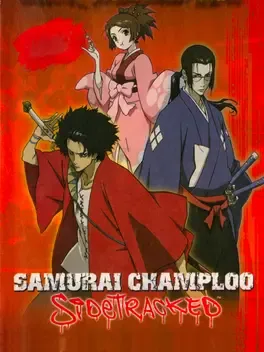
Samurai Champloo steps out of the hack-and-slash action genre and offers a new way to swing a finely-honed samurai blade. Set in Japan with hip hop feel from the hit TV series by the same name, this title allows gamers to breathe life to a "lost episode" as one of three playable characters - Mugen, a reckless samurai with break-dancing fighting style, calculated Jin who abides by the decorum of Bushido, and a mysterious new character exclusive to the video game. Stranded in northern land of Ezo (current day Hokkaido) in search of the samurai who smells of sunflowers, the player must face foreign mercenaries, master swordsmen, diabolical assassins, mythical beasts, and gangster monkeys. The core of the game's unique combat system lies in the innovative integration of music and linked attacks. The players can choose an array of combos based on the different hip hop grooves that they can swap at will. Music tracks become collectible, opening an extensive assortment of linked attacks that can be implemented tactically during combat.

Shinobi is a third-person action game developed by Overworks and published by Sega for the PlayStation 2. It follows Hotsuma, leader of the Oboro clan, as he investigates the destruction of his clan and battles demonic forces threatening Tokyo. Hotsuma fights using the soul-consuming sword Akujiki, shurikens, and ninja magic. The combat system rewards defeating groups of enemies in rapid succession, while stages also involve platforming and movement abilities such as wall-running and air dashes.
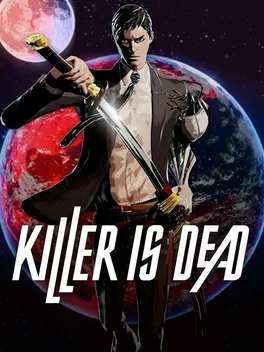
Killer is Dead is an action game that is no sequel to Killer7 or the No More Heroes series by the same developers, but shares elements such as violent action, a main character wielding a katana as the most prominent weapon, assassins as an important theme, and a cel shaded visual style. The game is divided into 12 episodes in locations all over the world and stars Mondo Zap as the main character. He is a contract executioner who works for the he Bryan Execution Firm. The game is set in the future and Monda receives jobs to kill cyborgs and assassins. Before each mission a brief overview of the objective is shown against a world map and in between the fighting there are often animated sequences that further the story. Completing a main mission usually opens up several side missions.