
Fatal Frame


Buy
Expanded games

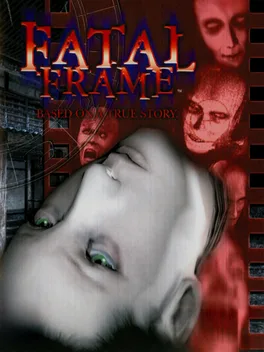
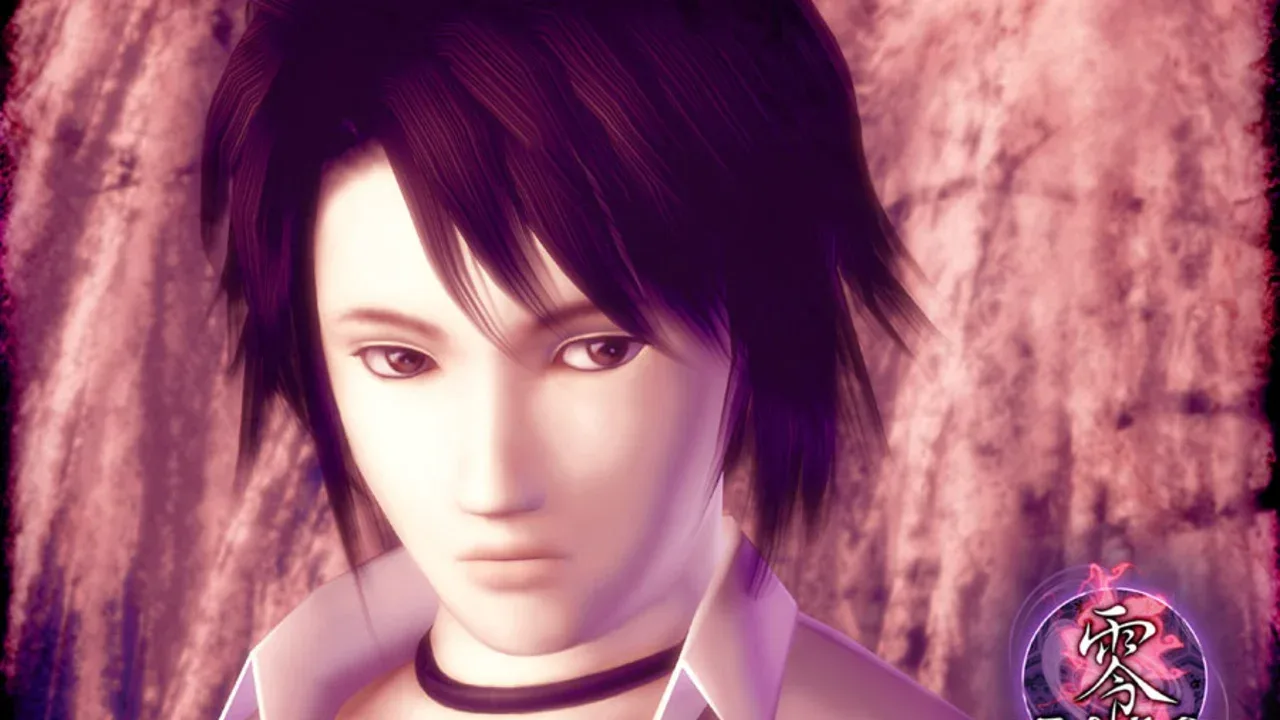
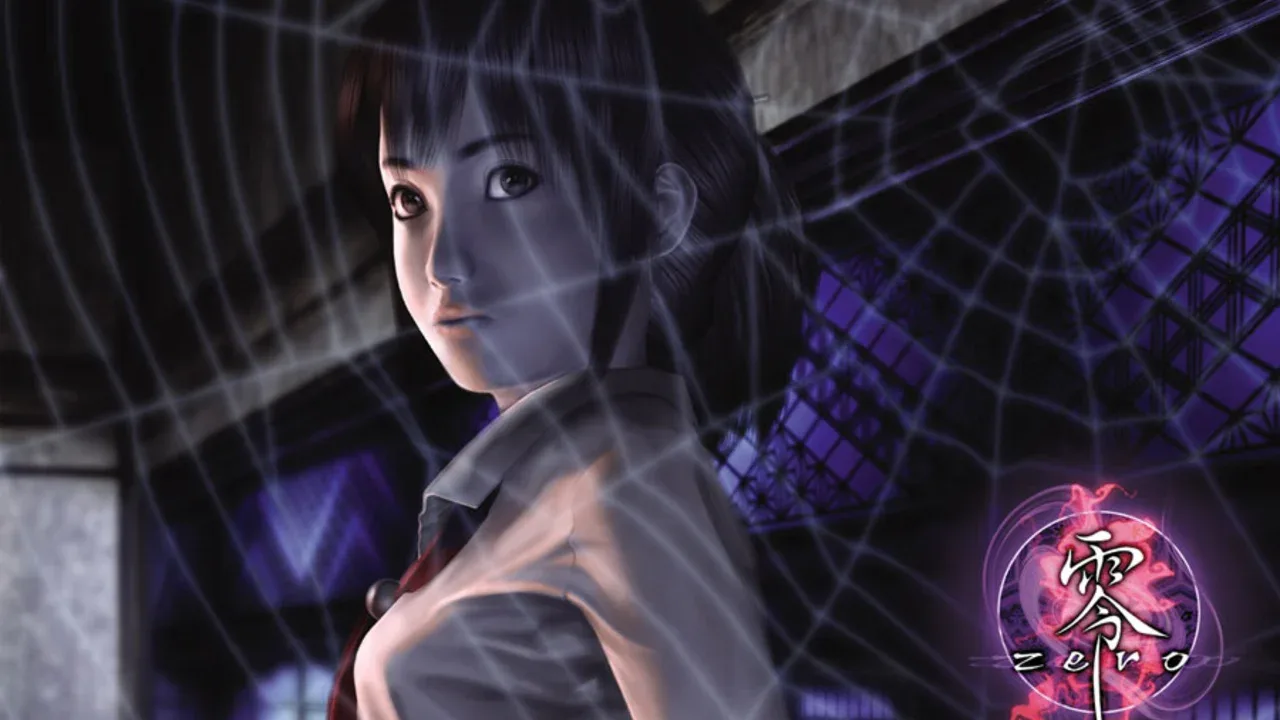
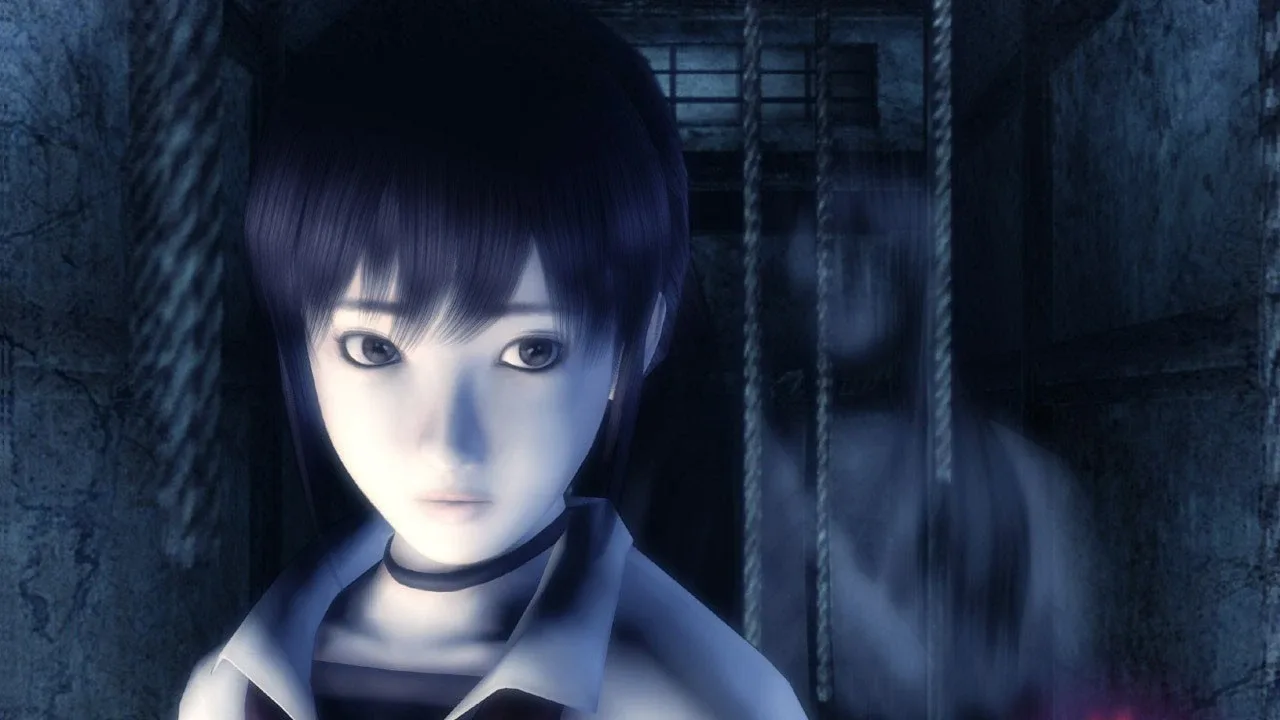
Fatal Frame is an enhanced port of the original PS2 game. It includes the following upgrades and additions: - A new ending - 11 new ghosts - New unlockable costumes - A new difficulty level - Graphical upgrades
Part of collection:
Fatal Frame
(last 3 games)
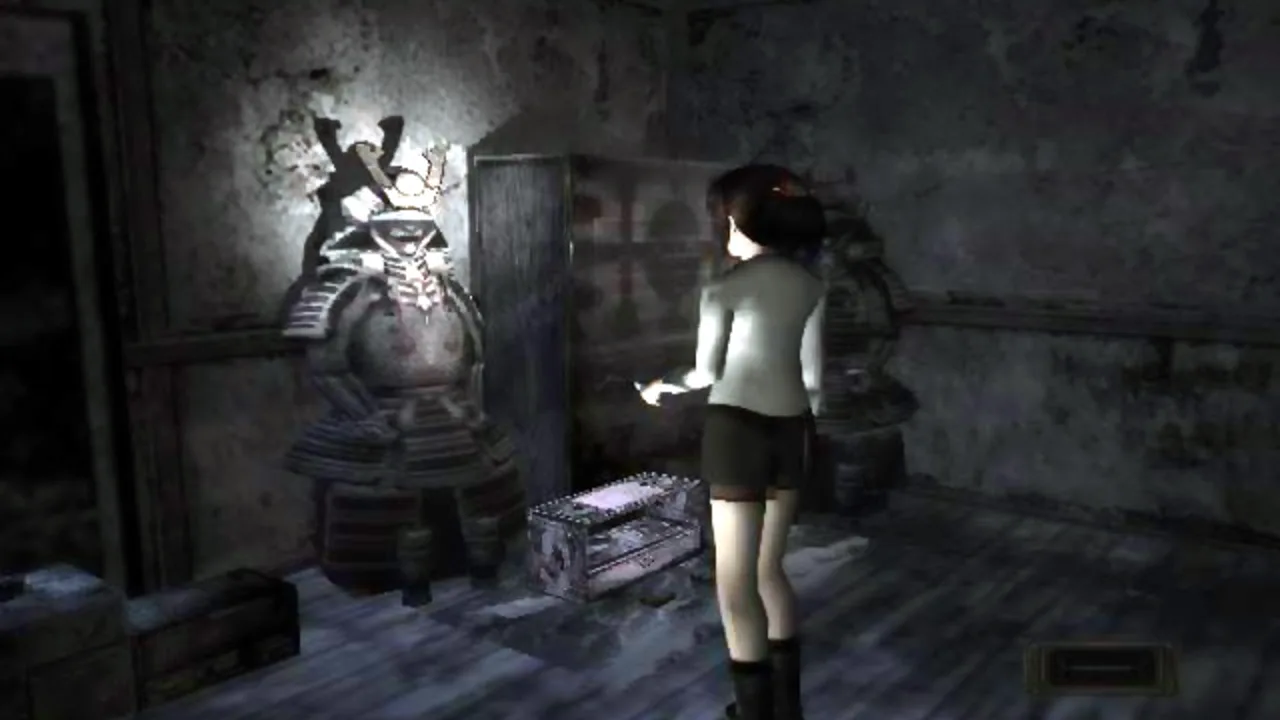
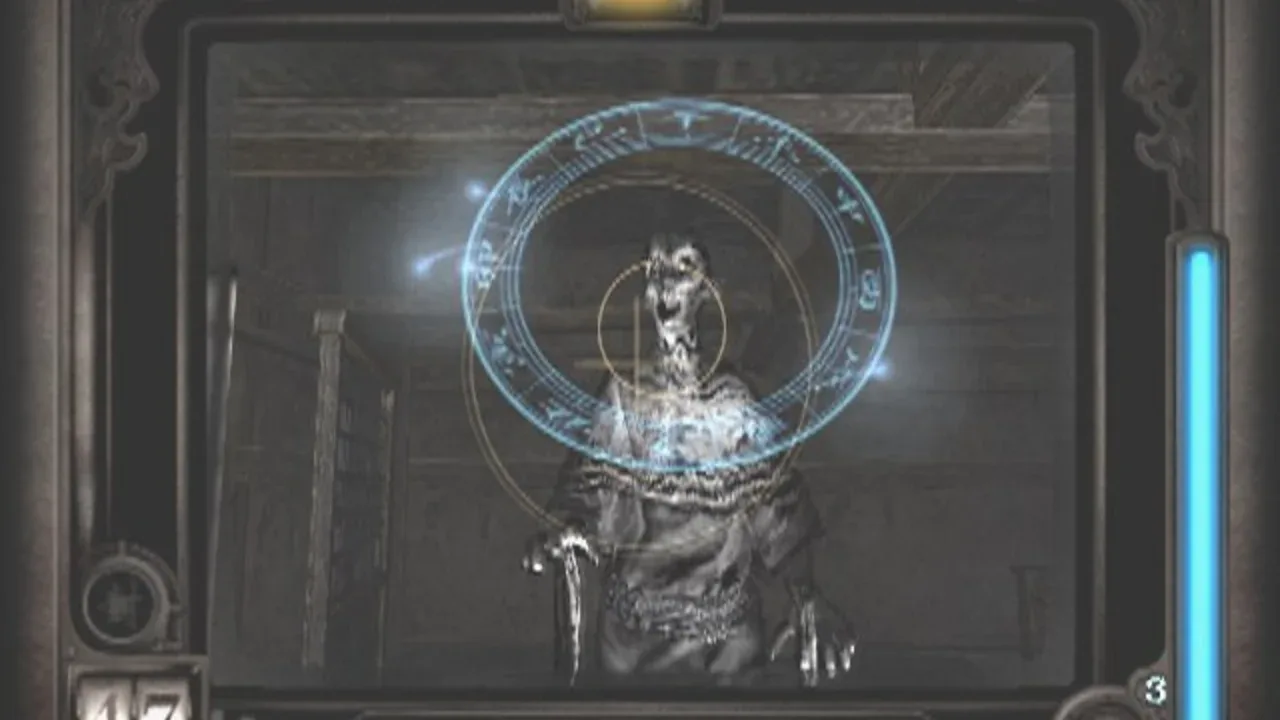
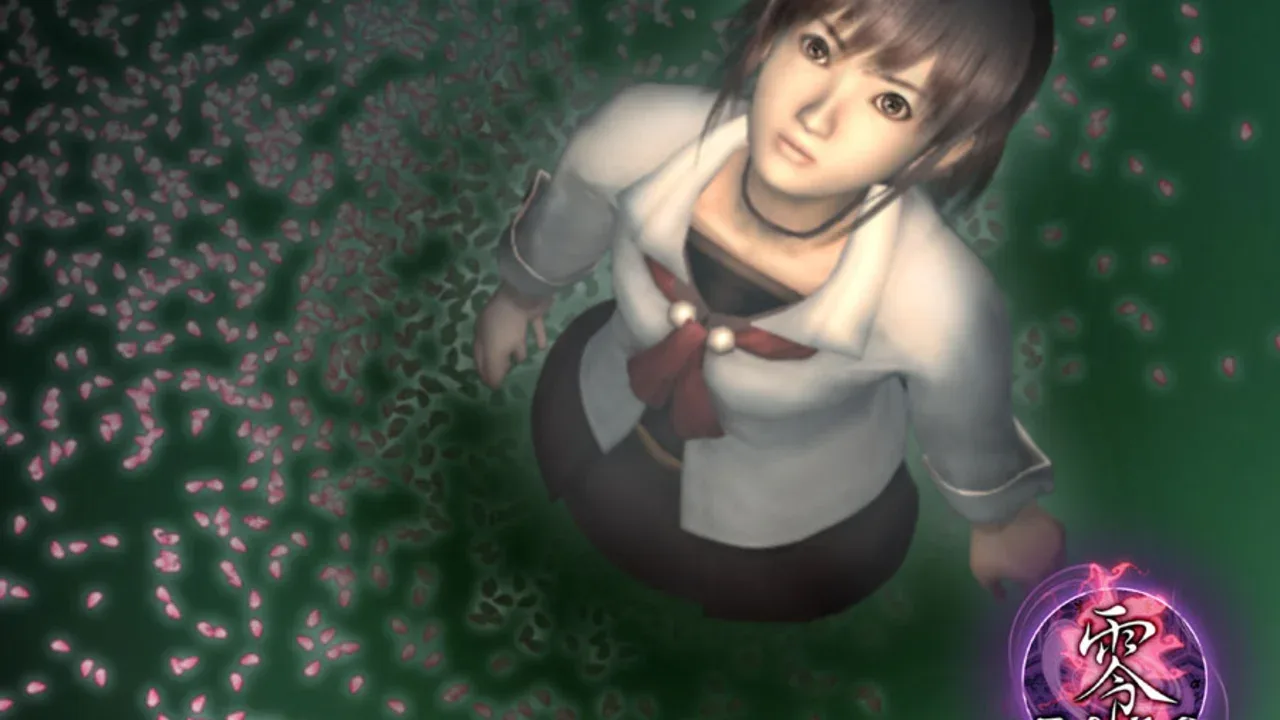
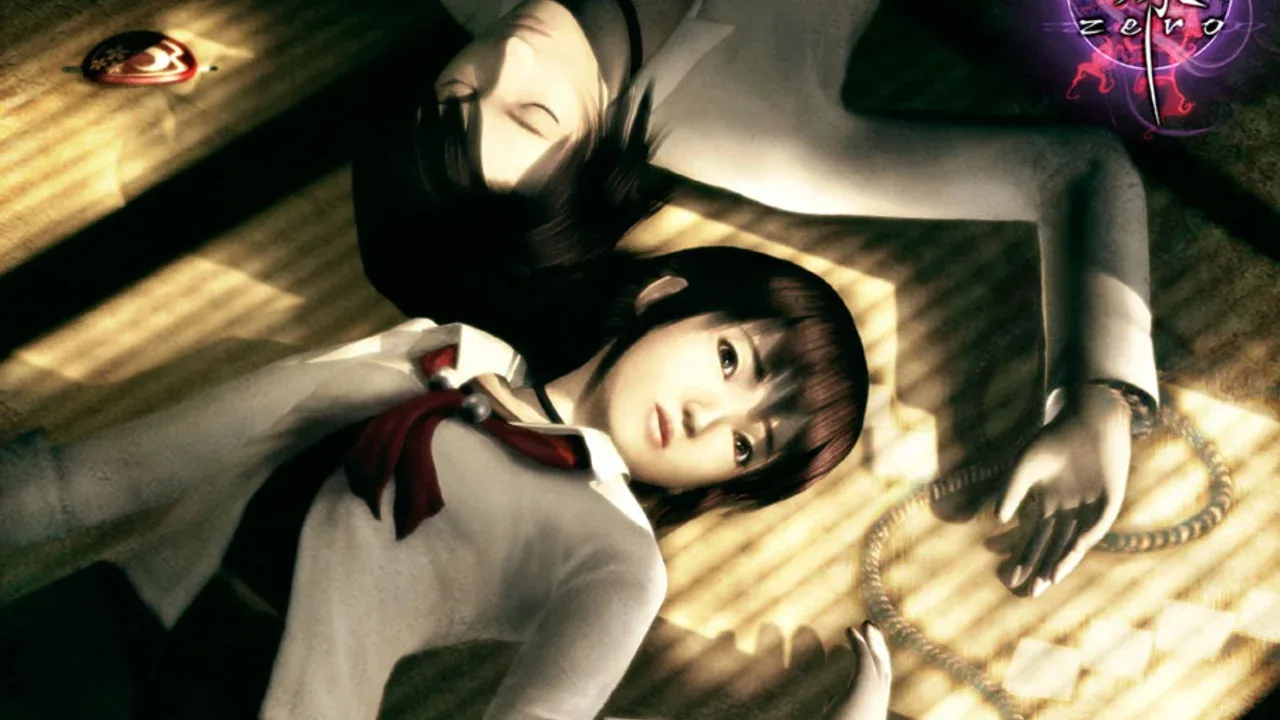
When the protagonists were children, they visited the isolated island of "Rogetsu Isle" to celebrate the Rogetsu Festival. In the midst of the celebrations, they suddenly disappeared. The game begins when the girls decide to go back and visit the island again in search of their lost memories of that day. Attempt to repel encroaching ghosts, relying solely on the faint glow of a flashlight and the Camera Obscura; a camera with the ability to photograph unimaginable things.
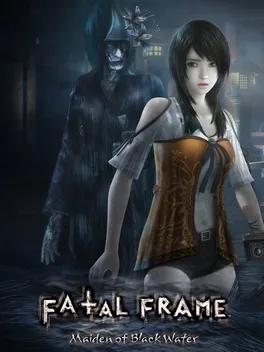
Experience all of the horror from the original FATAL FRAME: Maiden of Black Water with new remastered visuals, new costumes and photo mode features. The main adventure consists of three interconnected stories which lead the player to uncover the horrifying truth behind a string of recent tragic deaths taking place in a forest with an infamous history. Take on the role of one of three people with the power of the Camera Obscura and the ability to see the shadows of those spirited away. The story will take you on a frightening adventure through the ruins of an eerie inn, a shrine filled with life-size dolls, and a lake full of dead priestesses.
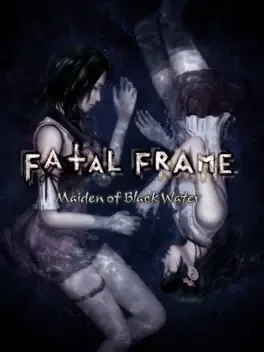
Fatal Frame: Maiden of Black Water is a survival horror video game developed by Koei Tecmo and published by Nintendo for the Wii U. The fifth main entry in the Fatal Frame series, it was released in Japan in September 2014 and worldwide in October 2015. As with previous games in the series, players navigate areas filled with hostile ghosts which must be fought by taking photographs using the Camera Obscura, which is directly controlled using the Wii U gamepad. A post-endgame story featuring Ayane, a character from the company's Dead or Alive series, is also available featuring altered gameplay mechanics. The story, which is set on the fictional Hikami Mountain, focuses on three protagonists who are drawn into supernatural events revolving the area, including an ancient ritual to seal away Yomi, a malevolent force corrupting the surrounding spirits that is tied to the fate of the titular shrine maiden Ouse Kurosawa. Planning for the game began in 2011, during the projection of the Wii remake of Crimson Butterfly. The game was first proposed by series co-creator Keisuke Kikuchi when he saw the Wii U hardware and the possibilities of the gamepad becoming the Camera Obscura. The game was a joint production effort between Koei Tecmo and Nintendo Software Planning & Development, with Kikuchi and fellow co-creator Makoto Shibata returning as to their respective posts of producer and director, together with staff from the previous series entry Mask of the Lunar Eclipse and developers new to the series. The cast went through several revisions during development, while the staff experimented with the capacities of the new hardware. As with previous games, it features a theme song by Tsuki Amano. Upon release, the game received critical acclaim for its use of the gamepad and dark atmosphere, while opinions were mixed on its story, portrayal of its female characters, and other aspects such as its pacing and controls.
Could be interesting
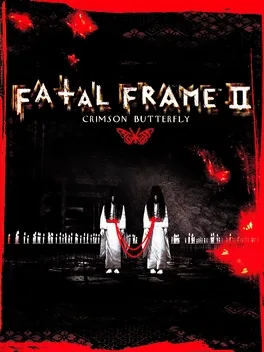
Crimson Butterfly is the second installment in the Fatal Frame series, although not a direct sequel to the first title, Fatal Frame. The story follows twin sisters Mio and Mayu as they explore an abandoned village and experience encounters with the paranormal. Players must use the Camera Obscura to defeat ghosts and uncover the secrets of the village. An Xbox port, subtitled Director's Cut, was released in 2004 and included additional features. a remake of the game titled Project Zero 2: Wii Edition was released for the Wii in 2012 in Europe and Japan.
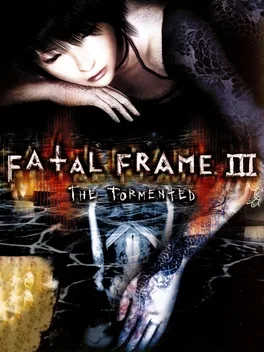
Rei Kurosawa suffers a strange dream each night, since she took a photo of her dead boyfriend in an abandoned old mansion. Every night the dream will take her deeper and deeper in an old mansion, when she will have to find out what is going on.

For some time now, Leafmore High School has been the setting for unexplained disappearances. In this survival horror game, you take control of a group of 5 American students. With your friends, you try to unravel the mysterious happenings at this unremarkable-looking school. The night will be long and survival will not be easy... A few years ago, strange things started occurring in the usually quiet American school of Leafmore. Some students are said to have heard awful screams, and there is the talk of mysterious disappearances. After one of their friends mysteriously disappears, a group of students decides to investigate the disturbing events. One evening after class, they stay behind and are locked inside the school, determined to discover what is going on. Down long, dimly-lit corridors and in dark classrooms, Shannon, Kenny, Ashley, Stan, and Josh will try to find out why their school has become so terrifying - and will try to stay alive.
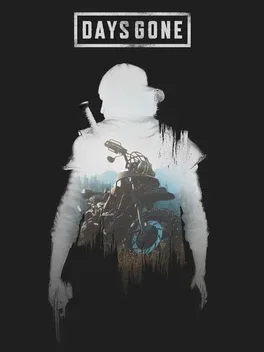
Days Gone is an open-world action-adventure game developed by Bend Studio and published by Sony Interactive Entertainment. Released in April 2019 for PlayStation 4 and later for PC in May 2021, the game is set in a post-apocalyptic world where players control Deacon St. John, a drifter and bounty hunter navigating a landscape overrun by "Freakers," zombie-like creatures created by a global pandemic. The gameplay focuses on exploration, combat, and survival elements, with players able to use various weapons, craft supplies, and upgrade Deacon’s motorcycle, essential for travelling across the vast and hostile environment. Days Gone combines narrative-driven missions with an open world filled with dynamic events, enemy camps, and environmental challenges.
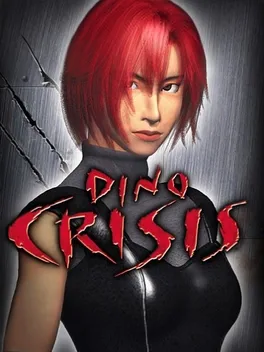
Dino Crisis is a survival horror video game developed and published by Capcom in 1999. Set in a remote research facility, it follows special agent Regina as she investigates a scientific experiment gone wrong. The game combines exploration, puzzle-solving, and combat against hostile dinosaurs. It uses a real-time 3D environment rather than pre-rendered backgrounds, distinguishing it from earlier Capcom horror titles. Dino Crisis is often noted for its emphasis on tension, limited resources, and fast, unpredictable enemies.
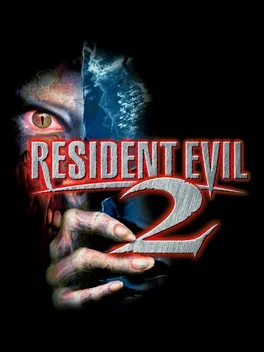
Resident Evil 2 is a sequel to the first Resident Evil title. Like the previous game in the series, Resident Evil 2 is a 3D action-adventure using three-dimensional polygon characters over two-dimensional pre-rendered backgrounds, with the action viewed through a variety of cinematic fixed camera angles in each room. Players can choose to play as one of two possible characters; each goes through the same initial scenario but with differences in the type of weaponry they find and the people they meet along the way.
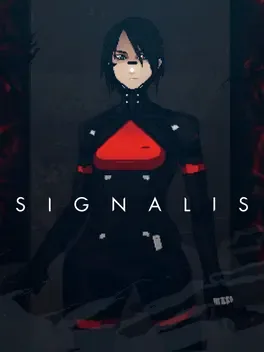
Signalis is a classic survival horror experience with a unique aesthetic, full of melancholic mystery. Investigate a dark secret, solve puzzles, fight off nightmarish creatures and navigate dystopian, surreal retrotech worlds as Elster, a technician Replika searching for her lost dreams.
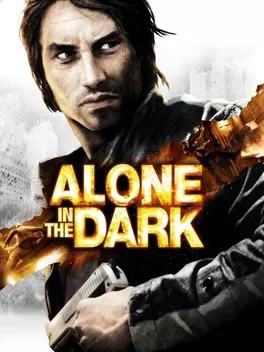
Alone in the Dark is a reboot of the original game and the fifth installment of the series. It features a new storyline and characters while still maintaining the core elements of the survival horror genre. The game is set out through DVD-style episodes where the player can choose to start from the beginning or choose to skip to a section if they get stuck. There is also a strong emphasis on exploration, atmosphere and tension with players needing to use stealth and strategy to avoid detection by enemies.
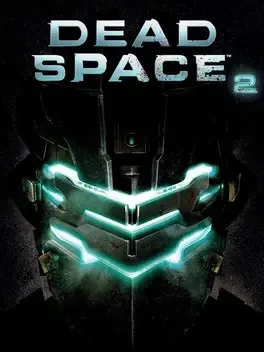
Three years after the Necromorph infestation aboard the USS Ishimura, Isaac Clarke awakens from a coma, confused, disoriented, and on a space station called The Sprawl. Just as his health begins to improve, The Sprawl is overrun with even more advanced forms of the alien-zombie hybrids.
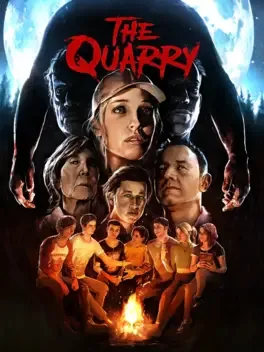
It's late summer in the remote forests of upstate New York, and the teen counselors of Hackett's Quarry have the camp to themselves for one final night. That means no kids, no adults, and no rules. In this thrilling cinematic tale, you control the fates of all nine camp counselors as their party plans unravel into an unpredictable night of horror. With life-or-death decisions around every turn, the choices you make will determine how the story unfolds.